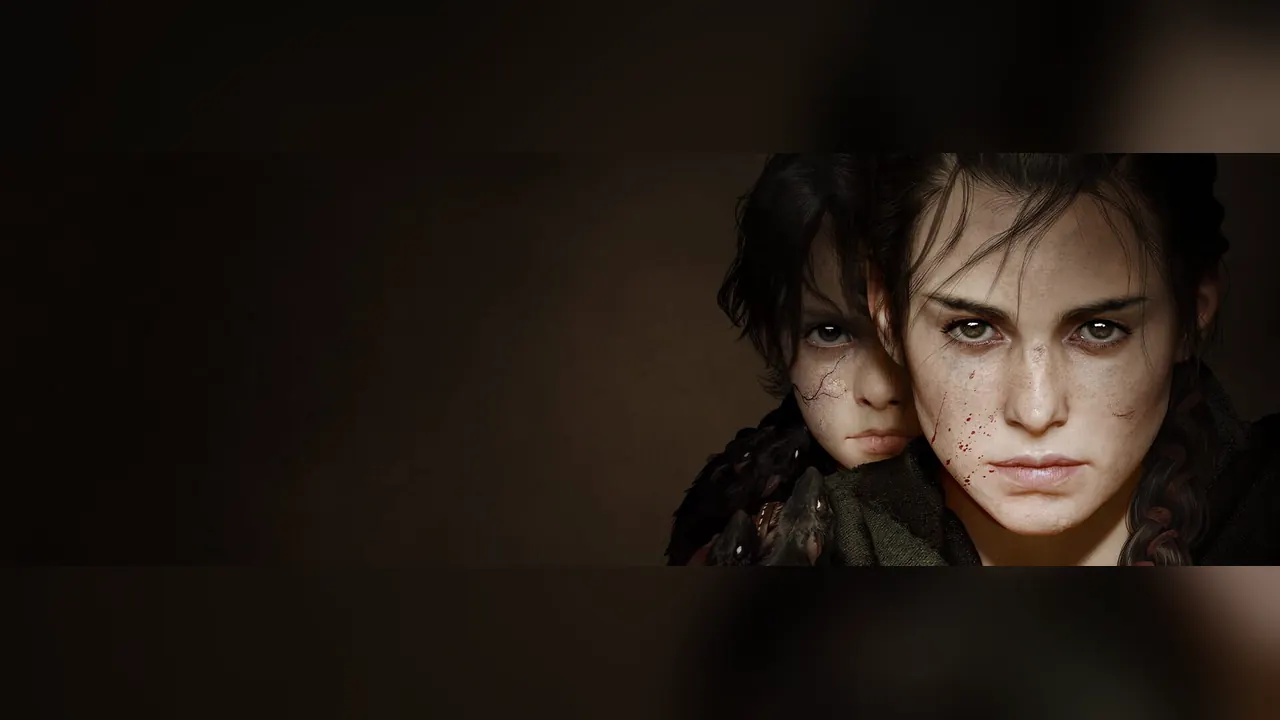
Read this article in: Portuguese (Português) · Spanish (Español)
If you wonder who is behind the creation of A Plague Tale: Requiem, the answer points to the French studio Asobo Studio. This action-adventure title is the second chapter of the acclaimed series and plunges players into a dark and brutal setting, mixing elements of survival and mystery. The team behind the project is vast and highly specialized, featuring director Kevin Choteau, producer Eric Chort, and writer Sébastien Renard, who orchestrated not only an engaging narrative but also a technical experience that demands deep dedication and historical research. The result is a game that transcends mere entertainment, positioning itself as a landmark in the medieval survival genre.
The relevance of A Plague Tale: Requiem lies in its setting and narrative scope. The story unfolds in 14th-century France, during a time of calamity where the plague and the Inquisition unite to devastate the lives of the protagonists, Amicia and Hugo de Rune. The official release occurred on October 18, 2022, for various platforms, including PlayStation 5 and Nintendo Switch. Beyond the apocalyptic setting, the game is notable for its focus on third-person stealth gameplay, forcing the player to confront not only hostile soldiers but also hordes of rats, maintaining constant tension throughout the journey.
In this article, we will uncover the behind-the-scenes details of this survival epic. We will discuss the creators who shaped this medieval apocalypse, explore the premise of Amicia and Hugo searching for a cure in the south of France, and detail the technical rigor and historical authenticity employed by Asobo Studio. We will analyze the stealth gameplay, the impact of the release, and finally, trace the legacy of the series and the future installments that promise to keep the public captivated by the saga of the Rune siblings.
Key Points
- The game is set in medieval France in the 14th century, in June 1349, following the Black Death.
- The plot follows Amicia and Hugo de Rune in search of a cure for the mysterious Prima Macula.
- The setting was relocated from Aquitaine to Provence, creating a vibrant visual contrast.
- The gameplay expanded combat with a slingshot, bow, and tactical manipulation of fire and pitch.
- Technically, the title demonstrated the ability to render over 300,000 rats simultaneously.
Plague Tale: Requiem in summary
| Title | Plague Tale: Requiem |
|---|---|
| Developer | Asobo Studio |
| Publisher | Focus Entertainment |
| Director | Kevin Choteau |
| Writer | Sébastien Renard |
| Platforms | Nintendo Switch; PlayStation 5; Windows; Xbox Series X/S |
| Release | October 18, 2022 |
| Genre | Action-adventure, stealth |
| Mode | Single-player |
The creators behind the medieval apocalypse

Creating a universe as rich and complex as A Plague Tale: Requiem is not the work of a single genius, but rather a meticulous and vast collaborative effort. At the heart of this project is Asobo Studio, a renowned French video game developer. The studio, known for its ability to delve into survival narratives, orchestrated this work in an effort that transcended technological boundaries, embracing history, art, and music. To better understand the journey and the creators, you can check out the secret behind Requiem. This is a remarkable example of how French creative talent was fundamental in bringing this epic of combat and mystery to life.
Building the Setting and Narrative
The development process was deeply rooted in historical authenticity. To ensure the setting was as accurate as possible, the team didn’t just gather information; they actively collaborated with experts, such as Roxane Chila, a physician in Medieval History. This detailed research allowed the game to be set in 14th-century France. One of the most praised aspects of the project was the decision to change the game’s color palette compared to its predecessor. The setting was moved from the somber Aquitaine to Provence, a more vibrant and colorful region. According to the lead writer, Sébastien Renard, this narrative shift was crucial because it created “a sharper contrast between the harsh reality of the medieval setting, where terrible events were happening, and beautiful, sometimes unknown environments.” This vision ensured that the survival journey was visually impactful and charged with tension.
The Artistic and Sound Touch
The artistic and sound aspects of the game also reveal the depth of the collaboration. The musical composition work was led by Olivier Deriviere. The original soundtrack is not just background music; it is a detailed orchestral experience, recorded in studios like the Estonian Public Broadcasting Studio. Deriviere utilized a rich tapestry of medieval instruments, including lute, flute, oud, and nyckelharpa, in addition to the cello as the main instrument. The music, which is a central element of immersion, was designed to complement the historical drama, ensuring that every note reinforced the feeling of a time that was both brutal and beautiful.
Beyond the prominent names, the project featured a multidisciplinary team of talents, including producer Eric Chort and artist Olivier Ponsonnet. The synergy between director Kevin Choteau, screenwriter Sébastien Renard, composer Olivier Deriviere, and the publication by Focus Entertainment was the driving force that transformed historical research into a high-tension gameplay experience. This collective effort not only guaranteed technical grandeur—such as the ability to render over 300,000 rats simultaneously in the launch for next-gen consoles—but also set a high standard for medieval survival fiction.
📌 Pillars of A Plague Tale: Requiem’s Creation
- Asobo Studio: The central French developer for the project.
- Historical Research: Collaboration with experts like Roxane Chila.
- Narrative Direction: Sébastien Renard, lead screenwriter, guided the story.
- Soundtrack: Olivier Deriviere, featuring rich medieval instruments.
- Artistic Vision: The change of setting to Provence was crucial.
The Premise: Survival in 14th-Century France
The plot of A Plague Tale: Requiem transports us to a scene of desolation and fear: 14th-century medieval France. The story unfolds in June 1349, just six months after the events narrated in the first game. The setting is a world devastated by the Black Death and the constant presence of the Prima Macula, a mysterious blood disease that plagues the main characters: Amicia and Hugo de Rune. To better understand the context and who conceived this narrative, you can check who created the A Plague Tale story. In search of refuge and, most importantly, a cure for Hugo’s condition, the four—Amicia, Hugo, his mother Beatrice, and the apprentice Lucas—seek shelter in an organization of alchemists known as the Order.
The beginning of the journey is marked by violent confrontations. After being attacked by a group of survivalist beekeepers, Hugo’s Macula manifests aggressively. They manage to hide in a fortified city in Provence, where Beatrice seeks help from the Order’s representative, Vaudin. However, the treatments attempted for Hugo only worsen his condition, leading the city to be invaded and destroyed by swarms of rats. Fleeing, the group boards a boat destined for the Order’s headquarters in Marseille, but Amicia, determined not to see Hugo treated as a mere “test subject,” makes a radical decision: she takes him with her, leaving Beatrice and Lucas behind. Their destination is a mythical island, seen in Hugo’s dreams, which promises to be the site of a cure.
The Truth in La Cuna
Upon arriving at the island, called La Cuna, the group discovers that the inhabitants, led by Count Victor and Countess Emilie, worship a pagan deity called the Child of Embers. The truth about the Macula is brutally exposed: there is no cure. Basilius’s history, a previous carrier, reveals that he was imprisoned by the Order precisely to contain the Macula. Amicia, while investigating, discovers that the Macula is not merely a disease, but a force that can be manipulated. The situation reaches its peak when Countess Emilie, during a sacrifice ritual, kills Beatrice, and Hugo is forced to summon a swarm of rats, destroying part of the island.
The escape is chaotic. Count Victor tries to maintain control, but destiny is sealed when Arnaud, a disgraced knight, sacrifices himself to allow Amicia to escape. The climax occurs when Hugo, believing Amicia is dead, succumbs to the Macula. In a moment of desperation, the rats cover the sun, and the plague spreads uncontrollably, consuming Marseille. Amicia and Lucas, survivors, are dragged into a phantasmal reality created by the Macula itself. Hugo’s fate is tragic: he is forced to sacrifice himself to stop the swarm, a sacrifice that culminates in Hugo’s death at Lucas’s hands, should Amicia refuse.
After a year, Amicia finds a new beginning in the mountains, preparing to continue her mission: to guide the next carrier of the Macula and their protector. The story, therefore, is not just a tale of survival, but a journey of debunking myths, showing that the greatest danger was not merely the plague, but the control and dogma of those who promised a cure.
Technical Development and Historical Authenticity

Developing a survival epic like A Plague Tale: Requiem is a feat of technical engineering and artistic dedication. The French studio Asobo Studio, under the direction of Kevin Choteau, used the Zouna engine to bring this vast universe to life. The scale of the project presented significant challenges, especially in implementing third-person stealth and survival gameplay. Technically, the title was designed to take advantage of the capabilities of the new console generations. When released on October 18, 2022, the game demonstrated an impressive ability to render over 300,000 rats simultaneously, a number that reinforces the threat and visual density of the medieval setting.
Authenticity and Historical Rigor
The central pillar of the development was the commitment to historical accuracy. To ensure the setting was believable, the team did not rely solely on video game sources. They conducted deep collaboration with experts, such as Roxane Chila, a Doctor of Medieval History. The team scoured not only Wikipedia but also various specialized websites, ensuring that every detail of the setting reflected the reality of the 14th century in France.
📘 Engine Zouna
It is the graphics engine used by the studio Asobo Studio to develop the game. It was fundamental in bringing the vast universe of A Plague Tale: Requiem to life.
Curiously, the game’s geographical scope underwent a significant change compared to its predecessor. Initially, the setting was anchored in Aquitaine, a location described as dark and ravaged by war. However, the team opted to relocate the action to Provence. This change wasn’t aesthetic, but narrative: Provence allows for a more vibrant and rich color palette. As noted by lead writer Sébastien Renard, this alteration created a “sharper contrast between the harsh reality of the medieval setting, where terrible events occur, and beautiful, sometimes unexplored environments.”
Technical and Narrative Enhancements
To enrich the puzzle-solving and navigation experience, new locations, such as ports and markets, were introduced. These environments not only expand the map but also provide crucial tactical opportunities for survival. Beyond the setting, the technical polish extended to the auditory details. A notable point is the standardization of the voice actors’ accents: while the previous game used a French-accented English, in Requiem, the voice actors use British English.
The project, which featured talents such as artist Olivier Ponsonnet and composer Olivier Deriviere, was a multidisciplinary effort. The game was released on multiple platforms—including PlayStation 5, Windows, Xbox Series X/S, and, in a cloud-only version, Nintendo Switch—ensuring that the audience could follow Amicia’s journey and her protector on different devices. This rigor in technical development, combined with meticulous historical research, solidified the title as a landmark in large-scale survival narrative.
Gameplay and the Tension of Third-Person Stealth
The gameplay of A Plague Tale: Requiem immerses the player in a third-person action-adventure experience where survival is a constant and desperate struggle. Taking control of Amicia, the player is confronted by a dual and relentless threat: hostile soldiers and the environmental and tactical danger represented by hordes of rats, spreaders of the black plague. While the game maintains the familiarity of its predecessor, the combat system has been significantly expanded, requiring the player to maintain constant tactical attention to manage the risk and fear of the medieval environment.
Survival and Combat Mechanics
Combat in Requiem is more robust, equipping Amicia with a versatile arsenal. In addition to the traditional machete for close-quarters combat and the bow, which allows for engaging armored opponents, the player can use a slingshot to launch stones. The tactical depth is achieved by combining elements: crossbow bolts, throwable pots, and stones can be combined with alchemical mixtures. Fire manipulation is also crucial. The game introduces tools like the Ignifer and the Extinguis, which allow the player to light and extinguish flames, respectively. A new tactical element is tar, which not only increases the radius of the light source but can also be used to set enemies on fire, forcing the player to think in circular solutions of light and darkness.
The stealth aspect has been greatly improved compared to previous titles. In Requiem, the mechanic allows Amicia to have greater resilience: she does not die from being hit by enemies just once. Furthermore, the player can return to a stealth state even after being detected, allowing for strategic counterattacks. Gameplay is enhanced by the presence of Hugo, Amicia’s brother. He has the “Echo” ability, which reveals the location of enemies through walls, providing a crucial advantage in tense moments.
Tactical control of hordes and progression
The rat hordes remain the most environmental and tactical element of the game. As creatures that flee from light, Amicia and Hugo constantly depend on staying illuminated, under the risk of being devoured. However, this threat can be turned into a tool. Amicia can manipulate the rats to solve puzzles or even lure them to kill enemies. Hugo, for his part, can control the hordes to overwhelm opponents.
The game incorporates a progression system that rewards diverse approaches. Players who prioritize stealth unlock abilities that enhance covert movement, while those who prefer direct combat unlock new combat skills. Additionally, equipment and arsenal can be upgraded at workbenches, ensuring that the survival experience is as much a challenge of puzzle-solving as it is a test of tactical engineering and reflexes.
Release, platforms, and critical reception
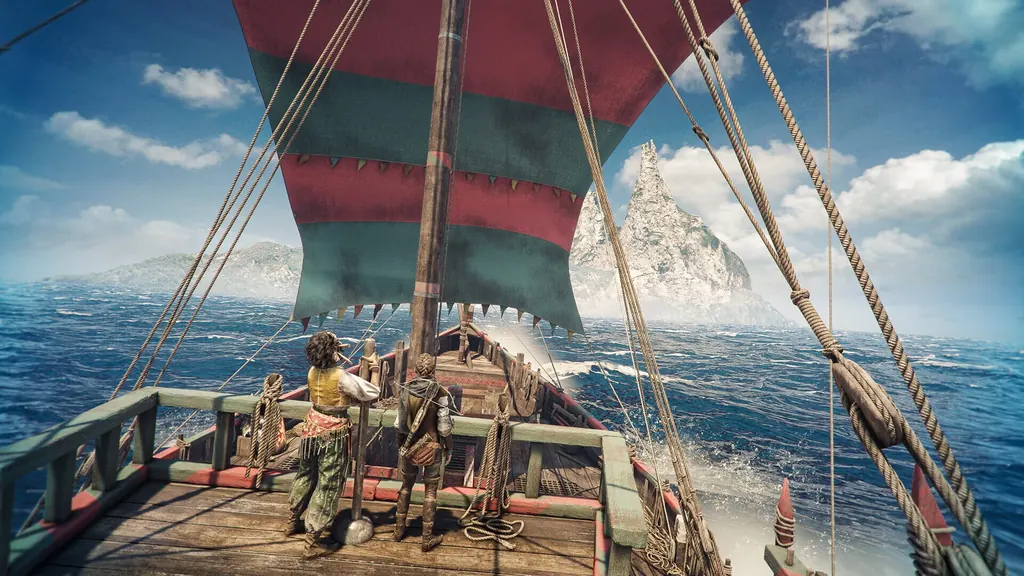
Release, platforms, and critical reception
The survival epic A Plague Tale: Requiem was not only a narrative milestone for the series but also a considerable achievement in terms of market reach. Developed by Asobo Studio and published by Focus Entertainment, the game had its official launch on October 18, 2022. This release marked the arrival of Amicia and her protector into a new and devastating chapter of their journey, solidifying the title in the landscape of third-person action-adventure and stealth games.
One of the most notable aspects of the launch was its vast platform support. Asobo Studio ensured that the Requiem experience was available across a diverse range of systems, including PlayStation 5, Xbox Series X/S, Nintendo Switch, and Windows. This cross-platform availability not only expanded the potential audience but also ensured that the narrative of desolation and resistance reached players across various console and PC ecosystems. For players, this meant the ability to follow the story on their preferred device, reinforcing the developer’s commitment to the title’s accessibility.
Requiem’s success was quickly confirmed both commercially and critically. The game not only captivated players but also achieved significant industry recognition. The critical reception was overwhelmingly positive, with the title receiving scores rated as “generally favorable” on review aggregators like Metacritic. This professional endorsement validated the technical effort and narrative depth employed by the team, which included talents such as artist Olivier Ponsonnet and composer Olivier Deriviere.
Beyond specialized criticism, the visibility of A Plague Tale: Requiem was solidified at major industry events. The game was not only a highlight at press events but also gained notoriety at events like The Game Awards 2022. This recognition is not just an award, but a testament to the cultural impact and technical excellence the game managed to imprint on its gameplay, making it one of the most talked-about titles of the year. The commercial success, which brought the game to millions of players, coupled with critical acclaim, established Requiem as a heavyweight title, capable of sustaining the series’ legacy and paving the way for future continuations.
📊 A Plague Tale: Requiem Launch Details
| Item | Detail | Information |
|---|---|---|
| Developer | Asobo Studio | Game Creator |
| Publisher | Focus Entertainment | Responsible for distribution |
| Release Date | October 18, 2022 | Series Milestone |
| Platforms | PS5, Xbox Series X/S, Switch, Windows | Cross-Platform Availability |
The series legacy and future continuations
A Plague Tale: Requiem is not just a video game title; it represents the peak of an epic survival saga. As the second installment in the series, it positions itself as a direct and crucial continuation of the events narrated in A Plague Tale: Innocence. For those interested in the origin of this narrative, it is worth checking out who created A Plague Tale: Innocence. The success of Requiem not only solidified the names of Asobo Studio and Focus Entertainment in the global gaming scene but also set a new standard for the historical action-adventure genre. The depth of the universe is one of the game’s pillars, demonstrating a narrative commitment that transcends the life cycle of a single title.
Expanding the Universe
To build a convincing legacy, the developers had to expand the map and mythology of medieval France. While the first game unfolded in specific settings, Requiem drastically expanded the geographical scope. The setting moved from the somber Aquitaine to the vibrant and colorful Provence. This change was not merely aesthetic; it served a deep narrative purpose, as pointed out by lead writer Sébastien Renard: to create a “sharper contrast between the harsh reality of the medieval setting, where terrible events were happening, and beautiful, sometimes unknown environments.” This richness of geographical detail, complemented by the introduction of new locations like ports and markets, ensures that the puzzle-solving and navigation experience is constantly renewed, giving the player new progression options in every journey.
The commitment to historical authenticity, maintained through collaboration with experts like Medieval History physician Roxane Chila, reinforces the series’ legacy character. The characters, such as Amicia and Hugo, are placed in a context that demands precision and rigor, turning every encounter and every landscape into a storytelling element. This dedication to building a complex and vast world is what cements the potential for a lasting franchise, capable of sustaining multiple narratives and jumping through different regions of history.
The Saga’s Impact on the Market
The apex of this legacy was marked by the release of A Plague Tale: Requiem on October 18, 2022. The title launched on an impressive variety of platforms, including PlayStation 5, Xbox Series X/S, Windows, and Nintendo Switch. This vast platform support not only maximized the game’s market reach but also signaled its status as a major franchise. The development on a modern graphics engine, such as Zouna, and the ability to render over 300,000 rats simultaneously on next-generation consoles, underscore the technical and artistic feat that sustained the work’s commercial and critical success.
In summary, A Plague Tale: Requiem is not just a sequel; it’s a culmination. It uses the narrative of survival and the terror of the Black Death to build a robust universe, a legacy that not only honors previous events but, by its scale and detail, paves the way for future continuations and explorations of the Amicia family’s story.
Glossary
- Stealth: A gameplay mechanic that allows the character to move and act without being detected by enemies.
- Prima Macula: A mysterious blood disease that plagues the main characters, and is the central focus of the search for a cure.
- Provença: The French region where the action takes place, chosen for its more vibrant color palette compared to the previous setting.
- Lute: A stringed musical instrument characteristic of the medieval period, used to compose the ambient sound of the game.
- Nyckelharpa: A Scandinavian medieval musical instrument that complements the game’s orchestral soundtrack.
- Zouna: The graphics engine used in the game’s development, responsible for bringing the vast universe of Requiem to life.
Frequently Asked Questions
To which game is A Plague Tale: Requiem a direct sequel?
The story continues the events narrated in the first part of the saga. The game is set in a period of desolation and fear, six months after the previous events, focusing on the struggle for survival in a world devastated by the Black Death.
Who is Amicia and what is her role in the plot?
Amicia is the protagonist and the main survivor of the journey. She takes on the role of protector to Hugo de Rune. Her determination to protect her brother and find a cure, even if it requires drastic decisions, drives the narrative of escape and mystery.
In what historical period is the game set, and what is the main threat?
The setting is 14th-century France. The main threats are the Black Death and the mysterious Prima Macula, a blood disease that afflicts the characters. Players must navigate a world of desolation, confronting both the plague and human conflict.
On which platforms will the game be available after release?
The title was released across a wide spectrum of devices. It is available for PlayStation 5, Xbox Series X/S, Windows, and in a specific version, for Nintendo Switch.
Are there any planned prequels or spin-offs for the A Plague Tale series?
Based on available information, there are no details regarding the production of an official prequel or spin-off for the A Plague Tale series. The main narrative focus remains on Amicia and Hugo’s journey to find answers and a cure.
Conclusion
The journey of A Plague Tale: Requiem is an eloquent testament to how the convergence of historical rigor and artistic vision can create an epic, immersive experience. Far from being just a game, the title establishes itself as a complex cultural mosaic, where Asobo Studio’s French talent orchestrated not only a survival narrative but a deep dive into 14th-century France. The commitment to authenticity, evidenced by the collaboration with experts like Roxane Chila and the change of setting to Provence, ensures that the audience doesn’t just watch the story, but lives it in every detail, from the architecture to Olivier Deriviere’s orchestral musical composition.
Technically, the achievement is monumental. The game not only stands out for its ability to render over 300,000 rats simultaneously, reinforcing the threat of the Black Death, but also for how it uses drama to question dogma. The journey of Amicia and Hugo unmasks the fallacy of miraculous cures and exposes the danger that lies not only in the plague, but in the control exerted by institutions like the Order. This synergy between director Kevin Choteau and screenwriter Sébastien Renard elevates the survival genre to a level of social critique, transforming tension into a commentary on human nature.
Ultimately, the success of the project lies in its ability to reconcile visual spectacle with philosophical density, showing that the real battle is not against a swarm, but against ignorance. By understanding the magnitude of this collaborative work, the reader is invited to reflect: what myths and dogmas still control our own stories of survival?