Read this article in: Portuguese (Português) · Spanish (Español)
Little Nightmares II is a puzzle-platform and horror adventure game developed by Tarsier Studios and published by Bandai Namco Entertainment. The story follows Mono, a boy, and Six, the protagonist from the first title, as they try to survive the horrors and unravel the secrets of the mysterious Pale City. The narrative, written by David Mervik, immerses the player in a dark and claustrophobic universe, where survival depends on the characters’ cooperation and the solving of complex enigmas. It is this combination of elements that establishes the tone of suspense and the visual appeal that made the game a landmark in the survival horror genre.
The relevance of Little Nightmares II is proven by both its development and its commercial impact. The game was initially announced at Gamescom 2019 and had its main release on February 11, 2021, available on platforms such as Nintendo Switch, PS4, and Windows. Furthermore, its quality and atmosphere were quickly recognized by the public, achieving massive success by selling one million copies worldwide in just one month. The franchise, which already boasts a rich story and iconic characters, also demonstrated its capacity for evolution with the enhanced version, the Enhanced Edition, developed by Supermassive Games and released later.
In this article, we will uncover the entire complex story behind this acclaimed title. We will cover everything from the complete team of creators and developers, through the origin of the idea and the evolution of the narrative, to the technical production challenges that shaped the Pale City. We will analyze the gameplay and the mystery surrounding Mono and Six, tracing the game’s journey across its various platforms, and finally, we will review the critical reception, sales, and lasting legacy that Little Nightmares II left on the video game scene.
Key Points
- The game is a puzzle-platform and survival horror title, focused on single-player gameplay.
- The story unfolds in the Pale City, a mysterious setting that guards secrets and the Signal Tower.
- The experience is built on Unreal Engine 4, ensuring detailed and gloomy visual ambiance.
- The gameplay focuses on stealth and cooperation between Mono and Six, with no direct combat.
- The release occurred in phases, with versions for PS5/Xbox Series X/S on August 25, 2021.
Little Nightmares II in summary
| Series | Little Nightmares |
|---|---|
| Genre | Puzzle-platform, survival horror |
| Developer | Tarsier Studios; Supermassive Games (Enhanced Edition) |
| Publisher | Bandai Namco Entertainment |
| Directors | Per Bergman; Gustaf Heinerwall; Dennis Talajic; Viktor Lidäng |
| Writer | David Mervik |
| Composer | Tobias Lilja |
| Platforms | Google Stadia; Nintendo Switch; PlayStation 4; PlayStation 5; Windows; Xbox One; Xbox Series X/S |
| Mode | Single-player |
The team behind the horrors: creators and developers
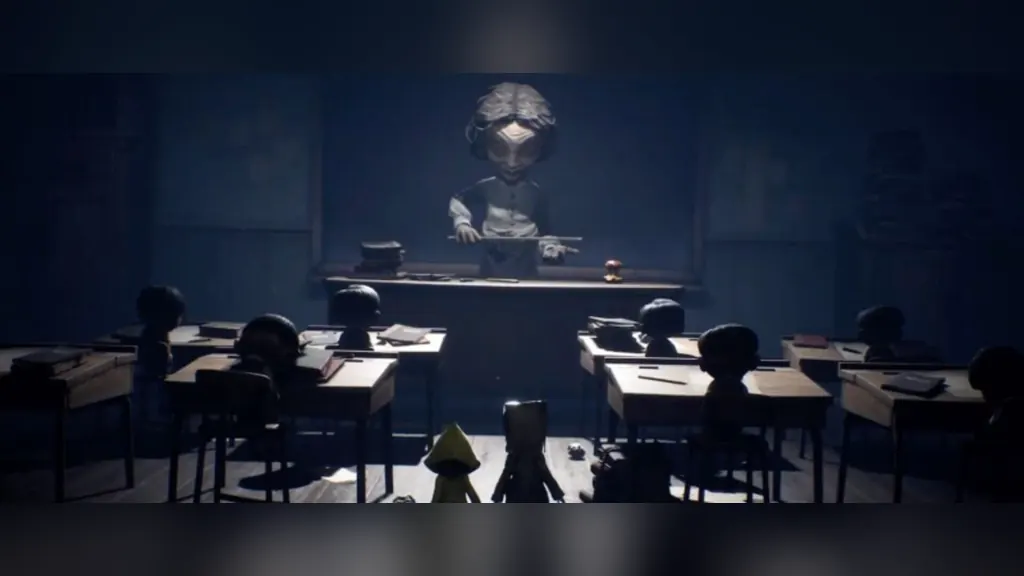
Creating a title as atmospheric and visceral as Little Nightmares II is always the result of a complex and meticulous collective effort. Behind the terror and dark beauty surrounding the Pale City is a multidisciplinary team of talents who united their visions. The heart of this project was Tarsier Studios, the main developer, which was responsible for materializing the world. If you are interested in horror stories, you can check out the story behind Outlast 2, as the publishing and distribution were, in turn, coordinated by Bandai Namco Entertainment, ensuring the franchise could reach a global audience.
The Creative Pillars
The game’s atmospheric success lies in the synergy of its creative leads. The overall vision was guided by a group of directors, including Per Bergman, Gustaf Heinerwall, Dennis Talajic, and Viktor Lidäng. They were the architects who guided the narrative and tone, ensuring that every detail contributed to the sense of danger and helplessness. Complementing this directorial vision, the production team, composed of Ernst Ten Bosch, Henrik Larsson, Paul Allen, and Petra Pinho, was fundamental in keeping the project moving, managing the complexity of a platform horror game.
World-building and emotional impact are the fruits of specific talents. David Mervik is credited as the screenwriter, responsible for the narrative preceding the events of the first game. The visual design was enhanced by designers such as Hilda Lidén and Andreas Palmgren, while the art and aesthetics were carefully crafted by artists like Per Bergman, Kristofer Ling, and Sebastian Bastian Claesson. The soundtrack, in turn, is a crucial element for immersion, composed by Tobias Lilja, whose compositions elevate suspense to palpable levels. The contribution of João Xavier, Peter Akrill, and Joel Jansson to the programming ensured that the game engine, built on Unreal Engine 4, functioned with the necessary fluidity to sustain the survival gameplay.
The Engine Behind the Terror
The collaboration among these professionals is what defines the Little Nightmares II experience. If the direction and writing establish the story, the programmers, such as João Xavier, Peter Akrill, and Joel Jansson, ensure that the platforming mechanics and puzzles work perfectly, whether on Nintendo Switch, PlayStation 4, or the latest platforms like the PlayStation 5 and Xbox Series X/S. Even with the addition of a technical partner, like Supermassive Games on the Enhanced Edition, the driving force of the title remains the original team’s ability to blend psychological horror with an incredibly detailed world design. It is this orchestration of minds—from script to programming, passing through music and art—that solidifies Little Nightmares II as a masterpiece of puzzle horror.
📌 Creative Team by Function
- Lead Developer: Tarsier Studios
- Creative Directors: Per Bergman, Gustaf Heinerwall, Dennis Talajic, and Viktor Lidäng
- Writer: David Mervik
- Composer: Tobias Lilja
- Programmers: João Xavier, Peter Akrill, and Joel Jansson
The Origin of the Idea and the Evolution of the Narrative
The journey of Little Nightmares II is not just a chronological continuation; it is a thematic and narrative expansion that promises to deepen the dark universe already established in Little Nightmares (2017). The idea of following up on the first title stemmed from a desire to take players beyond the claustrophobic walls of the first game. The crucial moment of announcing this new chapter was at Gamescom 2019, when the public was introduced to the idea that the story would continue to unfold, forcing the developers to raise the level of mystery and the complexity of the world.
Deepening the Mystery
While the first game focused on visceral survival within an almost enclosed environment, the narrative of Little Nightmares II aimed to broaden the scope. The story moves through time and space, plunging into an even vaster and more dangerous world. This deepening is fundamental to the franchise’s mythology because it allows the narrative to focus not just on escape, but on the search for answers about what truly happened to the characters and the world surrounding them; to better understand this construction, it is worth checking who created Little Nightmares. It is in this context that the game introduces crucial narrative elements, such as the character Mono and the enigmatic location known as the Pale City.
📘 The Pale City
It is an enigmatic location that functions as a catalyst for the franchise’s lore. Here, the protagonists are forced to interact with more elaborate threats, guarding crucial secrets to the story.
The mystery of the Pale City and the presence of Mono are not mere additions; they represent the narrative engine driving the second part of the story. The Pale City functions as a catalyst for the lore, a place that holds secrets and forces the protagonists to interact with even more elaborate threats. The game’s design, therefore, becomes a vehicle for exploring a rich universe, where every corner might hide a new enigma and a new level of danger. This narrative evolution ensures that the player is not just facing monsters, but also deciphering a complex existential puzzle about the nature of survival.
In summary, the evolution of the narrative in Little Nightmares II transforms the experience from a simple platformer into an investigative journey. By introducing new characters and a vast, mysterious setting like the Pale City, Bandai Namco Entertainment and Tarsier Studios didn’t just continue a story; they expanded an entire universe, promising fans an even deeper immersion into the terror and mystery that define the series, while also acknowledging that other viral titles, such as multiplayer horror games, also captivate the public.
Technical Development and Production Challenges
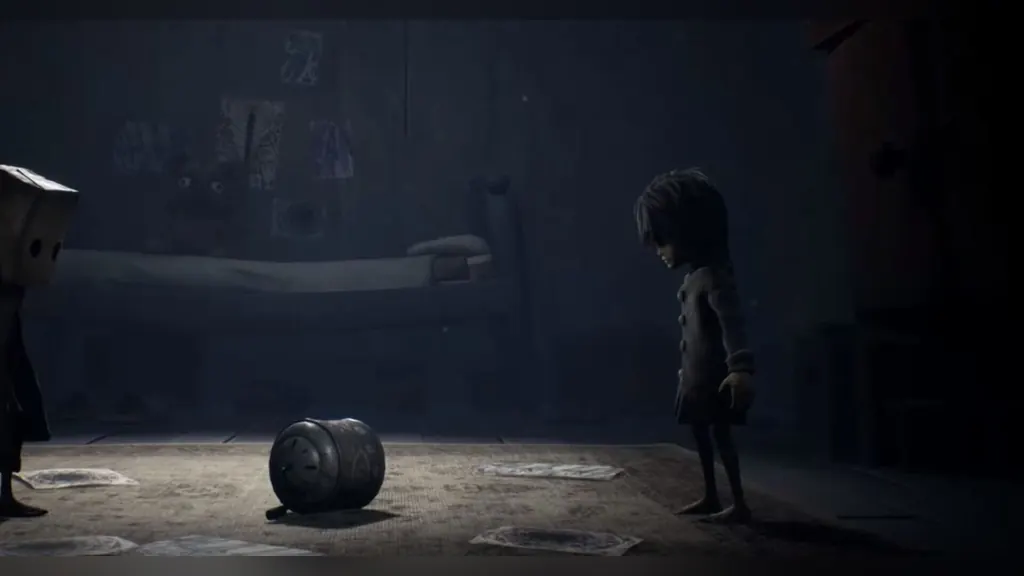
Creating a title with the atmospheric depth of Little Nightmares II is an achievement that transcends mere game development; it constitutes a meticulous effort of creative engineering. Under the direction of Tarsier Studios, and with the participation of figures like Per Bergman, David Mervik, and Tobias Lilja, the project was built upon a robust technological foundation: Unreal Engine 4. This choice of graphics engine was fundamental in allowing the developers to translate the dark and detailed vision of the universe, ensuring a level of lighting and ambiance crucial for the survival horror genre.
The Challenges of Scaling the Horror
One of the biggest production challenges was precisely the transition from a visceral and almost contained survival environment, as seen in the first game, to a much larger-scale setting focused on the mystery of the Pale City. Maintaining palpable tension and a sense of danger in a more open journey required the design team, including Hilda Lidén and Andreas Palmgren, to be extremely rigorous. The developers had to not only expand the map but also refine the puzzle-platforming gameplay, ensuring that the action never became overly complex or that the pacing was broken by too many mechanics.
The development path was also marked by significant adjustments. Initially, the team considered the possibility of a co-op mode but quickly abandoned the idea to maintain narrative integrity, a crucial move to preserve the focus on the individual experience and the solitude of Mono and Six. This creative discipline, combined with a tight schedule, demanded resilience, especially after the initial announcement for 2020, which was postponed due to the COVID-19 pandemic and the need for “more time and love” for the project. The game was officially released on February 11, 2021.
Adaptation and the Technical Future
The life cycle of a highly appealing title like this demands constant technical adaptation. To ensure that the horror and mystery experience was delivered on the most modern platforms, Supermassive Games took on the responsibility of creating the Enhanced Edition. This technical undertaking is not merely a matter of portability, but of graphical and performance enhancement, aiming to optimize gameplay on next-generation consoles, such as the PlayStation 5 and Xbox Series X/S. This update guarantees that the visual atmosphere and puzzle-platform performance remain flawless, fulfilling the promise of a modern and enhanced experience.
In summary, the development of Little Nightmares II is a testament to a team’s ability to maintain artistic cohesion and technical rigor even when faced with scope changes and technological challenges. The fusion between David Mervik’s narrative vision and the rendering capabilities of Unreal Engine 4 allowed the developers not only to continue the story but to deepen the dark universe in an unprecedented way.
The Gameplay and Mystery of the Pale City
The Little Nightmares II experience is deeply rooted in the puzzle-platform genre and survival horror. The player controls Mono, a boy with a curious gaze, who must explore a three-dimensional world, facing a series of platforming situations and complex enigmas that require solving to proceed. The main focus is not direct combat, but rather stealth and the intelligent use of the environment. Mono has specific abilities, such as the capacity to grab and swing certain objects to dismantle barriers or defend against minor threats. However, the danger lies with the larger antagonists, against whom survival depends exclusively on discretion and knowledge of the surroundings.
The Duo’s Dynamic in Danger
The heart of the gameplay lies in the symbiotic relationship between Mono and Six. Although Six is a computer-controlled character, the player is encouraged to maintain the connection with her, able to call her or hold her hand to ensure they stay together. This partnership is vital, as the two must act together to solve environmental puzzles or to neutralize threats that require, for example, the handling of a long-range weapon. The mystery and progression are structured around this collaboration, forcing the player to think not only about how to overcome an obstacle, but how to make the two characters work in perfect synchronization.
The Pale City and the Engine of Mystery
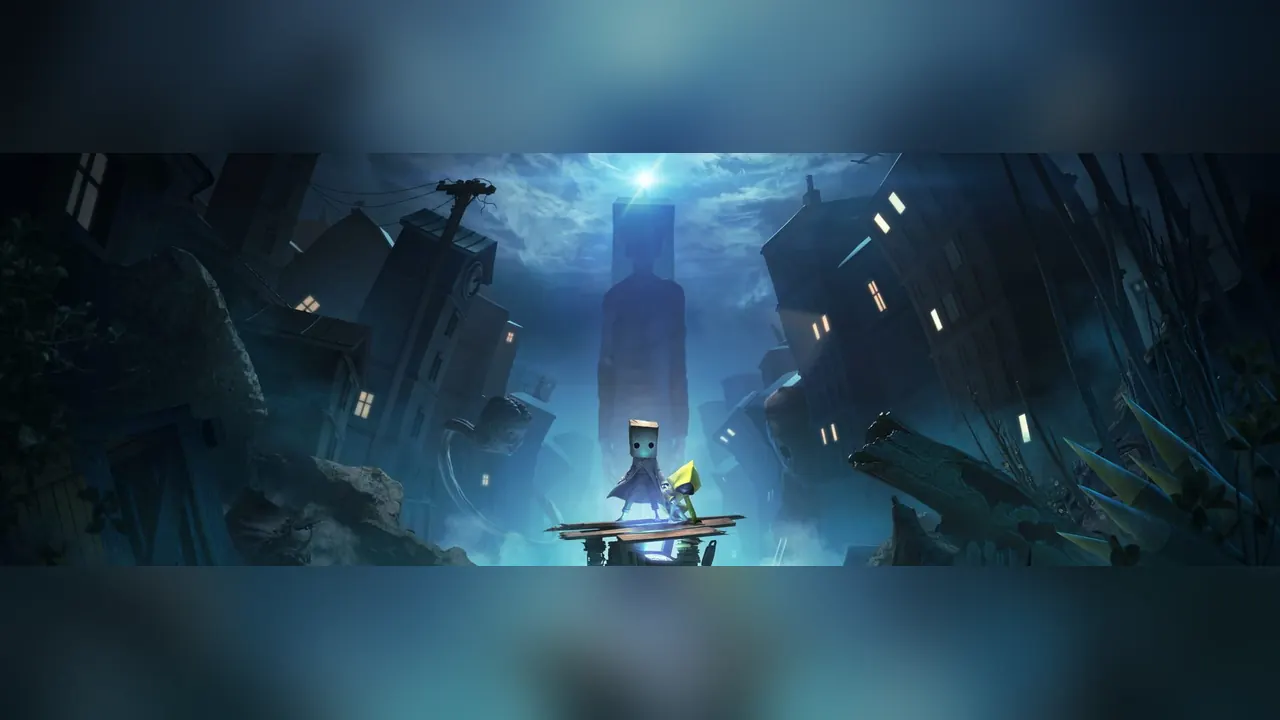
The main setting is Pale City, a location shrouded in fog and rain, and filled with old televisions. This oppressive and decaying environment serves as the stage for the investigation of dark secrets. The protagonists’ goal is to infiltrate the imposing Signal Tower. This structure is not merely an architectural landmark; it emits a Transmission that controls the city’s inhabitants, known as “Viewers,” whose faces have been distorted by prolonged contact with television content. The Tower and Pale City, therefore, represent the narrative engine that drives the second part of the story, transforming simple exploration into a journey of investigation into what lies behind this constant signal.
Beyond the narrative, exploration is rewarded with the collection of items like hats and “glitching remains.” The latter are particularly important because, when collected in their entirety, they unlock additional scenes, deepening the player’s knowledge of the universe. The game, in short, combines the tension of survival horror with the intellectual satisfaction of a complex puzzle, where every step and every discovery in Pale City reveals more about the mysterious nature of the Signal Tower.
Release, Platforms, and the Game’s Trajectory
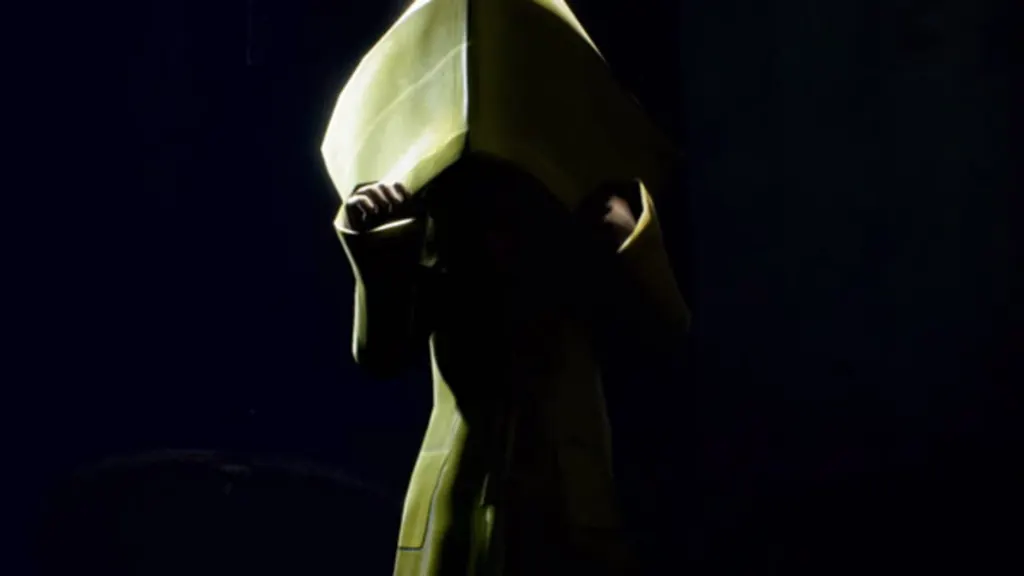
The trajectory of Little Nightmares II was marked by a cycle of anticipation, delays, and finally, a release across multiple generations of consoles and platforms. The title’s development, led by Tarsier Studios, underwent significant adjustments, initially announced for a 2020 release during Gamescom 2019. However, the schedule was impacted by global events, notably the COVID-19 Pandemic, which led to a postponement of the debut date.
The Initial Release and Platform Availability
Despite the delays, the mystery of Pale City and the relationship between Mono and Six continued to build public anticipation. Before the official launch, a game demo was released on October 30, 2020, allowing fans a glimpse of the dark atmosphere and survival platforming gameplay. The full release was then scheduled for February 11, 2021. On this date, the game was available on a wide range of systems, including Google Stadia, Nintendo Switch, PlayStation 4, Windows, and Xbox One.
Availability on multiple platforms not only ensured global reach but also reflected the complexity of a major title’s life cycle. Commercial success was visible just one month after the launch; for instance, in Japan, the Nintendo Switch version was the third best-selling retail game in its first week, while the PlayStation 4 version also performed strongly, selling 11,163 copies during that period.
Updates and Support for Newer Generations
The development and support cycle for a high-caliber title like Little Nightmares II required constant adaptations to keep pace with the evolving technology of consoles. After its initial release in 2021, the game received a crucial update for the latest hardware generations. The enhanced versions launched on August 25, 2021, making the title available for PlayStation 5 and Xbox Series X/S consoles. This progression not only modernized the visual and technical experience but also maintained the franchise’s strength, with Bandai Namco Entertainment announcing its intention to continue supporting the dark universe in future iterations.
In summary, the journey of Little Nightmares II is a testament to a team’s ability to maintain artistic cohesion and technical rigor, adapting from one generation of consoles to the most advanced, ensuring that the public could dive into the mystery of the Pale City regardless of the hardware they used.
🕒 Little Nightmares II Timeline: From Announcement to Cross-Platform Support
- Gamescom 2019 — Initial game announcement, marking the beginning of the build-up.
- October 30, 2020 — Release of a game demo, allowing fans to experience the atmosphere and gameplay.
- February 11, 2021 — Initial full launch, available on Google Stadia, Nintendo Switch, PS4, Windows, and Xbox One.
- August 25, 2021 — Release of crucial updates for the latest generations, including PlayStation 5 and Xbox Series X/S.
Critical Reception, Sales, and the Series Legacy
The success of Little Nightmares II was not limited to its ability to revive the inaugural atmospheric horror; it represented a milestone of technical and artistic excellence. The critical reception was notably favorable, praising not only the maintenance of the oppressive and visceral atmosphere of the Pale City but also the significant improvements in quality of life and gameplay. Critics highlighted how the team managed to expand the world’s scope cohesively, while keeping the focus on tension and mysterious exploration. The game proved to be an excellent example of how a niche title can achieve a level of polish that appeals to both survival horror purists and a broader audience that appreciates visual storytelling.
Commercial Triumph and Franchise Evolution
From a commercial standpoint, the series’ strength is undeniable. The first game had already captured a massive audience, selling over 2 million copies, setting a strong precedent for the sequel. The release of Little Nightmares II, although marked by delays—initially postponed due to the COVID-19 pandemic—finally occurred on multiple platforms. The title debuted on February 11, 2021, on systems such as Google Stadia, Nintendo Switch, PlayStation 4, Windows, and Xbox One. It was later released for the newer generations, PlayStation 5 and Xbox Series X/S, on August 25, 2021. This multi-phase release strategy, while complex, ensured global reach and solidified the enduring appeal of the intellectual property for different user demographics and console generations.
However, the true testament to the series’ legacy lies in the vision for the future that developer Tarsier Studios managed to maintain. In August 2023, at a highly visible event like Gamescom, the highly anticipated Little Nightmares III was announced. This announcement not only reignited global excitement but also signaled the franchise’s maturation. Although the timeline underwent adjustments—initially slated for 2024 but pushed to 2025—the commitment to a continuation established a cycle of anticipation and expectation that is vital for any major entertainment franchise.
The announcement and subsequent development of Little Nightmares III, which finally launched on October 10, 2025, transformed the series from an indie platform success into a long-term phenomenon. This development cycle, which navigated delays and technical adaptations, not only secured the artistic survival of the horror formula but also cemented Little Nightmares‘s legacy as one of the most compelling and technically successful narratives in the indie horror scene.
Glossary
- Puzzle-platform: A game genre that combines platforming mechanics with environmental puzzle-solving.
- Survival Horror: A horror genre focused on resource scarcity and the necessity of stealth to survive threats.
- Unreal Engine 4: A robust graphics engine used to create the visual environment, ensuring detailed lighting and ambiance.
- Pale City: The game’s main setting, an oppressive and decaying location, shrouded in fog and filled with secrets.
- Enhanced Edition: An upgraded version of the game, optimized for modern consoles, improving graphics and performance.
Frequently Asked Questions
What is the difference between the versions of Little Nightmares II?
The main difference lies in the Enhanced Edition, developed by Supermassive Games. This technical upgrade is not just about portability, but a graphical and performance enhancement. It aims to optimize the horror and mystery experience, ensuring that the puzzle-platforming gameplay remains flawless on next-gen consoles.
Is Little Nightmares II as scary as the first game?
Yes, the game maintains a visceral, survival horror atmosphere. Although the narrative scope expands into a larger world, the focus remains on tension and danger. The threat doesn’t just come from monsters, but also from existential mystery and the constant need for stealth to survive.
Who are the characters Mono and Six, and what is their role in the story?
Mono is the protagonist, a curious boy who must explore the world. Six is a computer-controlled character. They form a vital partnership, as they must act in sync to solve environmental puzzles and neutralize threats. Their relationship is the driving force behind the progress and investigation.
What is the sequel to Little Nightmares II? Will there be a third game?
Little Nightmares II is a thematic and narrative expansion that deepens the dark universe of the franchise. The story advances in time and space, diving into the mystery of the Pale City and the Signal Tower. Currently, the focus is on exploring this rich universe, transforming the experience into a deep investigative journey.
On which platforms can Little Nightmares II be played?
The game has been released and is available on several platforms. It can be played on Nintendo Switch, PlayStation 4, PlayStation 5, Windows, Xbox One, Xbox Series X/S, and Google Stadia. This wide availability ensures that the horror and mystery experience reaches a global audience.
Conclusion
The journey of Little Nightmares II transcends a mere continuation of a horror story; it represents a complex feat of creative engineering. The atmospheric success and palpable sense of danger permeating the Pale City are the result of a meticulous orchestration of talents. From the directorial vision of figures like Per Bergman and the writing of David Mervik, to the immersive soundtrack by Tobias Lilja and the technical robustness guaranteed by Unreal Engine 4, every component was designed to sustain a rich and dangerous universe. This synergy between art, narrative, and programming is what solidifies the title as a masterpiece of the genre.
The major production challenge was precisely expanding the scope of a claustrophobic horror while maintaining tension in a vast setting. By delving into the mystery of the Pale City, the narrative is not limited merely to escape, but transforms into an existential puzzle, forcing the player to decipher the secrets of Mono and the world. This thematic evolution, coordinated by Tarsier Studios and distributed by Bandai Namco Entertainment, ensures that the experience is simultaneously a platformer and a profound journey of investigation.
Thus, Little Nightmares II proves that a title’s strength lies not only in its monsters but in its team’s ability to blend psychological horror with incredibly detailed world design. It is this creative discipline and respect for the mythology that make the experience so captivating. If you are looking for a deep dive into horror that challenges logic and survival, it’s time to prepare to uncover the darkest secrets.