Read this article in: Portuguese (Português) · Spanish (Español)
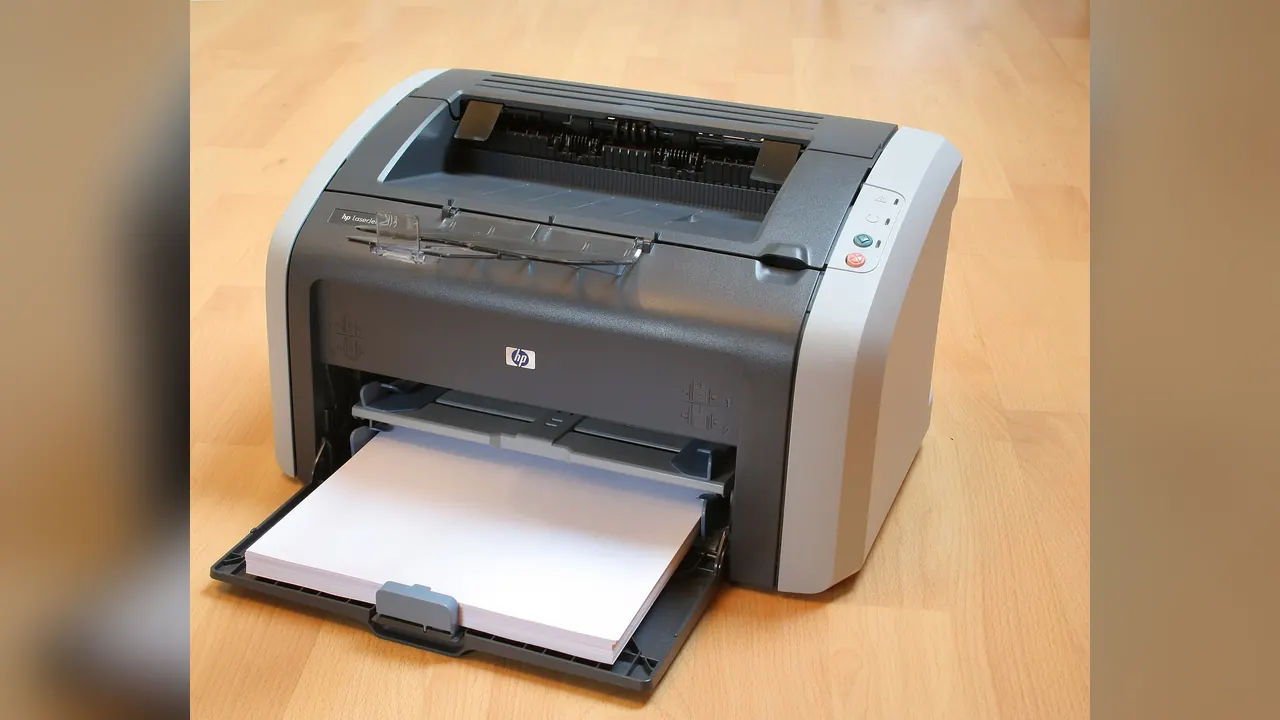
A laser printer is a high-tech device that revolutionized the way text and graphics are reproduced on paper. Although the development of this machine was an evolutionary process, modern operation is based on the use of a modulated laser beam to create electrostatic images. This high-quality printing process is detailed: the laser sends the information to a photosensitive drum, which creates the image. Next, a fine powder called TONER adheres only to the sensitized areas. When the drum passes over the sheet, the powder is transferred, passing through a crucial heater, the FUSER, which permanently fixes the letters and images onto the page. The sophistication of this system, which is divided into units such as the Laser Unit, the Toner Cartridge, and the Fusing Unit, ensures unparalleled precision results.
The relevance of the technology is not limited only to its print quality; it is intrinsically linked to the infrastructure of the information age. The process operates through multiple complex technical steps, such as creating the photosensitive drum and transferring the powder. Furthermore, the discussion surrounding this machine is not purely technical, but also scientific and social. There is ongoing research investigating whether the energy released during printing poses any risk to living organisms, a debate that draws the attention of NGOs and the scientific community, demonstrating the ethical and health impact of the technology.
In this article, we will delve deep into the history of laser printing. We will begin with the genesis of the technology, contextualizing the challenge it solved for the market. Next, we will detail how the process works, step by step, and explore the technical architecture behind the essential components. We will analyze the evolution from industrial prototype to home use, discuss its impact and legacy in the information age, and finally, address the controversies and current debate regarding the safety and future of this technology.
Key Points
- The laser is an optical phenomenon that generates coherent and focused light, which is the basis for printing technology.
- The laser process manipulates electrostatic charges and dry powder (toner), not liquid pigments.
- The laser acts as a ‘charge writer,’ creating an electrical negative on the photosensitive drum.
- The fuser is crucial because it uses heat and pressure to melt and solidify the toner onto the paper fibers.
- The technology surpassed mechanical methods, offering high speed, resolution, and low operational wear.
The Genesis of Digital Printing: Who Conceived the Technology
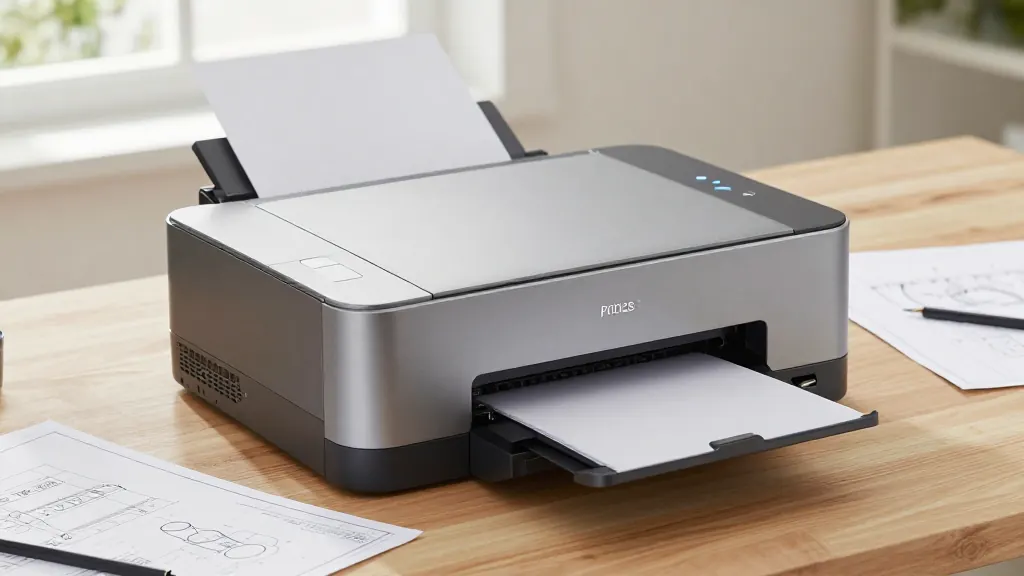
The history of the laser printer is not the story of a single invention, but rather the convergence of scientific advancements and applied engineering. To understand who “invented” the technology, one must first situate the fundamental component: the laser. The laser, an acronym for Light Amplification by Stimulated Emission of Radiation, is an optical phenomenon that has been the subject of intense scientific research throughout the 20th century. Its theoretical and practical development paved the way for any device that utilized coherent and focused light, and it is fascinating to learn about the history of wearable devices.
The Pioneers and the Scientific Context
The concept of light amplification by stimulated emission did not originate from a single laboratory. It was the result of decades of research in atomic physics and optics. The first significant advances were the development of laser diodes and the use of gases as amplification media. However, it was in the application of these principles that the printing challenge was launched. The transition from the physics lab to the printing room required the creation of a complex system capable of controlling, measuring, and depositing light energy with nanometric precision.
📘 Laser
An acronym for Light Amplification by Stimulated Emission of Radiation, it is an optical phenomenon that refers to the amplification of light through stimulated emission. It is the fundamental component that provides coherent and focused light for the printing process.
The crucial milestone for the commercialization of laser printing is intrinsically linked to technology giants and their researchers. Although numerous scientists contributed to the theory of the laser, the development of the functional prototype and the advancement to a usable printing system are credited to pioneers who managed to integrate optical physics with image chemistry. The development context was marked by the search for a method that offered higher speed, better resolution, and lower operating cost compared to previous photomechanical methods.
The Materialization of Laser Printing
The materialization of laser printing into a usable commercial format involved the work of several companies. One of the most cited moments is the advancement in prototypes that demonstrated the feasibility of using the laser not only for communication but for recording images on a substrate (paper). These initial prototypes were vital in proving that it was possible to create a complete digital imaging process, from the electronic signal to the solid pigment.
Subsequent development led to the creation of machines that standardized the process. The integration of components such as electrophotographic cylinders (which electrically charge the image), toner (the pigmented powder), and the laser (which acts as the image’s “writer”) formed a closed, high-precision cycle. Thus, what we today know as a laser printer is the result of sophisticated engineering that overcame the challenge of transforming a laboratory physical phenomenon into a robust and accessible office tool, setting a new standard for information reproduction in the digital age.
The Historical Context and the Challenge the Laser Solved
Before the optical revolution brought by the laser, the corporate printing landscape was dominated by mechanical methods that, while revolutionary in their day, carried inherent limitations in quality, speed, and flexibility. Offices were primarily equipped with impact printers, and the most advanced advancements were seen in daisy-wheel or dot-matrix printers. These machines operated using pins that struck an ink ribbon, creating the characteristic sound and the visible dot pattern for every character.
The Limitations of the Mechanical World
Despite being fundamental to document digitization and administrative growth, impact and matrix printing systems were limited by their physical nature. Print quality, for example, was intrinsically tied to the number of dots that could be generated. While legible text could be achieved, the ability to reproduce drawings, graphs, or any complex visual element was minimal. Each character was the result of a mechanical impact, which caused rapid wear on components and, consequently, high maintenance costs and often slow workflows.
The need for high speed and, most importantly, the demand for a print fidelity approaching professional typesetting created a technological bottleneck. Mechanical processes simply could not keep pace with the growing complexity of information in the second half of the 20th century. Engineering and science professionals were thus seeking a way to print not just text, but also the visual quality and precision of an artistic drawing, without the wear and noise inherent in pin and impact systems.
The Leap to Optical Precision
It was in this context of mechanical limitations that the laser emerged as the paradigm solution. While previous printers operated by physical force, the laser introduced optical precision. Instead of using pins and physical ink to create each letter, the technology harnessed light to create an electrostatic image on a cylinder. This paradigm shift was monumental: the process no longer depended on wearing moving components, but rather on a highly controlled beam of light.
This approach allowed for a leap from printing based on discrete dots to continuous, high-resolution reproduction. The laser not only increased printing speed but, crucially, raised the standard of graphic quality to an unprecedented level. It was the ability to manipulate light to create sharp, durable, and complex images on a large scale that finally solved the challenge of reconciling high speed, low operating cost, and professional quality, paving the way for the digital information age we know today.
📊 Comparison: Mechanical Printing vs. Laser Printing
| Feature | Impact/Dot Matrix Printers (Mechanical) | Laser Printers (Optical) |
|---|---|---|
| Operating Principle | Pins striking an ink ribbon (physical impact) | Light beam creating an electrostatic image |
| Graphic Quality | Limited by the number of dots generated; difficult to reproduce drawings | High resolution; continuous and high-fidelity reproduction |
| Wear and Maintenance | Rapid wear of moving components; high maintenance cost | Does not depend on wearing moving components |
| Main Limitation | Slowness and difficulty keeping up with the complexity of information | Allowed for the combination of high speed with professional quality |
How the laser printing process works, step by step
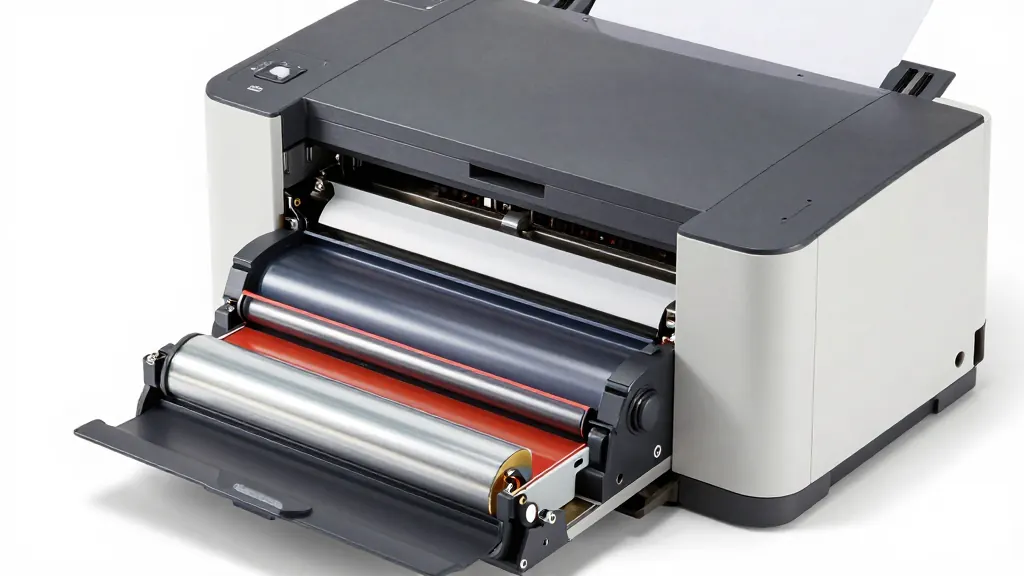
The laser printing process is a sequence of highly coordinated electrophotographic steps that transform a digital image into a high-quality physical document. Unlike inkjet printers, which deposit liquid pigments, laser technology manipulates electrostatic charges and fine powder. To understand this cycle, it is essential to visualize the main components: the laser unit, the photosensitive drum (also called the cylinder), the toner cartridge, and finally, the fuser unit. These elements work together to ensure the image is reproduced with millimetric precision.
The electrostatic imaging cycle
It all begins on the photosensitive drum. This cylinder is coated with a material that has electrostatic properties. In its normal state, the drum is uniformly charged with a static electric charge. The laser beam then takes action. It doesn’t “write” the text, but rather acts as a kind of “charge writer”: it interacts with the drum, discharging electricity in specific areas. It is the laser that precisely and instantly creates an electrical negative of the image to be printed. Think of the drum as a charged slate, and the laser as an eraser that removes the charge where there should be no ink.
In the next stage, known as developing, the toner—a fine, dry powder composed of polymers and pigments—is applied to the drum. The toner is designed to adhere selectively to the areas that retained the electrostatic charge from the laser. The regions that were “scanned” by the laser hold a charge that attracts the toner, while the surrounding areas, which were neutralized, repel the powder. Thus, the drum now carries an electrostatic image of toner, ready for transfer.
Transferring and Fusing the Image
The next step is transfer. A component inside the machine (usually a transfer roller) applies an even stronger electrostatic charge, forcing the toner to detach from the drum and adhere to the paper passing through the system. At this point, the text and graphics are already physically on the paper, but they are still just loose powder. For the image to become permanent, the most crucial step is needed: fusing. The paper and toner enter the fuser unit, which is a set of rollers heated to very high temperatures and pressed against each other. This intense heat and pressure cause the toner’s polymers to melt and chemically bond to the paper fibers. It is this fusing process that ensures the print is durable, water-resistant, and maintains its sharpness even after being handled.
In summary, the process is a cycle of energy manipulation: the laser creates the electrical image on the drum; the toner captures this image; and the heat and pressure of the fuser solidify the result. This sequence of events, which is fully automated, explains why laser printing is so fast and capable of delivering a graphic quality superior to older mechanical methods.
🔢 How Laser Printing Works: A 4-Step Cycle
- Drum Charging: The cylinder receives a uniform static electrical charge.
- Laser Writing: The laser beam discharges the charge in specific areas, creating an electrical negative.
- Developing: The toner (dry powder) selectively adheres to the areas charged by the laser.
- Transferring and Fusing: The toner is transferred to the paper and then melts and bonds chemically.
The Technical Architecture and Essential Components
A modern laser printer is not a single piece of machinery, but rather a sophisticated convergence of electronic and mechanical modules, each playing a critical role in transforming digital data into a high-fidelity physical document. To understand its operation, it is essential to analyze the technical architecture, which divides the system into specialized and interconnected components. It is the synergy of these units that guarantees the speed and quality that revolutionized the corporate environment.
Essential Components of the Laser Architecture
In technical terms, a laser printer is composed of at least five main units that operate in a coordinated sequence. Understanding each of these modules is fundamental to identifying both their mechanisms and potential points of failure:
- Power Supply: This module is the energy heart of the equipment. It provides the stable, regulated electrical power necessary to run all high-demand components, such as the laser and the fuser unit. Without a robust power supply, print precision and speed are compromised.
- Paper Feed and Transport System: Representing the mechanical component, this system is responsible for feeding the paper in the exact quantity and at the precise moment. It ensures that the physical substrate (the paper) reaches the printing point without jams, maintaining the machine’s working rhythm.
- Laser Unit: This is the device that generates the electrical image on the photosensitive drum. It does not print directly; rather, it creates a pattern of light energy that, in turn, charges the drum with the image to be transferred.
- Toner Cartridge: This module stores the dry, powdered printing material (the toner). It acts as the transfer agent, capturing the electrical image from the drum and depositing the pigment onto the paper.
- Fuser Unit: This is the final and crucial stage. Using intense heat and pressure, the fuser melts and solidifies the toner deposited on the paper. It is the process that makes the print permanent and resistant, ensuring the document’s longevity.
Beyond these primary units, the system is managed by control and support modules. The control board system acts as the printer’s “brain,” coordinating the data flow and communication between components. It is interesting to note how the evolution of complex systems, such as computing, also has a fascinating history; for example, you can learn more about who invented the virtual machine. Functionality is supplemented by the toner chip, which not only monitors the level of printing material but also ensures that the cartridge is correctly recognized and integrated into the machine’s workflow. It is this complexity of coordination—from the energy in the power supply, to the image in the laser, to the powder in the cartridge, and finally, to the heat sealing in the fuser—that defines the power and precision of laser printing technology.
Evolution and Adoption: From Industrial Prototype to Home Use
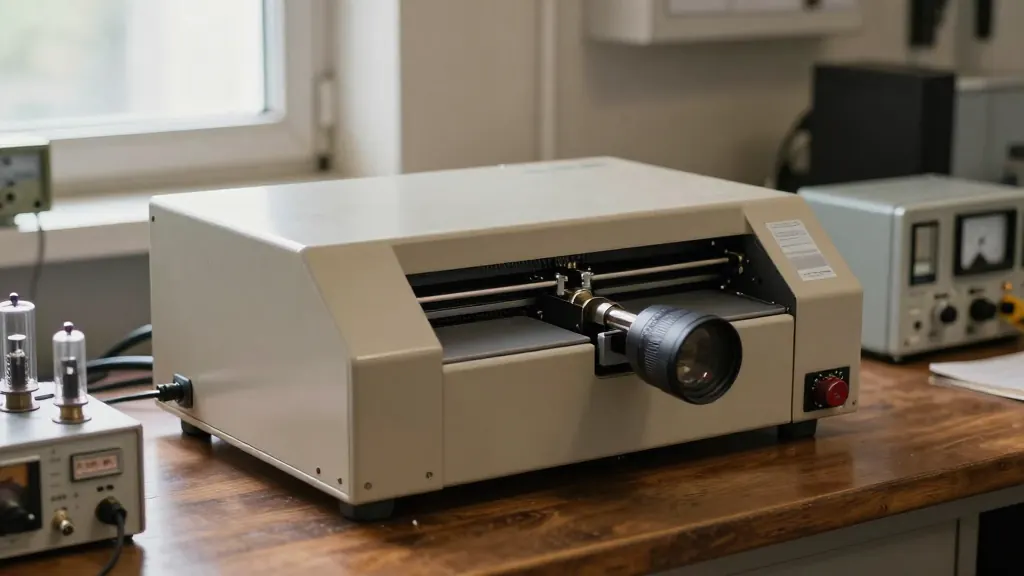
The journey of laser printing, from its industrial prototypes to everyday use in homes, is a fascinating testament to the technological capacity for miniaturization and process optimization. Initially, the system was designed for large corporate environments, where print speed and volume were critical efficiency metrics. The first equipment were robust machines, built to meet the demands of large offices and document processing centers. In these early stages, the main focus was overcoming high-speed bottlenecks and ensuring a print fidelity approaching professional typesetting quality, establishing the laser as a superior paradigm to previous mechanical methods.
From Industry to the Modern Office
With advances in engineering and growing demand for flexibility, manufacturers began refining the technical architecture of the equipment. The laser printing process remained the same in its essence—the coordinated manipulation of electrical energy, toner, and heat in the fuser unit—but the machinery was progressively redesigned. This optimization was not limited to physical size; it involved improvements in module control and the efficiency of the paper feeding and transport system. The goal was to allow medium-sized offices to adopt the technology without needing a dedicated industrial space. The ability to increase yield while maintaining quality in a more compact format was the catalyst for widespread adoption in professional settings.
The most significant leap, however, occurred with miniaturization and the expansion of color palettes. While early versions were predominantly focused on high-resolution monochrome documents, the technology was gradually developed to incorporate color printing. The addition of more modules and the improvement of the toner cartridge made color printers more accessible and functional. This evolution in color quality was crucial, as it expanded the use of the laser printer beyond reports and text documents, allowing for the printing of richer, more professional graphic materials and presentations.
The Democratization of Home Printing
The peak of this evolution was the transition to the home market. Laser printing, once viewed as an exclusive tool for large corporations, reached the end consumer. This democratization required a new level of engineering, condensing the complexity of a robust electrophotographic system into a device with a more intuitive user experience and more manageable operating costs. The ability to print at home with professional quality transformed the printing paper from a high-cost, restricted-use item into an essential daily resource.
In summary, the history of the laser printer is a narrative of technological convergence. It was a continuous movement of component refinement, increased speed, and fundamentally, reduction in scale. What began as a large-scale prototype to solve speed bottlenecks in industrial settings transformed into a versatile and compact device, capable of maintaining high graphic fidelity and color quality, whether in a corporate skyscraper or on a home desk.
📌 Key Phases of Laser Printing Evolution
- Industrial Prototypes: Focus on high speed for large corporations.
- Modern Offices: Redesign for more compact and flexible equipment.
- Color Printing: Expansion of use for graphic materials and rich presentations.
- Home Use: Miniaturization to make it accessible to the end consumer.
Impact and Legacy in the Information Age
The impact of the laser printer transcends the mere functionality of reproducing text; it represented a watershed moment in the information economy and visual culture. Before its widespread adoption, producing high-complexity, high-volume graphic material was an expensive and slow process. Meanwhile, other technologies, such as the history of the inkjet printer, also shaped the landscape. Laser technology, by allowing the printing of high-quality results for both text and graphics, democratized access to professional visual communication. This ability to transform a digital file into a physical document of superior finish revolutionized sectors ranging from graphic design to academic publishing.
Transforming Workflow and Communication
The chromatic versatility and precision that the laser process offers—whether in traditional black printing or vibrant colors—were crucial in raising the standard of office material. The result was not just a legible document, but a piece of visual communication that maintained the fidelity of colors and images conceived digitally. This advancement allowed companies and professionals to have unprecedented control over their visual identity and the presentation of their data, making printed material a vehicle for marketing and information with artistic and commercial potential.
In the context of digitization, the laser printer established itself as a vital bridge. It made it possible for information, previously restricted to analog format, to be digitized and subsequently materialized with professional quality. This continuous flow—from electronic file to physical paper—was the engine that powered mass document management. The ability to rapidly produce large quantities of documents with high fidelity transformed the concept of information archiving and distribution.
Supporting Modern and Remote Work
The flexibility of work and the growing need for collaboration across different geographical locations—what we now call remote work—fundamentally depend on the ability to manage and share information reliably. The laser printer, by ensuring the quality and consistency of the printed output, has made the physical document a robust and reliable element in this modern ecosystem. It guarantees that a graphic design project or a technical report, created on a computer, can be replicated anywhere while maintaining its integrity and quality. In short, the machine doesn’t just print; it supports the logistics of information in the digital age, allowing creativity and knowledge to circulate without the physical barriers of time and space.
Controversies and the Debate Over Technology Safety
Despite the profound transformative impact the laser printer has had on the workplace, its technological advancement has not been without controversy. Like any disruptive innovation, the introduction of this technology has generated complex debates, especially regarding its safety and potential environmental and health risks. The debate is not merely technical; it involves ethical and public health considerations, forcing the sector into a constant state of review and proof.
The Scientific Debate Over Released Energy
At the heart of the concerns is the energy released during the printing process. Questions have been raised in various academic and health spheres about whether this energy, or the chemical byproducts involved in the process, could pose a carcinogenic risk to living organisms. To answer these doubts, scientists have conducted detailed research. The focus of these investigations is to rigorously verify whether there is, in fact, a danger associated with the energy released by the machine during operation. It is a continuous and multidisciplinary scientific investigation process that requires monitoring different chemical components and processes.
This need for scientific research is a reflection of the precautionary principle. It is not simple distrust, but rather a requirement for concrete and conclusive data to ensure that the technology, which has become ubiquitous, is used with maximum safety. Studies aim to map the interaction between the toner, the heat from the fuser unit, and the laser energy, with the goal of establishing even higher safety standards for the industry.
The Stance of Non-Governmental Organizations
Alongside the scientific work, non-governmental organizations (NGOs) have taken an active role in the debate. These entities have expressed significant concerns and have at times attempted to influence the product’s life cycle. At certain points, NGOs have voiced a desire for the production of such printers to be suspended or limited until scientific research reaches a conclusive consensus on the equipment’s safety. This stance reflects a call for caution and corporate responsibility, arguing that the pace of innovation must be matched by the pace of scientific proof.
In summary, the debate surrounding laser printer safety is not an obstacle to progress, but rather a mechanism for quality control and accountability. It compels manufacturers, scientists, and regulators to maintain a constant and transparent dialogue, ensuring that the impact of the technology on society is always mediated by undeniable scientific rigor.
Glossary
- Laser: Acronym for Light Amplification by Stimulated Emission of Radiation; an optical phenomenon that generates coherent and focused light.
- Toner: A fine, dry powder composed of polymers and pigments that adheres selectively to the electrostatic charges of the drum.
- Photoconductive drum: A cylinder coated with an electrostatic material that receives the electrical image from the laser before transfer.
- Fuser unit: A component that uses intense heat and pressure to melt and chemically fix the toner onto the paper fibers.
- Electrophotographic: A printing process that uses electrostatic charges and light to create and transfer the digital image to the physical substrate.
Frequently Asked Questions
What is the difference between a laser printer and an inkjet printer?
The main difference lies in the printing medium. Laser printers use a dry powder, toner, which adheres electrostatically. Inkjet printers, on the other hand, deposit liquid pigments. The laser process is based on the manipulation of electrical charges and heat, ensuring high durability and sharpness.
Are laser printers more expensive to maintain or to use?
In terms of usage, laser technology was developed to offer a lower operating cost compared to older mechanical methods. The system is robust and does not rely on moving parts that suffer from physical wear, which contributes to a more efficient and economical workflow.
What is toner and how does it work in laser printing?
Toner is a fine, dry powder composed of polymers and pigments. It works by selectively capturing the electrical image created by the laser on the photoconductive drum. The areas charged by the laser attract the toner, which is then transferred to the paper and fixed by the fuser.
Is the energy released by a laser printer dangerous to health?
The technology is designed to operate in a controlled and automated environment.
What is the best type of laser printer for a small office?
The material does not provide specific recommendations for models or sizes for small offices. However, it is important to consider that the laser printer is a sophisticated system that ensures high speed and superior graphic quality, making it ideal for environments that demand high fidelity and low operating costs.
Conclusion
The history of the laser printer is, therefore, the narrative of a monumental scientific convergence. Far from being a single event, it represents the masterful application of optical physics—the laser phenomenon—to overcome the limitations inherent in previous mechanical methods. By abandoning the physical impact of pins and drums, the technology not only increased speed but elevated the standard of graphic quality to an unprecedented level of electrostatic precision. It was the ability to manipulate electric charges and pigments in a high-precision cycle that transformed the laboratory challenge into a robust office tool.
The success of laser printing lies in the sophistication of its electrophotographic cycle: the laser acts as the charge developer, the toner as the pigment, and the fuser as the final seal. This process, which transforms a digital signal into a physical document with millimeter sharpness, established a new standard of efficiency and visual fidelity. The technology did not just digitize documents; it redefined the corporate workflow, allowing the complexity of modern information to be reproduced in an accessible and fast manner.
Thus, the legacy of the laser printer is that of a bridge between advanced physics and daily productivity. It is a testament to how science, when applied with ingenuity, has the power to solve operational bottlenecks and drive the information age. Reflecting on this journey, it is clear that true innovation lies not just in the machine, but in the human capacity to transform knowledge into a tool for change.