Read this article in: Portuguese (Português) · Spanish (Español)
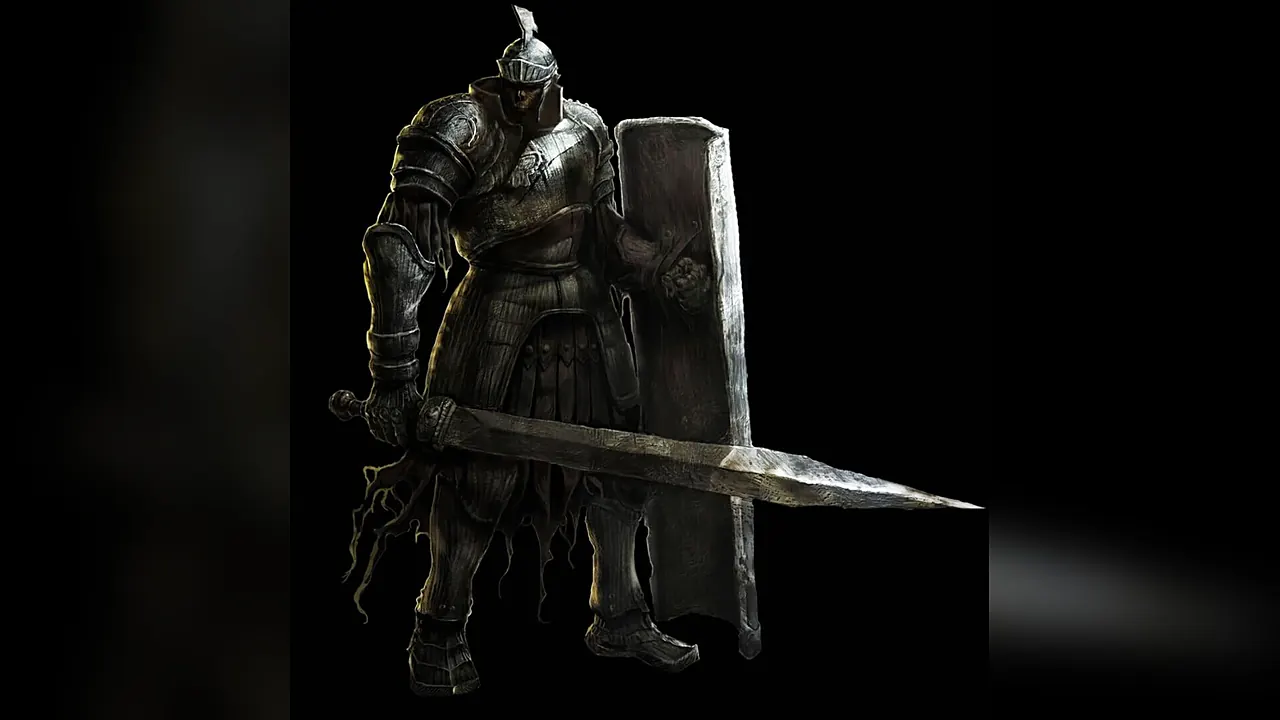
Defeating Artorias of the Abyss requires more than just brute force; it is a test of patience, pattern recognition, and strategic preparation. To overcome the powerful Knight Artorias, the player must understand that the fight is a dance of dodges and calculated attacks. The key to victory lies in identifying the boss’s moments of vulnerability, managing stamina flawlessly, and using the environment to create attack opportunities. It’s not just about surviving his power, but about anticipating his moves and taking advantage of the brief window when he is most exposed, turning the fight into a sequence of well-timed attacks.
Artorias’s relevance in the Dark Souls universe is immense, as he is one of the narrative pillars that shaped the “Soulslike” subgenre. The series, developed by FromSoftware, began with the release of Dark Souls in 2011, setting a standard of difficulty and narrative depth that few games have matched. Furthermore, the content of Artorias of the Abyss transports the player to the land of Oolacile, setting the story in a period approximately 200 to 300 years before the main game’s events, giving a rich and vital dimension of lore for understanding the cycle of souls.
In this comprehensive guide, we will unravel every aspect necessary to face the Abyss Knight. We will cover Artorias’s rich history and his role in Lordran, detail the exact location and access to the fight, and guide you through ideal preparation, covering everything from builds and equipment to a deep analysis of attack patterns and the battle’s different phases. Ready to dive into the strategy, you will find a detailed step-by-step guide, ensuring that you not only win but also understand the epic legacy of Artorias of the Abyss.
Key Points
- Artorias is a central Knight in the pantheon of Gwyn’s Four Knights, elevating the epic complexity of the universe.
- The combat takes place in Oolacile, a period estimated to be 200 to 300 years before the main events of Lordran.
- The main objective is to rescue the Dusk of Oolacile and confront Manus, the dreaded Father of the Abyss.
- Access to the fight is a layered progression system, requiring passage through Darkroot Basin and the Broken Pendant.
- The content was released in 2012 in the Prepare to Die edition, expanding the series’s rich mythology.
Artorias’s story and his role in Lordran
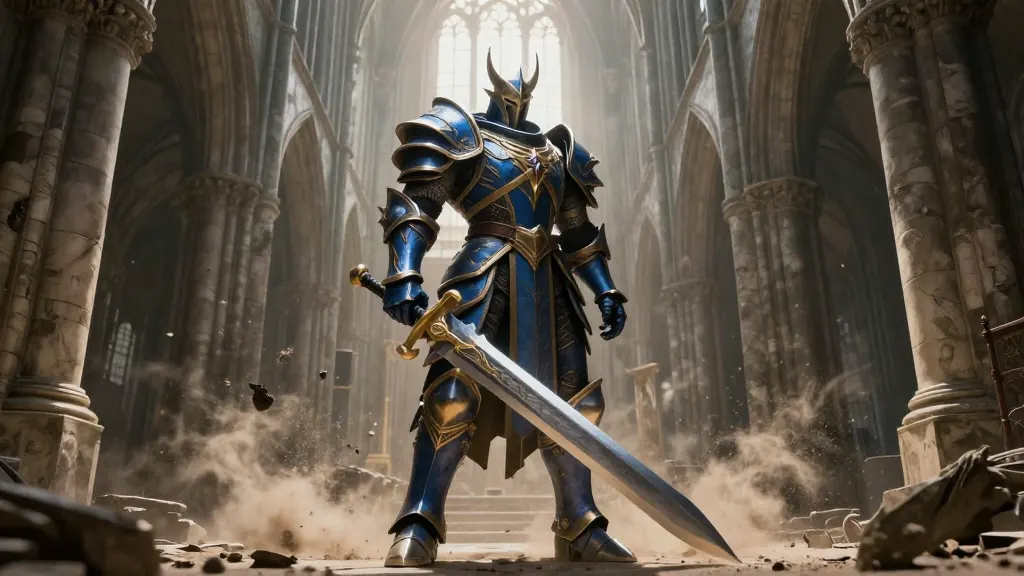
Artorias is central to the pantheon of the Four Knights of Gwyn, and his story elevates the world of Lordran to a level of epic complexity. To understand the battle against him, it is crucial to place the event in a time period preceding the main events of the game Dark Souls. Even if you are looking for more recent combat guides, such as how to face Lothric and Lorian in Dark Souls III, the narrative of Artorias of the Abyss unfolds in the land of Oolacile, during a period estimated to be between 200 and 300 years before the events that shaped the kingdom around Dark Souls.
The Setting of Oolacile and the Abyssal Conflict
This timeline is vital because it transports us to a time of great magical and spiritual turmoil. The narrative focus of the DLC is not merely a battle, but a mission of rescue and containment of dimensional threats. The main plot requires the Chosen Undead to take on the role of Knight Artorias. The objective is twofold: to rescue the Dusk of Oolacile and, simultaneously, to confront and eliminate Manus, the dreaded Father of the Abyss. Manus represents a chaotic and primal force, whose influence and power generate a threat that transcends the very realm of Lordran. It is in this scenario of imminent danger that Artorias, one of the most powerful knights, becomes involved.
The depth of this story is so significant that the events of Artorias of the Abyss have logical connections with other parts of the mythology. For example, the very origin of Nashandra is mentioned as a fragment of Manus’s soul, reinforcing the link between the Abyss and the characters who inhabit Lordran centuries later. The narrative, therefore, is not an isolated event, but a crucial chapter in the long history of the world’s decay and rise.
Artorias and the Game Timeline
To further contextualize, it is important to remember that Dark Souls is the first title in the series, and it is recognized as a spiritual successor to Demon’s Souls, which was originally released in 2009. The inclusion of Artorias as downloadable content (DLC) occurred in 2012, with the release of Dark Souls: Prepare to Die Edition for various platforms, including Windows, PlayStation 3, and Xbox 360. Although the main game was released in 2011, Artorias’s content expanded the universe, proving that the story of the Four Knights was rich enough to be consumed in layers, far beyond the Chosen Undead’s initial journey.
In summary, by delving into Artorias’s story, we understand that we are dealing with an event of great magnitude, set in Oolacile, decades before the main story begins in Lordran. This plot not only establishes Artorias as one of the narrative pillars of the subgenre but also defines the epic and mysterious tone that permeates the entire life cycle of the Knights of Gwyn and the fate of Lordran.
🕒 Timeline of Artorias and Lordran’s Events
- 2011 — Release of the main game, Dark Souls.
- 2012 — Release of the Artorias of the Abyss (DLC) content on platforms such as PS3, Xbox 360, and Windows.
- 2018 — Release of Dark Souls: Remastered.
Locating and Accessing Combat
The journey to the final confrontation with Artorias of the Abyss is not a direct or simple path, but rather a progression test that requires the player to traverse several areas of Lordran, culminating in a temporary access point: Oolacile. The first step toward this progression is entering the Darkroot Basin, a crucial environment that serves as the gateway to Artorias’s narrative.
Tracing the Path to Oolacile
Upon reaching Darkroot Basin, the player must face a series of environmental and combat challenges to advance. Initially, it is necessary to defeat the Hydra, a fight that establishes the first progression milestone. Immediately after, the challenge escalates with the need to defeat the Golden Crystal Golem. Overcoming this golem not only advances the narrative but also allows the player to unlock access to Dusk of Oolacile, an essential milestone for understanding the temporal dimension of the combat.
Acquiring a key item is the next mandatory step to unlock access. After the challenges in Darkroot Basin, the player must proceed to The Duke’s Archives. It is in this location that it becomes imperative to acquire the Broken Pendant. This item is not merely an ornament; it acts as a narrative and mechanical catalyst, signaling that the player is ready for the next level of challenge.
With the Broken Pendant in hand, the Darkroot Basin area itself transforms. A magical and temporal phenomenon occurs: a floating dark rift appears in Darkroot Basin. This portal is strategically positioned near where the Golden Golem was found, in the most remote part of the area. Inspecting this rift leads not only to a new location but transports the player directly to the continent of Oolacile. It is at this point that the player, equipped with gathered knowledge and items, finally prepares for the confrontation that will define the fate of the Abyss.
Therefore, access to the combat with Artorias is a layered progression system: Darkroot Basin is the testing ground; defeating the Hydra and the Golden Crystal Golem are the triggers; obtaining the Broken Pendant is the key; and the portal is the means of transition to the era of Oolacile. Each stage is a vital component to ensure that the player has not only the strength but also the temporal context and preparation necessary to face the destiny of the Abyss Knight.
🔢 Progression Roadmap to Access the Combat with Artorias
- Entering Darkroot Basin, the initial progression area.
- Defeat the Hydra, completing the first challenge milestone.
- Defeat the Golden Crystal Golem to advance the narrative.
- Obtain the Broken Pendant in The Duke’s Archives, the mechanical key.
- Wait for the appearance of the floating dark rift in Darkroot Basin.
- Cross the portal to be transported to the continent of Oolacile.
Ideal Preparation: Builds, Equipment, and Items
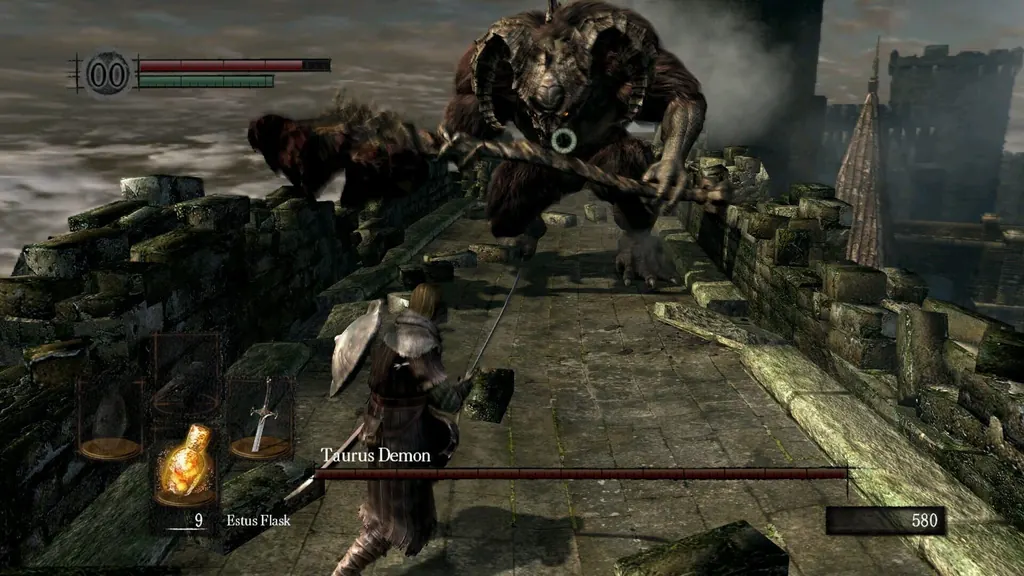
Preparing for the confrontation with Artorias of the Abyss is not just a matter of physical strength, but a deep preparation encompassing knowledge of the setting, understanding of progression, and mastery of available resources. Given the context of an Action role-playing game, developed by FromSoftware and originally released in 2011 for PlayStation 3 and Xbox 360, preparation must be multifaceted, focusing on both survival capability and environmental reading.
Equipment Foundation and Temporal Context
The combat against Artorias of the Abyss is intrinsically linked to a specific historical moment: the setting of Oolacile, which takes place approximately 200 to 300 years before the central events of Dark Souls. Understanding this temporal depth is crucial, as it reminds us that we are dealing with a narrative of great magnitude. For the challenge to be accessible, it is essential that the player is aware of the game version. The content of Artorias of the Abyss was introduced in the Dark Souls: Prepare to Die Edition, released in 2012, for Windows, PlayStation 3, and Xbox 360, and not just in the original title.
In terms of preparation, investment in defensive and support gear must be prioritized. Although the details of specific builds are not provided, the principle is clear: resilience must be the pillar. The high difficulty of the series requires the player to maximize defense to withstand Artorias’s attack patterns. Furthermore, the ability to heal and regenerate resources (like potions) must be treated as a strategic item, not just a resource. It is necessary to manage these items judiciously, reserving them for moments of critical damage.
Strategic Preparation and Artorias’s Legacy
The main objective of the journey, according to the lore, is for the Chosen Undead to take the place of Knight Artorias, rescuing the Dusk of Oolacile, and finally confronting Manus, Father of the Abyss. This complex mission requires the player to not only master combat but also the game’s progression system. The journey to the confrontation is not linear; it is a test that requires traversing various areas of Lordran, culminating in access to the fight. Therefore, preparation must include mastery not only of skills but also of progression mechanics.
In a broader sense, the longevity and evolution of the series itself demonstrate the care taken with the material. The fact that an enhanced version, like Dark Souls: Remastered, was released on May 24, 2018, reinforces its iconic status and the importance of mastering the original game’s systems. Thus, the player must view Artorias not as a test of brute strength, but as a test of patience and pattern recognition, requiring the player to apply all knowledge gained in the Lordran environment in a cohesive manner.
In summary, ideal preparation involves combining a deep knowledge of the lore, which leads us to Oolacile and Manus, with rigorous management of resources and equipment, ensuring the player is ready to face the Abyss Knight in all his combat phases.
Understanding the attack patterns and battle phases
Understanding the attack patterns and battle phases
Combat against Artorias of the Abyss is not merely a test of endurance, but a profound exercise in reading and anticipation. The series’ gameplay system is known for its steep difficulty curve, and Artorias personifies this complexity. He is a multifaceted opponent that demands mastery of different combat styles from the player. It is crucial to understand that Artorias combines devastating close-quarters attacks with a long-range magical arsenal, forcing the player to maintain constant attention and rapidly switch between defense, dodging, and counter-attacking.
The pillar of strategy is identifying the warning signs. Artorias does not attack randomly; his movements are preceded by distinct stances and animations. An experienced player does not react to the blow, but to the preparation for it. It is necessary to observe the enemy’s stance, the energy charge for a spell, or a subtle change in the attack rhythm. Knowing how to interpret these signs is what distinguishes a mere confrontation from a true strategic battle. If the attack is magical, the reaction time is slightly longer, but the damage is high; if it is close-quarters, the speed and proximity demand an even faster decision time.
Managing the rhythm and combat phases
The battle with Artorias is designed to be dynamic, and he matches this dynamism by altering his patterns as his health bar decreases. This change in tempo should not be viewed as a moment of weakness, but rather as a transition to a new level of threat. Initially, he may focus on long-range attacks, requiring the player to use distance to their advantage and learn to anticipate the spells. As the confrontation progresses, and his health wanes, Artorias tends to increase the pressure, mixing magical patterns with more aggressive and unpredictable close-quarters attack sequences.
To survive this progression, the player must master the art of timing. The roll should be used not just to dodge, but to gain distance and reposition strategically. In moments of high pressure, blocking can be an option, but only if the equipment and timing allow it. The goal is to turn his sequence of attacks into a predictable pattern, finding the window of opportunity—the brief moment of pause or transition between one attack and another—to counterattack or to retreat safely. This constant reading of patterns is what ultimately allows the player to overcome an opponent of such colossal magnitude.
📌 Combat Strategy Against Artorias: Key Points
- Identify warning signs: watch for stances and energy charging.
- Rapidly alternate between defense, dodging, and counterattacking.
- Take advantage of the windows between attacks to counterattack.
- Use the roll not only to dodge, but for strategic repositioning.
Step-by-step strategy to defeat Artorias
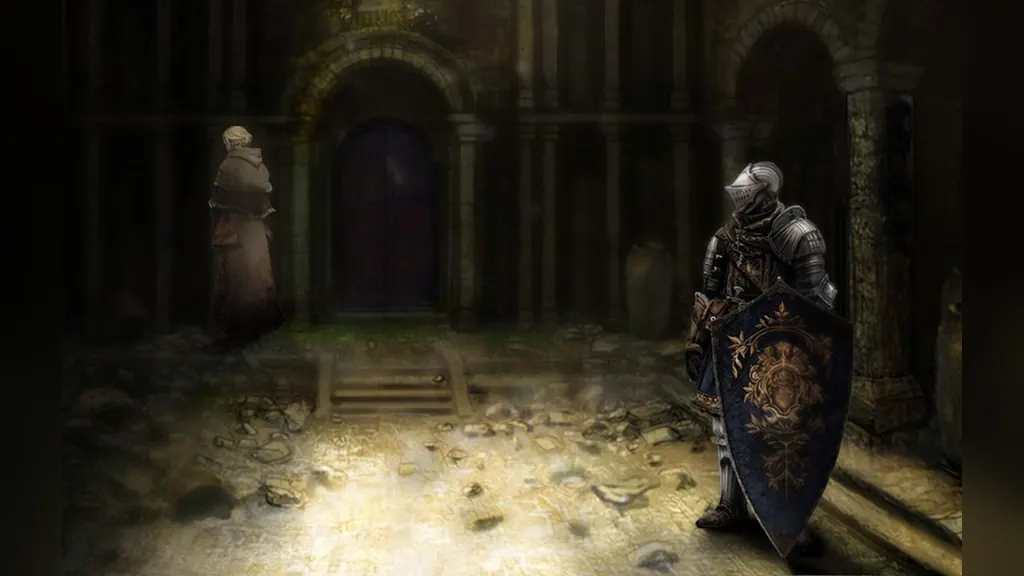
Combat against Artorias of the Abyss is not merely a test of brute force; it is, above all, a deep exercise in reading, anticipation, and mastering rhythm. The battle, which takes place in the setting of Oolacile—a location situated approximately 200 to 300 years before the central events of Dark Souls—requires the player to abandon the mindset of direct confrontation and adopt a tactically defensive posture. If you are facing other boss challenges, such as strategies to defeat Sir Alonne, it is crucial to understand that the pillar of the strategy is the meticulous management of space and time, prioritizing defense over offense.
The art of positioning and timing
Artorias is a highly aggressive combatant, whose attack patterns are designed to be dynamic, changing as his health bar depletes. Success lies in not rushing, but in identifying warning signs and taking advantage of moments of vulnerability. Stamina and life management must be treated as finite and valuable resources, not mere health indicators. Never rely on a single type of defense; a combination of rolls and blocks is essential.
💡 Tip
Remember that the battle is a test of patience. Break the encounter into smaller phases, focusing on surviving each attack pattern individually, rather than trying to solve everything at once.
Next, we detail the step-by-step strategy to optimize your performance and drastically increase your chances of victory:
- Maintain safe distance: Keep yourself out of the immediate range of his most powerful attacks. Distance is your greatest ally, allowing you to observe long-range attack patterns before exposing yourself.
- Anticipating the Magic Attack: Pay attention to the visual and auditory signs of his long-range magic attacks. Instead of reacting to the attack, try to predict its trajectory, positioning yourself to dodge the impact, not just the area of effect.
- Managing Stamina Surgically: Never waste stamina on unnecessary attacks. Use it exclusively for rolls and for counter-attacks. Well-managed stamina allows you to move enough to survive a full combo.
- Waiting for the Counter-Attack Window: The most profitable moments are those immediately after him executing a combo. Wait for Artorias to recover or finish a flurry of blows before counter-attacking, taking advantage of the brief pause in his offense.
- Prioritizing Dodging Over Blocking: While blocking is useful, dodging (rolling) offers greater flexibility and is more effective against most area attacks. Use dodging not just to evade, but also to force the enemy to expend their own stamina.
- Controlling the Pace of Battle: Remember that the battle is designed to be a test of patience. Don’t try to “solve” the fight in a few minutes. Break the confrontation into smaller phases, focusing on surviving each attack pattern individually.
In summary, facing Artorias is a challenge that requires a combination of deep combat knowledge and the coolness of a strategist. By treating the confrontation as a pattern-reading system, rather than an attack race, the player optimizes their chances of success, honoring the legacy of Sir Artorias.
Rewards and Artorias’s Legacy of the Abyss
Defeating Artorias of the Abyss transcends merely claiming a combat title. In terms of narrative progression and lore, this victory marks a crucial point in the mythological tapestry of Lordran. The player doesn’t just eliminate a powerful adversary; they complete a journey of rescue and revenge unfolding in Oolacile. The climax of the main story is the role of the Chosen Undead, who assumes the legacy of Sir Artorias, saving Dusk from Oolacile and, decisively, confronting and defeating Manus, the Father of the Abyss. This sequence of events establishes the protagonist in a role as an agent of change, a savior in a decaying and curse-ridden world.
The Historical Context and the Weight of Legacy
To grasp the magnitude of this feat, it is essential to place the action in context. The events of Artorias of the Abyss take place over a significant chronological period: approximately 200 to 300 years before the events of Dark Souls, in the land of Oolacile. This time gap lends weight and depth to the narrative, as players are intervening in a grand past, involving legendary figures like the Four Knights of Gwyn. The victory over Manus, therefore, is not merely a local triumph, but a blow against a primordial force that threatens the very stability of the kingdom.
The legacy of the victory is multifaceted. Beyond the progression of the main story, the player is rewarded with immersion in a universe where the destiny of characters like Nashandra is shaped. The mythology is so rich that the events of Artorias of the Abyss establish direct connections with other parts of the FromSoftware universe. For example, Nashandra’s origin is linked to a fragment of Manus’s soul, showing that the combat is the convergence point of several narrative threads, including those related to Dark Souls II.
The Reward of Experience and Narrative
In terms of gameplay, the Artorias of the Abyss experience was integrated into the main title during a crucial development phase. The content was released as Downloadable Content (DLC) in Dark Souls: Prepare to Die Edition, a version that appeared in 2012. While the game’s main focus is attribute progression—ranging from Strength to Intelligence and Faith—the victory over Artorias and Manus grants the player not only equipment and stats, but the feeling of having been an active agent in correcting a cosmic disaster; for those seeking more challenges, knowing how to defeat Manus in Dark Souls is essential.
In summary, the ultimate reward is a deep understanding of the cycle of salvation. The player doesn’t just survive; they restore balance to Oolacile. The journey of confronting the Abyss and saving Dusk is the climax of Artorias the Knight’s narrative, cementing the Chosen Undead‘s character as a true pillar of hope in a world falling apart. This narrative conclusion is the real treasure the player takes with them: a sense of purpose and redemption in a universe of constant decay.
Glossary
- Pantheon of the Four Knights of Gwyn: A group of legendary knights, central figures in the mythology who shaped the destiny of Lordran.
- Lordran: The main kingdom where the story of the Knights of Gwyn and the central events of the game unfold.
- Oolacile: A setting where the Artorias event takes place, situated in a time period prior to the main events.
- Abyss: A chaotic and primal force, representing a threat that transcends the kingdom of Lordran itself.
- Chosen Undead: The protagonist of the narrative, an individual destined to take on the role of Knight Artorias.
- Darkroot Basin: A crucial area that serves as an entry point and a testing ground for Artorias’s narrative progression.
Frequently Asked Questions
What is the recommended level to face Artorias of the Abyss?
Preparation should focus on stamina and resource management. It is crucial to invest in defensive gear to withstand devastating attacks. Furthermore, master the game’s progression mechanics, as combat demands more than just brute force.
Is it possible to defeat Artorias without using magic (only physical combat)?
Artorias is a multifaceted opponent who combines close-quarters attacks and long-range magic. To succeed, you must master the alternation between defense, dodging, and counter-attacking. The focus must be on reading attack patterns, regardless of the combat style you choose.
What is the Broken Pendant and why is it necessary to progress?
The Broken Pendant is a crucial item that functions as both a narrative and mechanical catalyst. Possessing it signals that the player is ready to advance to the next level of challenge. It is a vital component in the progression, granting access to the portal leading to the continent of Oolacile.
Is Artorias a mandatory boss to finish the main game?
Artorias is a narrative pillar of great magnitude, being the focus of additional content (DLC). His story deeply expands the mythology of Lordran and the fate of Gwyn’s Knights. Although it is an event of great importance to the lore, it is a crucial chapter that complements the main journey.
What are the best pieces of equipment to increase resistance against his magic attacks?
Prioritize investing in defensive and support equipment. Resistance should be the pillar of your preparation, allowing you to absorb attack patterns. Additionally, treat healing and regeneration items as strategic resources, reserving them for moments of critical damage.
Conclusion
Confronting Artorias of the Abyss transcends mere combat; it is a deep dive into the complex mythology of Lordran. To understand the magnitude of this challenge, it is vital to set the action in Oolacile, a period that unfolds between 200 and 300 years before the central events of Dark Souls. The narrative requires the Chosen Undead not only to fight but to assume a role of containment against Manus, the dreaded Father of the Abyss, establishing the combat as a mission of rescue and dimensional stabilization.
The journey to the confrontation is a layered progression system that guides the player through the Darkroot Basin, passing through the challenges of the Hydra and the Golden Crystal Golem, and culminating in the acquisition of the Broken Pendant. This item is not merely an ornament, but the catalyst that grants access to the temporal portal. Strategically, preparation must prioritize endurance and careful resource management, as Artorias demands a tactical mastery that complements brute strength. Remember that this content was expanded in the Prepare to Die Edition, proving the richness of the Gwyn’s Knights universe.
Mastering the chronology, understanding the progression of the Darkroot Basin, and maximizing defense are the pillars for facing the Knight’s destiny. By absorbing this narrative and mechanical depth, you are not just preparing for a boss; you are preparing for a defining moment in the history of the Abyss. Now that you have understood the path, it is time to face the temporal mist and conquer Artorias’ destiny.