Read this article in: Portuguese (Português) · Spanish (Español)
Who is Brock Pierce? Brock Jeffrey Pierce is an American entrepreneur best known for his pivotal role in the cryptocurrency industry, particularly as a co-founder of Tether. Born on November 14, 1980, Pierce’s career trajectory is unusual, spanning from child stardom to high finance. Before becoming a prominent figure in digital currency, he achieved early fame as an actor, starring in Disney films such as The Mighty Ducks (1992), D2: The Mighty Ducks (1994), and First Kid (1996). Today, however, he is recognized primarily for his deep involvement in the blockchain and venture capital space.
Pierce’s significance to the modern technology landscape stems from his ability to pivot across disparate industries. After his acting career concluded in 1997, he became involved in online gaming platforms, including Digital Entertainment Network and Internet Gaming Entertainment. His focus shifted toward cryptocurrency around 2010, leading to the founding of Crypto Currency Partners, which later became Blockchain Capital. In this capacity, he was also instrumental in assisting Jeffrey Epstein as an early investor in Coinbase.
This biography will trace Pierce’s remarkable journey from the silver screen to the global financial markets. We will examine his early life and acting success, detail his foundation of digital entertainment and gaming networks, and chart his transition into venture capital and cryptocurrency ventures. The article will conclude by exploring his political ambitions, involvement in philanthropy, and current endeavors.
Key Takeaways
- His early career began in acting, gaining prominence in the Disney films *The Mighty Ducks* (1992) and *D2: The Mighty Ducks* (1994).
- Pierce transitioned from film to tech, co-founding Digital Entertainment Network (DEN) in 1997, a dot-com pioneer.
- He significantly impacted the crypto space by co-founding Tether in 2014 and serving as a Director of the Bitcoin Foundation.
- In 2020, Pierce ran for President of the United States as an independent candidate, promoting his ‘America 2.0’ platform.
- He diversified his influence by co-founding Roundtable Media in June 2021, focusing on controlling the narrative of the digital economy.
Brock Pierce at a Glance
| Born | Brock Jeffrey Pierce; November 14, 1980; Minneapolis, Minnesota, U.S. |
|---|---|
| Occupations | Entrepreneur; Former child actor |
| Years active | Acting: 1992–1997; Business: 1999–present |
| Known for | The Mighty Ducks, D2: The Mighty Ducks, First Kid |
| Political party | Independent |
| Spouse | Crystal Rose |
| Citizenship | United States |
| Employer | Bitcoin Foundation |
Early Life and Stardom in Film
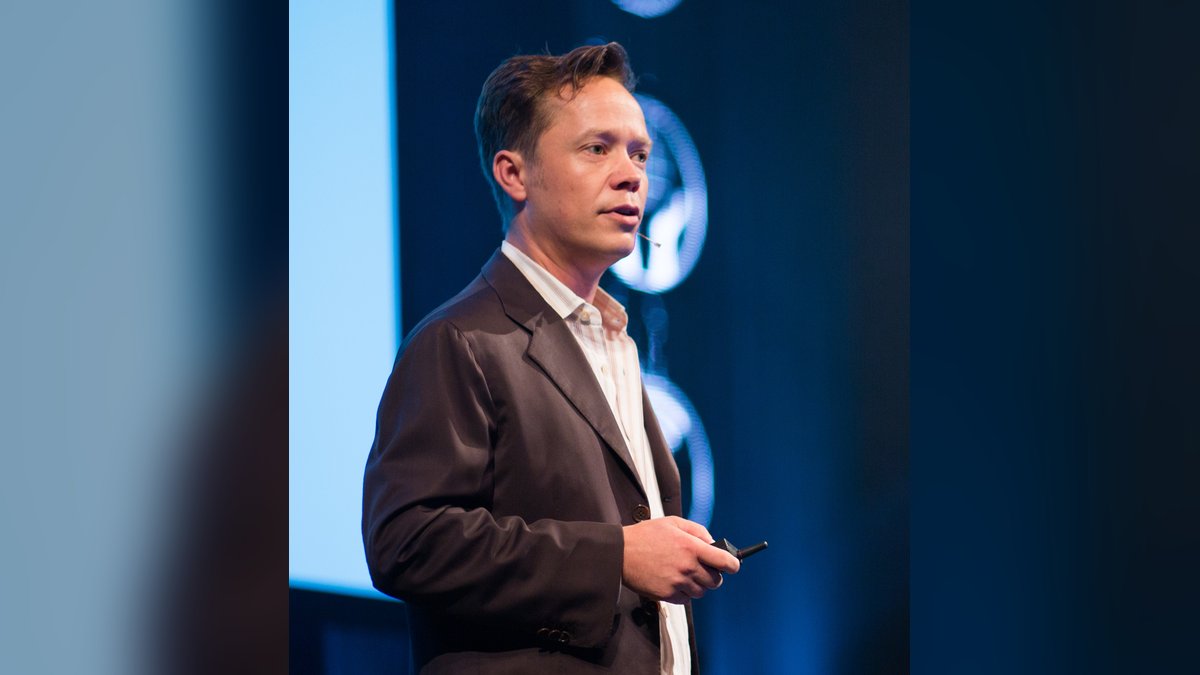
Brock Jeffrey Pierce’s journey into the public eye began far from the high-stakes venture capital circuits of today. Born on November 14, 1980, in Minneapolis, Minnesota, the young actor first gained experience in the local Minnesota market, appearing in commercials as a toddler. His initial foray into professional acting was characterized by the typical trajectory of a child star, building a foundational skill set through various small roles before landing a major breakthrough that would define his early career.
His first substantial cinematic role came in 1992 when he played a young Gordon Bombay in The Mighty Ducks. The film was a major cultural touchstone, and Pierce’s success in this role was quickly followed by a chance to reprise the character in D2: The Mighty Ducks. This early exposure to popular, family-oriented filmmaking established him within the Disney ecosystem, providing a visible and marketable foothold in the industry.
The Mid-Nineties Filmography
The momentum continued into the mid-1990s. A defining role came in 1996 when Pierce starred as Luke Davenport in First Kid. This film solidified his status beyond the sports comedy genre. Over the next few years, his credits expanded, demonstrating an active participation in the burgeoning film scene. While these roles were often smaller in scope, they provided a steady stream of on-screen experience. His filmography during this period included appearances in Little Big League (1994), Ripper Man (1995), and Problem Child 3: Junior in Love (1995), alongside Three Wishes (1995), Earth Minus Zero (1996), and The Ride (1997).
These formative years, spanning from his commercial work as a toddler to his starring roles in the mid-90s, defined Pierce’s initial professional identity as an actor. While the subsequent decades would see him pivot dramatically toward entrepreneurship and finance, this period of early stardom in film remains the foundational chapter of his public life.
🕒 Early Film Career Milestones
- 1992 — Starred in The Mighty Ducks, playing a young Gordon Bombay.
- D2: The Mighty Ducks — Reprised his role in the sequel, establishing him in the Disney ecosystem.
- 1994 — Appeared in Little Big League.
- 1995 — Starred in First Kid and appeared in Ripper Man and Problem Child 3: Junior in Love.
- 1996 — Starred in First Kid, solidifying his status beyond the sports comedy genre.
Founding Digital Entertainment and Gaming Networks
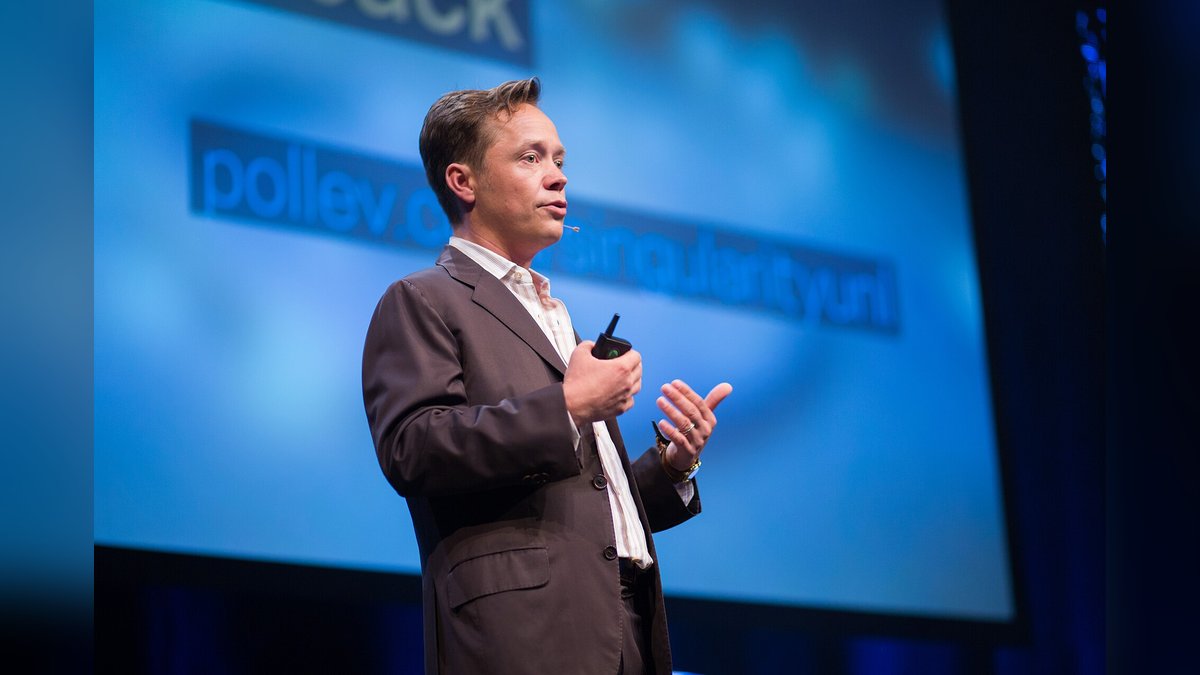
After stepping away from the spotlight of Hollywood, Brock Pierce quickly transferred his focus from the silver screen to the nascent, volatile landscape of internet media. In 1997, following his initial cinematic career, he joined the establishment of Digital Entertainment Network (DEN). Working as a minor partner alongside Marc Collins-Rector and Chad Schackley, the group raised an initial $88 million in venture capital. The stated mission of DEN was ambitious: to deliver original episodic video content over the Internet, specifically targeting niche audiences. During the late 1990s, this focus placed DEN among the wave of dot-com startups attempting to pioneer original video delivery before the widespread adoption of broadband internet access.
Pierce’s role was immediate and hands-on; he produced the network’s inaugural show, a pilot designed for gay teenagers titled Chad’s World. By the time he was 18, he was earning $250,000 annually and held a 1% stake in the company. The momentum built toward a scheduled US$75 million IPO in October 1999. However, the venture faced a dramatic collapse when the IPO was withdrawn following allegations of sexual assault leveled against Collins-Rector. All three executives subsequently resigned, and after layoffs in February 2000, the company filed for bankruptcy and shuttered its doors in June 2000, despite an attempt to relaunch under a new executive team led by former Capitol Records President Gary Gersh and former Microsoft executive Greg Carpenter.
Pioneering Digital Gaming
Pierce’s subsequent entrepreneurial efforts found a powerful niche in the burgeoning world of massive multiplayer online role-playing games (MMORPG). In 2003, he founded ZAM, a network of websites dedicated to these games. This network included major gaming portals such as ZAM.com, Wowhead, Thottbot, Torhead, and D3DB, covering titles like World of Warcraft, Star Wars: The Old Republic, Rift, and EverQuest. This focus on the gaming community provided the foundation for his next major venture.
In 2001, Pierce launched Internet Gaming Entertainment (IGE), a company that would pioneer the highly specialized, yet lucrative, industry of MMORPG currency-selling services. The growth of IGE was marked by aggressive market acquisition; between 2004 and 2005, the company spent over $25 million acquiring seven smaller competitors, including several auction platforms and fan content sites. By 2005, Pierce estimated that IGE commanded approximately 50% of the U.S. online market, which held an annual volume estimated at $500 million. To fuel this expansion, he brought in Steve Bannon, formerly of Goldman Sachs and Breitbart News, to secure venture capital. This led to a deal in February 2006, bringing in $60 million, from which Pierce secured $20 million for a minority stake. Unfortunately, the rapid growth proved unsustainable. The following year, the company faced a class-action lawsuit, resulting in IGE having no assets, forcing Pierce out of the organization.
📌 Key Ventures and Focus Areas
- Digital Entertainment Network (DEN): Focused on original episodic video content.
- ZAM: Network dedicated to massive multiplayer online role-playing games (MMORPGs).
- Internet Gaming Entertainment (IGE): Pioneered MMORPG currency-selling services.
- Blockchain Capital: Later venture in the cryptocurrency industry.
The Transition to Venture Capital and Crypto

Pierce’s trajectory into the investment world began with institutional backing, even before the decentralized promise of cryptocurrency captured his attention. In 2010, Titan Gaming recruited him to sit on the company’s board, joining established figures like EA Executive Keith McCurdy and a cadre of Southern California angel investors, including Michael Robertson of MP3.com and Eric Pulier of SOA Software. This period saw Titan Gaming also acquire the online gaming network Xfire from Viacom. The momentum continued into 2012, when the company announced a major rebranding. In late April 2012, Titan Gaming was rebranded as Playsino, and Pierce was named its new Chief Executive Officer with an injection of $1.5 million in new funding.
The Digital Gold Rush and Crypto
However, the true pivot came in the early 2010s, as the financial landscape began to shift away from traditional gaming toward the nascent, volatile realm of digital currency. During this time, Pierce was actively involved in channeling investment capital. He assisted Jeffrey Epstein in investments across the cryptocurrency space, including Coinbase. Pierce sought funds which he then channeled through his involvement in Crypto Currency Partners, a venture that would later evolve into Blockchain Capital. The deep roots of this involvement were made public years later, in 2026, with the release of the Epstein files.
This interest quickly crystallized into a formal venture capital structure. In 2013, Pierce teamed up with brothers Bart and Bradford Stephens to co-found Blockchain Capital (BCC). By October 2017, BCC had reported raising $85 million across two separate venture funds. The firm demonstrated its cutting-edge approach by raising a third fund using a digital security offering on the blockchain—one of the very first traded security tokens. His expertise was immediately put to the test: earlier that year, he worked with Mastercoin, a startup that raised capital via an initial coin offering (ICO) in 2013, an event that, according to Bloomberg, “kicked off a worldwide ICO craze, with hundreds of startups raising billions of dollars.”
Pierce’s involvement in high-stakes crypto plays continued to escalate. In March 2014, a Cypriot entity called Sunlot Holdings Ltd filed an offer to purchase assets from Mt Gox. Shortly after, Pierce was elected Director of the Bitcoin Foundation in May 2014. Further cementing his role in the market, he co-founded the cryptocurrency Tether in 2014 with Reeve Collins and Craig Sellars. The stablecoin, which allegedly maintains $1 in reserves for every tether issued, quickly gained prominence, surpassing Bitcoin in both daily and monthly trading volume in 2019. By 2018, Forbes magazine listed him among the “top 20 wealthiest people in crypto,” assigning him an estimated net worth between $700 million and $1.1 billion. These ventures culminated in his co-founding of Block.one, which released the EOS.IO software, an ICO that raised over $4 billion, the largest in history. Most recently, in 2021, Pierce led an international delegation to El Salvador, advising the government on the formal adoption of Bitcoin as its national currency.
Building Cryptocurrency Capital and Media Ventures
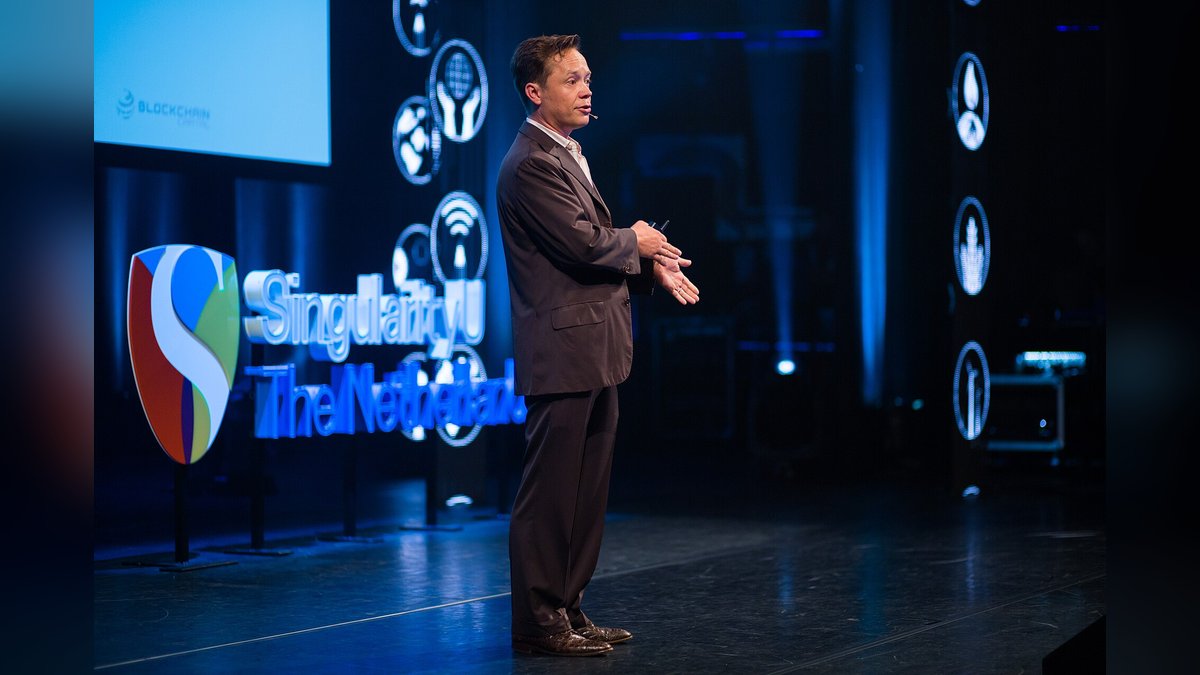
The maturation of his professional focus saw Brock Pierce transition from purely operational entrepreneurship to architecting large-scale financial and media capital structures. While his early ventures established his prowess in niche digital markets, his later career centered on building influence within the decentralized finance ecosystem. His sustained involvement in the industry is evidenced by his formal association with the Bitcoin Foundation, solidifying his role not merely as an investor, but as a foundational figure committed to the infrastructure of digital assets.
This evolution required navigating the complex, rapidly changing landscape of digital value. Where early efforts focused on pioneering specialized digital services, the subsequent phase involved cultivating institutional knowledge and building the necessary capital apparatus to support growth. This commitment to building robust financial structures positioned Pierce within the highest echelons of the crypto venture world, demanding a shift from being a hands-on operator to a strategic capital allocator. This trajectory underscored his ability to pivot from the tangible, high-stakes environment of gaming into the abstract, high-stakes world of decentralized finance.
Cultivating Media and Intellectual Capital
As the crypto space matured and required narratives to match its underlying technology, Pierce began to diversify his influence into media ventures. This expansion was not accidental; it was a calculated move to control the narrative surrounding the technologies he was investing in. In this capacity, he co-founded Roundtable Media. This venture marks a significant pivot, demonstrating a mastery of intellectual property and public discourse alongside financial engineering.
The founding of Roundtable Media was formalized in June 2021. For this new enterprise, Pierce joined forces with notable figures, specifically naming James Heckman and David Bailey. The co-founding of a dedicated media entity suggests a strategic intent: to build a platform capable of disseminating sophisticated analysis, commentary, and educational content about the digital economy. This move allowed Pierce to leverage his deep understanding of crypto capital and financial markets by controlling the very medium through which that knowledge—and therefore, influence—is distributed.
Collectively, these milestones—from solidifying his operational role within the Bitcoin Foundation to co-founding a major media house—illustrate a comprehensive business model. It demonstrates that for Pierce, building capital was not limited to accumulating digital currency; it was about building the entire ecosystem: the financial plumbing, the intellectual narrative, and the institutional credibility required to sustain the next generation of internet-native industries.
📊 Evolution of Brock Pierce’s Focus
| Phase | Primary Focus | Key Activity/Goal |
|---|---|---|
| Early Ventures | Operational Entrepreneurship | Pioneering specialized digital services in niche markets |
| Mid-Career | Financial Structure Building | Cultivating institutional knowledge and capital apparatus (e.g., Bitcoin Foundation) |
| Later Career | Media & Influence Control | Diversifying into media to control the narrative (e.g., Roundtable Media) |
Political Ambitions and Global Philanthropy
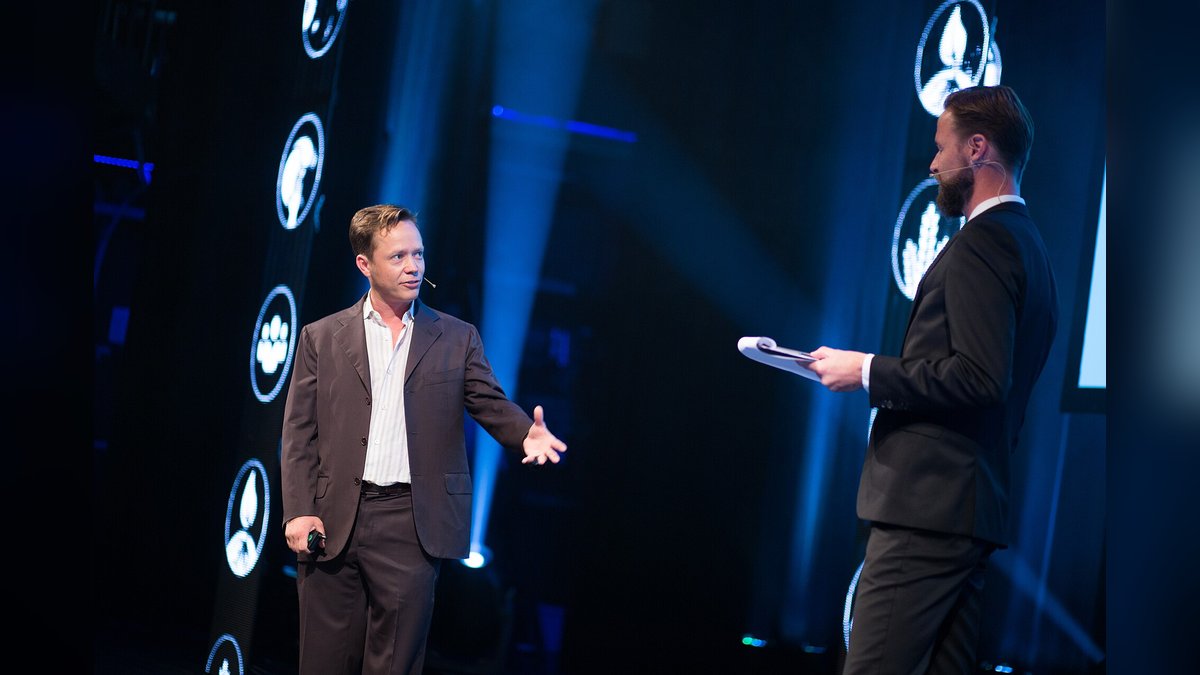
As Pierce’s financial and media interests expanded, his focus began to extend into the realm of direct political engagement and international philanthropy. His commitment to shaping the future of American policy, particularly through the lens of technology, was most visible during his 2020 presidential campaign. On July 5, 2020, he announced his candidacy for President of the United States as an independent, filing the requisite registration documents with the FEC on July 7. His platform, branded as “America 2.0,” centered on the belief that technology constituted the biggest issue facing the nation’s future, positioning his background as an entrepreneur as a key qualification for the role.
Pierce’s political vision advocated for sweeping systemic changes, including the implementation of a single-payer health-care system and the establishment of a universal basic income, which he suggested could be enabled through digital currencies. He also strongly advocated for the legalization of marijuana, arguing that the existing war on drugs had failed, and proposing the pardon and expungement of all non-violent cannabis crimes while ending federal enforcement. Criticizing the traditional two-party structure, Pierce indicated his intent to form a major third party, a sentiment solidified by his announcement on September 14, 2020, that he would form a new party to run candidates in 2022. The campaign garnered support from figures including venture capitalist and Bitcoin advocate Tim Draper, and was backed by singer and entrepreneur Akon, who managed the presidential campaign as chief strategist. The political novelty of his campaign was highlighted on October 13, 2020, when he became the first presidential candidate in U.S. history to receive a vote through an app on a personal mobile phone utilizing blockchain technology, specifically through the Voatz app in Utah County.
🧪 Blockchain Voting Demonstration
In a notable political event, Pierce became the first presidential candidate in U.S. history to receive a vote via an app on a personal mobile phone utilizing blockchain technology. This occurred on October 13, 2020, specifically through the Voatz app in Utah County.
Beyond the domestic political sphere, Pierce has become visibly involved in international humanitarian and reconstruction efforts, most notably concerning Ukraine. Sources within the Ukrainian and Jewish communities have linked him to post-war educational and reconstruction initiatives. In a significant development, on March 2025, Pierce jointly laid the foundation stone for a planned business school in Anatevka, a refugee village located near Kyiv. This project was intended to support Ukraine’s post-war economic recovery and cultivate new opportunities for local young entrepreneurs. The Office of the Chief Rabbi of Ukraine confirmed that Pierce visited Ukraine at the invitation of Moshe Azman to examine the impact of Russia’s invasion. Further cementing his involvement, Pierce was appointed Strategic Advisor for Europe and the Middle East for the Ukraine Reconstruction Summit 2025, held at MGM National Harbor near Washington, D.C., an event focused on multi-billion-dollar investment projects. During this summit, video coverage showed Pierce, identified as chairman of the Bitcoin Foundation, presenting an award to American pastor Mark Burns for his advocacy on behalf of Ukraine.
Controversies and Legal Scrutiny

The trajectory of Brock Pierce has been marked by immense financial success and media visibility, but his career has not been immune to intense public and legal scrutiny. Early in his professional life, the controversies centered on allegations of misconduct. In 2000, three former employees of DEN filed a lawsuit naming both Pierce and Marc Collins-Rector. The plaintiffs alleged that they had been pressured for sex and provided with drugs while Pierce and one of the plaintiffs were still teenagers. While the allegations were severe, the legal process ultimately saw the charges against Pierce and another individual named Shackley dismissed or settled out of court.
Years later, the spotlight shifted to a different, far more volatile arena: the intersection of digital currency, international finance, and high-profile investigations. Pierce’s name surfaced repeatedly in reports concerning figures linked to the illicit financial world, most notably Jeffrey Epstein. These associations have provided a recurring, and often troubling, element to the public record surrounding the entrepreneur.
Scrutiny Through the Epstein Files
Specific details emerged in February 2026 through an investigation by The Kyiv Independent, which analyzed newly released U.S. Department of Justice documents concerning Epstein. These documents contained an email in which a man identified as Pierce, described as a co-founder of Tether, wrote to Epstein stating that “a boat in Antigua full of amazing Ukraine’s finest” was waiting for him. Further context was provided by an analysis from the crypto news outlet Protos, detailing an interaction from 2012. During a trip to “Moscow, Kiev, and Odessa,” Epstein had asked Pierce to “take photos and find me a present.” In response, Pierce emailed Epstein dozens of photographs of a Ukrainian woman named Anastasia. The correspondence was marked by a specific sentiment, closing the message by stating that “Ukraine is now my favorite country.” In a subsequent email, Pierce further invited Epstein to join him on “a boat in Antigua… full of Ukraine’s finest.”
Beyond these high-profile scandals, Pierce has also been involved in localized economic efforts and community funding. In 2017, he relocated to Puerto Rico, joining other traders in an endeavor focused on establishing a cryptocurrency-based local economy in the aftermath of Hurricane Maria. More recently, his philanthropic and civic involvement included funding a new NYPD Gaming Trucks initiative in New York City in late 2021. These varied efforts—from pioneering crypto-based local economies to funding municipal outreach—underscore a career marked by constant reinvention, often against a backdrop of persistent controversy and detailed public investigation.
Current Endeavors and Residential Properties
Brock Pierce’s current endeavors weave together threads of high finance, community rebuilding, and personal roots. On the personal front, he is married to Crystal Rose, who holds the titles of CEO of Sensay and co-chairman of the United Council of Rising Nations. His physical and operational base has seen significant shifts, reflecting his commitment to decentralized economies. In 2017, Pierce relocated to Puerto Rico, joining other traders. There, he became a key leader in a group dedicated to constructing a cryptocurrency-based local economy, a massive undertaking conceived in the aftermath of Hurricane Maria.
The physical manifestation of his expanding enterprise is evident in his real estate portfolio. In 2018, Pierce converted a former monastery located in Old San Juan, Puerto Rico, establishing it as his headquarters. This move anchors his deep involvement in the island’s economic recovery. Separately, his Washington, D.C. holdings illustrate a connection to institutional history. In 2020, Pierce acquired Dwight Howard’s Pierce School Loft. This building, originally constructed in 1893, is situated within a former schoolhouse named for U.S. President Franklin Pierce, grounding his modern financial interests within a storied American architectural context.
His commitment to localized economic stimulus extends beyond his private holdings. The narrative of community building is perhaps most visible in his support for infrastructure and local commerce. In late 2021, Pierce was instrumental in funding a new NYPD Gaming Trucks initiative within New York City. These actions demonstrate a pattern: utilizing his capital and influence not merely for investment returns, but for direct, visible support of community-level systems and technological adoption. From the conversion of a monastic site in Puerto Rico to the acquisition of historic school lofts in the nation’s capital, Pierce’s physical footprint reflects a deep, multifaceted engagement with the mechanics of modern economic revival.
Frequently Asked Questions About Brock Pierce
What is Brock Pierce best known for?
Brock Pierce is best known as an American entrepreneur specializing in the cryptocurrency industry. He is recognized for co-founding Tether and for his role in building influence within the decentralized finance ecosystem. He also gained early public recognition as a child actor in the 1990s.
Did Brock Pierce start his career in acting or business?
Pierce initially began his public career in acting, starring in films like *The Mighty Ducks* starting in 1992. However, he pivoted dramatically into business, first with internet media in 1997, and later establishing himself in the volatile world of cryptocurrency.
Which companies did Brock Pierce co-found or work with in the crypto space?
In the crypto sector, Pierce co-founded Tether in 2014 and was elected Director of the Bitcoin Foundation that same year. He was also involved with Crypto Currency Partners, which evolved into Blockchain Capital, and co-founded Block.one.
Is Brock Pierce married, and who is his spouse?
Yes, Brock Pierce is married. His spouse is Crystal Rose. The fact sheet provides this personal detail, noting his marital status and the name of his wife.
What political campaigns has Brock Pierce been involved in?
Brock Pierce was involved in the 2020 United States presidential election. He ran as an independent candidate, filing his registration documents on July 7, and campaigned on a platform called ‘America 2.0.’
Final Thoughts: The Legacy of Brock Pierce
Brock Pierce’s career is a study in dramatic pivot points, tracing a path from the family-friendly cinema of the mid-nineties to the volatile, decentralized world of digital finance. His early entrepreneurial forays laid critical groundwork for the internet economy; from co-founding Digital Entertainment Network, which aimed to deliver original episodic video content, to building Internet Gaming Entertainment into a dominant force in the MMORPG currency-selling market, he repeatedly demonstrated an aptitude for identifying and capitalizing on emerging digital infrastructures. These foundational roles established him as a significant player in the nascent digital landscape.
However, it was the crypto revolution that cemented his global profile. His involvement became highly visible when he co-founded the stablecoin Tether in 2014 and was elected Director of the Bitcoin Foundation in the same year. These ventures placed him at the epicenter of the modern monetary frontier, showcasing a consistent ability to structure and fund massive, transformative technologies. From the early days of dot-com speculation to the global adoption of decentralized ledgers, Pierce’s influence has spanned multiple technological epochs, leaving a complex and indelible mark on modern finance.
As the digital economy continues its rapid maturation, the question remains not merely of who pioneered these assets, but how the next generation of technological pioneers will redefine the very concept of value itself.
Sources and Further Reading
- Brock Pierce — Wikipedia (text available under CC BY-SA 4.0)
- The Decline and Fall of an Ultra-Rich Online Gaming Empire — wired.com
- Viewing TV-Style Programs in the DEN — latimes.com
- TechCrunch – Playsino Funding — techcrunch.com
- Epstein’s crypto ties: Documents reveal early Coinbase investment, publicist’s view of ‘complete creep’ Michael Saylor — fortune.com
- Official website