Read this article in: Portuguese (Português) · Spanish (Español)
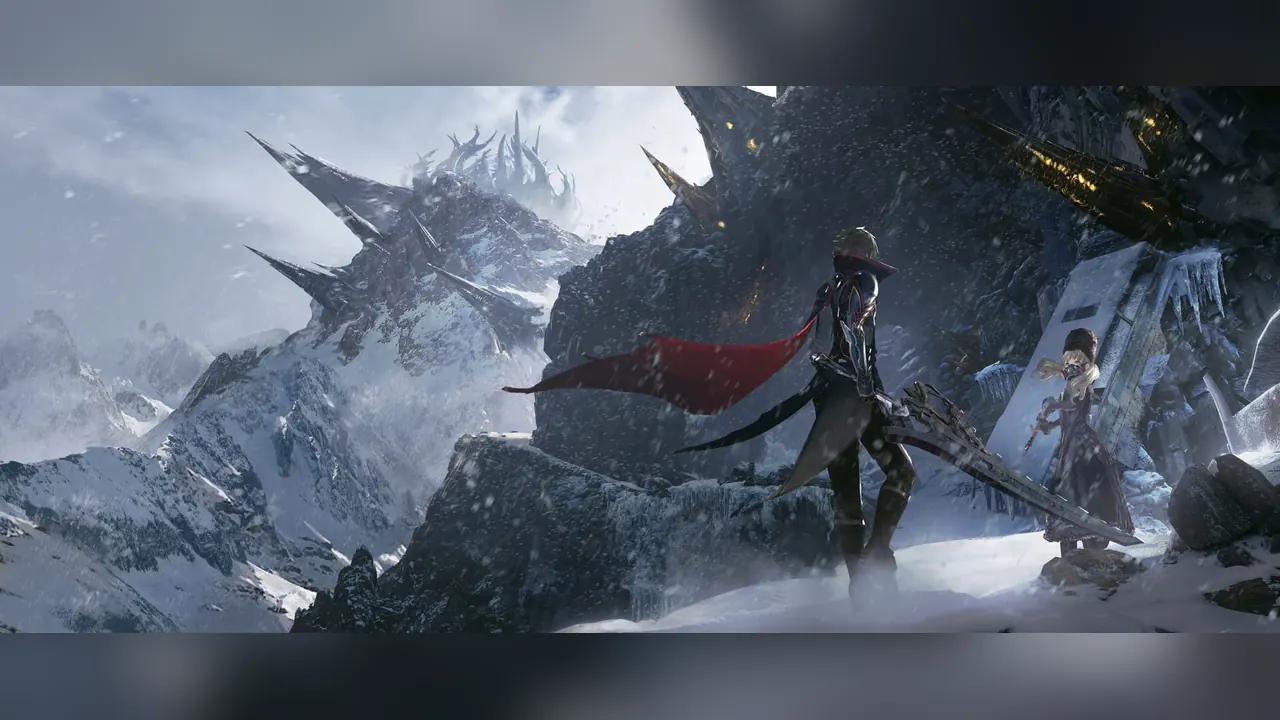
Code Vein is a vibrant and complex action RPG that established a distinct niche in the gaming scene, immersing the player in a post-apocalyptic dystopia dominated by vampires and beings known as Revenants. Developed by Bandai Namco Studios and Shift and published by Bandai Namco Entertainment, the title stands out for its dark setting and its focus on the themes of blood and survival. The narrative places the player in a world devastated by the “Great Collapse,” where humanity fights against giant monsters called Horrors, and the only hope lies in manipulating supernatural powers derived from consuming “Blood Beads.”
The journey behind the creation of Code Vein is long and full of detail. Project planning began around 2014, under the direction of Hiroshi Yoshimura and with the participation of a multidisciplinary team of artists and writers. Although the game was announced in April 2017, its release was postponed, finally reaching the public on September 27, 2019, for platforms such as PlayStation 4, Xbox One, and Windows. The title, which combines elements of action and open-world exploration, managed to sell over three million copies, solidifying its presence despite the mixed reviews it received.
In this article, we unravel the complex story behind the creation of this universe. We will begin by profiling the team that brought the dystopia to life, exploring the origin of the idea and the thematic inspirations that shaped the game. Next, we will analyze the development process, the challenges, and the evolution of the project before diving into the Revenant gameplay and the cycle of blood. Finally, we will take stock of the release and the lasting legacy of Code Vein.
Key Points
- Released on September 27, 2019, the game is available for PlayStation 4, Xbox One, and Windows.
- The visual aesthetic and combat were influenced by God Eater 3, while the atmosphere is reminiscent of Dark Souls.
- The universe is a post-apocalyptic dystopia where Revenants, vampires, are the main threat.
- The game uses the Unreal Engine 4 and was developed by Bandai Namco Studios and Shift.
- Post-launch support included three DLCs: Hellfire Knight, Frozen Empress, and Lord of Thunder.
Code Vein in summary
| Genre | Action role-playing |
|---|---|
| Release | September 27, 2019 |
| Developers | Bandai Namco Studios; Shift |
| Publisher | Bandai Namco Entertainment |
| Director | Hiroshi Yoshimura |
| Platforms | PlayStation 4; Windows; Xbox One |
| Modes | Single-player, multiplayer |
| Graphics Engine | Unreal Engine 4 |
Who Created Code Vein: The Team Behind the Dystopia
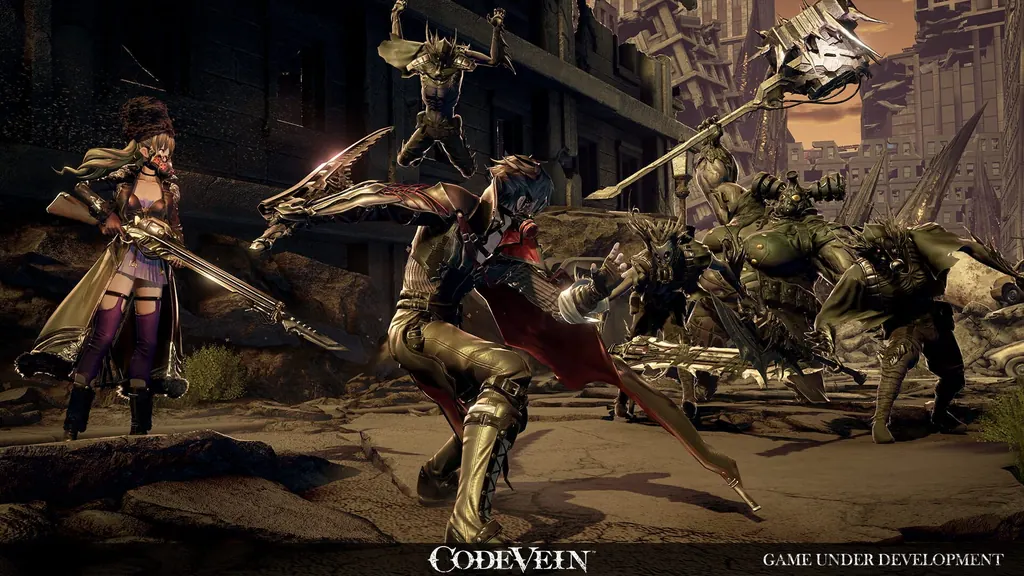
The creation of Code Vein is a testament to the complex and multifaceted collaboration typical of large game development studios. At the heart of this project is the partnership between Bandai Namco Studios and Shift, who were responsible for execution and production. Under the creative leadership of Hiroshi Yoshimura, the game managed to fuse elements from different genres, establishing its unique identity. One of the most notable conceptual pillars is the direct influence from the God Eater universe. The game’s animation drew heavily from this source, with the God Eater development team working on Code Vein, which is crucial to understanding the aesthetic and combat fluidity the title presents.
The creative structure of Code Vein is robust, involving a large number of talents in various areas. The director, Hiroshi Yoshimura, shares writing credits with Masato Kurata and Yuta Yamamoto, ensuring that the narrative of the vampiric dystopia is cohesive and deep. For those interested in vampire stories, it is interesting to check out the dark history of the vampiric saga, which is also very rich. The overall vision of the project was expanded and supervised by producers such as Keita Iizuka and Takeshi Miyazoe. In the design field, Yuta Yamamoto and Kasumi Nakayama were fundamental in translating the thematic vision into playable mechanics and visual setting. The soundtrack, which contributes immensely to the gothic and post-apocalyptic atmosphere, was composed by Go Shiina, elevating the immersive quality of the experience.
The Development Journey
The development process of Code Vein was extensive and ambitious. Planning for the game began around 2014, a period when the team already had about 200 developers working on the project. The game was officially announced in April 2017, with an original release date set for September 2018. However, the project experienced delays, culminating in the final release on September 27, 2019. This long production journey allowed the game to be built on a solid technical foundation, utilizing the Unreal Engine 4 engine.
The technical team that supported the creative vision is equally remarkable. Programmers Akihiro Kayama and Masato Ito were responsible for implementing the complex action and combat mechanics. The visual art, which defines the distinct look of the Revenants, was carefully crafted by artists such as Kurumi Kobayashi and Koichi Itakura. This combination of art, programming, and direction allowed for the creation of an action RPG that, besides being played on platforms like PlayStation 4, Windows, and Xbox One, stood out for its complexity and dedication, as evidenced by the extra content packs, such as Hellfire Knight, Frozen Empress, and Lord of Thunder, which were released throughout 2020.
🕒 The Code Vein Development Journey
- Around 2014 — Game planning began with about 200 developers.
- April 2017 — Official announcement of the game with a planned release date of September 2018.
- September 27, 2019 — Final release of the game after delays.
- Throughout 2020 — Release of additional content packs such as Hellfire Knight and Frozen Empress.
The Origin of the Idea and Thematic Inspirations
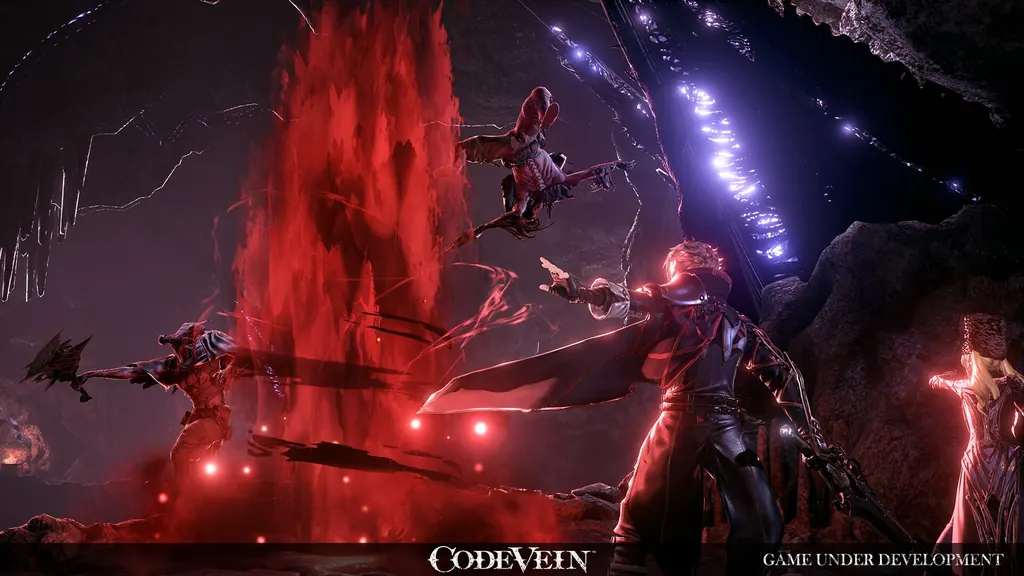
The genesis of Code Vein lies in the fusion of dark fantasy and post-apocalyptic science fiction elements, resulting in a universe where survival is a constant struggle against a supernatural plague. The game’s central setting is a ruined world, a post-apocalyptic environment devastated by a cataclysmic event, which sets the stage for the rise of the Revenants. These beings, who are essentially vampires, dominate the landscape and represent the main existential threat. The core idea, therefore, is that of a dystopia where civilization has collapsed, and what remains are individuals fighting to maintain a thread of humanity while being hunted or transformed by a biological and supernatural force.
For this theme to work in an action-adventure format, the development team, under the direction of Hiroshi Yoshimura, needed to establish a gameplay system that was challenging and immersive. This is where the clearest and most recognizable thematic inspiration appears: the Dark Souls series. Additionally, it is interesting to note the evolution of development tools, such as Visual Studio Code and its history, which also showed remarkable growth. The DNA of Code Vein draws directly from the gothic atmosphere and the inherent difficulty associated with FromSoftware games. By incorporating action RPG mechanics with the sense of danger and the decaying environment characteristic of the Souls series, the creators managed to create an experience that is both vibrant and deeply melancholic.
📘 Revenants
They are essentially vampire beings that dominate the landscape in Code Vein. They represent the main existential threat in the game’s dystopia.
The Convergence of Styles
The genre fusion was not limited to gameplay. The visual aesthetic and the pace of action were also influenced by other established franchises. While the setting and narrative complexity evoke the dark fantasy theme, the game’s animation has roots in the God Eater 3 universe. It is important to note that the developers involved in creating God Eater 3 actively participated in the Code Vein project, ensuring stylistic continuity in terms of movement and visual presentation.
Therefore, Code Vein is not just a vampire game in a collapsing world; it is a design experiment that attempts to combine the depth and atmosphere of a challenging fantasy game (the Souls inspiration) with a specific action and combat aesthetic (the influence of God Eater 3). The result is an action RPG, released on September 27, 2019, that establishes its niche by forcing the player to navigate a cycle of life and death, driven by the blood cycle and the constant threat of the Great Collapse.
Development: Challenges, Time, and the Evolution of the Project
The development journey of Code Vein is a testament to the complexity and rigor involved in producing an ambitious title. Initial project planning began around 2014, marking the start of a creative process that would span several years. From the early stages, the magnitude of the project was evident, involving a large body of talent at one point; for those interested in supernatural creature narratives, it is interesting to learn more about who created Legacy of Kain. The title was developed by Bandai Namco Studios and Shift, under the direction of Hiroshi Yoshimura, and featured a team that, at one point in production, involved around 200 developers, underscoring the massive effort required to realize the vision of the vampiric dystopia.
The conceptualization and refinement work was long and meticulous. The first major reveal to the public occurred in April 2017. However, the path to release was not linear. Initially, the game was scheduled for release in September 2018. Yet, development required more time to achieve the level of polish and complexity desired by the team, resulting in a significant delay. This period of adjustments and refinement is characteristic of major productions, where creative ambition often clashes with market deadlines, forcing restructuring and postponement of the schedule.
Arrival and Post-Launch Support
After the waiting period, Code Vein finally reached the public on September 27, 2019. The visual impact of the game was further intensified by its opening sequence, which was created by the animation studio Ufotable, adding a layer of art and spectacle to the gaming experience.
The team’s dedication did not stop at the launch. Post-launch support demonstrated a commitment to the Revenant universe with the introduction of additional content. In January 2020, the first downloadable content (DLC) pack, titled Hellfire Knight, was released. The content evolution continued at a fast pace: just one month later, the second DLC, Frozen Empress, was made available. The expansion line was completed in March 2020 with the release of the third and final pack, Lord of Thunder, solidifying the longevity and depth of the Code Vein world.
📌 Code Vein Development Milestones
- Planning began: around 2014
- First major reveal: April 2017
- Initial planned release: September 2018
- Official release: September 27, 2019
- First DLC (Hellfire Knight): January 2020
The World of Revenants: Gameplay and the Blood Cycle
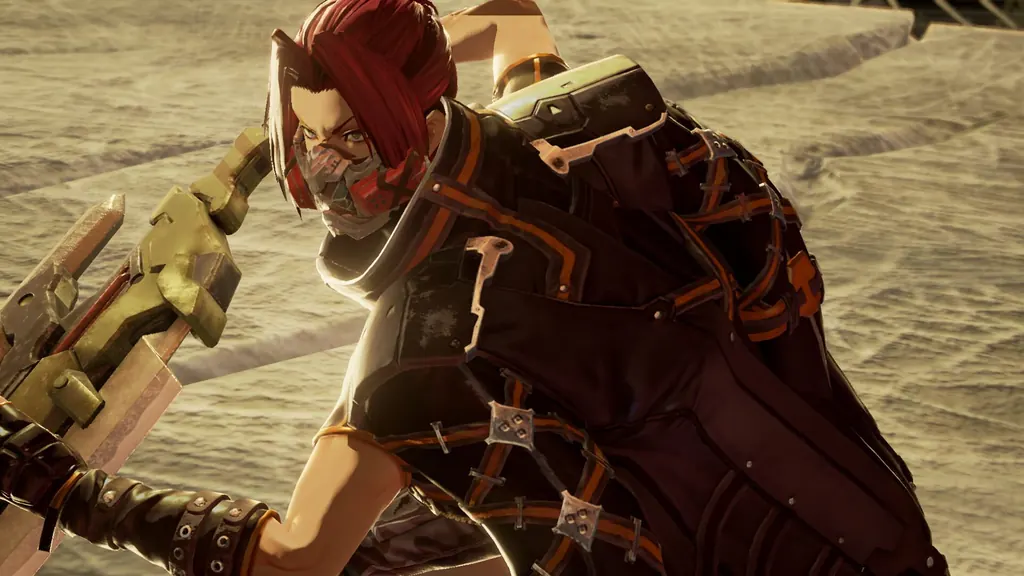
The universe of Code Vein is presented to the player through a third-person action-adventure lens, establishing a post-apocalyptic science fiction atmosphere. The main setting is Gaol of the Mists, a ruined city where survival is a constant struggle. The player takes on the role of a Revenant, supernatural beings whose existence is intrinsically linked to a complex cycle of power and suffering. Upon awakening in this devastated environment, the protagonist is introduced to key figures such as Io, a mysterious assistant, and Louis Amamiya, a researcher dedicated to securing the supply of a vital resource for the city’s inhabitants: Blood Beads.
The Revenants are defined by their ability to manifest a Blood Code, which functions as an individual trait and a unique power source. This code is acquired by absorbing traces of the Lost, gigantic and powerful beings. The central concept of power, therefore, does not reside merely in physical strength, but in the manipulation of these biological signatures. The group discovers that the protagonist can use the Blood Code of any being whose blood they share, turning lineage and ancestry into a tool for combat and skill development.
The Mechanics of Blood and the Imprisoned City
The mechanics of Blood Beads drive the dramatic tension and gameplay. These Blood Drops are the essential resource for maintaining the stability of Gaol of the Mists. The city operates on a taxation system (levy) of these substances, which underscores the fragility and dependence of its inhabitants. Gaol itself was established by Silva with a dark purpose: to contain the Revenants in the name of humanity, and this containment required a constant supply of blood to be maintained.
The cycle of power is complex and involves the figure of the Queen and the Successors. The Queen, whose body was divided into pieces called ‘Relics,’ is an immortal being whose corruption threatens everyone. The Successors are volunteers who imprison themselves in crypts to contain these Relics, resisting the corruption. The fate of the protagonist and their companions is directly tied to the ability to maintain or restore order, whether by calming the Successors or by fighting the rise of the new Queen, the Virgin Reborn.
The experience of playing Code Vein is a dive into this cycle of blood and containment. The gameplay, inspired by titles such as the Dark Souls series, requires the player to navigate a narrative where power is a burden. The story unfolds in a search for answers about the true fate of the Revenants and the cost of survival in a post-apocalyptic world—an environment that demands not only combat but also deep moral choices, as seen in the game’s complex conclusion. This world design and power system establish a dark and challenging tone.
📊 Core Elements of the Revenant World
| Concept | Primary Function | Implication |
|---|---|---|
| Revenant | Supernatural being | Linked to a cycle of power and suffering |
| Blood Code | Individual characteristic | Unique power source acquired through absorption |
| Blood Beads | Essential resource | Maintains the stability of the Gaol of the Mists |
| Queen | Immortal being | Her corruption threatens everyone, her body divided into Relics |
| Successors | Voluntary individuals | Contain the Relics in crypts to resist corruption |
The Release and the Legacy of Code Vein
The release of Code Vein marked a crucial point in the trajectory of Bandai Namco Studios and solidified the title in the action RPG scene. Directed by Hiroshi Yoshimura, the game reached a global audience on September 27, 2019. Its debut was characterized by availability on multiple platforms, including PlayStation 4, Xbox One, and Windows, allowing the vampiric dystopia experience to be accessed by a vast audience of PC and console gamers. The market arrival was immediate and notable, especially in Japan, where the PS4 version debuted in second place in the video game sales ranking, recording 60,843 copies sold in its first week of release.
Throughout its journey, Code Vein has shown an interesting polarization: while critical reception was generally mixed, commercial success proved to be robust. On review aggregators like Metacritic, the game received varied scores for the Windows and PlayStation 4 platforms, while the Xbox One version received a more favorable consensus. International critics offered differing opinions, highlighting, on one hand, the title’s ability to innovate within its core formula, and, on the other, flaws in its execution. For example, while some pointed to the story’s fun “ridiculousness,” others criticized the lack of narrative cohesion or excessive difficulty.
An analysis of the reviews revealed a constant debate about the quality of the experience. Some outlets, like Hardcore Gamer, described the game as “surprisingly delicious,” despite pointing out issues with combat and story. Others, such as IGN, recognized the “enthusiasm for mixing things and being a bit strange” as a positive point, even while criticizing the artificial intelligence’s inconsistency. This mix of praise and criticism suggests that Code Vein was not a universally acclaimed game, but rather a title that generated intense conversations about the balance between creative ambition and technical refinement.
Despite the reservations pointed out by professional critics, the legacy of Code Vein is undeniably supported by its sales figures. The player base has shown great appreciation for the established universe. The game surpassed one million copies sold by February 2020, and that number continued to grow, reaching over two million copies by September 2021. In March 2023, total worldwide sales exceeded three million copies, a testament to the lasting engagement the title managed to generate. This popularity and commercial success not only cemented Code Vein‘s place in the action RPG genre but also paved the way for new stories, culminating in the release of the sequel, Code Vein II.
Glossary
- Revenants: Supernatural beings, essentially vampires, who dominate a ruined world.
- Blood Code: An individual characteristic that allows a Revenant to manifest its unique power source.
- Blood Beads: An essential resource used to maintain the stability and function of the city of Gaol of the Mists.
- Gaol of the Mists: The ruined city, the game’s central setting, where survival is a constant struggle.
- Successors: Volunteer individuals who imprison themselves in crypts to contain the Relics and resist corruption.
- Relics: Pieces of the Queen’s body, an immortal being whose corruption threatens all inhabitants.
Frequently Asked Questions
Is Code Vein like Dark Souls? What is the main difference?
The game draws directly from the gothic atmosphere and the intrinsic difficulty associated with FromSoftware titles. It incorporates action RPG mechanics with the sense of danger and the decaying environment characteristic of the Souls series, creating a melancholic and challenging experience.
Who created Code Vein, and which studio developed the game?
The game was developed by Bandai Namco Studios and Shift. Creative direction is shared by Hiroshi Yoshimura, and the narrative is cohesive thanks to the participation of Masato Kurata and Yuta Yamamoto.
What is the setting of Code Vein, and what are Revenants?
The setting is Gaol of the Mists, a ruined world that establishes a post-apocalyptic science fiction. The Revenants are supernatural beings, essentially vampires, who dominate the landscape and represent an existential threat.
When was Code Vein released, and on which platforms is it available?
The official release was on September 27, 2019. The vampiric dystopian experience was made available to a wide audience, including the PlayStation 4, Windows, and Xbox One systems.
What happened after the release of Code Vein? Is there a sequel?
Post-launch support was robust, with the introduction of additional content. Three downloadable content (DLC) packs were released: Hellfire Knight, Frozen Empress, and Lord of Thunder, which solidified the universe’s longevity.
Conclusion
The genesis of Code Vein transcends the simple creation of a game; it represents a complex design experiment and a celebration of large-scale collaboration. The title established its unique identity by merging gothic atmosphere and the inherent difficulty of dark fantasy titles, such as the Dark Souls series, with the action aesthetic and combat fluidity inherited from the God Eater universe. The result is an action RPG set in a post-apocalyptic dystopia, where the struggle for survival against the Revenant plague drives a deeply melancholic and challenging narrative.
This thematic ambition was sustained by a long and meticulous development journey. Initiated around 2014 and involving a team of talent that, at one point, numbered around 200 developers, the project was a testament to the rigor required to realize such a complex vision. After a non-linear path, culminating in the September 27, 2019, release, the team’s dedication continued with post-launch support, which kept the Revenant universe vibrant.
Code Vein, therefore, is more than a game about ruined vampires; it is proof that the convergence of styles, when executed with precision, can generate a rich and memorable experience. For players seeking more than just combat, but rather an immersion in a world of collapse and existential dilemmas, this vampiric dystopia offers a challenging and visually distinct journey. It is time to dive into this cycle of blood and discover what remains of humanity in a world consumed by the Great Collapse.