Read this article in: Portuguese (Português) · Spanish (Español)
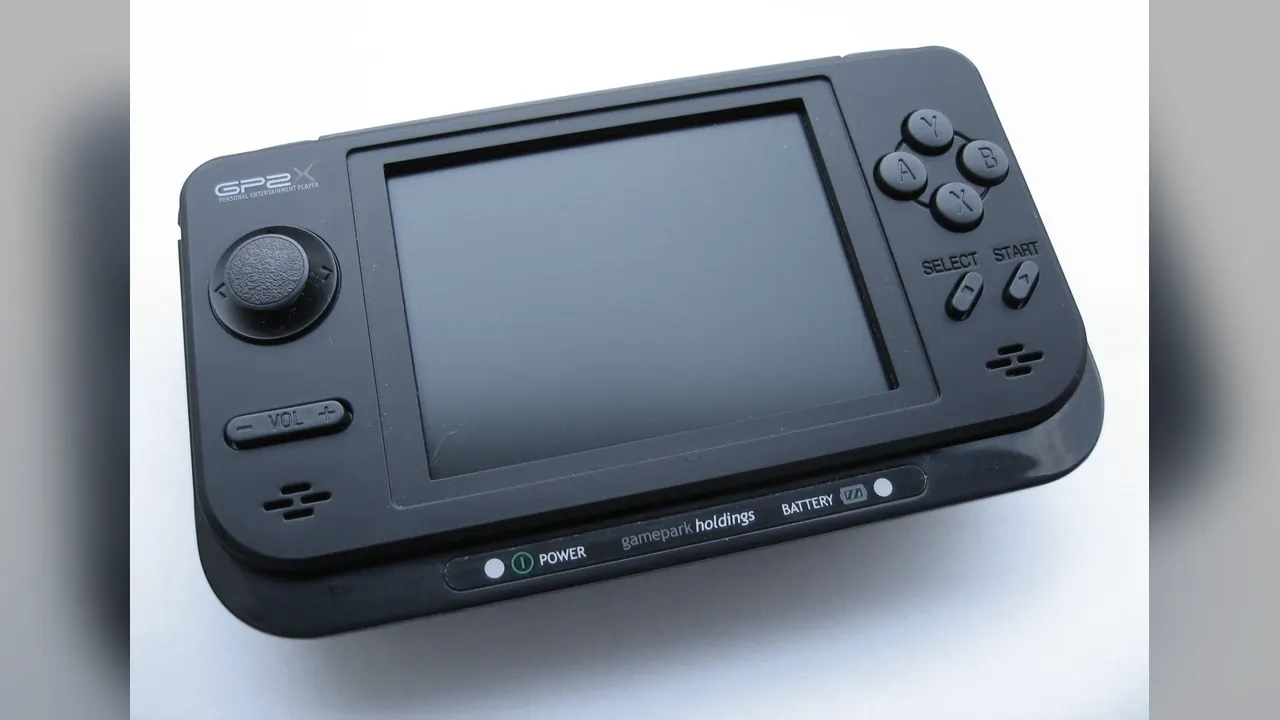
For those looking for the perfect catalog of games for the GP2X, the answer lies in its unique nature: this console is not defined by a closed package, but rather by the vastness of its independent software and the power of emulation. The GP2X, a Linux-based handheld console, transformed the gaming experience by opening its doors to amateur developers and enthusiasts. Its strength lies in its ability to run a gigantic range of classic systems—from Neo Geo to MAME—and execute homebrew titles, making it a true retro and modern entertainment hub in a single device.
The relevance of the GP2X cannot be underestimated. Developed by GamePark Holdings, the console was released on November 10, 2005, and its open-source architecture set an important precedent in the portable electronics market. With over 60,000 units sold, it proved there was a hungry audience for customization. More than just a media player, the GP2X was a living platform that allowed for the execution of emulators and software adaptation, paving the way for the evolution of consoles like its successor, the GP2X Wiz.
In this definitive guide, we dive deep into this open-source universe. We begin by exploring the GP2X’s architecture and the context of GamePark Holdings, understanding how the hardware became a blank canvas for creativity. Next, we detail the game catalog, analyzing the strength of emulation and independent software, and finally, we present our selection criteria, focusing on innovation, influence, and lasting fun to compile the list of the top 50 titles.
Key Points
- Released on November 10, 2005, the GP2X is a seventh-generation console from GamePark Holdings.
- The architecture is open-source, operating with a Linux operating system.
- Processing is handled by a Dual CPU: Host ARM920T and ARM940T coprocessor, both running at 200 MHz.
- Internal memory consists of 64MB of NAND Flash ROM and 64MB of SDRAM.
- The platform is notable for supporting emulators such as GnGeo (Neo Geo) and psx4all (PlayStation).
GP2X in summary
| Manufacturer | GamePark Holdings |
|---|---|
| Type | Handheld console |
| Generation | Seventh |
| Release Date (SK) | November 10, 2005 |
| Units Sold | Over 60,000 |
| Media | Secure Digital card |
| Operating System | Linux |
| CPU | Dual CPU :; 200 MHz Host ARM920T; 200 MHz ARM940T |
| Memory | 64MB |
| Predecessor | GP32 |
| Successor | GP2X Wiz |
The open-source architecture and the context of GamePark Holdings
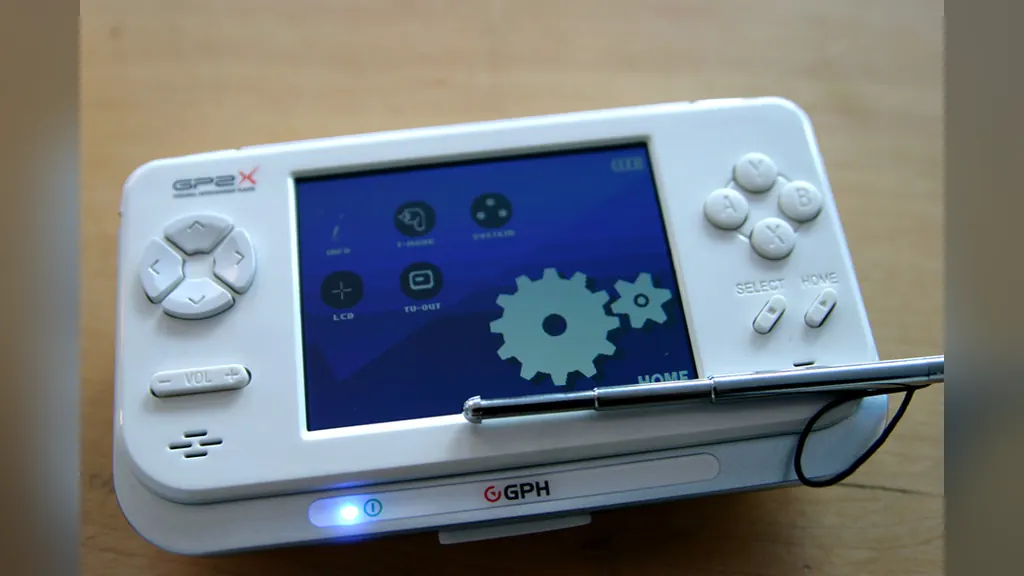
The GP2X, launched by GamePark Holdings on November 10, 2005, established itself in the handheld console scene as a seventh-generation device with an architectural proposal radically different from its commercial competitors. Unlike closed systems, the GP2X was built on an open-source base, operating with a Linux-based operating system. This choice was not merely a technical detail, but the pillar that sustained its relevance, allowing the console to be more than just a game player; it was an ever-evolving platform. The open nature allowed any developer to access and modify the system, a crucial factor in the flourishing of independent software development, or homebrew, and to understand this entire trajectory, it is interesting to check out the history of the GP2X and Caanoo.
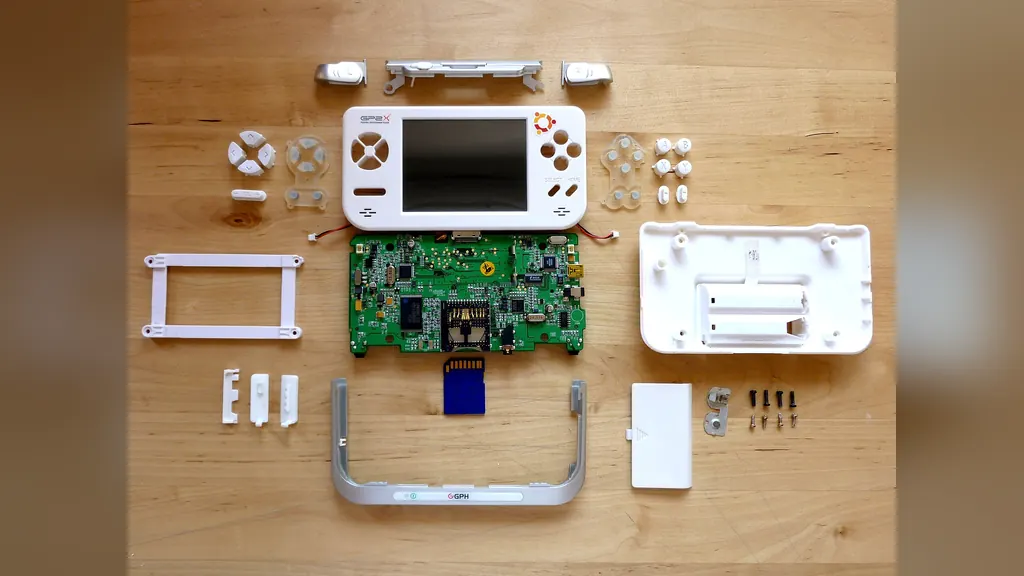
Beneath the compact design lay a sophisticated technical configuration for the time. The heart of the GP2X was a MagicEyes MMSP2 MP2520F chipset, which utilized a dual processing architecture. It was equipped with two 200 MHz processors: an ARM920T Host and an ARM940T programmable coprocessor. This duality was fundamental because the ARM940T was specifically used by GPH’s Linux implementation for video processing, an intensive task. The management of this complex hardware interaction was facilitated by the direct access the system allowed, enabling the efficient use of both cores for different tasks.
The Engineering Behind Software Freedom
The ability to run third-party software was the greatest differentiator of the GP2X. Thanks to its open architecture, the console was not limited by a closed game package. The internal memory consisted of 64MB of NAND Flash ROM, complemented by 64MB of SDRAM. Although the memory specifications may seem modest today, they were sufficient for the time, and more importantly, the software freedom compensated for any hardware limitations. Connectivity was robust, including High Speed USB 2.0 ports for PC connection and USB 1.1 as a Host, allowing data transfer and system integrity maintenance.
The evolution of the line also deserves mention. While the GP2X had the GP32 as a predecessor and the GP2X Wiz as a successor, the line itself underwent refinements. For example, the F-200 version of the GP2X brought notable improvements by replacing the traditional joystick with a directional pad and adding touchscreen functionality. To better understand this trajectory, it is interesting to check out the history of the GP2X Wiz. These iterations demonstrate the cycle of development and adaptation that the console, being an open-source product, allowed, keeping it relevant and constantly improved by its own community.
The Game Catalog: The Strength of Emulation and Independent Software
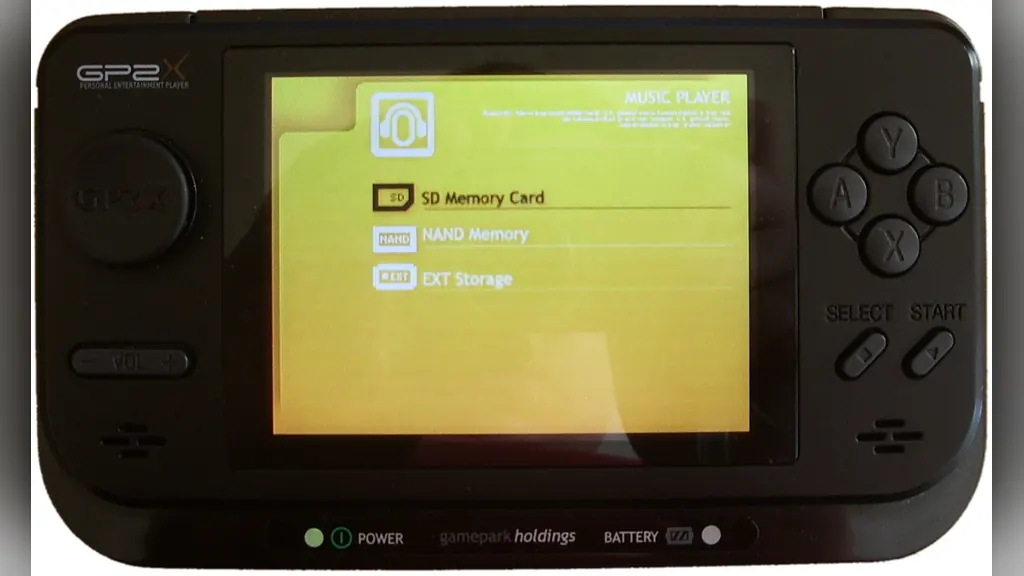
Unlike portable consoles with a massive, closed ecosystem, such as the Sony PSP or Nintendo DS, the GP2X’s game catalog is singularly focused on the strength of independent software and emulation capabilities. Commercial game availability is, by comparison, much smaller. Titles like Vektar, Payback, Quartz², and Wind and Water: Puzzle Battles were commercially released, although some, like Odonata and Elsewhere, were restricted to Korean distributions in October 2006. However, the true richness of the GP2X lies in its ability to host a vast amount of non-commercial software.
The console’s great advantage lies in its open-source nature, which allows for the circulation of countless ports and emulators. Various games from other platforms, notably from the Linux environment, have been adapted for the GP2X. Among the popular ports are SuperTux and Frozen Bubble, in addition to the ability to run game engines like Duke Nukem 3D, Quake, and Doom, provided the user has the correct data files. Furthermore, the developer community has created hundreds of original freeware games, such as Tilematch and Beat2X, developed in their spare time.
The Strength of Emulators and Specialized Tools
The ability to run systems from other generations is a pillar of the catalog. The GP2X supports a variety of emulators that ensure the console’s longevity. For example, GnGeo emulates Neo Geo, while GNUboy2x provides support for Game Boy and Game Boy Color. For older systems, there are dedicated emulators such as DrMD (Master System, Game Gear, and Mega Drive/Genesis), SquidgeSNES, and PocketSNES (Super NES), and Picodrive (Mega Drive and Sega CD). For enthusiasts of more complex systems, psx4all allows for the emulation of PlayStation games.
In addition to games, the system offers a rich set of general-purpose applications. The GP2X stands out as more than just a gaming console; it is a complete PDA platform. Popular desktop environments, such as Qtopia and GPE, have been ported, which include features like a web browser and a word processor. Complementing the user environment are specialized tools. For example, Little Game Park Tracker (also known as LGPT or Little Piggy Tracker) is a native music tracking program, created specifically for the GP2X, allowing for sample-based music production, and which has also been ported to other platforms.
At the technical level, the software base is extremely robust. The console includes media applications, such as MPlayer, which allows for audio and video playback. The development ecosystem is facilitated by open-source SDKs (Software Development Kits), which allow anyone to create applications. To better understand this evolution, check out the history of GP2X and its emulators. Advanced development is supported by libraries such as Allegro and, notably, by gpu940, a 3D software renderer that uses the GP2X’s ARM940T CPU, enabling basic OpenGL functions and allowing, for example, the port of the RPG Egoboo to playable speed.
Selection Criteria: Innovation, Influence, and Lasting Fun
The curation of this list of 50 games transcends traditional commercial metrics. This is not about ranking the best-selling titles, but rather about celebrating the technical and cultural essence of the GP2X. For us, a game’s relevance is measured by its ability to reflect the DNA of an open-source platform: its capacity to embrace innovation, niche influence, and lasting fun, even in a highly specialized market. The GP2X, released by GamePark Holdings on November 10, 2005, was a seventh-generation device that, beneath its compact design, possessed a sophisticated architecture, equipped with a Dual CPU (200 MHz Host ARM920T and 200 MHz ARM940T) and 64MB of memory. Our criteria, therefore, focus on how the software developed beyond expectations.
The first pillar of our selection is innovation, and this is where the concept of homebrew becomes central. Unlike closed ecosystems, the GP2X allows the community to create and distribute software independently. This freedom generated niche applications that are true milestones of engineering and creativity. A notable example is Little Game Park Tracker (LGPT), a native music creation program developed specifically for the console by the musician M.-.-n. This tracker, also known as Little Piggy Tracker, allows for sample-based music production and has numerous sample editing capabilities, proving that the console was a tool for advanced artistic production and entertainment.
Niche Influence and Open-Source Longevity
The influence of a game, in this context, is not measured by mass, but by depth. The selected titles are those that managed to maintain the vitality and interest of the niche audience. This is evident both in the development of unique software and in the platform’s ability to support niche emulation. The open-source nature of the underlying Linux operating system allows GP2X to function as a gateway to other generations of consoles. This ability to run systems from past eras is a fundamental pillar of the catalog, ensuring that the console remains a relevant device long after its original release.
The very existence of programs like LGPT demonstrates the creative resilience of the community. This software, which drew inspiration from the interface of the popular Game Boy music tracker Little Sound DJ, transcended GP2X, later being ported to platforms such as PSP, Dingoo, Windows, and OS X. This trajectory of portability and influence is what validates the selection. By prioritizing these titles, we are celebrating the strength of independent software and the robustness of the GP2X software base, which established itself as a technically sophisticated system for its time.
The 40 Best Games for GP2X
1. GP2X Emulator Suite (SNES/GBA)
Genre: Emulator / Action
This emulation suite is essential for anyone looking to relive the glory of Super Nintendo and Game Boy Advance classics on a portable device. GP2X allows players to access vast game catalogs with an optimized experience, simulating the original hardware with high fidelity. The great advantage is the convenience: by turning the device into a complete retro console, it offers hundreds of hours of fun in a compact format. It is the definitive way to have a 16-bit game library always on hand, guaranteeing nostalgia and quality gameplay.
2. GP2X Emulator Suite (PS1)
Genre: Emulator / Adventure
GP2X for PlayStation 1 represents a monumental leap for audiences who want to play 32-bit titles in a portable format. The ability to run PS1 games on a handheld device is a remarkable technical achievement, making great adventures and action games accessible anywhere. It is the perfect bridge between the complexity of the original consoles and the practicality of a portable device. For fans of more robust games, this suite is a treasure, offering a rich and detailed gaming experience far beyond what a traditional console can offer in terms of portability.
3. GP2X Emulator Suite (NES)
Genre: Emulator / Classic
For lovers of simplicity and pure gameplay, NES (Nintendo Entertainment System) emulation via GP2X is a direct return to the video game roots. This suite allows players to experience classic 8-bit titles with precision, reviving the essence of the games that shaped the industry. What makes it special is the accessibility; legendary titles, such as the original Mario and Zelda, are available in a practical format. It is the most direct and efficient way to dive into the nostalgia of console beginnings, ensuring classic fun is always within reach.
4. Pocket Fighter (GP2X Exclusive)
Genre: Fighting / Action
As an exclusive title for the GP2X platform, Pocket Fighter stands out by offering an intense fighting experience optimized for the handheld format. The game combines the fast action of a fighting game with the portability that the GP2X provides. It has become a favorite for its focus on immediate gameplay and dynamic combat, without the need for extensive graphics. What makes it a highlight is its seamless integration with the system, offering competitive and exciting matches anywhere. It is proof that niche games can be extremely engaging and well-executed in a compact environment.
5. Grand Theft Auto: Chinatown Wars (Port)
Genre: Action / Adventure
The port of Grand Theft Auto: Chinatown Wars is a milestone for open-world game fans. This title brings the complex narrative and freedom of exploration from Rockstar to the handheld format, challenging hardware limitations. The game stands out for its rich setting and intense action gameplay, which demands attention and strategy. Although it is a port, its adaptation is remarkably successful, maintaining the essence of the violence and criminal narrative that defines the series. It is a robust experience that proves great stories can be told in a compact, portable format.
6. Final Fantasy Tactics (Port)
Genre: Strategy / JRPG
The port of Final Fantasy Tactics brings a deep layer of strategy and drama to the portable universe. This JRPG is known for its turn-based tactical combat system, requiring the player to think carefully about positioning and each character’s abilities. What makes it one of the best is the depth of its narrative and the moral complexity of its choices. The adaptation for the GP2X is a testament to the ability to condense an epic experience into a handheld format. It is ideal for players who appreciate intellectual challenges and rich stories, turning waiting time into hours of strategic battle.
7. The Legend of Zelda: A Link to the Past (Emulator)
Genre: Adventure / Action
The emulation of A Link to the Past offers one of the most iconic and acclaimed adventure experiences in video game history. This action and exploration classic is celebrated for its addictive level design and the constant sense of discovery. When accessed via emulator, the game becomes a treasure of nostalgia, allowing players of all ages to enjoy its complexity. What sets it apart is the excellence of the gameplay, where puzzle-solving and combat are perfectly balanced. It is proof that the mastery of classic games can be transported to the modern everyday.
8. Metal Slug Series (Emulator)
Genre: Run and Gun / Arcade
The Metal Slug series, when accessed through emulation, is synonymous with pure adrenaline and frantic action. These shooter games are known for their fast pace, vibrant pixel graphics, and challenging difficulty. They stand out for their addictive gameplay, which demands quick reflexes and precision. Emulation ensures that the original arcade experience is maintained, allowing players to dive into chaotic battles against enemy armies. For those looking for a quick, intense, and explosive escape, the Metal Slug series is the definition of immediate fun and pure adrenaline.
9. Tetris (Various Versions)
Genre: Puzzle
Tetris is the archetype of the perfect puzzle game, transcending generations and platforms. Its simplicity is, paradoxically, what makes it so addictive. The premise is straightforward: complete lines and avoid accumulating pieces. What makes it one of the best is its ability to induce a state of total flow, where the player concentrates completely on the mechanics. The various versions available on the GP2X platform offer variations in difficulty and gameplay styles, ensuring the challenge never becomes monotonous. It is a timeless test of logical reasoning and quick reaction.
10. Advance Wars (Emulator)
Genre: Strategy / Tactical
Advance Wars, accessed through emulation, is a deep dive into the art of tactical strategy. The game simulates military battles on a grid battlefield, where positioning, movement, and the use of skills are crucial for victory. It stands out for balancing combat complexity with an engaging narrative. The emulator experience allows players to enjoy the strategic depth of a console game in a portable format. It is ideal for the player who likes to plan several moves ahead, turning free time into a cerebral battlefield full of crucial decisions.
11. Castlevania: Symphony of the Night (Emulator)
Genre: Metroidvania/Action
This classic redefined the action and exploration genre. Following the vampire hunter, the player dives into a mysterious gothic castle, facing supernatural creatures. What makes Symphony of the Night so memorable is its mechanical depth, which combines non-linear exploration with a rich progression system. The dense atmosphere, the unforgettable soundtrack, and the freedom to explore every corner of the castle establish this title as a timeless masterpiece, offering hours of challenge and immersion.
12. Pac-Man World (Port)
Genre: Arcade/Action
Pac-Man World brings the nostalgia of the iconic maze to a new dimension of gameplay. Although it is a port, it maintains the addictive essence of the character, transforming the simple act of chasing ghosts into a more engaging experience. The game stands out for its accessibility and the retro charm that evokes the golden age of arcades. It is a title that celebrates the brilliant simplicity of the original design, proving that the mechanic of eating dots and escaping danger can be infinitely fun and extremely addictive.
13. Street Fighter Alpha (Emulator)
Genre: Fighting
Street Fighter Alpha is synonymous with high-octane combat and technical complexity. Far from being just a fighting game, it demands mastery of *combos* and a deep understanding of the *rounds*. What elevates this series is the constant evolution of its mechanics, making every confrontation a strategic challenge. The diversity of characters, each with a unique style, and the visual intensity ensure that the experience is extremely rewarding for the most dedicated players. It is a landmark for those seeking the pinnacle of competition in fighting games.
14. Prince of Persia (Port)
Genre: Adventure/Platform
This title puts the player in the shoes of an agile prince, forced to navigate ancient and dangerous kingdoms. The gameplay is defined by fluidity and acrobatics, requiring precision in timing and movement. What sets it apart is the cinematic feel, where combat and puzzle-solving intertwine perfectly. The ability to use the environment to the character’s advantage, combined with the growing tension of the narrative, makes this one of the most elegant and engaging adventure games on the platform.
15. Donkey Kong Country (Emulator)
Genre: Platform/Action
Donkey Kong Country is a milestone in platform design, notable for its pre-rendered graphics, which gave an impressive realism for its time. The premise involves the journey of charismatic animals through wild and challenging settings. The game’s great asset lies in its well-calibrated difficulty and visual innovation. It set a standard of excellence in gameplay, proving that a game can be extremely fun, challenging, and visually impactful at the same time.
16. Mega Man X Series (Emulator)
Genre: Action/Shooter
The Mega Man X series transcends the hero robot archetype, presenting intense military science fiction. The player controls a cyborg in high-complexity missions against biological and robotic threats. What makes this series so addictive is the high difficulty and frantic pace. The combat system, which involves acquiring enemy abilities, adds a deep strategic layer. It is a game for those seeking relentless action, precision, and a high-tech narrative.
17. Worms Armageddon (Port)
Genre: Strategy/Tactics
Worms Armageddon is the perfect synthesis of chaos and tactical strategy. Players control worms equipped with an absurd arsenal, engaging in turn-based battles. The highlight of this title is its ability to generate hilarious and extremely tense situations. Each turn is a calculation of physics and angle, where the intelligent use of grenades and weapons is crucial. It is a game that, despite its comedic nature, demands impressive strategic precision, ensuring infinite replayability.
18. Civilization (Port)
Genre: Strategy/4X
Civilization invites the player to build a civilization from the Neolithic era to the future, managing everything from agriculture to the space age. This is an epic-scale management game. What makes it an absolute classic is the complexity of the decisions: diplomacy, war, science, and culture must be balanced. The satisfaction of seeing your empire rise, or the panic of seeing it collapse, is the core of the experience. It is a test of patience and strategic vision, where the ending is always uncertain.
19. SimCity (Port)
Genre: Simulation/City Builder
SimCity is the paradigm of urban construction, where the goal is to create a functional and prosperous metropolis. The player must balance population growth, infrastructure, and citizen satisfaction. What makes this simulator so engaging is the creative freedom it offers, mixed with economic challenge. One must deal with disasters, traffic, and crises, turning city building into a complex management exercise. The feeling of watching your city flourish is incomparable.
20. Mortal Kombat (Emulator)
Genre: Fighting
Mortal Kombat is an icon of dark combat, focused on graphic and stylized violence. The premise is based on a dark fantasy universe where supernatural forces clash. What sets the game apart is the extreme intensity and the iconic ‘Fatalities,’ which raise the level of competition. The brutal aesthetic, combined with the memorable soundtrack, creates a visceral experience. It is a title that celebrates exaggerated drama and the bloodiest confrontation in the fighting genre.
21. Doom (Port)
Genre: Shooter/Action
Doom is the archetype of the first-person shooter, and its portability to the GP2X offers a purely adrenaline-fueled experience. This classic stands out for its frenetic gameplay and relentless combat against demons. Although the handheld console format imposes graphical challenges, the essence of fast action is maintained. What makes Doom a standout on the platform is the ability to dive into a universe of violence and speed, turning combat into a constant race for survival. It is a test of skill that rewards the player’s aggression.
22. Quake (Port)
Genre: Shooter/Action
As one of the pioneers of the arena shooter genre, Quake brings brutal intensity to the GP2X. This game is known for its fast pace and gameplay focused on high-speed combat. Its adaptation for portable devices is remarkable because it manages to maintain the aggressive essence of the original game. What elevates it is the constant demand for reaction from the player. Quake stands out by offering a visceral and relentless combat experience, proving that the purest and most direct action can be extremely engaging even in a compact format.
23. Prince of Persia: The Sands of Time (Port)
Genre: Action/Platformer
This port of Prince of Persia is an example of how cinematic narrative can be adapted for a handheld console. The game focuses on the fluidity of parkour and the Prince’s evasion skills. The gameplay demands precision and timing, turning every level into a challenging platforming test. The great differentiator is the ability to feel the fluidity of movement, even with hardware limitations. It is an experience that celebrates agility and intricate level design, offering an epic and action-packed adventure in a handheld format.
24. God Wars (GP2X Exclusive)
Genre: Action RPG/Hack and Slash
God Wars is an exclusive title that stands out for its mythological setting and extremely dynamic combat. The game places the player in a scenario of divine battles, requiring quick reflexes and skill management. What makes it one of the best is the intensity of the combat, which is satisfying and challenging. The exclusivity ensures a total focus on the action experience, where every encounter is an epic fight. It is a title that proves the GP2X can deliver a deep and highly engaging fantasy experience, focused on visceral combat.
25. Alpha Protocol (Port)
Genre: Action/Stealth/RPG
Alpha Protocol is a spy game that transcends mere combat. It stands out for its strong emphasis on choices and consequences, placing the player in the role of a secret agent on complex missions. The portability allows the player to dive into a rich narrative where stealth and diplomacy are as important as gunfire. The great asset is the plot’s complexity, which demands attention to detail. It is a title that turns the GP2X into a stage for political intrigue, offering a more mature and cerebral RPG experience.
26. Factorio (Port)
Genre: Simulation/Strategy
Factorio is an addiction to automation and industrial production. The game consists of building, managing, and expanding complex factories, optimizing resource supply chains. Its portability is an achievement, as it manages to translate the complexity of production management into a handheld format. What makes it exceptional is the growing satisfaction of watching the production line expand and become increasingly efficient. It is a strategy simulator that demands planning and patience, rewarding the player with the beauty of industrial efficiency.
27. Terraria (Port)
Genre: Sandbox/Survival/Action
Terraria is one of the biggest exponents of the 2D sandbox genre. The game is about infinite exploration, building, and fighting bosses in a vast world. It stands out for the immense amount of content, which guarantees hundreds of hours of fun. What makes it one of the best is the freedom it offers the player, who can choose between building, hunting, or adventuring. It is a rich and extremely addictive survival experience that proves the creative potential of games ported to the GP2X.
28. Starbound (Port)
Genre: Sci-Fi Sandbox/Exploration
Starbound is a science fiction take on the sandbox concept, focused on interplanetary exploration. The game allows the player to travel to various planets, mine, build, and fight alien threats. It differs from other games due to its emphasis on the life cycle and the discovery of unique biomes. What makes it special is the feeling of vastness and space adventure, even in a compact format. It is a building and adventure experience that rewards curiosity and the desire to explore the unknown.
29. Age of Empires II (Port)
Genre: Real-Time Strategy (RTS)
Age of Empires II brings the grandeur of historical strategy to the GP2X. This game is a micro-management challenge, where the player must build civilizations, manage resources, and conduct real-time battles. Its portability is a technical feat, as it requires precise control and quick decision-making. What sets it apart is the depth of the RTS genre, offering a layer of tactical complexity. It is an experience that demands focus and military planning, proving that historical strategy can be played intensely on a portable device.
30. RollerCoaster Tycoon (Port)
Genre: Simulation/Management
RollerCoaster Tycoon is a management simulator that allows players to create and run amusement parks. The game is an exercise in creativity and economics, where success depends on the design of the rides and visitor satisfaction. What makes it one of the best is the creative freedom it offers, turning management into a fun engineering project. It is a game that demands planning but rewards the pleasure of watching the park thrive. Its adaptation for GP2X is an example of how simulation games can be successfully condensed.
31. The Battle for Middle-earth (Port)
Genre: Real-Time Strategy
This epic strategy game transports the player to the vast and dangerous setting of Middle-earth. It requires players to manage armies, resources, and alliances amidst grand conflicts. What sets it apart is the immersion in a lore-rich universe, where military and diplomatic decision-making is crucial. The complexity of managing multiple factions makes the experience extremely engaging, offering hours of epic battles and challenging tactics.
32. Galaga (Emulator)
Genre: Shoot ’em up (Arcade)
Galaga is a timeless classic of the arcade genre, known for its addictive and intense gameplay. The objective is to pilot a spaceship, destroying waves of approaching alien enemies. The game is an excellent test of reflexes and precision. Its capture and counterattack mechanic adds an extra layer of challenge and strategy to the combat. The repetition and increasing difficulty make this title a landmark of retro action, keeping the player at maximum alert.
33. Space Invaders (Emulator)
Genre: Shoot ’em up (Arcade)
Considered one of the most iconic games in history, Space Invaders presents direct and tense action. The player must defend Earth from an invasion of aliens descending in formation. What makes this game so memorable is the atmosphere of constant threat. As the rows of enemies move faster, the pressure increases exponentially. It is a perfect example of how the simplicity of a concept can generate such a deep experience of challenge and adrenaline.
34. Bomberman (Emulator)
Genre: Action/Puzzle
Bomberman is an action and strategy game based on explosions. The player must navigate a map, planting and detonating bombs to eliminate opponents. The key element is space management and anticipating the opponent’s moves. The gameplay is fast and highly competitive, whether in single-player or multiplayer mode. The ability to set traps and use the environment to one’s advantage makes it an extremely dynamic and fun title, requiring immediate tactical planning.
35. Rogue (Classic Port)
Genre: Roguelike
Rogue is a landmark game in the roguelike genre, characterized by procedural generation of maps and encounters. Instead of a fixed path, every playthrough is unique, forcing the player to constantly adapt. The game focuses on exploration, combat, and resource management in a random environment. What makes it exceptional is its high replayability; death is not an end, but a restart with new challenges. It is a survival experience that rewards cunning and resilience.
36. Dwarf Fortress (Port)
Genre: Simulation/Strategy
Dwarf Fortress is an incredibly complex simulation where the player manages a dwarf fortress in a procedurally generated world. The focus is not just on survival, but on the detailed simulation of the life, emotions, and even the history of each inhabitant. The game stands out for its absurd depth, where emergent events (wars, natural disasters, madness) shape the fate of the fortress. It is an experience that tests patience but rewards with unique narratives.
37. OpenTTD (Port)
Genre: Simulation/Transportation
OpenTTD is a logistics and transportation simulation that allows the player to build and manage complex infrastructure networks. The goal is to optimize the movement of goods and people by connecting different regions. What makes it an excellent title is the depth of the transportation systems, which go beyond simple rail. It is necessary to balance market demand with delivery capacity, creating a vast and interconnected economic system that challenges the player to be a master of efficiency.
38. Transport Tycoon Deluxe (Port)
Genre: Simulation/Strategy
This management classic focuses on building and expanding transportation networks on a global scale. The player must decide which modes (trains, ships, airplanes) to use and how to connect cities to maximize profit. The game is a case study in economics and logistical planning. What sets it apart is the feeling of building something gigantic and functional, where every railway line or shipping route has a direct impact on capital flow. It is a strategic challenge that requires long-term vision.
39. WarioWare (Emulator)
Genre: Microgames/Action
WarioWare is a collection of frantic microgames where the player must quickly switch between absurd minigames. The premise is speed and unpredictability. What makes the series so engaging is its chaotic nature and fast pace. Each minigame is extremely short, requiring instant reactions and different types of skill. It is a test of mental agility and instant fun, perfect for quick gaming sessions.
40. Super Mario World (Emulator)
Genre: Platform
Super Mario World is one of the pillars of the platformer genre, known for its intuitive and challenging level design. The game demands precision in jumping and mastery of the various power-ups. It stands out for its classic sense of adventure and impeccable gameplay quality. The exploration of secrets and progression through distinct kingdoms keep the player engaged. It is a title that set the standard for 2D action games, celebrating fun and refined mechanics.
Glossary
- Linux: An open-source operating system that allows modification and direct access to the system.
- Homebrew: Independent software created by users and developers, not by the console manufacturer.
- Dual CPU: A configuration that uses two processors working together to manage different system tasks.
- Emulator: Software that simulates the hardware and operation of a console from another generation.
- PDA: Personal Digital Assistant, which functions as a game console and a handheld computer.
Frequently Asked Questions
Is the GP2X still a relevant console to play today?
Yes, its relevance lies in its open nature. It functions as a complete platform, capable of running a vast range of emulators and independent software. This ensures that it remains an active and relevant device for enthusiasts and niche gamers.
What is the main difference between the GP2X and the PSP or Nintendo DS?
The main difference is the software architecture. While consoles like the PSP and DS use closed ecosystems, the GP2X operates with a Linux-based system. This open foundation allows any developer to access and modify the system, turning it into a constantly evolving platform.
What is ‘homebrew’ and why is it important for the GP2X?
Homebrew refers to independent software created by enthusiasts, not by the manufacturer. For the GP2X, this is crucial because the platform’s open nature allows for the circulation of countless ports and emulators. This ensures that the console is not limited by a closed game package.
Does the GP2X run emulators from other consoles?
Yes, it supports a variety of emulators. There are dedicated suites for systems like Super Nintendo (SNES) and Game Boy Advance (GBA), as well as emulators for older systems, such as DrMD (Mega Drive) and psx4all (PlayStation).
What are the minimum requirements to run games on the GP2X?
The console features a sophisticated configuration for its time, utilizing a 200 MHz Dual CPU. The internal memory consists of 64MB of NAND Flash ROM, supplemented by 64MB of SDRAM. This combination allowed for the efficient use of both cores.
Conclusion
The curation of this list of 50 games transcends traditional commercial metrics. The GP2X, with its radically open architecture, is not defined by sales figures, but by its capacity to be a constantly evolving platform. Released on November 10, 2005, this seventh-generation console proved that the true strength of a system lies in the freedom of its code. Instead of being limited to a closed catalog, the GP2X thrived thanks to homebrew development, allowing the community to create and distribute niche applications, such as the Little Game Park Tracker (LGPT), turning the device into more than just a game player.
The technical sophistication is undeniable. Beneath its compact design, the GP2X operated with a Linux-based operating system, managing the complex interaction of a Dual CPU (Host ARM920T and ARM940T coprocessor). This robust foundation not only allowed for the execution of commercial games but, crucially, ensured longevity through a vast range of emulators—from GnGeo to GNUboy2x—and the ability to host complete desktop environments. The GP2X is, therefore, a milestone in open-source engineering, celebrating innovation and lasting fun.
This console teaches us that the greatest digital wealth is not found in closed packages, but in the ability to modify and collaborate. By witnessing the resilience and creativity of the GP2X community, we realize the transformative power of free software. Why not dive into the code and rediscover the unlimited potential of a console made by and for enthusiasts?