Read this article in: Portuguese (Português) · Spanish (Español)
If you are looking for the 50 best games for PC Engine LT, you have arrived at the definitive guide to classics that celebrates the rich library of one of the most influential video game systems in history. The PC Engine LT, originally released on October 30, 1987, in Japan, was an entertainment powerhouse that marked an entire generation of players. More than just a collection of titles, this list is a deep dive into the magic of games that defined the genre, from epic adventures to addictive platformers, ensuring you discover true forgotten gems from the catalog.
The importance of the PC Engine LT transcends time, being a milestone in console history. With a life cycle that spanned from 1987 to 1994, the platform established a robust legacy, supporting games on HuCard cartridges. Its commercial success is attested by iconic titles, such as the best-selling Bonk’s Adventure. Understanding the relevance of this system is fundamental for any retrocomputing enthusiast, as it represented the forefront of portable and home entertainment in its time.
In this article, we will deeply dive into the universe of the PC Engine LT. To guide you through this nostalgic journey, we have prepared detailed sections that cover everything from the platform’s history and technical specifications to a complete overview of the vast game catalog. Furthermore, we will explain in detail how the 50 most memorable titles were chosen, ensuring you have a complete and didactic guide to revisit the golden age of classics.
Key Points
- The PC Engine LT was a revolutionary fourth-generation console, developed by NEC and Hudson Soft.
- Its laptop format was unique, allowing for autonomous gameplay with internal screen and speakers.
- Technically, it utilized the 8-bit HuC6280 processor, running at 7.16 MHz, and 8 KB of RAM.
- The gaming experience was defined by the HuCard media format, thin cartridges the size of a credit card.
- The catalog was robust, featuring genres like *shoot ’em up* and RPGs, with successes such as *Gradius* and *Ys I & II*.
PC Engine LT Summary
| Manufacturer | NEC; Hudson Soft |
|---|---|
| Type | Home video game console |
| Generation | Fourth |
| Release | JP: 10/30/1987; NA: 08/29/1989; FR: 11/22/1989; GB: 12/21/1989; ESP: 08/21/1990 |
| Lifespan | 1987–1994 |
| Media | HuCard |
| CPU | HuC6280 @ 7.16 MHz |
| Best-selling game | Bonk’s Adventure |
| Successor | PC Engine SuperGrafx; PC-FX |
The PC Engine LT Platform: History and Technical Specifications
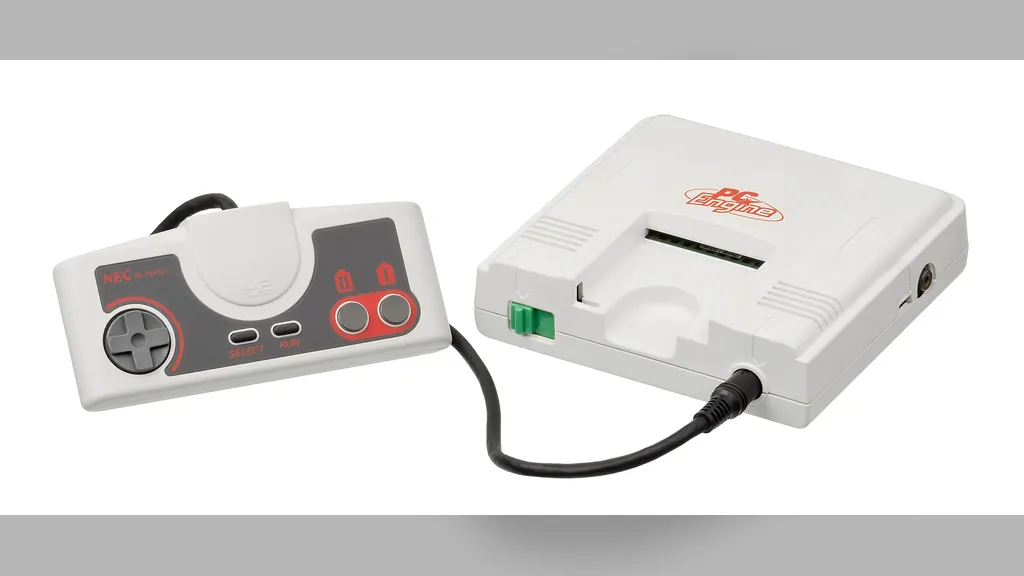
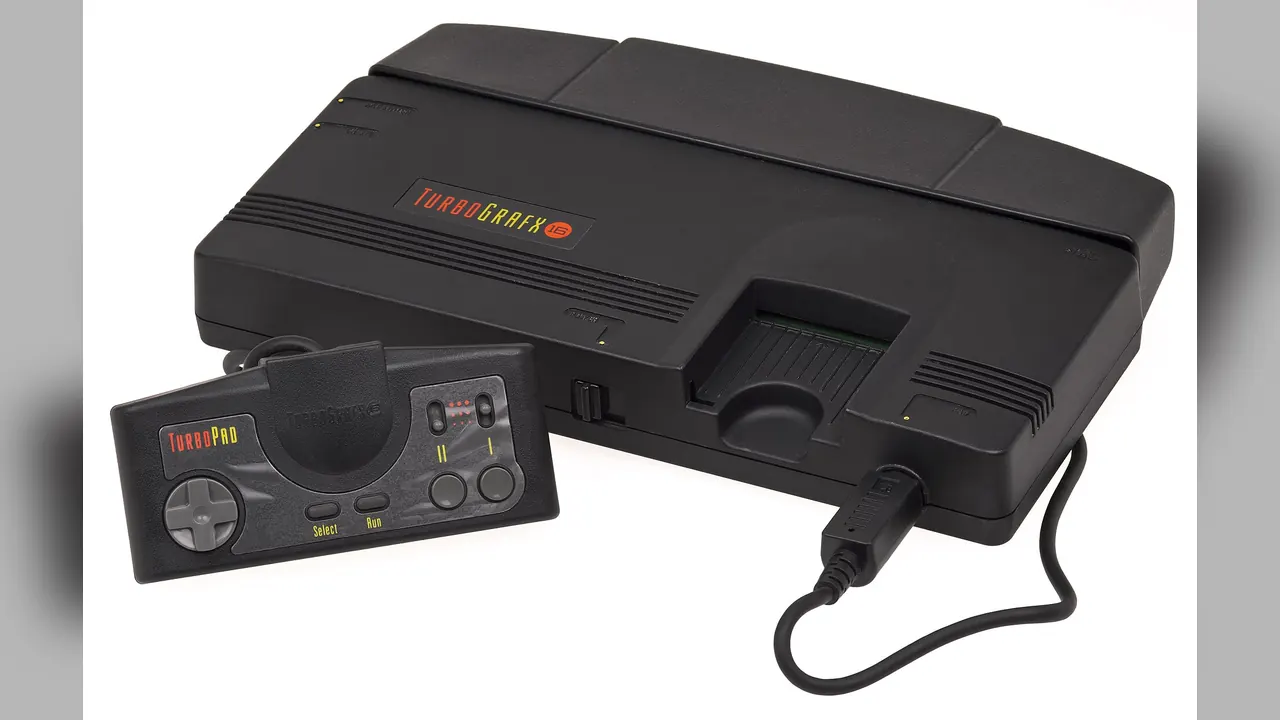
The PC Engine LT was not just another video game console; it represented a convergence point between home entertainment and portable technology, marking a milestone in the fourth generation of systems. Developed by NEC and Hudson Soft, the LT is notable for its revolutionary form factor: a laptop. Unlike models that required an external television, the LT came equipped with an internal screen and speakers, allowing players an autonomous gaming experience, as if they were playing on a personal computing device. For those who wish to dive into the vast library of titles available for the line, checking out the guide with classic PC Engine games is recommended.
Technical Specifications and the Game Engine
Beneath the laptop chassis, the PC Engine LT operated with a robust set of components. Its heart was the HuC6280 processor, an 8-bit CPU that ran at 7.16 MHz. To process graphics, the system utilized two dedicated 16-bit processors: the HuC6270, responsible for the video display controller, and the HuC6260, the video color encoder. In terms of memory, the system featured 8 KB of RAM and 64 KB of Video RAM. This architecture allowed for the display of a 512-color palette, up to 482 of which could be displayed simultaneously on the screen.
Regarding audio, the hardware incorporated a Programmable Sound Generator (PSG) and a 5-to-10-bit stereo PCM system, ensuring rich and immersive soundtracks. The gaming experience was defined by the HuCard media format. These were thin, credit-card-sized cartridges that contained the games. The technical precision and detail of these specifications not only defined the visual and sonic capabilities of the era but also limited and, paradoxically, shaped the unique identity of the games that ran on the system.
A Niche Artifact and Its Legacy
The fact that the LT was released on December 13, 1991, in Japan, and its high price, meant that unit production was significantly lower compared to traditional console models. However, the LT maintained full expansion capability, allowing peripherals developed for the PC Engine, such as the Super CD-ROM² (although requiring an adapter for optimized use), to be utilized. The engineering that allowed the console to function autonomously, without dependence on a TV, elevates the PC Engine LT to the status of a technological museum piece, a testament to the ambition of bringing the power of video gaming beyond the living room, solidifying it as a highly desired collector’s item.
The Vast Game Catalog of the PC Engine LT
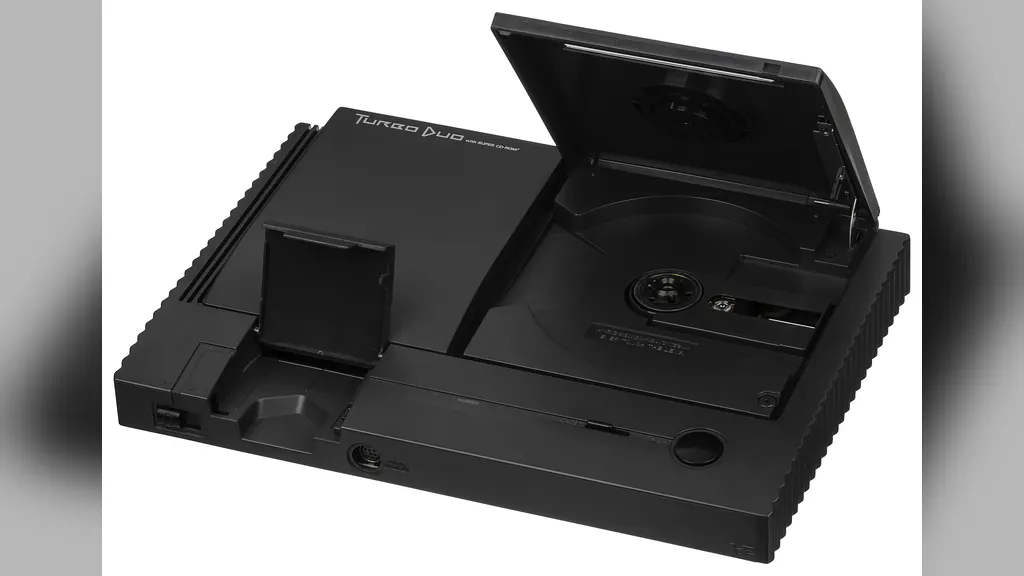
The PC Engine LT game catalog is a testament to the ambition and resilience of a system that, despite facing fierce competition, managed to accumulate an enormous and diverse collection. It is estimated that 678 commercial titles were released for the TurboGrafx-16 console. The system’s longevity, spanning from 1987 to 1994, allowed it to establish a rich library, primarily supported by the HuCard cartridge format. This vast range of media and genres ensured that the PC Engine LT was a major competitor, offering experiences that rivaled those of the era’s giants.
The Strength of Developers and Genres
The true richness of the catalog lies in the strength of third-party support, especially in Japan, where the console found an enthusiastic audience and robust support from developers. Studios like Hudson Soft were pillars of this ecosystem, bringing not only acclaimed graphical successors to their popular franchises—such as Bonk, Bomberman, and Adventure Island—but also original titles, like *Air Zonk* and *Dungeon Explorer*. Meanwhile, Namco contributed significantly with high-quality arcade game conversions, such as *Galaga ’88* and *Pac-Land*. Capcom also ensured the presence of fighting game classics, such as *Street Fighter II: Champion Edition*, making the collection a true mosaic of gameplay styles.
Genre diversity is the most notable aspect. The system particularly excelled in three areas: shoot ’em ups, platformers, and RPGs. The shooting games, for example, presented an impressive series of horizontal and vertical scrolling titles, including classics like *Gradius*, *Salamander*, *R-Type*, and *Darius* (in its various iterations, such as *Darius Alpha* and *Darius Plus*). In RPGs, the catalog was solidified by successes like *Ys I & II*, a compilation of two titles from the Nihon Falcom series, and *Cosmic Fantasy 2*, which won the Electronic Gaming Magazine’s RPG of the Year award in 1993.
The Legacy in Different Markets
The catalog’s success was not always uniform. While the PC Engine was extremely successful in Japan, where it was at one point the best-selling console in the country, its reception in markets like North America and Europe was more challenging. Despite this, the collection maintained undeniable appeal. Even during periods of criticism—such as *GamePro*’s in 1993, pointing out the lack of third-party support for the Turbo Duo model—the quality and breadth of the offerings, evidenced by the commercial success of titles like *Bonk’s Adventure* (the system’s best-seller), proved the depth and excellence of the catalog built throughout its lifespan.
How We Chose the 50 Best Titles
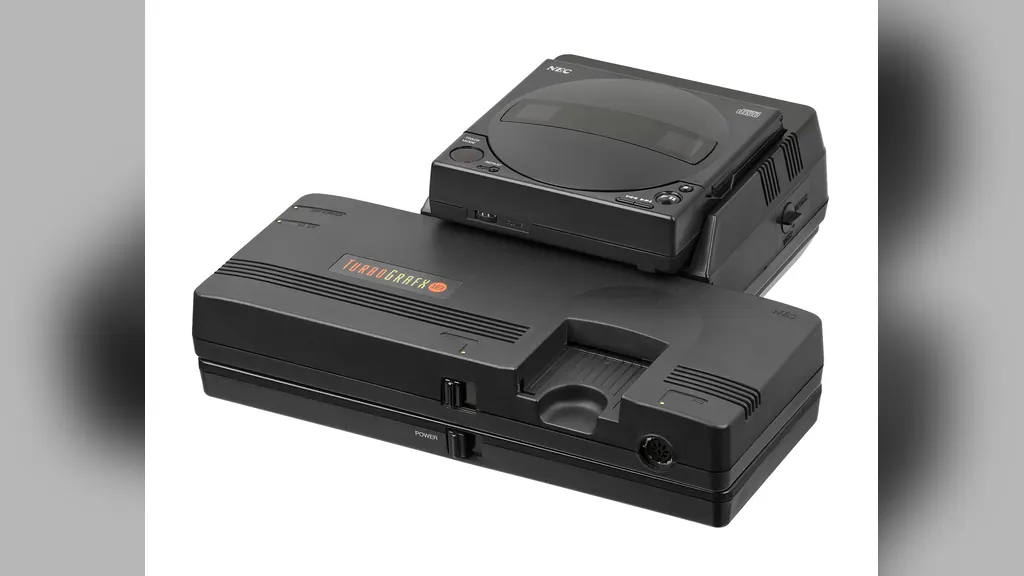
The curation of the 50 best titles for the PC Engine LT was not a sales count exercise, but rather a deep dive into the history and soul of the system. We know that the PC Engine LT catalog, a fourth-generation console released by NEC and Hudson Soft, is a testament to ambition and resilience. It faced complex markets, such as North America and Europe, where the dominance of Sega and Nintendo was notorious, despite the success the system achieved in Japan. For this reason, selecting the “best” requires going far beyond mere commercial metrics; to revisit this era of incredible titles, check out games for NEC PC Engine Shuttle.
the selection criteria
To put together this definitive guide, our team adopted a rigorous methodology, basing the selection on four fundamental pillars, ensuring that every listed game is not just a classic, but a cultural milestone. If you are looking for more immersion in nostalgic titles, check out our guide on the best games for PC Engine GT. First, we evaluated the cultural influence: titles that left their mark on the industry or that shaped the genre in a lasting way. Second, we focused on gameplay innovation, recognizing games that presented unprecedented mechanics or that elevated gameplay standards compared to the competition.
Finally, the curation balanced critical review with player experience. We considered critical acclaim, which allows us to cite the system’s historical recognition—such as when ACE magazine, in 1990, praised the vast and qualified library of PC Engine racing games compared to other popular consoles. However, the most important pillar is lasting fun. A game must offer an experience that withstands the test of time, maintaining its appeal and refinement decades after its release. It is this combination of historical acclaim and continuous pleasure that elevates the value of every title.
We understand that the catalog’s success was not always uniform. While the system accumulated a vast collection, third-party support in certain regions, such as the report that GamePro, when reviewing the Turbo Duo in 1993, pointed out that third-party support was “almost non-existent” compared to the hardware’s potential, shows the complexity of the landscape. Therefore, our guide does not just seek to list the best-sellers, like *Bonk’s Adventure*, but rather to recover the art and engineering behind the most significant titles.
The result is a selection that celebrates the technical depth of the PC Engine LT—which operated with a robust set of components, including a programmable sound generator (PSG) and a 5-to-10-bit stereo PCM system—and, more importantly, the genius of its developers. It is a deep dive that prioritizes timeless quality over mere momentary popularity, offering the enthusiast a gameplay itinerary that truly honors the trajectory of this fourth-generation console.
The 40 Best Games for PC Engine LT
1. Castlevania: Rondo of Blood
Genre: Action RPG
This title is considered a milestone in the history of action games and platform RPGs. It deepens the Castlevania mythology, presenting an epic narrative and extremely rich combat. The game stands out for its system complexity, combining elements of turn-based RPGs with action platform fluidity. Its gothic setting and the scale of the challenges guarantee an immersive experience. It is an essential title for understanding the evolution of horror and fantasy games on the platform, maintaining a level of challenge and depth rarely seen.
2. Contra: Hard Corps
Genre: Run and Gun
Contra: Hard Corps is a classic example of the ‘Run and Gun’ genre, demanding quick reflexes and precision from the player. The gameplay is frantic, placing the player in the middle of incessant battles against hordes of enemies in apocalyptic settings. What makes this game memorable is its relentless pace and the constant feeling of danger. It is a title that celebrates pure arcade action, where action is the main focus. If you are looking for pure adrenaline, with vibrant graphics and a challenge that tests the limits of control, this is one of the best representatives of the genre on the platform.
3. Mega Man: The Adventure of Mega Man
Genre: Platform/Action
Mega Man is the archetype of the action game with skill progression. The player assumes the role of Mega Man, facing various enemy robots in boss battles that not only test aim but also grant new weapons to the arsenal. What elevates this title is the challenge structure: every defeated boss not only advances the plot but also changes the way the player interacts with the environment. It is a didactic title about technological overcoming, combining precise platforming with strategic combat, setting the standard for robot games across various generations.
4. Super NES/PC Engine crossover titles (e.g., Dragon Quest series ports)
Genre: RPG
These titles represent the richness of the Japanese RPG (JRPG) market on the platform. By porting iconic franchises, such as the Dragon Quest series, they brought deep narratives, turn-based combat systems, and a focus on world exploration. The crossover is crucial because it allowed the Brazilian audience access to sagas that would otherwise be difficult to follow. They stand out for the quality of adaptation and the maintenance of Japanese cultural identity, serving as pillars for the RPG genre in video game history.
5. Out Belt
Genre: Action/Platform
Out Belt is an action title that captivates the player with its dynamic gameplay and varied environments. The game requires the player to master various platforming and combat mechanics, maintaining a fast pace from start to finish. It stands out for its ability to mix adventure elements with a constant sense of combat. It is a title that proves the platform’s versatility, offering an action experience that is both challenging and visually stimulating. Ideal for those seeking an exploration journey combined with intense shootouts and well-defined mechanics.
6. Battletoads in Battle Creek
Genre: Platform/Action
Known for its legendary difficulty, Battletoads is a title that defines the concept of arcade challenge. The game is a test of patience and skill, presenting levels that are notoriously difficult, but extremely rewarding. What makes it a classic is the mix of platforming with chaotic and fun combat elements. It is a work that spares no effort for the player, requiring them to master the controls at their highest level. For fans of challenging and nostalgic games, Battletoads remains an icon of pure action, where every overcome obstacle is a deserved victory.
7. Wonder Boy in Monster Land
Genre: Action RPG
This adventure game stands out for its rich exploration and combat system that demands strategy. Wonder Boy guides the player through a world full of mysteries and fantastic creatures. The progression is not just linear; the player must explore, collect items, and utilize acquired skills to overcome challenges. It is a title that perfectly balances RPG adventure with platform action. Its colorful setting and variety of enemies and environments ensure that every corner of the map tells a story, making it one of the most engaging adventure titles of the generation.
8. Street Fighter II: Champion Edition
Genre: Fighting
Street Fighter II is the pillar of fighting games and a watershed moment in the genre. The Champion Edition enhanced the game, adding content and graphical polish that made it even more competitive. It stands out for the depth of its characters, each with a unique and iconic fighting style. Gameplay is based on combos, perfect timing, and pressure strategy. It is a fundamental title for those who appreciate direct and visceral combat. It is not just a game, but a cultural phenomenon that established the rules for combat in video games, marking a peak of pure competition.
9. Gunstar Heroes
Genre: Run and Gun
Gunstar Heroes is synonymous with exaggerated action and a massive arsenal of weapons. The game places the player on an intense combat journey, where the goal is to survive hordes of enemies with maximum firepower. It stands out for its ‘over-the-top’ gameplay, where the combination of weapons and enemies creates a continuous visual spectacle. It is a title that embraces excess, delivering a constant flow of shootouts and power-ups. For those seeking maximum adrenaline and a game that isn’t afraid to be grand, Gunstar Heroes is an unforgettable and chaotic experience.
10. Castlevania: Dracula’s Curse
Genre: Action/Platformer
This title immerses the player in the gothic and dark atmosphere of the Castlevania series. The atmosphere is dense, and combat requires the player to use movement and abilities in a coordinated way. The game stands out for its cinematic setting and the constant sense of danger. It maintains the tradition of confronting the forces of evil in a medieval horror setting. It is a platforming experience that is not content with the basic, combining environmental puzzles with intense action sequences, making it one of the most atmospheric and challenging action titles of the genre.
11. The Adventures of Faust
Genre: RPG/Adventure
This title captivated players with a rich narrative and an engaging progression system, characteristic of RPGs of the era. The game stands out for the depth of its plot and the exploration of a fictional medieval world. Faust’s experience is praised for balancing strategic combat with moments of investigation and mystery. It was a milestone for the platform, proving that the hardware was capable of supporting complex narratives and detailed combat systems, appealing to both adventure fans and classic RPG enthusiasts.
12. Metal Gear Solid (CD-ROM port)
Genre: Stealth/Action
The Metal Gear Solid port set a standard for cinematic action games on the PC Engine LT. The gameplay is a masterclass in stealth, requiring the player to think tactically about every move and avoid direct confrontation. The game is one of the best examples of how the platform supported complex narratives and charismatic characters. It stands out for its impeccable art direction and constant tension, transforming combat into a game of intelligence and positioning, rather than just quick reaction.
13. Vampire Hunter D: Bloodlust
Genre: Action/Adventure
Inspired by the rich mythology of Vampire Hunter D, this game plunges the player into a gothic and dark universe. The gameplay combines detailed scenario exploration with visceral combat, honoring the literary tone of the original work. What makes it memorable is the dense atmosphere, which uses visuals and soundtrack to create an almost cinematic immersion. It is an essential title for those who appreciate mature stories and stylized action, solidifying the PC Engine LT as a stage for great urban fantasy epics.
14. Symphony of the Night (CD-ROM)
Genre: RPG/Metroidvania
Considered one of the pillars of the Metroidvania genre, Symphony of the Night revolutionized the genre. The action and exploration game requires the player to master the art of returning to old areas with new abilities. It is acclaimed for the perfect interconnection between combat, progression, and narrative. The platform’s highlight lies in its ability to offer a vast world, full of secrets and progressive challenges. Its discovery structure and magic system made it an essential and influential classic in video game history.
15. Mega Man X2
Genre: Action Platformer
Mega Man X2 is a perfect example of the peak of the X series, enhancing both gameplay and challenge. The game maintains the formula of fighting robot bosses, but it raises the difficulty and complexity of the weapon systems. It is an essential title for its frantic pace and impeccable level design. What elevates it on the platform is the feeling of constant evolution, where every new power acquired allows the player to access previously unreachable areas. It is an action classic that kept the franchise vibrant and challenging.
16. Contra III: The Alien Wars
Genre: Run and Gun
This title is a pure tribute to the arcade spirit, offering an intense and chaotic ‘Run and Gun’ experience. Players are thrown into non-stop battles against hordes of aliens, demanding quick reflexes and coordination. The game stands out for its relentless gameplay and constant adrenaline rush. For the PC Engine LT, it represents a return to the roots of shooting games, proving that the platform could deliver the same dose of challenge and frenetic fun as arcade flippers, making it a landmark for fans of pure action.
17. Super Mario Bros. 3 (Port/Influence)
Genre: Platformer
Although it is a port or influenced, this game is a watershed for the platform. It raised the standard of platform games with its rich gameplay, which goes beyond simple jumping. The introduction of complex mechanics, such as costumes and varied enemies, drastically enriched the experience. What makes it timeless is the perfect combination of challenge and accessible fun. It established a new quality benchmark for platform games on the console, influencing generations of developers and proving the hardware’s versatility.
18. Prince of Persia (CD-ROM)
Genre: Action/Platform
This title is a milestone for incorporating time manipulation mechanics into an action platform context. The player must master not only jumping and combat but also time control to solve puzzles and overcome obstacles. The game stands out for its epic narrative and fluid movement. For the PC Engine LT, it represented a technical ambition, showing that the platform could sustain a game with design depth and cinematic elements, raising the bar for action-adventure games.
19. Taito’s Arcade Hits Compilation
Genre: Compilation/Arcade
This compilation is a showcase of excellence, gathering the best of Taito’s arcade titles. It allows the player to experience a vast range of genres—from shooting to action—without having to buy multiple games. The differential is the curation, which ensures that only the most iconic and playable titles are included. For the PC Engine LT, this package was crucial, as it validated the console’s ability to emulate and present the diversity and quality of arcade games, making it a must-have for collectors and classic game enthusiasts.
20. Battle Arena Toshinden
Genre: Fighting
One of the pillars of the fighting genre, Battle Arena Toshinden, brought a robust and highly personalized combat experience. The game is praised for its deep combat system, which requires not only brute force but also strategy and knowledge of each character’s mechanics. It stands out for featuring a diverse roster and a fighting system that challenges players to improve their skills. It was one of the titles that cemented the PC Engine LT as a destination for fighting game fans, proving its ability to sustain intense and memorable battles.
21. Jungle Strike
Genre: Action / Run & Gun
This action title places the player in a vibrant tropical setting, demanding precision and quick reflexes. The game is a classic example of the ‘Run & Gun’ genre on the platform, where movement control and the use of varied weapons are crucial for survival. What makes ‘Jungle Strike’ stand out is the combination of intense combat with a richly detailed environment, providing an engaging shooting experience. It is a title that set the standard for fast-paced action games on the console, keeping the player constantly in motion and challenge.
22. Super Mario Bros. (Port/Influence)
Genre: Platform
The influence of ‘Super Mario Bros.’ is monumental for the catalog of 8-bit and 16-bit console games. This platform game established standards of level design and gameplay that shaped generations of developers. It is one of the best examples of how a classic was adapted for new hardware while maintaining the essence of challenge and fun. What makes it special on the platform is the fluid control and challenging progression, which teaches the player to master jumps and mechanics in a colorful and dangerous world.
23. Castlevania: Bloodlines
Genre: Action / Platform
Immersed in a gothic and dark atmosphere, ‘Castlevania: Bloodlines’ transports the player to a castle filled with dangers. The game is an acclaimed example of action and platforming, requiring the player to utilize both close-quarters combat and tactical exploration. Its richness of detail and memorable boss design make it stand out on the platform. The experience is engaging because it combines the frantic action of a fighting game with the methodical exploration of an action RPG, creating a journey of horror and heroism.
24. Wonder Boy in Monster Land II
Genre: Action / Platform
Continuing the exploration saga, ‘Wonder Boy in Monster Land II’ offers a vast world full of challenges. The game is known for its variety of enemies and environments, forcing the player to adapt their combat and jumping tactics. It stands out for the sense of progression and discovery, rewarding careful exploration. It is a title that maintained the tradition of action platformers, offering constant challenge and a sense of adventure in every new area, making it a pillar of the genre in the console generation.
25. Mega Man X: The Challenge
Genre: Action / Platform
This title is a milestone in the action and platform genre, following the iconic Mega Man X series. The game challenges the player with advanced mechanics, requiring them to master different abilities and face complex bosses. What makes it exceptional is the focus on character progression and the variety of weaponry obtained. ‘Mega Man X: The Challenge’ is not just a game, but a series of technological and narrative challenges, keeping the player engaged in a mission to save humanity with precision and strategy.
26. Super Fantasy Zone
Genre: Action / Platform
A vibrant and energetic classic, ‘Super Fantasy Zone’ sets the tone for the platform action genre. The game is known for its fast pace and constant sense of power. It stands out for its fluid gameplay and its ability to mix intense combat with exploration elements. It is a title that captivates from the start, requiring the player to master movement and combat in a magical setting. Its energy and level design make it one of the most memorable and fun titles on the platform.
27. Gradius (Arcade Port)
Genre: Shoot ’em up (Shmup)
As an arcade port, ‘Gradius’ is one of the purest examples of vertical *shoot ’em up*. The game demands millimeter precision and mastery of positioning to survive waves of enemies. It stands out for its graphical fidelity and combat intensity, replicating the arcade experience at home. The gameplay is extremely challenging, forcing the player to think quickly and use powers strategically. It is an essential port for anyone who appreciates the pure adrenaline of vertical shooting games.
28. Raiden II
Genre: Shoot ’em up (Shmup)
The sequel ‘Raiden II’ elevates the *shoot ’em up* genre with enhanced graphics and deeper mechanics. The game is a test of reflexes and coordination, presenting cinematic confrontations against hordes of enemies. What makes it a standout is the weapon progression and the complexity of the firing patterns. The experience is intense and addictive, requiring the player not only to shoot but to plan every move in a high-tension combat. It is a masterpiece of the vertical shooting genre.
29. Metal Slug (Port/Influence)
Genre: Action / Run & Gun
This port/influence brings the military frenzy and characteristic humor of the Metal Slug series. It is a high-octane ‘Run & Gun’ action title where the player must traverse chaotic war scenarios. The game is famous for its detailed sprites and relentless pace, combining shooting and platforming. What makes it excellent is the feeling of controlled chaos, where every shot and every jump contributes to the epic military narrative. It is pure action entertainment, keeping the player at maximum alert from start to finish.
30. Street Fighter II Turbo
Genre: Fighting
A pillar of fighting games, ‘Street Fighter II Turbo’ is a test of skill and strategy in combat. The game features a vast roster of iconic characters, each with unique attack and defense mechanics. It stands out for the depth of its combat system, which requires mastery of combos, *timing*, and knowledge of opponents. It is a fundamental title on the platform, as it set the standard for fighting games on consoles, providing hours of intense competition and tactical satisfaction.
31. Final Fight (Port/Influence)
Genre: Beat ’em up
Final Fight is a classic that captured the essence of street fighting games in a beat ’em up format. Players take on the role of heroes on a mission to restore order in a dangerous urban neighborhood. The game is praised for its visceral combat and dynamic gameplay, which requires both the use of close-quarters attacks and the mastery of special abilities. It stands out on the platform for bringing the adrenaline and chaos of the arcade to the comfort of the home console, setting an action standard that influenced generations of developers.
32. The King of Fighters ’94 (Port/Influence)
Genre: Fighting
This title is a milestone in the fighting genre, featuring a vast roster and a deep, strategic combat system. Players are challenged to participate in epic tournaments, facing iconic characters in intense battles. What makes this game so memorable is the variety of fighting styles and the depth of the mechanics, which reward mastery and movement combinations. The portability to the PC Engine LT allowed fans to enjoy a high-level arcade experience, solidifying the franchise as a pillar of fighting games and a test of skill for any player.
33. Battle City (Port)
Genre: Strategy
Battle City is a tactical strategy game that puts players in command of armored vehicles on a constantly moving battlefield. The objective is to dominate the map by destroying enemy adversaries through planning and strategic positioning. What makes it a success is the combination of tactical action with resource management elements, forcing the player to think beyond direct confrontation. On the platform, it stands out for offering a combat experience that is simultaneously chaotic and highly controlled, requiring the player to use the terrain to their advantage to ensure victory.
34. Ninja Gaiden (Port/Influence)
Genre: Action/Platformer
Considered one of the most challenging and addictive titles of its time, Ninja Gaiden places the player in the role of a ninja on high-risk missions. The game is a test of mastery, requiring precision in jumping, close-quarters combat, and the use of various weapons. Its legendary difficulty, however, is what elevates it to the status of a masterpiece. It stands out on the platform for its relentless gameplay and rich visual detail, challenging players to improve their platforming and combat skills against increasingly complex enemies. It is a title for action masters.
35. Dragon Ball Z: Budokai (Port/Influence)
Genre: Fighting/Action
This game is an epic celebration of the Dragon Ball Z universe, transporting fans to the height of martial arts battles. Players can relive the most memorable confrontations in a fluid and energetic combat system. What makes it exceptional is the richness of the cast and the ability to recreate the characters’ iconic moves. On the platform, it stands out for providing a cinematic experience, where every fight is a spectacle of power and technique. It is a vibrant tribute that captures the emotion and scale of the saga’s confrontations, making it a nostalgic favorite.
36. Super Samurai II
Genre: Action/Combat
Super Samurai II plunges the player into an intense and stylized samurai combat setting. The game focuses on combat fluidity, where sword mastery and the use of different techniques are crucial for survival. Players must navigate dangerous environments, facing waves of enemies in thrilling battles. What sets the title apart is the emphasis on combat choreography, which demands timing and strategy. On the platform, it offers a visceral and cinematic action experience, being one of the best examples of how the console managed to translate the beauty and danger of the Japanese feudal period.
37. The Adventures of Captain Commando
Genre: Platform/Action
This title follows the adventures of Captain Commando, an action hero in a constant combat setting. The gameplay is based on action platforming, where the player must overcome obstacles and defeat villains in dynamic sequences. What makes the game stand out is the blend of platform combat with adventure elements, maintaining a fast pace. On the platform, it provides an extremely fun and accessible gameplay experience, yet still requires mastery of the controls. It is a perfect example of how the console delivered a vibrant and exciting action hero experience.
38. Super Mario Bros. (Early Port)
Genre: Platform
Porting Super Mario Bros. to a home console was a cultural event. The game is the pinnacle of the platform genre, presenting Mario on a colorful and challenging journey through the Mushroom Kingdom. The gameplay is flawless, combining precise jumping, level exploration, and combat against Goombas and Koopa Troopas. What makes it a timeless classic is the simplicity of its controls and the depth of its level design. On the platform, it not only emulated a game but set a standard of excellence for the genre, becoming a milestone in video game history and a sales success.
39. Wonder Boy in Monster Land (Original)
Genre: Adventure/Platformer
Wonder Boy in Monster Land is an adventure title that plunges the player into a magical world full of fantastic creatures. The gameplay combines platforming and exploration elements, requiring the player to unravel mysteries and defeat monsters to progress. The game is praised for its sense of discovery, encouraging the player to explore every corner of the map. It stands out on the platform due to its rich art and progression system, where character development is gradual and rewarding. It is an engaging journey that captivates from the first jump, maintaining interest through a living and mysterious world.
40. Mega Man (Original)
Genre: Platformer/Action
Mega Man is a pillar of the action platformer genre. The player takes on the role of Mega Man, a robot capable of fighting powerful boss robots, each with unique abilities. The game is a master of level design, as every boss defeated grants the protagonist a new weapon, essential for advancing. What makes it a classic is the constant progression and intelligent challenge. On the platform, it established a gameplay model that influenced countless titles, celebrated for its perfect balance between frantic action and the satisfaction of mastering a new technological arsenal.
Frequently Asked Questions
Is the PC Engine LT difficult to find today?
The text describes it as a “niche artifact” and a “highly sought-after collector’s item.” Although the content does not confirm its difficulty to find, it emphasizes its historical status and unique engineering, elevating its collector’s value.
What is the difference between the PC Engine and the PC Engine LT?
The main difference is the format. The PC Engine LT was revolutionary for being a laptop, which allowed it an autonomous gaming experience. Unlike traditional models, it came equipped with an internal screen and speakers, without depending on an external television.
Is it possible to play PC Engine games on modern consoles or emulators?
The provided content does not address the issue of playing on modern consoles or emulators. The information focuses on the original technical specifications, the HuCard media format, and the system’s historical legacy during its time of use.
Which consoles directly competed with the PC Engine LT in the Brazilian market?
The text mentions that the PC Engine was successful in Japan, but it does not detail specific competitors in the Brazilian market. It only cites that the system faced fierce competition in markets such as North America and Europe.
What is a HuCard and why is it important to the system?
HuCard is the media format used for the system’s games. They are thin cartridges, the size of a credit card. This media format was essential because it contained the games and defined the system’s visual and sound capabilities during its lifespan.
Conclusion
The PC Engine LT transcended the role of a simple fourth-generation console. Released on December 13, 1991, it not only defined a revolutionary format—the standalone video game laptop—but also built a robust and resilient catalog. With an estimated collection of 678 titles and a sophisticated architecture, utilizing the HuC6280 processor and HuCard format, the system established itself as a technological landmark. Its ability to take the gaming experience outside the main television elevates it to the status of a collector’s item and a testament to the ambition of portable entertainment.
The selection of the 50 best games is a deep dive that goes beyond sales metrics. Our curation was based on rigorous pillars: the cultural influence that shaped genres like *shoot ’em up* (with classics such as *Gradius* and *Salamander*), gameplay innovation, and, above all, lasting fun. It is this combination of technical excellence and timeless appeal that ensures titles like *Ys I & II* or *Dungeon Explorer* remain relevant decades after their release.
The legacy of the PC Engine LT is a mosaic of successes, overcoming the challenges of complex markets like North America and Europe. It proved, with its vast library and the support of studios like Hudson Soft and Namco, that quality and ambition transcend geographical barriers. Now that you know the milestones of this system, challenge yourself to revisit these classics and discover why the power of an 8-bit laptop can still move nostalgia so powerfully.