Read this article in: Portuguese (Português) · Spanish (Español)
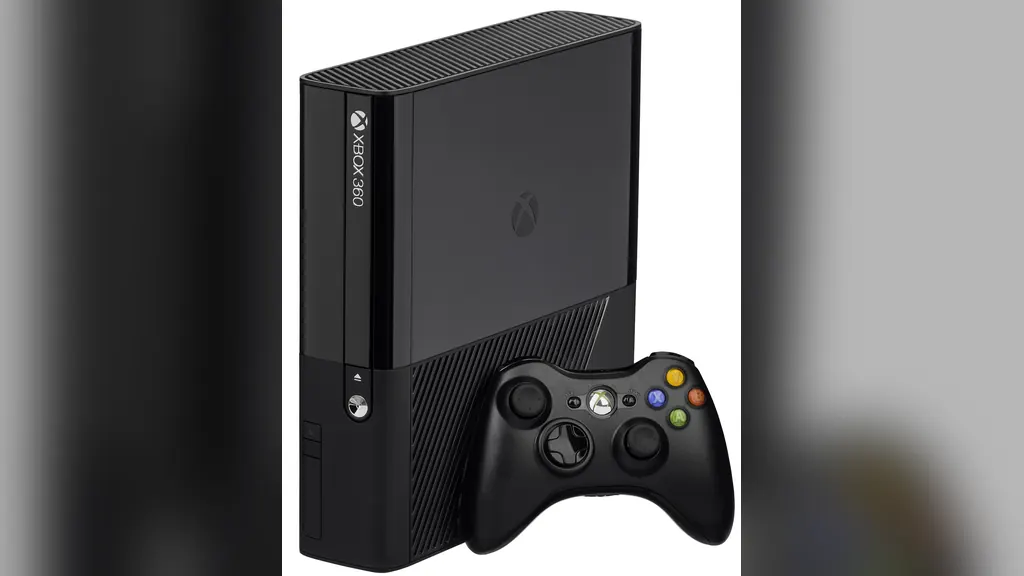
To understand the history of the Xbox 360 S console’s development, one must realize that it represented a crucial phase of refinement and modernization for an already established platform. The “S” model (or Xbox 360 Slim), as it was technically designated, was announced on June 14, 2010, marking a hardware redesign that maintained the core essence of the Xbox 360 experience. This evolution was not merely cosmetic; it aimed to improve ergonomics and efficiency while keeping the operating system robust and the capacity to run titles that defined a generation. Thus, the Xbox 360 S not only continued the legacy but also signaled the gradual transition to what would become its successor, the Xbox One.
The console’s relevance is undeniable, evidenced by its longevity and tremendous success. Launched on November 22, 2005, in North America, the Xbox 360 not only defined a generation but also set new standards for online connectivity and gameplay with the Xbox Live service. The device achieved an impressive number of 85.80 million units sold until its discontinuation on April 20, 2016. This colossal performance, combined with milestones like the best-selling game, Kinect Adventures (with 21.55 million copies), attests to the cultural and commercial impact the platform had on the video game market.
In this article, we will take a complete deep dive into the trajectory of this iconic machine. We will cover the market context and the emergence of the Xbox 360 S, detailing the evolution of its models and the internal architecture that supported it. We will investigate the life cycle and model variations, from the original launch to the most recent revisions. Furthermore, we will explore the defining games, exclusives, and cultural impact, and conclude with an analysis of sales, competition, and the legacy for the next generation, tracing the path to the Xbox One.
Key Points
- The Xbox 360 S was a deep reengineering, utilizing the ‘Valhalla’ motherboard (45 nm) to reduce power consumption and noise.
- The S model modernized the storage, replacing the external hard drive connector with an internal 2.5-inch bay.
- Connectivity was improved with the integration of Wi-Fi 802.11 b/g/n, eliminating the need for external adapters.
- The console maintained partial backward compatibility with the original Xbox, allowing players to continue in established worlds.
- The platform achieved massive commercial success, selling over 85.80 million units and launching in 36 countries.
Xbox 360 S Specifications
| Manufacturer | Microsoft |
|---|---|
| Type | Video Game Console |
| Generation | 7th Generation |
| Release | Multiple regional dates (Ex: NA: 11/22/2005; EU: 12/02/2005) |
| Processing | CPU: PPC Tri-Core 3.2 GHz – “Xenon”; Graphics: ATI / AMD Xenos |
| Memory and Storage | RAM: 512 MB GDDR3; HD: 4 to 500 GB; Card: 64 to 512 MB |
| Connectivity | Ethernet, USB 2.0, Wi-Fi, S/PDIF |
| Online Services | Xbox Live |
| Successor | Xbox One |
The Market Context and the Emergence of the Xbox 360 S
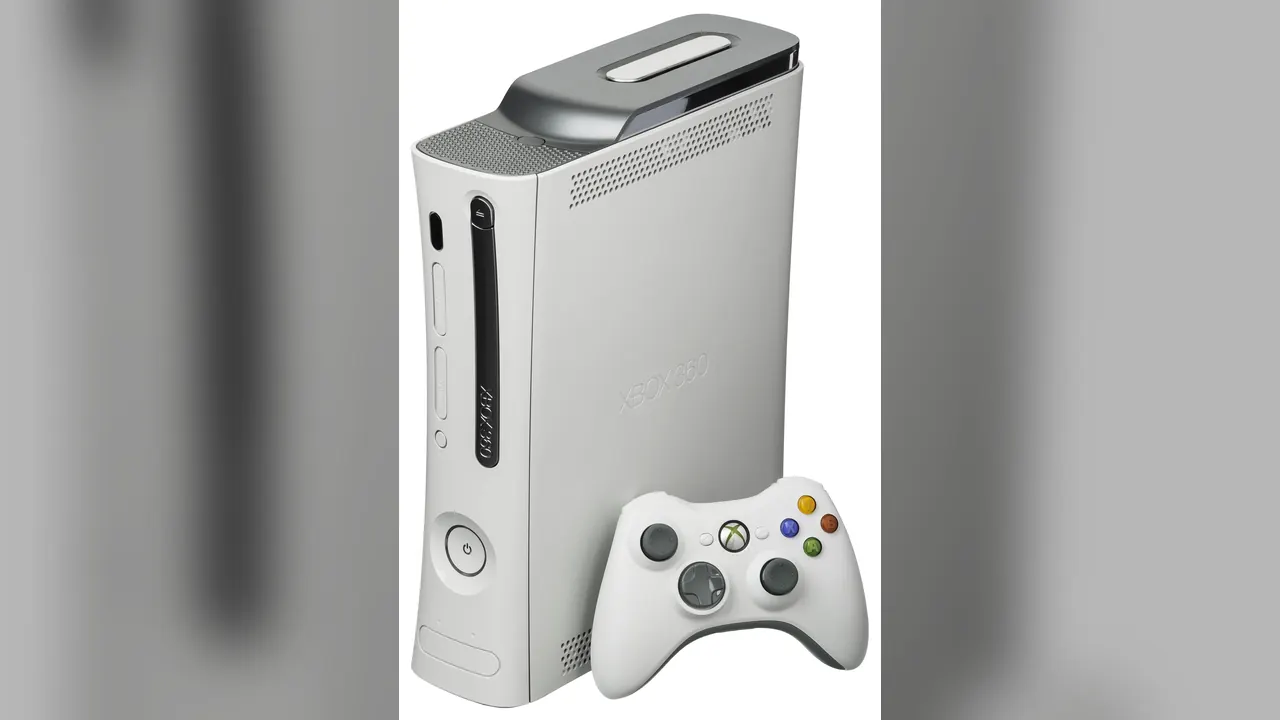
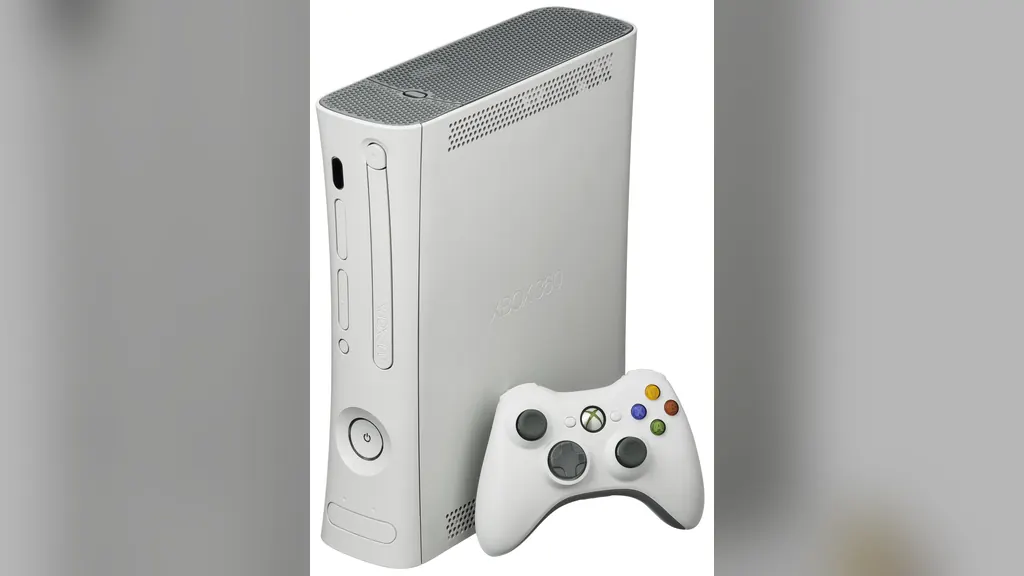
To understand the emergence of the Xbox 360 S, it is essential to revisit the life cycle of previous models. Microsoft launched the Xbox 360 platform in several iterations, such as the Core, the Elite, and the Pro, each improving the hardware and feature set. Although these models established the machine as an icon of the seventh generation of consoles, the electronics market is a constantly evolving environment. The pressure for lower power consumption, smaller size, and greater connectivity forced Microsoft to seek a complete architectural redesign, aiming to modernize the look and, most importantly, optimize the system’s operational efficiency.
The Announcement and the Engineering Behind the Slim Design
This need for refinement culminated in the official announcement of the Xbox 360 S (or Xbox 360 Slim). The concept was presented on June 14, 2010, during a *press briefing* held before that year’s E3 show. The goal was to create a console that maintained power and backward compatibility, but with a significantly more compact and elegant design. This evolution is part of a fascinating engineering history; to better understand the console’s development, it is crucial to analyze the technical details. The new hardware was based on a motherboard codenamed “Valhalla,” which represented a crucial technological leap. This board integrated the CPU, GPU, and eDRAM into a single package using a 45 nm manufacturing process. This integration not only allowed the console to be more discreet but also drastically reduced power consumption and noise compared to the original Xenon boards.
The Xbox 360 S was not merely an aesthetic change; it was a deep reengineering. The console received a glossy black coating and enhanced control elements. In terms of connectivity and functionality, it incorporated an integrated 2.4 GHz 802.11 b/g/n Wi-Fi adapter, eliminating the need for external connections for wireless networking. Storage was also adapted: the external hard drive connector was replaced by an internal bay, designed to receive a formatted 2.5-inch hard drive. Additionally, the model began using USB for storage expansion, dispensing with the old Memory Unit slots.
The launch of the S was strategically segmented into different SKUs (Stock Keeping Units). The first model revealed, with 250 GB of hard drive, was launched in the US on the day of the announcement, June 14, 2010, and was priced at US$ 299.99. Subsequently, a second SKU, with 4 GB of internal storage and a matte black finish, was launched in the US on August 3, 2010, and in Europe on August 20, 2010. This model, in turn, replaced the Xbox 360 Arcade and sold for US$ 199.99. This naming strategy, based on storage capacity, followed a pattern observed in direct competitors, consolidating the Xbox 360 S as the modern and efficient evolution of the platform.
Architecture and Hardware Optimizations
The strength of the Xbox 360 S lies in its highly optimized hardware architecture, a testament to Microsoft’s sophisticated engineering. At the heart of the console pulsed the PPC Tri-Core processor, operating at 3.2 GHz, known by the nickname “Xenon.” This processing capability was complemented by the graphics developed by ATI (later AMD), the Xenos family. The system utilized unified GDDR3 memory, featuring 512 MB of RAM and a clock speed of up to 700 MHz, in addition to 10 MB of EDRAM integrated into the GPU, ensuring robust graphical performance for its time.
Component and Storage Evolution
The console’s life cycle was marked by significant refinements in its internal components. Compared to the original models, which came with 20 GB hard drives (HDDs) and later 60 GB, the Xbox 360 S incorporated a crucial change in internal storage capacity. The Slim model, in particular, came equipped with 4 GB of internal storage, besides being expandable via USB units. Furthermore, the hardware underwent visible improvements on the motherboard, going through versions like the Zephyr, which introduced HDMI output, and later the Falcon, which used 65 nm CPUs, making the systems quieter and more efficient.
In terms of connectivity, the console was designed to integrate seamlessly into the modern home environment. It offered multiple connection options, including an Ethernet port, USB 2.0, S/PDIF, and notably, Wi-Fi support. This connectivity was vital, as the gaming ecosystem depended intrinsically on the Xbox Live service. This service was not merely a feature, but the pillar that unified online gaming, content distribution, and the multiplayer experience, ensuring the console was always connected to Microsoft’s digital universe.
In summary, the Xbox 360 S was not merely an aesthetic update; it was a deep reengineering that consolidated a high-performance platform. The combination of the power of the Xenon processor, the graphical efficiency of the Xenos, and the modernization of storage and connections, consolidated the console as a robust entertainment center prepared for digital interconnection, paving the way for the next generation of consoles.
Life Cycle and Model Variations
The history of the Xbox 360 is a case study in product life cycle management, marked by unprecedented launch complexity. The console, whose development history is fascinating, proved to be a highly segmented product. Globally, the debut schedule was extremely fast: in the United States and Canada, the model launched on November 22, 2005; in Europe, on December 2, 2005; and in Japan, on December 10, 2005. This pace of expansion led the console to be released in 36 countries in its first year, an achievement that highlighted its market strength.
The Console’s Various Faces
Over the years, Microsoft not only updated the hardware but also created various SKUs (Stock Keeping Units) variations to meet market niches. Initially, there were models like the Core and the Elite, with the latter being enhanced versions that included features such as HD A/V component cables and higher capacity hard drives (initially 20 GB, later 60 GB). As technology advanced, the console underwent continuous refinements, such as the transition from motherboards to the Zephyr and, subsequently, to the Falcon, which incorporated more efficient CPUs and better thermal management. This constant evolution, accompanied by themed special editions — such as those for Halo, Call of Duty, and Gears of War — not only maintained consumer interest but was also a testament to the robust marketing planning of the time.
The Leap to the S Model
The Xbox 360 S model, or Xbox 360 Slim, represented a significant reengineering and a turning point in the console’s trajectory. Formally announced on June 14, 2010, the S was a notable technological leap. Its design was revised to a glossy black finish, and the heart of the system was the new “Valhalla” processor, built using a 45 nm manufacturing process. This design allowed the integration of CPU, GPU, and eDRAM into a single package, drastically reducing power consumption and noise compared to previous generations.
The S model also changed the naming strategy. Unlike previous models that used names like Elite or Arcade, the new editions began to be identified by their internal storage capacity, following a more common market standard. Initially, the revealed SKU came with a 250 GB hard drive and was launched in the US on the same day as the announcement. Later, a second model, with 4 GB of flash storage and a matte black finish, was released, replacing the Arcade model. Despite these changes, the console maintained its backward compatibility and advanced connectivity, including integrated Wi-Fi.
The platform’s longevity was marked by these cycles of improvement. After years of successes and variations, the console’s life cycle was officially ended on April 20, 2016, leaving a sales legacy exceeding 85.80 million units sold.
Landmark Games, Exclusives, and Cultural Impact
The cultural strength and legacy of a console generation are largely defined by the games that emerge from its platform. The Xbox 360 was not just a technical advancement; it was an entertainment ecosystem that set new standards for the video game market. The impact of this era is visible in the titles that became sales phenomena and the platform’s ability to embrace different styles of gameplay. The inclusion of innovative experiences, such as the Kinect Adventures, with a record of 21.55 million units sold (often in bundles), demonstrated the hardware’s versatility, taking the console beyond the traditional limits of manual control.
The Power of Digital Experience and Classic Gaming
The platform’s commercial success was sustained by monumental titles, such as Grand Theft Auto V, which achieved 15.43 million units sold. Furthermore, the console established itself as a digital content hub, thanks to the Xbox Live Arcade service. This online service was crucial because it allowed developers to release games in a low-cost and easily accessible format, keeping the console relevant and attractive to an audience that values diverse experiences in a single place. This ability to constantly generate content was a pillar of its success.
But the Xbox 360’s legacy went beyond the sales of new titles. It was a guardian of tradition. The backward compatibility feature with the original Xbox console, even if partial, was a strategic differentiator that maintained the link between generations. This ability to run older games meant that the console was not a starting point, but rather a point of continuity for players who had invested in previous titles. Users could literally continue their journeys in already established worlds.
Integration and the Future of Entertainment
Microsoft knew how to capitalize not only on graphical power but also on connectivity. Xbox Live wasn’t just a multiplayer service; it was the central hub where the community gathered. It ensured the console was a perpetually connected device, whether for playing online or accessing downloaded content. The combination of robust hardware, the ability to run games from past generations, and the constant update of digital content established a business model that shaped the future of the industry. The longevity of the Xbox 360 S, therefore, is a direct reflection not only of its internal optimizations but of the strength of its game catalog and its online service ecosystem.
Sales, Competition, and the Legacy for the Next Generation
The commercial success of the Xbox 360 cannot be measured solely by the graphical power of its components, but rather by its cultural impact and, above all, its sales performance. The platform achieved an impressive 85.80 million units sold, a number that positions it as a giant in its generation. Although the console market was highly competitive, with rivals like the PlayStation 3 and the Nintendo Wii setting different market standards, the Xbox 360 established a level of longevity and sales that solidified its relevance. It became more than a video game console; it was a constantly evolving home entertainment center.
The Ecosystem Legacy and the Digital Future
The machine’s successful trajectory was not a single event, but rather a continuous cycle of improvements. Various revisions, such as the S model (or Slim), were crucial for keeping the platform updated and relevant, ensuring the console remained competitive for years. This prolonged life cycle, marked by refinements in details like the use of different hard drive units (from 20 GB to 60 GB) and connectivity improvements, prepared the ground for a paradigm shift in the industry. Microsoft knew how to capitalize not only on cutting-edge hardware but also on robust connectivity, integrating online services like Xbox Live.
This emphasis on connectivity and digital content was the decisive factor that paved the way for the next generation. At the end of its life cycle, the Xbox 360 was not merely discontinued; it transformed its business model. The user experience, accustomed to the integration of downloaded games and network connectivity, made a natural transition to its successor, the Xbox One. This new console inherited not only processing power but also the vision of a more connected ecosystem, where digital content and streaming services would become fundamental pillars of the gaming experience.
In summary, the Xbox 360 is a notable case study in product life cycle management. Its sales success and adaptability, as detailed throughout its development trajectory, allowed Microsoft to do more than just sell a console. They established a service model that prioritizes interconnection and digital content, directly influencing the development of the industry. The 360’s legacy, therefore, lies not only in the millions of units sold but in creating a platform that successfully transitioned from the raw power of hardware to the richness and convenience of a modern digital ecosystem.
Frequently Asked Questions
What is the main difference between the original Xbox 360 and the S (Slim) model?
The main difference was a deep reengineering and modernization of the design. The S model utilized the ‘Valhalla’ motherboard, built using a 45 nm manufacturing process. This technological integration allowed the console to be more compact and discreet, drastically reducing energy consumption and noise compared to previous generations.
Is the Xbox 360 S still compatible with Xbox 360 games?
Yes, the console maintained its backward compatibility with the original Xbox, albeit partially. This feature was a strategic differentiator that allowed users to continue their journeys with older titles, maintaining the link between the platform’s gaming generations.
What was the best-selling game in Xbox 360 history?
The best-selling game was Kinect Adventures, which recorded a total of 21.55 million units sold. This title demonstrated the hardware’s versatility, taking the console beyond the traditional limits of manual control and solidifying Microsoft’s entertainment ecosystem.
Was the Xbox 360 S the console that led Microsoft to compete with PlayStation 3?
The text focuses on the internal evolution and market success of the Xbox 360 S, detailing its technological improvements and record sales. Although the article describes the console as a robust entertainment hub, it does not state that the S model was responsible for initiating direct competition with the PlayStation 3.
What was the official successor to the Xbox 360 S, and how was the transition?
The official successor to the Xbox 360 S was the Xbox One. The transition was marked by the end of the console’s life cycle on April 20, 2016. The Xbox 360 S, therefore, represented the peak of an enhancement cycle that culminated in a high-performance and advanced connectivity platform.
Conclusion
The trajectory of the Xbox 360, culminating in the S (Slim) model, is a fascinating case study on technological evolution and adaptation to the demands of a constantly changing market. Far from being just a cosmetic update, the announcement and development of the Xbox 360 S, on June 14, 2010, represented a profound architectural reengineering. Microsoft managed to maintain the power of the Xenon processor and Xenos graphics while addressing modern challenges of power consumption and connectivity. The use of the “Valhalla” motherboard, built using a 45 nm manufacturing process, was the pillar of this transformation, allowing the integration of CPU, GPU, and eDRAM into a more compact and efficient package.
This optimization was not limited to processing power. The S drastically modernized the user experience by incorporating an integrated 802.11 b/g/n Wi-Fi adapter, eliminating the need for external networking peripherals. Furthermore, storage was adapted for a 2.5-inch internal hard drive bay and USB expansion, signaling the abandonment of the old Memory Unit slots. These changes solidified the console as a robust entertainment center ready for the Xbox Live digital ecosystem, consolidating the platform for modern interconnection.
Ultimately, the Xbox 360 S demonstrates that the longevity of a successful platform lies in its capacity for continuous refinement. The combination of advanced engineering, such as the efficiency of the Valhalla board, with the maintenance of high graphical performance, proved that the console was more than an electronic toy: it was a sophisticated media hub. By understanding this journey of constant improvement, we realize that technological innovation is an endless cycle, and the history of the 360 S serves as an excellent starting point for analyzing the future of consoles.