
Read this article in: Portuguese (Português) · Spanish (Español)
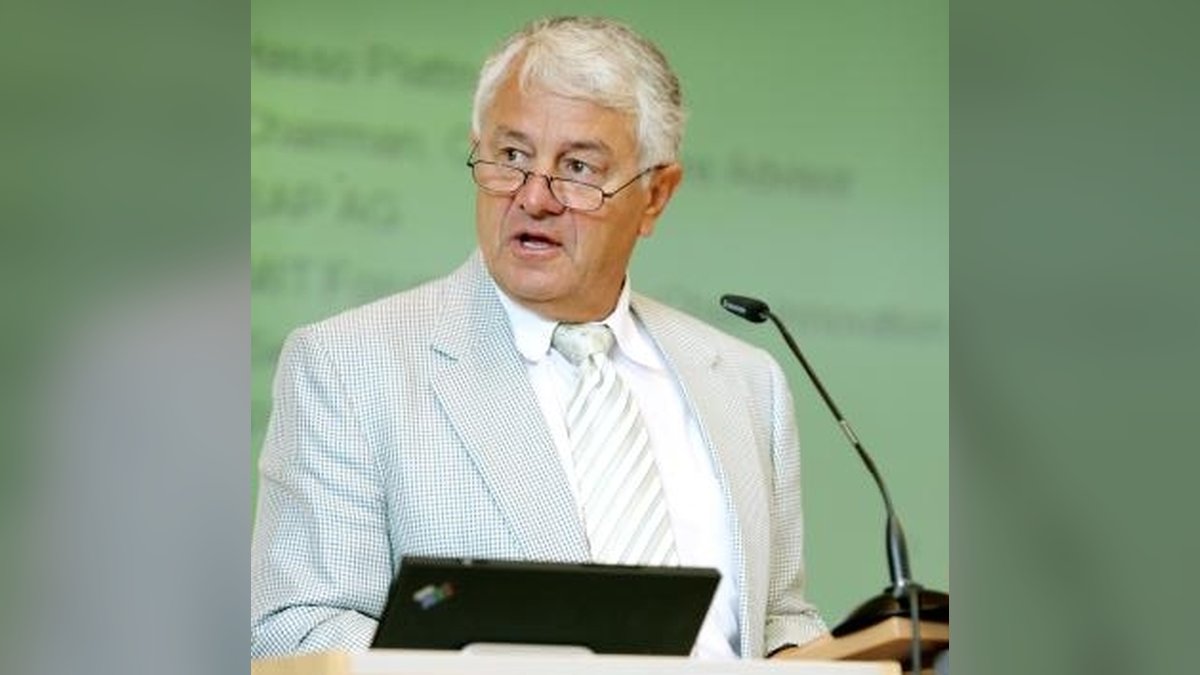
Who is Hasso Plattner? He is a German businessman and philanthropist, best known as the co-founder of the massive enterprise software company, SAP SE. Born on January 21, 1944, Plattner’s career has been defined by his role as an entrepreneur who fundamentally shaped global business technology. Beyond his corporate achievements, he is also recognized for his significant contributions to the arts, sports, and education, making him a figure whose influence extends far beyond the server room.
Plattner’s impact on the tech landscape is immense, stemming from his role in establishing and guiding SAP SE. Having worked at IBM between 1968 and 1972, he returned to co-found the company in 1972. His commitment to the enterprise software sector was evident throughout his tenure, including serving as the chairman of the company’s supervisory board from 2003 to 2024. By 2018, his net worth was estimated at $12.7 billion, solidifying his position among the world’s most influential tech leaders.
This biography traces the remarkable journey of a man who built a global giant while remaining deeply committed to culture and giving back. We will explore his early life and education in Karlsruhe, examine the genesis and growth of SAP SE, and delve into his passions outside of business, such as his ownership of the San Jose Sharks and his extensive philanthropic work. The article also covers his academic benefaction, major awards, and personal life.
Key Takeaways
- Born in Berlin on January 21, 1944, he studied communications engineering at the University of Karlsruhe.
- He co-founded SAP SE in 1972 after leaving IBM, establishing a global leader in enterprise software.
- Hasso Plattner served as Chairman of SAP SE’s supervisory board for two decades, from 2003 to 2024.
- He founded the Hasso Plattner Foundation (2015) and Museum Barberini, demonstrating deep commitment to art and culture.
- He established Hasso Plattner Ventures (2005), a fund that managed €150 million and invested in global technologies.
Hasso Plattner at a Glance
| Born | 21 January 1944; Berlin, Germany |
|---|---|
| Education | University of Karlsruhe |
| Occupations | Entrepreneur, philanthropist |
| Known for | Founder of SAP SE; Majority owner of the San Jose Sharks |
| Title | Chairman of SAP SE |
| Spouse | Sabine Plattner |
| Children | 2 |
| Citizenship | Germany |
| Employer | IBM (1968–1972); SAP (1972–present) |
| Field of work | Management; Entrepreneurship |
| Awards | Order of Merit of Brandenburg (2007); Rudolf-Diesel-Medaille; Leonardo Award (2014); Werner von Siemens Ring (2017); honorary citizen of Potsdam (2017); Leibniz Medal (2004); honorary doctor of the University of Potsdam (2002); honorary doctor of the Saarland University (1990); Ehrensenator (1998); honorary doctorate of the Karlsruhe Institute of Technology (2020) |
| Owner of | SAP |
| Net worth | $12.7 billion (2018) |
| Member of | The Giving Pledge |
From Berlin to Karlsruhe: Early Life and Education
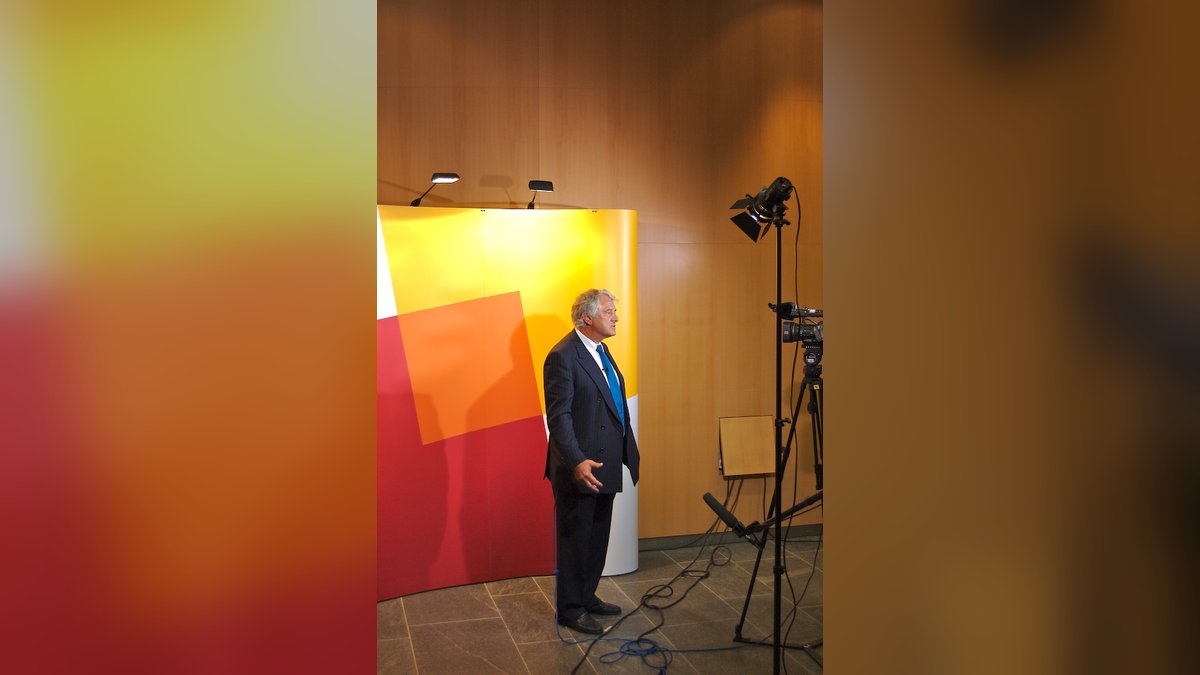
Hasso Plattner’s journey into the world of global technology was rooted in the post-war landscape of Germany. He was born on January 21, 1944, in Berlin. His background was established within a family of professional expertise; his father, Horst Plattner, was a practicing German ophthalmologist whose career spanned decades. While his origins were in the capital, the early years of his life unfolded in Bavaria, providing a distinct geographical and cultural backdrop to his formative years.
This early foundation set the stage for a rigorous academic pursuit. Plattner’s intellectual trajectory led him to the University of Karlsruhe, where he immersed himself in the demanding field of communications engineering. This period of study was critical, equipping him with the deep technical knowledge that would later define his career. He successfully completed his masters degree in communications engineering in 1968, an achievement that marked his formal entry into the professional sphere. The specialized knowledge gained at Karlsruhe was not merely theoretical; it provided the specific engineering acumen required to navigate the complex technological shifts occurring in the industrial world.
The completion of his studies in 1968 immediately placed him within the burgeoning German tech sector. His initial professional engagement began at IBM, where he worked for several years, spanning the period from 1968 through 1972. This tenure at a global technology powerhouse allowed him to gain crucial early experience within the operational mechanisms of large-scale computing infrastructure. The transition from the structured environment of a major multinational corporation like IBM to the nascent, rapidly evolving field of enterprise software proved to be a pivotal turning point.
Just four years after his time at IBM, in 1972, Plattner began his career with SAP. This move marked a profound shift from the established giants of the industry to the foundational work of building a global software leader. The early years at SAP were characterized by an entrepreneurial spirit that leveraged his sophisticated understanding of communications engineering and enterprise systems. His educational credentials, culminating in the masters degree from the University of Karlsruhe, provided the bedrock of knowledge that allowed him to contribute meaningfully to the company’s initial development and subsequent massive expansion, setting the stage for the tech giant that would come to define modern business computing.
The Genesis of SAP SE: Founding a Tech Giant
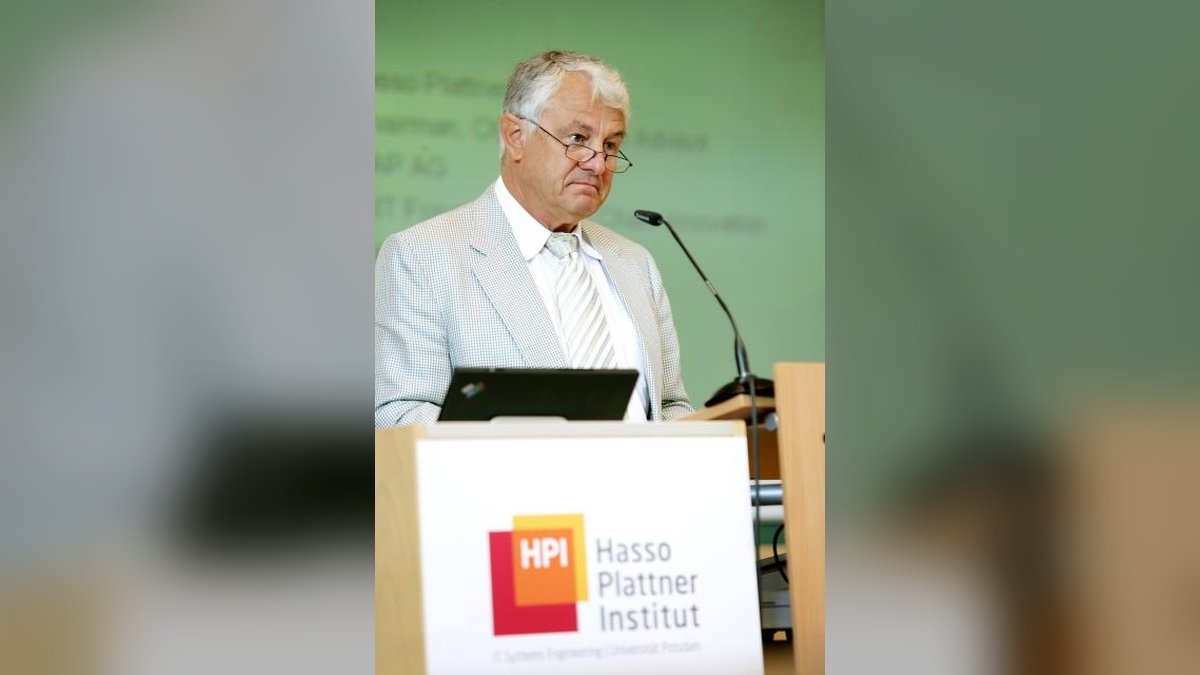
The trajectory of Hasso Plattner’s career is defined by a singular, pivotal moment: the decision to leave the established corporate structure of IBM. Though his earlier years placed him within the burgeoning German tech sector, the year 1972 marked the true genesis of his professional empire. At this time, Plattner and four colleagues executed a dramatic pivot, departing from IBM to co-found SAP. This new venture was not merely a job change; it was the creation of a global standard for enterprise software, setting the stage for a company that would fundamentally reshape how the world conducted business. This founding act established SAP as the defining achievement of his professional life.
Plattner’s involvement with SAP deepened significantly over the ensuing decades. His hands-on leadership culminated in him serving as co-chief executive, alongside Henning Kagermann, starting in 1998. While he eventually stepped down from the role of co-CEO in 2003, at age 60, his influence on the company’s governance remained profound. From 2003 through 2024, he chaired the company’s supervisory board. His commitment to the company’s future was evident when he orchestrated the hiring of co-CEOs Jennifer Morgan and Christian Klein in 2019. Even as his executive role evolved, his financial stake remained substantial; as of 2020, he held a 5.89% stake, cementing his position as the company’s largest individual shareholder.
Building the Intellectual and Financial Ecosystem
Recognizing that technological leadership requires both academic rigor and aggressive capital, Plattner established structures that extended his influence beyond the corporate boardrooms. In 1998, he founded the non-profit Hasso Plattner Institute (HPI). At HPI, he took on the roles of Chair of Enterprise Platform and Integration Concepts and Professor of Enterprise Systems, anchoring the institution’s focus on cutting-edge technological theory. Complementing this academic depth, he launched Hasso Plattner Ventures in 2005, his own venture capital fund, initially capitalized with more than 25 million euros. This move allowed him to actively shape the next generation of tech companies.
The reach of this venture fund quickly expanded across continents. By December 2009, HPV managed €150 million and maintained a portfolio of 17 companies, including online cruise portals such as Dreamlines. Demonstrating a commitment to global expansion, he founded an affiliate fund, HPV Africa, in Cape Town in 2008, with an initial backing of €29 million. The fund’s strategic investments followed, such as the $6 million commitment in September 2010 to the Israeli software company Panaya. Furthermore, his commitment to culture and knowledge broadened through philanthropic action, including the founding of the Hasso Plattner Foundation in 2015 and the Museum Barberini in 2016.
Guiding SAP’s Growth: Leadership and Corporate Strategy
For two decades, from 2003 to 2024, Hasso Plattner served as Chairman of the supervisory board at SAP, a tenure during which his influence on the company’s governance and long-term direction proved profound. While he stepped down from the co-chief executive role in 2003, his commitment to the enterprise software giant remained central. His role transcended mere chairmanship; he was a key architect of SAP’s governance structure, ensuring that the company remained aligned with technological leadership and sustained growth. A critical moment in this period was the orchestration of the co-CEO structure in 2019, bringing together Jennifer Morgan and Christian Klein to steer the company forward.
Plattner’s influence was not limited to the boardrooms of SAP. He methodically built parallel structures designed to extend his vision and capital into the next generation of technology. In 1998, he founded the non-profit Hasso Plattner Institute (HPI). Today, he maintains a profound connection to HPI, where he serves as Chair of Enterprise Platform and Integration Concepts and is a Professor of Enterprise Systems. This academic and research focus underscores his belief that technological advancement must be rooted in rigorous, forward-looking study.
Complementing his institutional efforts is his venture capital arm. In 2005, Plattner established Hasso Plattner Ventures, initially backed by more than 25 million euros. This fund quickly became a significant engine of external investment, showcasing his willingness to back nascent technologies across the globe. The growth metrics are telling: by December 2009, Hasso Plattner Ventures managed €150 million and maintained a portfolio of 17 companies, including online cruise portals like Dreamlines. Furthermore, his global reach was cemented with the 2008 founding of the affiliate fund, HPV Africa, in Cape Town, which was initially capitalized with €29 million.
His investment strategy was both broad and highly targeted. For instance, in September 2010, Hasso Plattner Ventures invested $6 million in the Israeli software company Panaya, acquiring stakes in the organization. Even as his direct equity stake in SAP fluctuated—he reduced it several times—his position remained significant. As of 2020, he held a 5.89% stake, cementing his status as the company’s largest individual shareholder. Through the combination of his foundational role on the supervisory board, his academic patronage via HPI, and his aggressive, yet strategic, investment through Hasso Plattner Ventures, Plattner ensured that his impact on SAP’s direction was both enduring and multifaceted.
Patron of the Arts and Sports: Non-Tech Passions
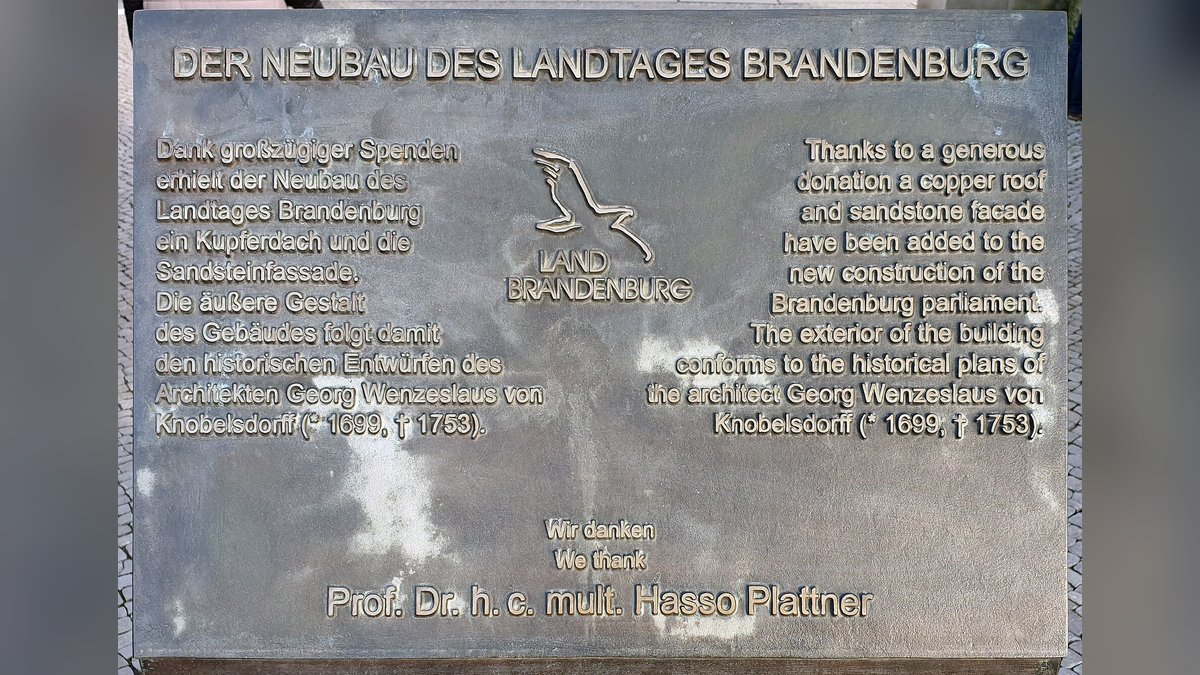
While the algorithms and enterprise resource planning systems of SAP SE define much of the public narrative surrounding Hasso Plattner, his passions extend far beyond the realm of code and corporate boardrooms. His commitment to excellence, whether measured by elapsed time across the Pacific or the preservation of historical facades, is equally profound. This dedication manifests across high-stakes sporting endeavors and monumental cultural patronage.
The Pursuit of Speed and Mastery
Plattner’s appreciation for precision is evident in his athletic pursuits. He has a deep connection to the high-stakes world of yachting. In 2005, his maxZ86 maxi yacht achieved a notable record at the Transpacific Yacht Race. In a grueling five-boat assault on the record for monohulls, the yacht finished the race in 6 days, 16 hours, 4 minutes, and 11 seconds, winning “the Barn Door” trophy—a slab of carved koa wood traditionally awarded to the monohull with the fastest elapsed time. His mastery continued in 2013 when he won the German Dragon Championship as part of a three-man crew that included Hamish Pepper.
Beyond the open water, Plattner is a keen golfer. This passion led him to acquire the Fancourt Hotel and Country Club in 1994, a sprawling property boasting three Gary Player-designed championship courses, alongside the CordeValle Golf Club in San Martin, California. The Links of Fancourt, for instance, served as the location for the 2003 Presidents Cup matches between the United States and an international team, captained by Gary Player.
Patronage of Culture and History
Perhaps the most visible extension of his influence lies in the arts and architecture. His commitment to historical preservation was monumental when he contributed over €20 million toward the reconstruction of the historic exterior of the Stadtschloss in Potsdam. This donation, which addressed damage sustained during World War II and the structure’s demolition in 1959, was at the time the largest single donation ever gifted in Germany by one individual.
His cultural investments are both expansive and highly specialized. Plattner helped establish the Museum Barberini, a museum devoted to his holdings of modern and Impressionist art, as well as artists active in the former German Democratic Republic (GDR). In a defining moment of art history, he purchased Monet’s 1890 Meules painting for $110.7 million at a 2019 Sotheby’s auction, setting a record for the most high-priced Impressionist work ever sold at auction. Furthermore, in 2022, he opened Das Minsk in Potsdam, a private museum specifically focusing on East German artists who were active following the fall of the Berlin wall.
To advance art historical scholarship, he joined forces with art dealer Guy Wildenstein in 2016 to form the Wildenstein Plattner Institute. This foundation is dedicated to advancing scholarship by fostering the accessibility, cataloguing, and digitisation of primary sources, ensuring that the academic study of art remains robust and globally connected.
The Philanthropic Commitment: Education and Culture
Hasso Plattner’s commitment to giving extends far beyond the algorithms and enterprise resource planning systems that defined his professional life. This dedication is formalized by his membership in The Giving Pledge, which he signed in February 2013. The culmination of this philanthropic focus is the Hasso Plattner Foundation, established in 2015. The foundation’s mandate is comprehensive, spanning education, art, culture, and conservation. Since 2017, the foundation has been headquartered at Villa Wunderkind in Potsdam, reflecting a deep, sustained interest in the cultural heritage of Germany.
Preserving Culture and Advancing Scholarship
Plattner’s patronage of the arts is both financially massive and highly specialized. His involvement in the preservation of Potsdam’s historical fabric is notable; he contributed more than €20 million, an amount that at the time was the largest single donation given by an individual in Germany, enabling the reconstruction of the historic exterior of the Stadtschloss, which had been damaged during World War II and demolished in 1959. Complementing this dedication to physical preservation, he founded the Museum Barberini, devoted to his holdings of modern and Impressionist art, as well as works by artists active in the former German Democratic Republic (GDR). His commitment to the art market reached a peak in 2019 when he purchased Monet’s 1890 Meules painting for $110.7 million at a Sotheby’s auction, setting a record for the most high-priced Impressionist work sold at auction. Further solidifying his role as an art historian patron, he joined art dealer Guy Wildenstein in 2016 to create the Wildenstein Plattner Institute, a foundation specifically dedicated to advancing art historical scholarship by fostering the accessibility, cataloguing, and digitisation of primary sources. His passion for East German art culminated in the 2022 opening of Das Minsk in Potsdam, a private museum focusing on artists active after the fall of the Berlin wall.
Investing in the Next Generation of Minds
The scope of his benefaction is equally profound in the realm of technological education and research. Since his retirement from SAP, Plattner has become one of Germany’s most important private sponsors of scientific research. This commitment materialized in 1998 with the founding of the Hasso Plattner Institute for software systems engineering at the University of Potsdam. The Institute’s funding is solely provided by the non-profit Hasso Plattner Foundation for Software Systems Engineering. While Plattner initially pledged €50 million over twenty years, his commitment has since quadrupled to exceed €200 million. He remains actively involved with the HPI, serving as a director and lecturer in Enterprise Platforms and Integration Concepts. Furthermore, his global educational footprint includes a US$35 million donation in October 2005 that established the Hasso Plattner Institute of Design at Stanford University, a center encouraging students from varying disciplines to develop user-friendly innovations. Earlier, in 2003, he gave €10 million to redevelop the library at the University of Mannheim, Germany.
Beyond the academic and artistic spheres, Plattner has demonstrated a sustained commitment to global health, particularly in South Africa. His support for the fight against HIV/AIDS included a donation of €6 million for the Isombululo programme for prevention and treatment, announced at the 2003 Presidents Cup, an amount suggested to have helped 360,000 people. Additionally, in the spring of 2005, he personally covered the costs of the 46664 benefit concert held at his golf course, The Links of Fancourt near Cape Town. The proceeds from that event went toward the Global Fund to Fight AIDS, Tuberculosis and Malaria, an organization co-founded by former South African president Nelson Mandela.
Fostering Innovation: Research and Academic Benefaction

Since stepping back from the day-to-day governance of SAP SE, Hasso Plattner has redirected his formidable energies and considerable resources toward advancing pure scientific inquiry. His philanthropic focus has positioned him as one of Germany’s most important private sponsors of scientific research, demonstrating a dedication to fostering the next generation of technological breakthroughs. Unlike corporate investment, this patronage is structured to support fundamental academic institutions, ensuring that research continues irrespective of market cycles or immediate commercial viability.
The Commitment to Software Systems Engineering
A cornerstone of this renewed focus is the Hasso Plattner Institute for Software Systems Engineering. Plattner founded this institute in 1998, situating it at the University of Potsdam. The institute’s sole source of funding is the non-profit Hasso Plattner Foundation for Software Systems Engineering. The initial commitment was substantial, with Plattner pledging €50 million of his personal fortune to the endeavor over a twenty-year period. This dedication has proven to be a rapidly growing commitment; since the institute’s foundation, his support has quadrupled, now exceeding €200 million. His involvement remains deeply technical and academic, as he not only fully finances the HPI but also serves actively as a director and lecturer in specialized areas like Enterprise Platforms and Integration Concepts.
Plattner’s support extends far beyond the German academic landscape. A notable example is his commitment to user-centric design at the American academic level. In October 2005, he donated US$35 million to establish the Hasso Plattner Institute of Design at Stanford University. This institution was established to challenge students across varying disciplines with the development of user-friendly innovations, signaling a belief that technological progress must be coupled with human-centered design principles.
His benefaction also targeted specific regional needs within Germany. In 2003, he demonstrated his support for scholarly resources by pledging €10 million toward the redevelopment of the library at the University of Mannheim. These varied, highly specialized donations—from the foundational work at Potsdam to the design focus at Stanford—illustrate a pattern: a profound belief that the engine of future economic growth lies within well-funded, creatively ambitious academic research.
Awards, Recognition, and Personal Life
Hasso Plattner’s personal life reflects a quiet dedication to family and a significant geographical shift following his professional peak. He is married to Sabine Plattner, who is a former teacher. Together, the couple raised two daughters, who spent their formative years in Heidelberg, Germany. While his professional roots remain deeply tied to Germany—the origin of his monumental work with SAP SE—Plattner has established a life centered in San Jose, California, a location he has described as his ‘adopted home.’ This move marks a noticeable change in his personal rhythm; since stepping back from the day-to-day governance of SAP, he has reportedly not visited Germany.
The family’s roots are not solely Californian, however. They maintain residences across various locales, including Potsdam’s Babelsberg district, the island of Sylt, and Yzerfontein. This blend of international residences mirrors a life lived across continents, even as his focus has narrowed to the immediate sphere of his family and philanthropic endeavors.
A Recognition of Global Impact
The scale of Plattner’s contributions, spanning enterprise software and cultural patronage, has been met with an extraordinary array of accolades. His recognition is not confined to the technology sector, but spans business, culture, and global understanding. Among his most notable honors are the Leonardo European Corporate Learning Award in 2014, which recognized his “Thought Leadership” within the corporate education sphere. Later, the German American Business Association (GABA) honored him with the GABA Lifetime Achievement Award in 2015.
His commitment to social and cultural understanding has garnered further praise. In 2016, he received the Prize for Understanding and Tolerance from the Jewish Museum Berlin. The recognition continued into 2017 with the awarding of the prestigious Werner von Siemens Ring. His distinguished career has been marked by numerous other high honors, including the Order of Merit of Brandenburg (2007) and the Leibniz Medal (2004).
These awards paint a portrait of a figure whose impact is measured far beyond the balance sheets of a tech conglomerate. They testify to a career that transitioned from building global systems to becoming a powerful, visible force for culture, education, and humanitarian thought, solidifying his status as a global industrialist and philanthropist.
Frequently Asked Questions About Hasso Plattner
What company is Hasso Plattner best known for co-founding?
Hasso Plattner is best known for co-founding SAP SE. He began his career with the company in 1972 after leaving IBM. SAP SE became a defining global enterprise software company, fundamentally reshaping how businesses conduct their operations worldwide.
What is Hasso Plattner’s primary field of work?
His primary field of work is entrepreneurship and management, rooted in communications engineering. His career is defined by his role in building and guiding SAP SE, a major global technology firm, and his subsequent philanthropic investments.
Is Hasso Plattner involved in philanthropy, and what is his major giving initiative?
Yes, he is highly philanthropic and a member of The Giving Pledge. His major giving initiatives include establishing the Hasso Plattner Foundation in 2015 and funding the Museum Barberini, which supports art, culture, and academic scholarship.
What is his connection to the San Jose Sharks?
Hasso Plattner is noted as the majority owner of the San Jose Sharks. This indicates a significant and controlling financial stake in the professional National Hockey League (NHL) team.
Where did Hasso Plattner complete his degree?
He completed his masters degree in communications engineering at the University of Karlsruhe. This academic achievement provided him with the deep technical knowledge that was crucial for his subsequent career in the rapidly evolving global technology sector.
Final Thoughts: The Legacy of Hasso Plattner
Hasso Plattner’s legacy is not confined to a single breakthrough but is woven through the very fabric of global enterprise computing. From co-founding SAP in 1972, a venture that fundamentally reshaped business processes worldwide, to establishing the Hasso Plattner Institute (HPI) in 1998, he built an ecosystem of influence. This commitment to both commerce and knowledge was paralleled by his role as a venture capitalist; Hasso Plattner Ventures, founded in 2005, rapidly grew, managing €150 million and investing in a diverse portfolio of 17 companies by December 2009. His philanthropic reach further solidified his impact, notably with the founding of the Museum Barberini in 2016 and the Hasso Plattner Foundation in 2015.
Beyond the digital realm, Plattner’s commitment to culture and sport reflects a broader vision for human progress. His numerous accolades, including the Leonardo Award in 2014 and the Werner von Siemens Ring in 2017, underscore a figure of immense recognition. As a majority owner of the San Jose Sharks, his passions extend into the physical world, complementing his deep roots in communications engineering and the development of enterprise systems. His life illustrates a potent fusion: the relentless drive of the entrepreneur, the guiding hand of the academic patron, and the deep responsibility of the benefactor. The lasting question remains whether the next epoch of digital transformation will be shaped by the platforms he helped build, or by entirely new forces emerging from the academic rigor he championed.
Sources and Further Reading
- Hasso Plattner — Wikipedia (text available under CC BY-SA 4.0)
- Hasso Plattner, SAP’s software pioneer still sailing on — ft.com
- #20 Hasso Plattner & family — forbes.com
- Hopp Plans ‘Active Role’ on Supervisory Board: SAP’s Founder and Chief Will Step Down in May — nytimes.com
- SAP chairman Plattner open to extend contract beyond 2019 — reuters.com