Read this article in: Portuguese (Português) · Spanish (Español)
An engineering student in Brazil found himself in an extremely delicate and expensive situation: a high-value gaming laptop, an ASUS ROG Zephyrus G14, stopped working just two weeks before his final exams. Instead of quick technical support, he faced a complex warranty deadlock involving the retailer Best Buy and the manufacturer ASUS. The case highlights the difficulties consumers face when trying to claim warranty coverage on high-end electronic equipment, especially when there are high replacement costs and little clarity regarding support coverage.
The Student’s Dilemma: High-Value Laptop Breaks Before Finals
The dilemma began for an engineering student who had invested about $2,800 in an ASUS ROG Zephyrus G14. The equipment failure occurred at a time of maximum academic pressure: two weeks before the final exam period. This scenario of hardware failure during a critical time in academic life makes technical support not just a matter of convenience, but of urgent necessity.
⚠️ Attention
When claiming warranties on high-value equipment, remember that diagnosis is complex due to the high interconnection of components. Always check the terms of use, as the warranty may not cover damage caused by the client.
The case raises a debate about the complexity of claiming warranties on such integrated machines. When the components of a gaming laptop are highly interconnected, the diagnosis and repair process requires considerable effort from the after-sales support team, making the service a delicate and sometimes draining process for the customer.
Warranty Deadlock: $2,500 Charge and Refusal of Technical Support
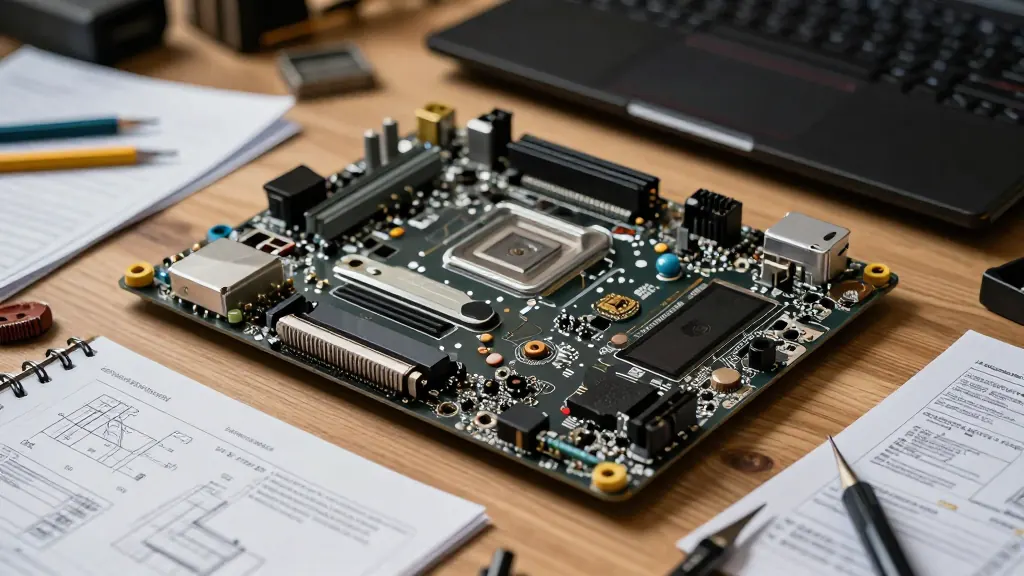
The problem worsened during the warranty claim process. The student found himself in a conflict between the retailer Best Buy and the manufacturer ASUS. When trying to resolve the failure, Best Buy quoted a very high price of $2,500 just for the replacement of the Zephyrus G14’s motherboard, a cost that approached nearly the total price of the gaming laptop.
The situation was even more frustrating because the client had the Best Buy Total membership, which offers two years of protection. However, this coverage was not enough to solve the Zephyrus G14’s problem after the hardware failure. The consumer then sought direct support from ASUS, but was informed that the problem was the responsibility of the retailer Best Buy. Furthermore, the manufacturer did not allow him to open a standard support ticket because the purchase had been made through Best Buy.
Additionally, the report suggests there was a possible communication failure on the part of the retailer. The consumer alleged that representatives informed him that he had only received a manufacturer’s warranty limited to 12 months, and that this coverage would expire on July 30, 2026, without clarifying why the motherboard repair was being charged in full.
📊 Warranty Impasse: Conflict Between Retailer and Manufacturer
| Involved Party | Alleged Coverage/Action | Point of Conflict |
|---|---|---|
| Consumer | Had Best Buy Total (2 years) | Coverage was not sufficient after hardware failure. |
| Best Buy | Quoted $2,500 for the motherboard | Claimed that the warranty was limited to 12 months and that the repair would be charged in full. |
| ASUS (Manufacturer) | Refused direct support | Stated that the problem was Best Buy’s responsibility and did not allow a standard claim. |
Brand Context: ASUS, Best Buy, and the High-End Hardware Market
To understand the context of the dispute, it is useful to know the companies involved. ASUS, or Asustek Computer Inc., is a multinational manufacturer from Taiwan, known for producing a vast range of electronic products, including desktops, notebooks, mobile devices, motherboards, and networking equipment. The company also operates as an Original Equipment Manufacturer (OEM).
Best Buy Co., Inc., meanwhile, is an American multinational retailer. Originally founded in 1966 as a store specializing in audio, the company was restructured in 1983, focusing on consumer electronics. The interaction between a global manufacturer of cutting-edge technology, such as ASUS, and a major electronics retailer, like Best Buy, often creates layers of responsibility that can cause confusion and difficulties for the end consumer.
What to Expect: Tips for Protecting Expensive and Complex Electronic Equipment
This incident is not isolated. The relationship between major consumers of expensive equipment and technical support has been marked by ups and downs. There are reports that ASUS itself has had questionable service experiences, such as the alleged refusal to replace a gaming laptop valued near $4,500, which was lost during the shipment of a warranty process (RMA) handled by the carrier DHL.
On the other hand, it is important to note that the manufacturer also demonstrates exceptional support capability. On other occasions, ASUS demonstrated proactivity, such as in a case where the company waived a $1,100 fee related to a motherboard for a ROG Strix G16 user after a short circuit.
Given this scenario, experts and commentators suggested that the student seek to elevate the issue to Best Buy’s senior management support. In summary, consumers of high-end hardware must act diligently, documenting every step of the warranty process and, whenever possible, seeking to escalate the case to higher levels of technical support. The best defense for high-value equipment is organization and persistence in defending consumer rights.