Read this article in: Portuguese (Português) · Spanish (Español)
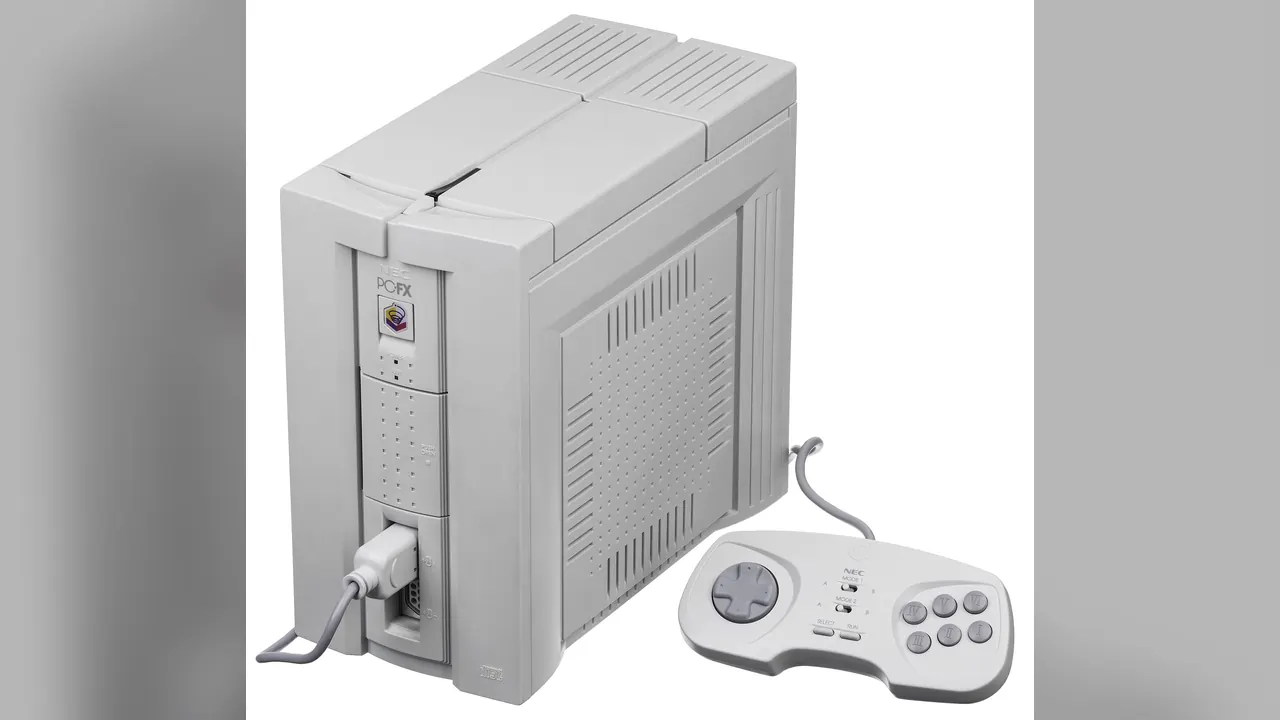
If you’re looking for the 50 best games for the PC-FX, get ready for a nostalgic trip to a golden age and technological challenges. The PC-FX, a 32-bit home console developed by NEC and Hudson Soft, represents a fascinating chapter in video game history. Launched in Japan on December 23, 1994, it was the successor to the acclaimed PC Engine (known internationally as TurboGrafx-16) and brought the CD-ROM as its primary storage medium, promising a rich and advanced gaming experience for its time. Despite its short lifespan, the system left behind a diverse catalog and memorable titles that deserve to be revisited.
The relevance of the PC-FX is undeniable, especially for collectors and enthusiasts of the fifth generation of consoles. This system was based on a 32-bit architecture called “Tetsujin” (or Iron Man) and utilized the CD-ROM, a significant leap from its predecessor, which used the HuCard format. Although the console faced market challenges due to the lack of a 3D polygon-based graphics chip and its high cost, NEC managed to release a total of 62 games. The system was a technical milestone, manufactured in a tower PC format, and its trajectory of success and subsequent discontinuation on February 14, 1998, make it an object of deep study in the history of gaming technology.
In this article, we will dive deep into this universe of pixels and memories. To guide your journey, we have organized the content into three essential parts: first, we will explore the PC-FX’s Historical Context and Technical Specifications, understanding its origin and capabilities. Next, we will present the Game Catalog, analyzing the genres and studios that shone on the platform. Finally, we will detail How We Chose the 50 Best Titles, ensuring you have a complete and immersive guide to relive the magic of this legendary machine.
Key Points
- Launched on December 23, 1994, the console operated with a 32-bit RISC processor (NEC V810).
- It featured 2 MB of memory and could display 16.77 million colors, a remarkable feat for the time.
- The use of the CD-ROM as the primary storage medium was a crucial differentiator for the hardware.
- The system was discontinued on February 14, 1998, with sales limited to 300,000 units.
- The game catalog consisted of 62 titles, with a strong focus on Japanese anime franchises.
PC-FX in Summary
| Console | PC-FX |
|---|---|
| Manufacturer | NEC |
| Developer | NEC, Hudson Soft |
| Generation | Fifth |
| Type | Home video game console |
| Release (Japan) | December 23, 1994 |
| Discontinuation (Japan) | February 14, 1998 |
| Media | CD-ROM |
| CPU | NEC V810 @ 21.475 MHz |
| Memory | 2 MB |
Historical Context and Technical Specifications of the PC-FX
The story of the PC-FX begins with a successful partnership and technological ambition. In 1987, NEC joined forces with developer Hudson Soft to create the PC Engine, which was internationally released under the name TurboGrafx-16. Although the console was a success compared to its predecessor, the global market presented challenges. The success of the PC Engine solidified a powerful relationship between the two companies, leading them to plan a true successor, a significant leap forward from simpler upgrade systems, as seen in titles like Asterfel RPG time machine.
This project gave rise to the “Tetsujin” (meaning “Iron Man”) prototype, a system conceived to be a 32-bit console with full-screen video playback capability and that would use the CD-ROM as its primary storage medium. Although the prototype was announced in 1992, the release schedule suffered several delays. Market pressure intensified with the launch of technologically advanced consoles in 1993, such as the Atari Jaguar and the 3DO Interactive Multiplayer. Faced with this competitive landscape and the difficulty of launching the original hardware, NEC and Hudson had to redesign the system. Thus was born the PC-FX, which kept the “PC” name in homage to the PC Engine lineage.
Technical Features and the Generational Challenge
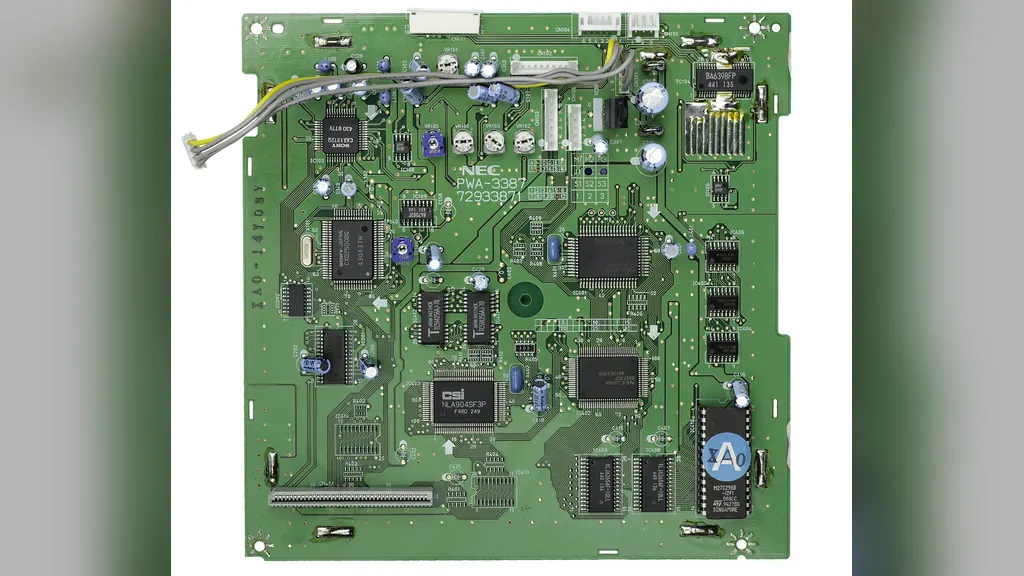
The PC-FX was officially released in Japan on December 23, 1994. Technically speaking, it represented a remarkable leap for its time. The console operated with a 32-bit RISC processor, the NEC V810, running at a frequency of 21.475 MHz, and boasted 2 MB of memory. The use of the CD-ROM as storage media was a crucial differentiator, and the system could display 16.77 million colors, an impressive number for the fifth generation.
Structurally, the PC-FX was unusual for consoles of the era, featuring a computer tower format with expansion ports. Graphically, it utilized the HuC6270 and HuC6271 chips, and was notable for its superior support for motion video, capable of decompressing 30 JPEG images per second. However, the console carried limitations that ultimately undermined its commercial potential. An unusual feature for the fifth generation was the absence of a dedicated polygon graphics processor. NEC’s justification was that processors of the time were low-performing, resulting in “blocky”-looking figures, and that using pre-rendered graphics would be more elegant.
The combination of a high launch price (¥49,800 in Japan) and the lack of a cutting-edge polygon graphics engine, compared to its competitors, were decisive factors in its fate. Despite its technical potential and the support of titles like FX Fighter, the PC-FX could not overcome the competition from high-caliber systems. The system was discontinued on February 14, 1998, with a sales record of only 300,000 units, marking the end of an ambitious and technologically complex era.
The Game Library: Featured Genres and Studios

The PC-FX game library, while modest compared to the giants of the era, reveals a cohesive collection deeply rooted in Japanese pop culture. In total, the system launched with a collection of 62 titles. This content longevity is notable, as the PC-FX universe was entirely confined to the Japanese market. The library’s life cycle officially began on December 23, 1994, with the release of the games Graduation 2: Neo Generation FX, Battle Heat, and Team Innocent. The last title added to the system was First Kiss Story, on April 24, 1998, marking the end of a development era dedicated to this platform.
Development Strategy and Narrative Focus
Software production for the PC-FX was heavily guided by NEC, which directed Hudson Soft to follow a very specific development policy. Instead of exploring the breadth of video game genres in general, the focus was almost exclusively on popular anime franchises and the use of filmed and pre-rendered material. While this approach allowed the hardware to shine in certain visual aspects, it had notable consequences for the library. Strict adherence to this model prevented Hudson Soft from bringing iconic and highly successful PC Engine era series, such as Bomberman and Bonk, to the PC-FX, thus limiting the variety of gameplay the public could expect.
Despite the low volume of titles and the thematic restriction, the library established its identity in specific niches. The system is known for having a high percentage of adult-oriented video games, which shaped a significant part of its reputation within the collector community. Furthermore, it is important to note that, at the time of its release, the lack of copy protection in almost all games was a technical and market characteristic, dictated by the high price of CD-ROMs, making piracy an economically unfeasible endeavor.
The result was an extremely focused gaming experience, where the quality of development, although restricted by content policies and market niche, maintained a level of dedication that resonates with nostalgic enthusiasts. The combination of a closed, yet rich catalog of specific franchise titles, makes the PC-FX a fascinating case study on how thematic focus can define a console’s destiny, creating a unique and memorable collection of Japanese pixels and stories.
How We Chose the 50 Best Titles for the List

Compiling this list of the 50 best PC-FX titles was not an exercise in sales figures, but rather a deep dive into the history of game development. We recognize that when analyzing a fifth-generation console’s catalog, it’s easy to fall into the trap of only considering the most commercially successful titles. However, for this article to function as a true curatorial guide and not just a historical catalog, it was essential to establish rigorous and multifaceted selection criteria, remembering that nostalgia also leads us to revisit past eras, such as the best games for the Sinclair ZX81.
The Tripod of Nostalgic Curation
Our curation rests on a tripod of analysis: cultural impact, technical relevance, and critical acclaim. It’s not enough for a game to have sold in large numbers; it must have left a lasting mark on the players’ memory and on the industry’s development. For instance, the critical context of the time is crucial. We know that, shortly after its release on December 23, 1994, the console received scores such as 18 out of 40 from Famitsu, and that critics pointed to a game library that, according to sources like Ultimate Future Games in April 1995, relied heavily on animation at the expense of pure gameplay. Our role, therefore, was to identify the titles that managed to transcend these limitations despite market restrictions and criticism regarding NEC’s lack of innovation and creativity.
This means that the selected games are not just the most popular, but those that represented the peak of artistic and technical ingenuity. We analyzed how developers, such as Hudson Soft, managed to maximize the hardware’s potential, utilizing the resources of the NEC V810 processor and the HuC6270 and HuC6271 graphics in a way that seemed more advanced than it actually was, turning limitations into unique features.
In summary, while compiling this list, we mixed the metric of commercial success with the depth of specialized criticism. We want to pay tribute to games that not only entertained but that set quality standards, that were the true pillars of innovation in the PC-FX ecosystem, and if you want to revisit the history of video games, also check out the 50 best games for TRS-80 Color Computer, ensuring that this nostalgic journey is, above all, a guide of excellence.
The 40 Best Games for PC-FX
1. Kishin Dōji Zenki FX: Vajra Fight
Year: 1995 | Developer: Hudson Soft | Genre: Action, Beat ’em up
This title is a classic of the Beat ’em up genre, perfect for those seeking intense action and memorable choreography on the PC-FX. Developed by Hudson Soft, the game offers visceral combat and a fast pace that captivated players of various generations. What makes ‘Vajra Fight’ stand out is the fluidity of its combat and the design of its stages, which ensure that every confrontation is a visual spectacle. It is a prime example of how the platform could deliver robust action titles while maintaining technical quality and fun appeal around every corner of the map.
2. Dōkyūsei 2
Year: 1996 | Developer: ELF Corporation | Genre: Dating sim
For fans of immersive narratives, ‘Dōkyūsei 2′ established itself as a landmark in the Dating Sim genre. Developed by ELF Corporation, the game plunges the player into complex relationships, requiring choices that shape the characters’ destinies. Its strength lies in its writing and emotional depth, making the player feel truly part of the plot. What makes this title special on the platform is its ability to balance the lightness of romance with moments of intense drama, proving that the PC-FX was a console capable of telling rich and memorable stories.
3. Super Power League FX
Year: 1996 | Developer: Hudson Soft | Genre: Sports
In ‘Super Power League FX’, Hudson Soft delivered a complete and highly competitive sports experience. The game is not just a simulation, but a true challenge of management and skill. It allows players to experience the adrenaline of a sports season, from training to the big game. The title stands out for the polish of its graphics and the depth of its gameplay system. It is an example of how the platform could attract the gaming audience with titles that demanded both strategy and quick reflexes, cementing itself as a favorite among virtual sports enthusiasts.
4. Akazukin Cha-Cha: Osawagase! Panic Race!
Year: 1996 | Developer: NEC Home Electronics | Genre: Board game
This title steps away from action standards and establishes itself as a fun digital board game. ‘Akazukin Cha-Cha: Osawagase! Panic Race!’ offers a chaotic and hilarious experience where movement strategy and timing are crucial for victory. Developed by NEC Home Electronics, the game transforms a board game concept into a vibrant digital adventure. What makes it special is its ability to maintain engagement through unpredictability, making it a perfect pastime that appeals to both casual and highly competitive players.
5. Ojōsama Sōsamō
Year: 1996 | Developer: Fill-in-Cafe, Headroom | Genre: Adventure, Puzzle
‘Ojōsama Sōsamō’ is a gem for lovers of puzzles and narrative adventures. Developed by Fill-in-Cafe and Headroom, the game demands not only logical reasoning from the player but also the exploration of a mysterious world. The combination of adventure and puzzle elements ensures that learning is always rewarding. What distinguishes this title is the way it integrates the solving of complex enigmas into an engaging narrative. It is an intellectual invitation to the player, proving that the PC-FX was a rich platform for brainy entertainment.
6. J.B. Harold Blue Chicago Blues
Year: 1996 | Developer: Riverhillsoft | Genre: Adventure, Visual novel
This title transports the player to the nostalgic and melancholic atmosphere of Chicago through the Adventure and Visual Novel genres. Developed by Riverhillsoft, the game focuses heavily on the narrative and the choices of the protagonist, J.B. Harold. The player is immersed in a world of blues, mystery, and destiny. What makes it special is the mastery in building a richly atmospheric setting full of dialogue, where every decision carries weight in the plot. It is an example of how the PC-FX could sustain deep, cinematic, and narrative experiences, appealing to the player’s heart.
7. Dragon Knight 4
Year: 1997 | Developer: ELF Corporation | Genre: Role-playing game, Strategy
‘Dragon Knight 4’ is a masterpiece for RPG and strategy enthusiasts. Developed by ELF Corporation, it combines typical RPG character progression with the need for precise military tactics. Players must manage resources, evolve skills, and plan complex battles. The game stands out for the depth of its combat system and the vast mythology surrounding it. It is a title that challenges the player on multiple fronts, ensuring hours of strategic immersion and character progression, cementing the PC-FX as a serious RPG console.
8. Battle Heat!
Year: 1994 | Developer: Hudson Soft | Genre: Fighting
Considered a landmark in its genre, ‘Battle Heat!’ is a fighting game title that set a standard for intensity and gameplay in the genre. Developed by Hudson Soft, it offers electrifying confrontations and a refined combat system. The game is recognized for its dynamic graphics and variety of characters, each with a unique fighting style. What sets it apart on the platform is its focus on pure, visceral action, without any filler. It is an essential title for anyone who appreciated high-performance fighting mechanics, proving Hudson Soft’s technical excellence in 1994.
9. Miraculum: The Last Revelation
Year: 1996 | Developer: RayForce Inc. | Genre: Role-playing game
‘Miraculum: The Last Revelation’ is an RPG epic that captivates the player with its grand narrative and exploration of a magical world. Developed by RayForce Inc., the game invites the player to embark on an epic journey, uncovering secrets and confronting age-old threats. Its strength lies in the construction of a rich universe and well-defined character progression. What elevates it on the platform is the sense of epic scale and the challenge of its combat and exploration systems. It is a fundamental title for those seeking a classic and immersive RPG experience.
10. Last Imperial Prince
Year: 1997 | Developer: Nihon Application | Genre: Action, Role-playing game
‘Last Imperial Prince’ combines frantic action with the depth of an RPG, creating a unique experience. Developed by Nihon Application, the game places the player in the role of a prince in a high-stakes adventure. It requires the player not only to fight in intense battles but also to manage their character’s development and skills. The title stands out for the synergy between real-time combat and the RPG progression system. It is a perfect example of how the PC-FX could deliver large-scale entertainment, keeping action and strategy in balance.
11. Kokū Hyōryū Nirgends
Year: 1996 | Developer: Micro Cabin | Genre: Adventure, Combat flight simulation
Kokū Hyōryū Nirgends is a title that combines the adrenaline of aerial combat with the exploration of an adventure universe. In a setting of intense action, the player takes control of aircraft in combat missions and simulated flights. The game stands out on the PC-FX platform for its dynamic gameplay, requiring both flight simulation skills and combat tactics. It is a robust example of how the machine could deliver high-octane experiences, ideal for fans of action and military simulation.
12. Team Innocent: The Point of No Return
Year: 1994 | Developer: Hudson Soft | Genre: Action, Adventure
Released in 1994, Team Innocent: The Point of No Return is a classic work that set the tone for action-adventure games of the era. The title captivates the player with an engaging narrative and game mechanics that demand reflexes and strategy. What makes it memorable is its ability to balance frantic action with moments of exploration and puzzle-solving. For PC-FX enthusiasts, it represents a starting milestone, proving the machine’s potential to deliver high-impact and challenging experiences.
13. Tekipaki: Working Love FX
Year: 1998 | Developer: Studio Offside | Genre: Adventure, Life simulation
Tekipaki: Working Love FX immerses the player in the delicate intersection of professional life and personal feelings. This game combines life simulation elements with the progression of an adventure narrative. Players must manage a work routine while navigating complex relationships. The title stands out for its didactic and emotional approach, allowing users to experience cycles of personal growth. It is a notable example of how the PC-FX was used to tell rich stories, focused on the nuances of the human experience.
14. Sotsugyō R: Graduation Real
Year: 1998 | Developer: Headroom | Genre: Life simulation
Sotsugyō R: Graduation Real is a life simulation title that transports the player to the exciting and nostalgic period of graduation. The game allows for deep immersion into academic life, from school challenges to the first steps into adulthood. What makes it special is the depth with which it simulates interpersonal relationships and character development. It is a highly recommended title for those who appreciate more contemplative narratives, demonstrating the power of the PC-FX to create detailed and emotionally resonant life simulations.
15. Aa! Megami-sama!
Year: 1997 | Developer: HuneX | Genre: Visual Novel
Aa! Megami-sama! is an exquisite example of the Visual Novel genre, focusing on rich narratives and impactful choices. The player is immersed in a universe of dialogues and plots, where every decision carries weight in the story’s progression. What sets this game apart is HuneX’s ability to create captivating characters and engaging storylines, keeping the player hooked with curiosity. For those who value the art of interactive narrative, this title on the PC-FX platform is a gem, proving that emotion and writing are the protagonists of the gaming experience.
16. Angelique Special
Year: 1995 | Developer: Koei | Genre: Adventure, Dating sim
Angelique Special is a pioneering title that blends adventure with the elements of a Dating Sim. The game invites the player to explore a world rich with mysteries while building romantic bonds. The combination of exploration and romance gives depth to the gameplay, requiring the user to make decisions that affect both the plot and the relationships. Released in 1995, it stands out as one of the first to unite these two genres so cohesively on the PC-FX, offering an engaging and captivating experience.
17. Angelique Special 2
Year: 1996 | Developer: Koei | Genre: Adventure, Dating sim
Continuing the successful saga, Angelique Special 2 expands the boundaries of adventure and dating sim. The second volume deepens the mysteries and emotional bonds, demanding even greater attention to narrative details and relationship choices from the player. This game is a milestone for the series, refining the interaction mechanics and the complexity of the plot. It remains a highlight on the PC-FX platform for its mature narrative and the way it balances the emotion of romance with the tension of adventure, keeping the player constantly anticipating.
18. Fire Woman: Matoi-gumi
Year: 1996 | Developer: HuneX | Genre: Dating Sim, Adventure
Fire Woman: Matoi-gumi is a title that blends the delicacy of a Dating Sim with the intrigue of a mysterious adventure. The player encounters an engaging plot that forces them to investigate secrets while nurturing relationships. The game stands out for its rich setting and the subtle way clues and feelings intertwine. It is a perfect example of how the PC-FX managed to unite romance with suspense. For fans of narratives that demand both heart and mind, this title is a must-play recommendation.
19. Farland Story FX
Year: 1996 | Developer: Technical Group Laboratory | Genre: Strategy, Tactical role-playing game
Farland Story FX is a robust title that combines the complexity of a tactical RPG with military strategy. Players are challenged to plan battles, manage resources, and develop characters in a conflict setting. The game stands out for its tactical depth, requiring the user to think strategically with every move on the battlefield. It is a milestone for strategy fans on the PC-FX, proving that the platform was capable of supporting complex gameplay, combining strategic planning with the narrative growth of the protagonists.
20. First Kiss Story
Year: 1998 | Developer: HuneX | Genre: Visual novel
First Kiss Story is a sweet and engaging example of the Visual Novel genre. The game focuses on building a romance, where the narrative is guided by dialogues and intimate choices. The experience is highly immersive, allowing the player to connect deeply with the characters and the development of a relationship. What makes it special is HuneX’s ability to create an atmosphere of nostalgia and tenderness. For those seeking a purely narrative and emotional journey, this title on PC-FX is a classic, celebrating the magic of first feelings.
21. Makeruna! Makendō Z
Year: 1998 | Developer: Fill-in-Cafe, Sugeiya Ltd. | Genre: Role-playing game
Makeruna! Makendō Z is an RPG title that transports players to a rich and detailed fantasy setting. The game allows the player to delve into a robust combat system, demanding strategy and planning to overcome the challenges. What truly sets this work apart on the PC-FX is the combination of an engaging narrative with well-implemented RPG mechanics. It is an invitation for those seeking a deep adventure experience, where every decision and every battle contributes to the unfolding story, keeping the player engaged from start to finish.
22. Minimum Nanonic
Year: 1997 | Developer: Polestar, Studio OX | Genre: Adventure, Visual novel
This title combines the elements of an adventure game with the narrative depth of a visual novel. Players are immersed in a mystery that requires investigation and reasoning to solve. What makes Minimum Nanonic a standout on the platform is its ability to balance the exploration of a mysterious environment with rich dialogues and impactful choices. The plot invites the user to uncover secrets and make decisions that shape the characters’ destinies. Ideal for those who appreciate complex narratives and gameplay focused on discovery.
23. Pia Carrot e Yōkoso
Year: 1997 | Developer: HuneX | Genre: Dating Sim, Eroge, Visual novel
Pia Carrot e Yōkoso is a classic example of a visual novel that mixes elements of dating simulation (Dating Sim) and eroge. The game focuses on building emotional bonds and the progression of a romance, requiring the player to make decisions that influence the characters’ charisma and fate. It stands out for its seductive narrative and detailed dialogues, typical of the genre. It is a highly immersive experience for those seeking a romantic story accompanied by a significant focus on interaction and personal choices.
24. Power DoLLS FX
Year: 1996 | Developer: Kogado Studio | Genre: Strategy
Power DoLLS FX is a title that places the player at the center of a complex strategic challenge. Unlike action games, it demands meticulous planning, resource management, and team combat tactics. What elevates it in the PC-FX game catalog is the depth of its combat system and the complexity of its units. Players must think several steps ahead, coordinating their actions to ensure victory. It is a fundamental work for strategy game enthusiasts who value intelligence and tactical reasoning.
25. Return to Zork
Year: 1995 | Developer: Activision, Data West | Genre: Adventure
Return to Zork is a touching tribute to classic text adventure games, maintaining the spirit of exploration and mystery that defined the genre. Players are challenged to solve complex enigmas and navigate rich scenarios using text commands. What makes it a landmark is its ability to revive the magic of classic adventure games, demanding imagination and creativity. It is an educational and engaging experience, proving that pure narrative, guided by the user’s imagination, is still one of gaming’s most captivating formats.
26. Ruruli Ra Rura
Year: 1998 | Developer: NEC Home Electronics | Genre: Platform, Puzzle
Ruruli Ra Rura combines the action of a platformer with the logic of a puzzle game, creating a constantly challenging experience. Players must not only jump and run but also solve environmental puzzles to advance. What makes this title stand out is the perfect balance between platforming mechanics and the need for strategic thinking. It is a game that rewards observation and patience, presenting levels that progressively increase in difficulty. It is a vibrant and challenging title, perfect for those seeking a mix of action and logical reasoning.
27. Shanghai: The Great Wall
Year: 1996 | Developer: Activision | Genre: Puzzle
Shanghai: The Great Wall is a title focused purely on puzzle-solving, taking the player to a magnificent setting like the Great Wall of China. The game requires the player to use logic and visual patterns to connect points and solve complex enigmas. Its strength lies in the variety and beauty of its puzzles, which are presented in a rich cultural context. It is an extremely relaxing, yet intellectually stimulating game. For those seeking a brain challenge without the pressure of action, Shanghai is a puzzle design masterpiece.
28. Tenchi Muyō!: Ryō-ōki FX
Year: 1996 | Developer: AIC Spirits, TamTam | Genre: Adventure, Visual novel
Tenchi Muyō!: Ryō-ōki FX is a title that blends adventure exploration with the depth of a visual novel. Players dive into a rich plot where the narrative is the main driver, and dialogue and action choices shape the course of events. What makes it special is the way it builds mystery and suspense, keeping the player on the edge of their seat. It is an ideal title for those who value writing and narrative immersion. The combination of mystery and romance elements makes it one of the most engaging in the game’s catalog of that era.
29. Tokimeki Card Paradise: Koi no Royal Straight Flush
Year: 1996 | Developer: Sonnet Computer Entertainment | Genre: Casino, Eroge
This game combines the excitement of a casino with the development of a romance, characteristic of Eroge titles. Players don’t just play cards in a luxurious casino setting; they also interact with characters whose relationships are built through choices and luck. The highlight is the balance between the risk of the game and the intimacy of the relationship. It is a highly addictive experience, mixing the adrenaline of a game of chance with seductive storytelling. Ideal for those who enjoy games that blend luck, strategy, and romance.
30. Tonari no Princess Rolfee!
Year: 1997 | Developer: Fupac, Winds Co., Ltd. | Genre: Adventure, Life Simulation
Tonari no Princess Rolfee! is a title set in a life simulation scenario where adventure unfolds in daily life. Players must manage the routine, relationships, and daily events of a princess. What makes it special is the depth of the life simulation, which requires the player to make decisions about charisma, studies, and social interactions. It is an educational and engaging game that teaches about character building and the importance of interpersonal bonds. A charming experience for those seeking a softer adventure focused on personal development.
31. Voice Paradise
Year: 1996 | Developer: ASK-Kodansha, Fill-in Cafe | Genre: Adventure, Educational
Voice Paradise was a title that combined the intrigue of adventure with a strong educational component. Released in 1996, the game invited players on a journey that sought to convey knowledge in a playful way, in addition to providing entertainment. The premise involved exploration and mystery-solving, requiring the player not only to interact with the environment but also to absorb contextual information. What set this game apart on the PC-FX platform was its ability to maintain engagement in a format that mixed rich narrative and learning. It is a notable example of how the gaming medium could be an engaging pedagogical tool.
32. Wakusei Kōgekitai: Little Cats
Year: 1997 | Developer: Family Soft | Genre: Simulation, Strategy
Wakusei Kōgekitai: Little Cats is a title that blends the delicacy of life simulation with strategic elements. Released in 1997, this game allowed players to manage and interact with a group of kittens in a complex simulation environment. The gameplay required both caring for the characters’ well-being and making strategic decisions for the setting’s development. Its unique feature lies in the fusion of these two genres, creating an experience that is both tactile and mentally stimulating. It is a title that proves the versatility of the PC-FX in games that demand both affection and planning from the player.
33. Zen-Nihon Joshi Pro Wrestling: Queen of Queens
Year: 1995 | Developer: HuneX | Genre: Fighting, Sports
Zen-Nihon Joshi Pro Wrestling: Queen of Queens, released in 1995, immersed the player in the electrifying world of women’s professional wrestling. This fighting and sports game was a test of skill and tactics, where the goal was to dominate the ring and rise to the status of ‘Queen’. What made it memorable was the combination of intense physical combat with career management and the dynamics of a performance sport. The gameplay required players to master various fighting moves, making every match a spectacle of action and strategy. It is a landmark in the fighting sports genre for the platform.
34. Zoku Hatsukoi Monogatari: Shūgaku Ryokō
Year: 1996 | Developer: Tokuma Shoten Intermedia, Winds Co., Ltd. | Genre: Dating Sim, Adventure, Visual novel
Zoku Hatsukoi Monogatari: Shūgaku Ryokō is a classic of the visual novel and dating sim genre. Released in 1996, the game placed the player in a school setting, immersing them in a narrative of romance and discovery. The experience is marked by the importance of choices, where every decision affected relationship development and the story’s outcome. What stood out was the depth of the script and the focus on the characters’ emotional development. It set a standard for dating simulation games, being an engaging title that prioritizes narrative and the connection between the player and the plot.
35. Albarea no Otome
Year: 1997 | Developer: Gimmick House, Magical Craft | Genre: Adventure, Simulation
Albarea no Otome, released in 1997, is a title that blends adventure exploration with simulation routine. The game transported the player to a magical world where discovery and personal development were central. The premise involved exploring the kingdom of Albarea, managing resources, and interacting with characters in a fantasy setting. Its great asset was the balanced fusion between adventure freedom and the depth of life simulation. It offered a rich and immersive experience, establishing the PC-FX as a platform capable of supporting fantastic narratives and complex management mechanics.
36. Can Can Bunny Extra DX
Year: 1996 | Developer: Cocktail Soft | Genre: Visual novel, Eroge
Can Can Bunny Extra DX, released in 1996, is a notable example of the visual novel and eroge genres. This game focused intensely on narrative and visual interactions, presenting a story that unfolded through player choices. The title was known for its adult content and the depth of its plot, demanding total attention from the player to character development and narrative developments. Its highlight on the platform was the way it utilized technology to immerse the user in a highly immersive and narrative-focused experience. It is a landmark in the representation of mature stories for the audience of the time.
37. Chip Chan Kick!
Year: 1996 | Developer: Custom Co., Ltd. | Genre: Action
Chip Chan Kick! is a pure action title, released in 1996, that promised adrenaline and relentless combat. The game placed the player in a series of intense confrontations, requiring quick reflexes and mastery of controls. It was not about a complex narrative, but rather a visceral and direct arcade combat experience. What set it apart was its fast pace and total focus on combat gameplay, without breaks for menus or lengthy dialogues. It is a perfect example of how the PC-FX could deliver fast and addictive action, keeping the player in a constant state of physical and tactical challenge.
38. Chōjin Heiki Zeroigar
Year: 1997 | Developer: Fupac, Sugeiya Ltd., Winds Co., Ltd. | Genre: Shoot ’em up
Chōjin Heiki Zeroigar, released in 1997, is a classic shooter, a high-octane ‘shoot ’em up’. This game placed the player amidst aerial or shooting battles, demanding impeccable precision and timing to survive waves of enemies. The shooting genre has always been one of the most popular on the platform, and this title stood out for its intensity and variety of firing patterns. It offered a pure arcade experience, where the challenge was constant and the player’s improvement was directly rewarded. It is an excellent example of the PC-FX’s ability to deliver electrifying action and engaging graphics.
39. Comic Road
Year: 1997 | Developer: Studio Offside | Genre: Life simulation
Comic Road is a life simulation title that allowed players to experience daily life in an engaging format. Released in 1997, it immersed the player in a life management routine where social interaction and personal development were the main mechanics. The game was praised for its depth in simulating the passage of time and the challenges of ordinary life. Its unique feature was the balance between freedom of choice and the structure of life goals, making the experience highly personal. It is a didactic and captivating title, showing that life simulation could be a sophisticated and reflective genre.
40. Boundary Gate: Daughter of Kingdom
Year: 1997 | Developer: Pack-In-Video, Polestar, Studio OX | Genre: Role-playing game
Boundary Gate: Daughter of Kingdom, released in 1997, is an RPG (Role-playing game) that captivated players with its rich mythology and system complexity. The premise involved a journey in a fantasy world, where the player had to develop a character, manage skills, and face challenges in a deep combat and narrative system. What set it apart was the total immersion in the world, combining character progression with rich side plots. This title is an example of how the PC-FX was capable of sustaining large-scale RPG experiences, satisfying fans of epic narratives and robust game mechanics.
Glossary
- RISC: Abbreviation for Reduced Instruction Set Computing; a more efficient and faster type of processor architecture.
- CD-ROM: Digital storage media that used optical discs, serving as the console’s main data source.
- Dating Sim: Simulation game genre focused on developing romantic relationships and making narrative choices.
- Beat ’em up: Action game genre where the objective is to fight multiple enemies in sequence.
Frequently Asked Questions
Was the PC-FX a commercial success or a failure? Why?
Although it had impressive technical potential, the PC-FX could not overcome high-caliber competition. Commercial success was limited by factors such as the high launch price and the lack of a dedicated polygon graphics processor, resulting in a sales record of 300,000 units.
What is the main difference between the PC-FX and the TurboGrafx-16?
The PC-FX was the direct successor to the PC Engine (TurboGrafx-16). While the predecessor established the lineage, the PC-FX represented an ambitious leap, adopting a 32-bit RISC processor and using the CD-ROM as the primary storage medium.
What games are recommended for someone who has never played on the PC-FX?
To get started, you can explore titles that defined genres on the platform. We recommend ‘Kishin Dōji Zenki FX: Vajra Fight’ for intense action, ‘Dōkyūsei 2’ for deep romance narratives, and ‘Super Power League FX’ for a competitive sports experience.
Was the PC-FX hardware capable of competing with consoles like the PlayStation?
Technically, the PC-FX was advanced for its generation, operating with a 32-bit processor and vibrant colors. However, the lack of a dedicated polygon graphics processor, compared to its competitors, was a limitation that hindered its direct competition with more modern systems.
Is it possible to play PC-FX games on emulators today?
The available material does not cover console emulation. However, historically, video game system preservation is an active field, and the enthusiast community frequently works to keep classic console gameplay accessible on modern platforms.
Conclusion
The journey through the PC-FX is a fascinating dive into the technological ambition and complex realities of the 1990s video game market. Although the console, released on December 23, 1994, was a notable technical achievement—operating with a 32-bit RISC processor and utilizing a CD-ROM—it carried structural limitations, such as the absence of a dedicated polygon graphics processor and a high launch price. These factors, combined with NEC’s strong reliance on pre-rendered videos and anime content, shaped a challenging commercial destiny, resulting in a life cycle that ended on February 14, 1998.
The true value of the PC-FX, however, lies in its cohesive and deeply niche catalog. With a collection of 62 titles, the system established a unique identity, focusing on specific narratives and franchises—a phenomenon that kept it relevant in the Japanese market, even while limiting genre diversity. Our curation, therefore, transcends mere sales figures, focusing on the cultural impact and technical relevance of games that managed to overcome the restrictions imposed by the development policy, despite contemporary criticism.
The PC-FX remains a case study on how thematic focus can define a console’s fate. It reminds us that behind the cutting-edge graphics and high specifications, there is always a story of engineering and passion. By revisiting these titles, we are not just celebrating the games, but the resilience of geek culture and the power of digital nostalgia. May this journey inspire you to revisit the depth of a catalog that, despite being modest, is incredibly rich in memories.