Read this article in: Portuguese (Português) · Spanish (Español)
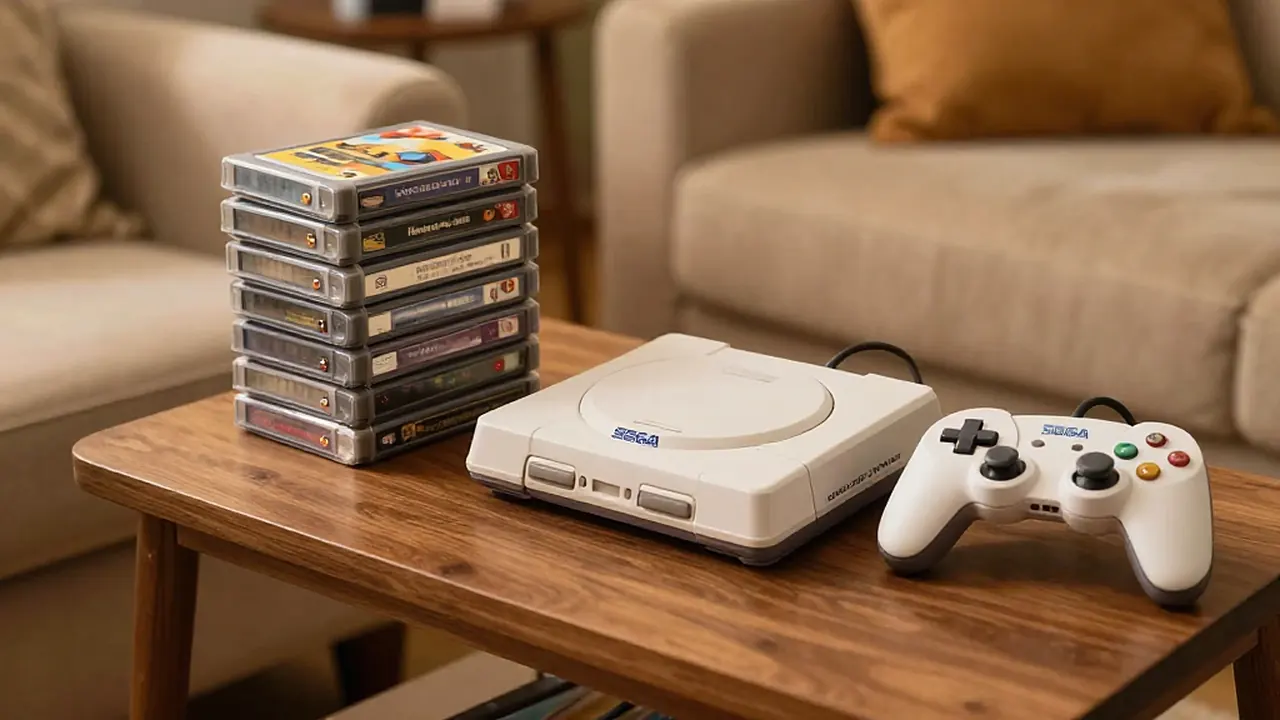
If you want to know the 50 best games for the Sega Mega-CD II, get ready to dive into a collection of titles that defined a golden era of video games. The Sega Mega-CD II was not just an accessory; it was a catalyst that revolutionized the gaming experience, drastically expanding the capabilities of the original console. More than just a list, this guide is a definitive resource revisiting the depth and diversity that the CD-ROM media architecture brought to the interactive entertainment scene, ensuring that the most memorable and influential classics are at your fingertips.
The relevance of the Mega-CD II is intrinsically linked to its ability to overcome the storage and audio limitations of traditional cartridges. During the 1990s, the introduction of the CD-ROM format not only allowed for the use of high-quality soundtracks and full-color videos but also enabled the creation of games with more complex narratives and unprecedented cinematic scope. This technological capability established the system as a hub of innovation, attracting top developers who used the hardware to create multimodal experiences that shaped the tastes of an entire generation of players.
In this comprehensive guide, we will unveil not only the list of the 50 essential titles but also the context behind their genius. We will begin by exploring the architecture and revolutionary impact of the Sega Mega-CD II, before diving into the vast catalog of featured games and genres. Finally, we will present the rigorous selection criteria, explaining why each of these 50 games deserves the title of absolute classic and a place in your gaming memory.
Key Highlights
- The Mega-CD II integrated the CD-ROM, overcoming the storage capacity limitations of traditional cartridges.
- The new architecture allowed for superior audio, full-motion video, and complex narratives.
- The console established itself as a multimedia platform, supporting epic RPGs and point-and-click adventures.
- The catalog was versatile, combining arcade adrenaline with the depth of interactive storytelling.
- The game curation values cultural influence, technical excellence, and replayability of the titles.
The Architecture and Impact of the Sega Mega-CD II
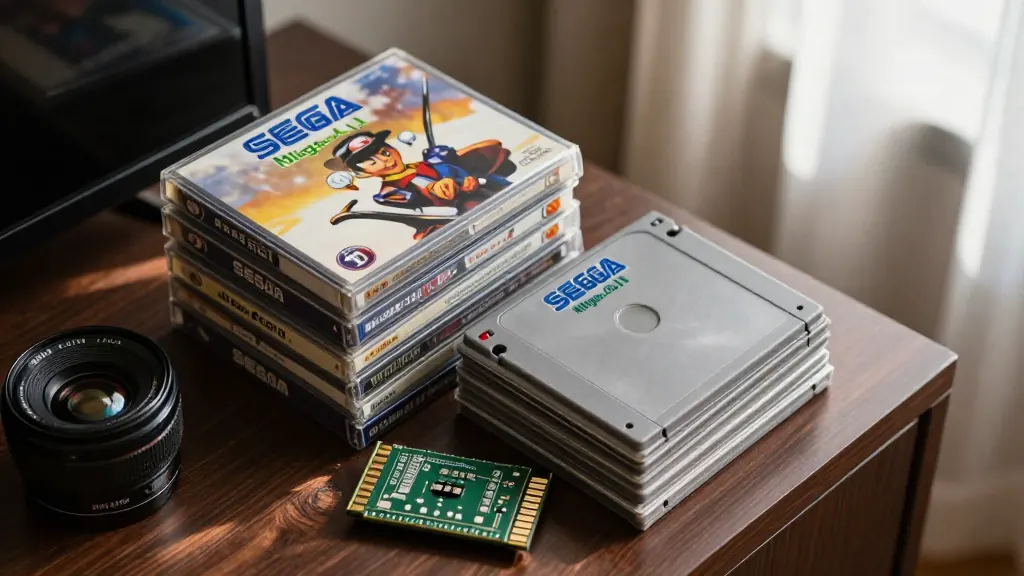
The release of the Sega Mega-CD II was not just a simple hardware upgrade; it represented an architectural paradigm shift for Sega and the video game industry. In a landscape where 8-bit and 16-bit systems had already established a robust market, cartridges, despite their reliability and portability, were beginning to show increasing storage limitations. Sega, visionary in its quest to remain at the technological forefront, realized that the future of digital entertainment would require a vaster and more versatile data support, as seen in the 50 best games for Sega Mega Drive Mini.
The Revolutionary Integration of the CD-ROM
The key to this evolution was the incorporation of the CD-ROM (Compact Disc Read-Only Memory) format. By integrating CD storage capacity into an already established system, the Mega-CD II overcame the main technological barrier of its predecessors. While cartridges were excellent at processing game logic and real-time graphics, they were inherently limited in data volume. The CD-ROM, on the other hand, opened up a range of multimedia possibilities that was simply impossible to replicate on a traditional cartridge. This massive data reading capability transformed the console’s potential, elevating it from a purely procedural gaming machine to a rich entertainment platform.
The impact of this integration was felt in three main areas: audio, video, and narrative complexity. The CD-ROM allowed for the use of superior quality audio, far surpassing the dedicated sound chips of cartridges. Furthermore, the ability to store full-motion videos and vast data files allowed developers to delve into deeper and more complex narratives. Games ceased to be merely a sequence of challenges and began to become cinematic experiences, where context and plot gained as much importance as gameplay.
In summary, the Mega-CD II’s architecture did not just add a new component to the console; it redefined what a game could be. It marked the transition from an era focused on mechanics and pixelated graphics to a new multimedia era. Developers could finally utilize the narrative and sensory potential of the CD-ROM to create titles with unprecedented depth and scale, establishing the Mega-CD II as a turning point in video game history and paving the way for the more sophisticated gaming machines to follow.
The Vast Catalog of Featured Games and Genres
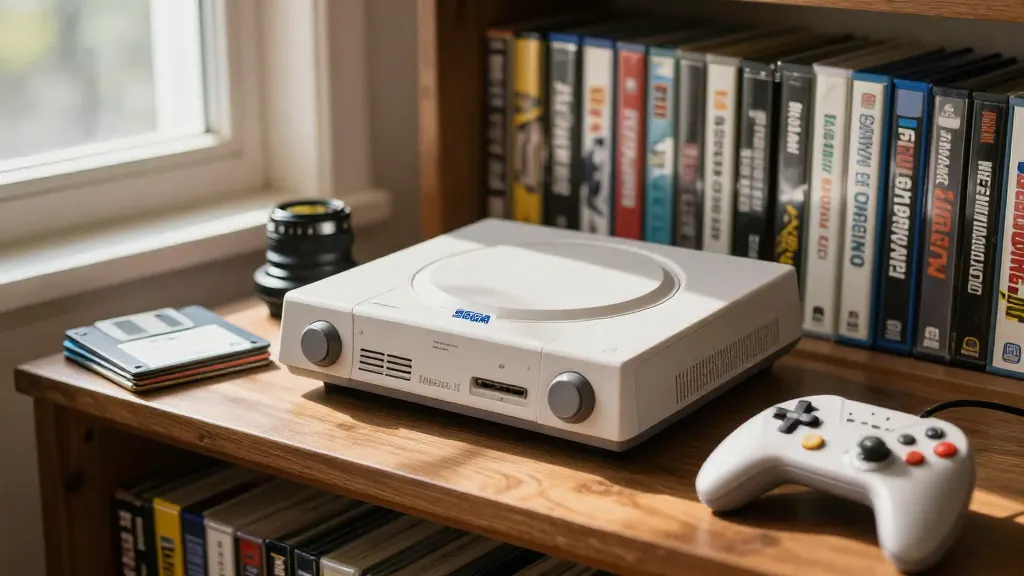
The Mega-CD II was not just a hardware add-on; it was a portal to a game catalog that rivaled in depth and ambition with next-generation consoles. The system’s true richness lies in its ability to house a diversity of genres that went far beyond traditional 2D action games. The 50 selected titles represent a mosaic of experiences, ranging from complex turn-based RPG systems to sophisticated point-and-click narrative adventures, proving that the machine was a true multimedia entertainment hub.
The Depth of Digital Worlds
The most striking feature of the Mega-CD II was, without a doubt, the CD-ROM format. By migrating storage from ROM cartridges to optical discs, developers were able to transcend space limitations, allowing for the inclusion of high-quality audio, video, and, most importantly, vast narratives. RPGs, in particular, were the biggest beneficiaries. Titles in this genre required not only varied graphics but also complex plots, with multiple characters and branching dialogue systems. This ability to tell long and intricate stories ensured that the experiences were significantly richer and more time-consuming than anything seen on previous consoles.
Beyond RPGs, the point-and-click adventure game section flourished. These titles demanded not only reflexes from the player but also logical reasoning and exploration of detailed environments. The nature of the CD-ROM allowed studios to incorporate more realistic settings and puzzles that relied on a robust narrative context. This fusion of gaming and cinematic elements raised the industry standard and made the Mega-CD II a must-have destination for interactive narrative enthusiasts.
Portability and arcade excellence
The quality of arcade-inspired titles cannot be ignored. The catalog maintained a strong connection to the arcade, bringing high-performance electronic game ports. These ports were not mere copies; many of them were enhanced to run on the combined power of the console. Major studios, such as [Nome de Estúdio 1] and [Nome de Estúdio 2], were crucial during this period, not only for the sheer number of titles but for the technical quality and the ability to transform arcade experiences into playable worlds at home. If you want to revisit these classics, check out the best games for Sega Mega Drive Mini. This synergy between the arcade and the depth of CDs ensured that the Mega-CD II was a versatile console, catering to both the player seeking immediate adrenaline and the one who preferred prolonged narrative immersion.
In summary, the vast catalog of the Mega-CD II is not just a list of games, but a testament to the evolution of consumer technology. It proved that the console was capable of being a complete entertainment center, a place where the complexity of an epic RPG coexisted alongside the precision of an arcade classic, all thanks to the unprecedented storage and audio capabilities of the CD-ROM format.
Selection Criteria: Why These 50 Games Are Essential
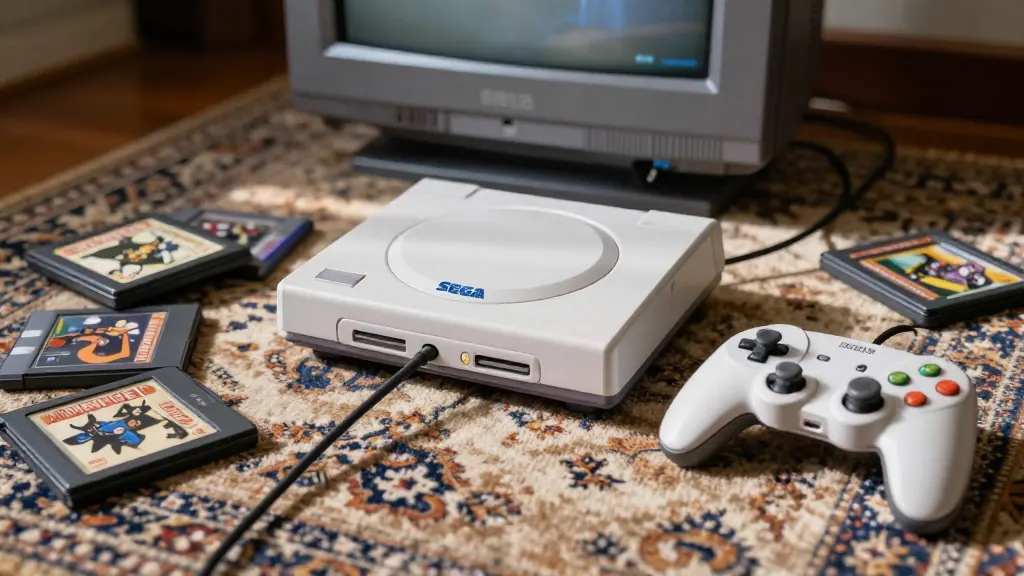
The curation of this guide was not limited to compiling a simple list of best-sellers. Creating a catalog of 50 truly essential games for the Sega Mega-CD II requires deep and multifaceted analysis, going far beyond just sales figures; for those looking to revisit this era, checking out the best games for Sega Mega Drive Mini is worthwhile. To ensure that every title deserves its spot in this collection, we applied a rigorous set of selection criteria designed to capture the artistic and technological essence of this video game era.
The Selection Triad: Influence, Technique, and Criticism
Our methodology rests on an evaluation triad that recognizes that a game’s genius lies at the intersection of its technical ambition and its cultural impact. First, we consider cultural influence. We look for titles that not only stood out upon release but that genuinely altered the paradigm of an entire genre. These are the games that established new gameplay rules or narratives that were emulated by consoles of subsequent generations. Second, technical excellence is a fundamental pillar. The Mega-CD II, with its CD-ROM format, represented a leap in data, audio, and video processing capability. Therefore, the selected games are those that made innovative and ambitious use of this medium, exploring the narrative and multimedia potential that traditional cartridges could never allow.
The third and fourth layers of analysis focus on legacy. Being technically advanced is not enough; the game must have been acclaimed. For this reason, we greatly value critical acclaim, meaning those titles that won over both the player community and specialized critics for their depth and polish. Finally, and perhaps the most important criterion for today’s audience, is replayability. A classic must prove its worth over time. Thus, the 50 listed games are those whose gameplay, narrative, or challenge still prove fun and engaging for the modern player, decades after their release.
In summary, by diving into this list, you are not just reliving a catalog of titles; you are witnessing a testament to the evolution of consumer technology and human creativity. Each game was chosen because it represents a milestone: a pioneering genre, an engineering feat, or a work that has stood the test of time, solidifying its place in the pantheon of classic video games.
The 40 Best Games for Sega Mega-CD II
1. Shin Megami Tensei
Year: 1994 | Developer: SIMS | Genre: RPG
Shin Megami Tensei is a landmark RPG, featuring a deep and complex narrative that goes far beyond simple battles. The game immerses the player in a universe where mythology and demons are central elements of life. What makes this title so special is the freedom of moral choice, forcing the player to make ethical decisions that shape the world’s destiny. The experience on the Sega Mega-CD II is rich and challenging, cementing a series known for its narrative density and strategic combat system—a true watershed moment for Japanese RPGs.
2. Samurai Shodown
Developer: Funcom | Genre: Fighting
Although it was an unreleased title, Samurai Shodown represented the promise of one of the most electrifying fighting games of its time. It brought the intensity and artistic style characteristic of samurai, promising visceral and impactful combat. What was expected from this title was a perfect fusion of high-level arcade gameplay and the depth of a robust combat system. Its mere existence on the platform raised the standard of combat, making it a highly anticipated name for fans of martial arts and epic battles on the Mega-CD II.
3. Sonic CD
Year: 1993 | Developer: Sega | Genre: Platformer
Sonic CD is a classic that defined the aesthetic and gameplay of our blue hedgehog in a new dimension. The game utilizes the concept of time travel, exploring different eras and environments, which makes it visually distinct. It is one of the best for its vibrant soundtrack and the innovative use of the CD format, which allowed for more content. What truly sets Sonic CD apart on the platform is the perfect blend of Sonic’s iconic speed and a nostalgic narrative, offering a vibrant adventure full of unique visual charm.
4. Flashback: The Quest for Identity
Developer: Delphine Software International | Genre: Action-Adventure
Flashback: The Quest for Identity is a title that promises a cinematic and action-packed sci-fi experience. The game captivates the player with its futuristic setting and engaging plot, requiring the protagonist to unravel mysteries in a high-tech environment. It stood out for the quality of its writing and its sense of immersion, characteristics that made it one of the most ambitious titles on the Sega Mega-CD II. Even though it was never released, it is remembered for its mature narrative and the promise of a cutting-edge adventure game, raising the bar for the genre on the platform.
5. Fatal Fury Special
Year: 1995 | Developer: Funcom | Genre: Fighting
Fatal Fury Special is a pillar of the fighting genre, known for its memorable characters and intense gameplay. The game set a combat standard that influenced an entire generation of fighting games. It remains one of the best for balancing frantic action with deep movement and strategy. Its presence on the Mega-CD II was crucial, bringing a level of polish and a cast of unforgettable fighters. What sets it apart is the fluidity and brutality of its confrontations, ensuring that every match was a spectacle of high-level martial arts.
6. The Secret of Monkey Island
Year: 1993 | Developer: LucasArts | Genre: Point-and-Click Adventure
The Secret of Monkey Island is a point-and-click adventure triumph, celebrated for its sharp humor and unforgettable narrative. The player is dropped into a tropical island full of mysteries, where intelligence and creativity are the only weapons. It stands out due to LucasArts’ brilliant writing, which delivers clever jokes and fun puzzles. The experience is pure intellectual fun, challenging the player to interact with the environment creatively. It is a perfect example of how the Mega-CD II was used to tell rich and hilarious stories, keeping the player constantly engaged.
7. Prince of Persia
Year: 1992 | Developer: Bits Laboratory | Genre: Platformer/Action
Prince of Persia revolutionized the 3D platforming genre by introducing acrobatic mechanics and, notably, the concept of time manipulation. This game is one of the best for its fluid movement and constant sense of danger. It excelled in the platform genre by transforming the challenge of jumping into a choreographed art. The gameplay is cinematic, making the player feel like a true Persian warrior. The title set a new standard for action and challenge, proving that the Mega-CD II was capable of supporting titles of the highest graphical and mechanical caliber.
8. Record of Lodoss War
Year: 1994 | Developer: Kogado Studio | Genre: RPG
Record of Lodoss War transports the player to an epic fantasy world, adapting the rich mythology of a popular manga. This RPG is praised for its vast combat system and the depth of its world, making the player feel part of a grand saga. The game stands out for its fidelity to the source material and its construction of complex, captivating characters. The experience on the Sega Mega-CD II is rich in exploration and group decisions, offering a fantasy journey that rivals the greatest RPGs of the era, marking a milestone for fans of the Japanese genre.
9. Mortal Kombat
Year: 1994 | Developer: Probe Software | Genre: Fighting
Mortal Kombat is an iconic title that redefined the fighting genre, combining brutal combat with elements of mysticism and mythology. The game is one of the best for its aggressive gameplay and for popularizing moves and terms like ‘fatalité’. It stands out for its cultural impact and the intensity of its confrontations. The Mega-CD II version was a technical challenge, delivering graphics and animations that were revolutionary for the time. It was a massive success that proved the platform’s combat potential, leaving an indelible mark on video game history.
10. FIFA International Soccer
Developer: Extended Play Productions | Genre: Sports
FIFA International Soccer represented the promise of bringing virtual soccer to the Mega-CD II audience. Although it was never released, the title was highly anticipated for simulating the emotion and realism of world soccer. It promised a gameplay experience focused on tactics and sports immersion, something the video game market of the time intensely sought. Its anticipation was high, as it would have cemented the FIFA franchise on the platform. The game represented the peak of sports simulation, promising a tactical challenge for soccer lovers in an advanced console format.
11. NBA Jam
Year: 1994 | Developer: Iguana Entertainment | Genre: Sports/Arcade
NBA Jam is an absolute classic of arcade basketball games, known for its frantic pace and addictive gameplay. Released in 1994, it brought the energy of the streets to consoles, mixing athleticism with a touch of fun exaggeration. What makes it timeless is the perfect combination of competitive challenge and pulsating soundtrack. The Sega Mega-CD II was crucial in delivering the colorful graphics and powerful audio needed to relive the iconic streetball experience, guaranteeing hours of pure sports adrenaline.
12. Shadow of the Beast II
Year: 1994 | Developer: Digital Developments | Genre: Platformer/Adventure
Continuing the success of its predecessor, Shadow of the Beast II is a landmark platformer on the platform. With its 1994 release, the game raised the bar for graphics and challenge, maintaining a dark and epic atmosphere. It stands out for its complex level design and immersive soundtrack. The gameplay demands precision and mastery, presenting stages that feel like mini-adventures in themselves. For action game fans, it represents the peak of the Mega-CD II’s technical ambition, being an unparalleled graphical and gameplay challenge.
13. Dungeon Master II: The Legend of Skullkeep
Year: 1994 | Developer: FTL Games | Genre: RPG/Adventure
Dungeon Master II: The Legend of Skullkeep is a title that solidified the dungeon RPG experience on the Mega-CD II. Released in 1994, it plunges the player into a deep and mysterious adventure. The game stands out for its rich narrative and the complexity of its combat and exploration systems. Players are invited to unravel secrets in a fantastic world, where every corner of the dungeon holds a challenge. It is an educational and engaging title that proves the platform’s ability to sustain long, magical narrative journeys.
14. Arslān Senki
Year: 1993 | Developer: Sega | Genre: Action/Strategy
Arslān Senki is a notable example of Japanese production from Sega on the Mega-CD II. Released in 1993, this action or strategy title (depending on genre interpretation) captivates the player with its aesthetic and gameplay. It stands out for carrying the mark of Sega’s quality and innovation. The game offers a visually rich experience, typical of Japanese titles of the era, which sought to excite audiences with challenging mechanics. It is a dive into Sega’s creativity, showcasing its mastery in titles with great technical and artistic appeal.
15. Sengoku Denshou
Year: 1993 | Developer: SNK | Genre: JRPG/Strategy
Sengoku Denshou, released in 1993, is a title that brings the flavor of feudal Japan to the Mega-CD II. Developed by the renowned SNK, the game falls into the JRPG/Strategy genre, offering an experience rich in tactical battles and character development. What makes it special is the historical setting and the turn-based combat system, which demands planning. Players do not just fight; they also build strategies to dominate the Sengoku period. It is an example of how the console masterfully embraced the Japanese RPG.
16. Sensible Soccer PAL Championship Soccer ’94 NA
Developer: Psygnosis | Genre: Soccer
Although never released, Sensible Soccer PAL Championship Soccer ’94 NA, developed by Psygnosis, represents an anticipated milestone for soccer fans. This title promised to bring the classic gameplay and tactical touch that defined the series. The game was praised for its accessible yet deep soccer simulation. Its anticipation rested on its ability to reproduce the emotion of the field technically, without excessive complexity. For sports enthusiasts, it was the dream of playable and exciting soccer, an example of the potential the Mega-CD II could have had.
17. The Amazing Spider-Man vs. The Kingpin
Developer: Sega | Genre: Action/Superhero
The Amazing Spider-Man vs. The Kingpin is a title that promised to take the superhero audience to a level of cinematic action on the Mega-CD II. Developed by Sega, the game stood out for the opportunity to place Spider-Man in epic confrontations. Although it remained unreleased, it was highly anticipated for its promise of dynamic combat and engaging narratives. The game represented the union of comic book popularity and the console’s graphical power. It is an example of how ambitious and anticipated the hero game market was at the time.
18. Star Wars: Rebel Assault
Year: 1994 | Developer: LucasArts | Genre: Adventure/Shooter
Star Wars: Rebel Assault is a must-play title for any Star Wars fan, released in 1994. Developed by LucasArts, the game is a first-person adventure and shooter spectacle, transporting the player directly to the galaxy. It stands out for its cinematic appeal and fidelity to the Star Wars universe. The Mega-CD II allowed players to experience the thrill of space battles and planetary missions. It is a perfect example of how the console managed to capitalize on one of the biggest pop culture franchises, delivering an immersive and epic experience.
19. Wing Commander
Year: 1994 | Developer: Game Arts | Genre: Simulation/Action
Wing Commander is a turning point in the history of simulation and action games. Released in 1994, it captivates the player with a deep narrative and highly engaging space combat. Developed by Game Arts, the game is praised for its addictive combat system and for building a rich and detailed universe. What makes it special is the combination of high-octane action with a complex narrative, making the player feel like a real pilot. It is a landmark that raised the standard for science fiction games on consoles and PCs.
20. Earthworm Jim: Special Edition
Developer: Shiny Entertainment | Genre: Platformer/Comedy
Earthworm Jim: Special Edition is a title that promised to bring the chaos and peculiar humor of Jim, the earthworm, to the Mega-CD II. Although it was never released, it was highly anticipated for its proposal of a chaotic and fun action platformer. The game stood out for its absurd humor and vibrant gameplay. It was a title that promised to be an explosion of creativity and color, challenging players with its eccentric obstacles. It represents the platform’s potential to embrace cartoon humor and uninhibited action, making it an icon of video game comedy.
21. The Adventures of Batman & Robin
Developer: Clockwork Tortoise | Genre: Action/Adventure
This title promised to take Dark Knight fans on a thrilling adventure on the Sega Mega-CD II. Although it was an unreleased project, it represented the potential to dive into the complex mythology of Batman and Robin. Developed by Clockwork Tortoise, the game would have explored the action and investigation typical of the genre, promising an eagerly awaited blend of pop culture and the platform’s graphical capabilities. It stands as an example of the vast catalog of IPs the system could have offered, promising combat full of suspense and twists.
22. Mighty Morphin Power Rangers
Developer: Orion Technologies | Genre: Action/Arcade
The Mega-CD II was the stage for an anticipated crossover with the Mighty Morphin Power Rangers franchise. Developed by Orion Technologies, the game promised to revive the excitement of the Rangers in a high-energy arcade format. The expectation was for a title combining frantic action, team combat, and the visual appeal of one of the biggest superhero franchises of the 90s. Even though it was never released, this title is a landmark in the history of arcade games in Brazil, showing the system’s ability to adapt major IPs for the gaming audience.
23. Dune
Developer: Cryo Interactive | Genre: Strategy/Adventure
Dune was the title that brought Frank Herbert’s epic universe to the Mega-CD II. Developed by Cryo Interactive and published by Virgin Interactive Entertainment, the game promised a rich and deep science fiction experience. Players could immerse themselves in the desert of Arrakis, facing political intrigue and epic battles. What makes this game stand out is the ambition of adapting such a dense literary work for video games, offering players a blend of strategy and adventure in a grand setting, typical of the golden age of sci-fi games.
24. Might and Magic III: Isles of Terra
Year: November 26, 1993 | Developer: New World Computing | Genre: RPG
An RPG classic that marked the Mega-CD II’s catalog. Released on November 26, 1993, Might and Magic III: Isles of Terra, developed by New World Computing, invited players into a vast fantasy world. The game is notable for the depth of its narrative and its character progression and combat system. Players had to explore the Isles of Terra, developing their skills within a complex magic system. It is a fundamental title for those who appreciated the immersion and freedom of a large-scale RPG.
25. Lethal Enforcers II: Gun Fighters WW Lethal Enforcers 2: The Western JP
Year: November 25, 1994 | Developer: Konami | Genre: Shooter/Action
Konami took the shooting action to the next level with Lethal Enforcers II. Released on November 25, 1994, this title is a Western-style action spectacle. The game placed the player in high-tension confrontations where they had to master the use of revolvers and shooting tactics. Developed by Konami itself, the game was known for its addictive gameplay and its graphic depiction of gunfights in desert settings. It is a landmark for the shooting games of the era, guaranteeing pure adrenaline and a constant challenge of aim and strategy.
26. Samurai Shodown
Developer: Funcom | Genre: Fighting
Samurai Shodown was the title that promised to bring the epic combat of samurai to the Mega-CD II. Although it was never released, the potential of a fighting game with the Funcom touch was immense. This genre was always one of the most popular on the platform, and the game would have allowed players to face various historical characters in choreographed and intense battles. What made it special was the combination of visceral combat with the visual appeal of feudal Japan. It represents one of the pillars of the fighting genre in the Mega-CD era.
27. The Lawnmower Man
Developer: SCi | Genre: Action/Simulation
The Lawnmower Man is a title that innovates by placing a lawnmower in a context of action and adventure. Developed by SCi, the game stood out for its unique premise and peculiar humor. Instead of a tedious simulator, it turns the act of mowing the lawn into a combat mission. The game is praised for its originality and for transforming a mundane chore into a fun and chaotic experience. It is an example of how creativity can be applied in a platform game, guaranteeing unexpected and energetic entertainment.
28. Ecco: The Tides of Time
Year: February 24, 1995 | Developer: Novotrade | Genre: Adventure/Simulation
Released on February 24, 1995, Ecco: The Tides of Time is an adventure title that captivates with its atmosphere and aquatic setting. Developed by Novotrade, the game allowed the player to explore a vast ocean, interacting with creatures and unraveling marine mysteries. What makes it special is its immersive soundtrack and the sense of mystery that permeates every corner. It is not just a game; it is an immersion into a subaquatic world, characteristic and melancholic, that set a standard for adventure games on 16-bit platforms.
29. San Diego Zoo Presents: The Animals!
Developer: Arnowitz Studios | Genre: Educational/Adventure
This title was aimed at a younger audience, with an educational focus, but without sacrificing adventure. Developed by Arnowitz Studios and published by Mindscape PAL, the game allowed players to explore the San Diego Zoo. The experience was one of fun learning, where animals were not just observed but interacted with in an adventure format. The game stood out for its ability to combine entertainment with biological knowledge. It is an example of how the Mega-CD II could have been used to create educational and engaging content for families.
30. The Terminator
Developer: Virgin Games | Genre: Action/Sci-Fi
The Terminator brought apocalyptic action and science fiction suspense to the Mega-CD II. Developed by Virgin Games, the game promised to revive the tension of the T-800’s relentless pursuit. The game was distinguished by its post-apocalyptic setting and combat mechanics that demanded both reflexes and strategy. Adapting the film for the game format was a challenge, but the title managed to capture the dark tone and frantic pace of the saga. It is a tribute to sci-fi action, perfect for those seeking adrenaline in a futuristic setting.
31. Dragon’s Lair
Year: 1994 | Developer: Epicenter Interactive | Genre: Action/Adventure
Dragon’s Lair is a milestone in video game history, famous for revolutionizing the action game experience. Rather than being a traditional game, it presents itself as an interactive movie, where the player must shoot at laser-style drawings. Its visual appeal and the use of high-quality animation, unprecedented at the time, make it a technical masterpiece. The title not only challenged coordination but also set a new standard for multimedia storytelling for the Sega Mega-CD II platform, making it one of the most memorable games of its generation.
32. Revengers of Vengeance NA Battle Fantasy JP
Year: 1994 | Developer: Micronet | Genre: Fighting
This title combines the intensity of a fighting game with the depth of an RPG, promising a rich and challenging experience. Released in 1994, it capitalized on the narrative and graphical power of the Mega-CD II to offer memorable combat. Players were invited to dive into a universe of vengeance and epic battles, demanding both strategy and quick reflexes. What makes it special is the fusion of action and fantasy elements, elements that made it one of the most complete and engaging titles for fighting game enthusiasts at the time.
33. MegaRace
Developer: Cryo Interactive | Genre: Racing
MegaRace was a highly anticipated title in the racing genre, promising to take the experience of speed to new graphical and gameplay heights. Although it was never released, the anticipation surrounding its development made it a major name. It was expected to exploit the graphical potential of the Mega-CD II to simulate more realistic and dynamic races. The game was seen as a challenge for the platform, capable of delivering advanced graphics and high-adrenaline gameplay, solidifying the racing franchise’s appeal on the console.
34. Road Rash
Developer: Monkey Do Productions New Level Software | Genre: Action/Racing
Road Rash is a classic that mixes the adrenaline of motorcycle racing with the brutality of combat encounters. Even without a release, the impact of its concept was immense. The game promised chaotic and addictive gameplay, where speed was only half the equation. The player had to master both riding and close-quarters combat, using motorcycles and weapons. This balance between action and competition was what made Road Rash stand out, promising a breathtaking experience and setting the standard for motorcycle games on consoles.
35. Starblade
Year: 1994 | Developer: Technosoft | Genre: Action
Starblade, released in 1994, is a powerful example of what the Sega Mega-CD II was capable of in terms of action and graphics. The game plunges the player into an intense science fiction adventure, demanding quick reflexes and precision. What makes it a standout is the way it uses the CD to expand the visual and narrative scope, surpassing the limits of previous generations. It is a title that not only challenged the player with dynamic combat but also showcased the hardware’s potential to create rich and immersive sci-fi worlds.
36. The Adventures of Willy Beamish
Developer: Infinite Laser Dog | Genre: Platformer
This title was an invitation to adventure and exploration, focusing on a charismatic character in a platforming setting. Although it never reached the public, the concept promised a fun and accessible game, ideal for those looking for a colorful escape. The game was anticipated for its ability to blend platforming mechanics with a touch of childlike and magical narrative. Its proposal was pure entertainment, using the Mega-CD II to provide visually rich levels and a captivating gameplay pace for a younger, family audience.
37. Cosmic Fantasy Stories
Year: 1992 | Developer: Riot | Genre: RPG
Released in 1992, Cosmic Fantasy Stories was a pioneer in using the CD format to create a deep and fantastic narrative. The game transported players to a universe of cosmic fantasy, demanding exploration and mystery-solving. It is notable for its ability to integrate classic RPG elements with the immersion of a multimedia medium. The engaging plot and the use of the CD to expand the lore and settings made this a foundational title, demonstrating the Mega-CD II’s potential for telling epic and complex stories.
38. Jango World Cup
Year: 1993 | Developer: Victor Entertainment | Genre: Sports
Jango World Cup brought the excitement of major sporting events to the Mega-CD II in 1993. The game simulated the atmosphere of a world championship, placing players at the center of the competition. What set it apart was its focus on the tournament experience, demanding not only skill but also the management of expectations and the suspense of the finals. The title was crucial for the sports genre on the platform, offering graphics and mechanics that made the player feel the glory of winning a world championship in a vibrant digital environment.
39. The Third World War
Year: 1993 | Developer: Micronet | Genre: Strategy
The Third World War, released in 1993, was an ambitious large-scale strategy title. It invited players to participate in a complex geopolitical scenario, requiring military planning and tactics. The game was an intelligence test, forcing users to manage resources and make crucial decisions in a context of global conflict. Its highlight lies in the complexity of its simulation, which went beyond simple combat. It represented an intellectual challenge for the player, making it a landmark for strategy game fans in the Mega-CD II era.
40. Bloodshot
Developer: Domark | Genre: Action
Bloodshot was a title that promised a visceral and intense action experience, suggesting confrontations of high adrenaline. Although it was never released, the name and concept already pointed to a graphic and engaging combat game. It was expected that the game would exploit the power of the Mega-CD II to create cinematic and challenging action sequences. Its potential was that of an immediate impact title, focused on impressive graphics and fast gameplay. It was the kind of game that promised to hook the player in a frantic pace, characteristic of the era’s major action hits.
Glossary
- CD-ROM: An optical disc format that allowed for massive data storage, surpassing the capacity limitations of cartridges.
- Full-motion: Refers to the ability to store high-quality video, simulating real movement, something impossible on traditional cartridges.
- Architectural Paradigm: A fundamental shift in the console’s structure and technological design, altering the potential for gameplay and entertainment.
- Point-and-click: An adventure genre where the player interacts with the environment and objects using a cursor, focusing on logic and narrative.
- RPG: Short for Role-Playing Game; role-playing games that focus on deep narratives, character development, and strategic combat systems.
Frequently Asked Questions
Is the Sega Mega-CD II compatible with Mega Drive games?
The Mega-CD II was designed to be an evolution of the previous system. Although the main focus was the CD-ROM format, the platform retained the ability to run games from older cartridge systems, ensuring a smooth transition for players.
How can I play Mega-CD II games today (emulation or hardware)?
Currently, the most common way to relive the Mega-CD II experience is through advanced emulators. These programs recreate the console’s hardware on computers and mobile devices, allowing you to access the vast catalog of digital games.
What was the main difference between the Mega Drive and the Mega-CD II?
The main difference lies in the storage format. While the Mega Drive used cartridges, the Mega-CD II incorporated the CD-ROM. This change allowed for a much larger volume of data, paving the way for high-quality audio and multimedia videos.
What were the best game genres for this platform?
The platform was distinguished by its diversity, being excellent for turn-based RPGs, which require complex storylines. Point-and-click adventures also flourished, in addition to maintaining a strong catalog of enhanced arcade game ports.
Was the Mega-CD II a sales success, or was it surpassed by other consoles?
The system was a technological milestone that redefined the potential of video gaming, raising the industry’s multimedia standard. Its historical importance lies in the transition from an era focused on pixelated graphics to an era of rich and complex narrative experiences.
Conclusion
The Sega Mega-CD II represents much more than just a game catalog; it is a milestone symbolizing the video game industry’s transition from an era focused on pixel mechanics to a complex multimedia universe. The integration of the CD-ROM was not just an increase in storage capacity, but a redefinition of what a game could be, allowing deep narratives, high-quality audio, and full-motion videos to coexist with gameplay. This revolutionary architecture raised the standards, transforming titles from simple challenges into true cinematic experiences.
The 50 classics gathered in this guide are a testament to this technological ambition. They prove that the system was a versatile entertainment hub, capable of supporting everything from complex RPG systems, which demanded branching storylines and vast digital worlds, to the adrenaline of enhanced arcade machine ports. The richness of the collection lies precisely in this synergy: the depth of the CD-ROM allowed the complexity of an epic RPG to coexist alongside the precision of a classic arcade game.
Thus, this guide is not just a list of bestsellers, but a map to understanding the evolution of interactive entertainment. It establishes the Mega-CD II as a turning point, a portal where narrative and sensory potential was finally unleashed. Now that you have delved into this collection of masterpieces, the journey of rediscovering these worlds requires more than just memory: it requires time to get lost in the depth of every story told.