Read this article in: Portuguese (Português) · Spanish (Español)
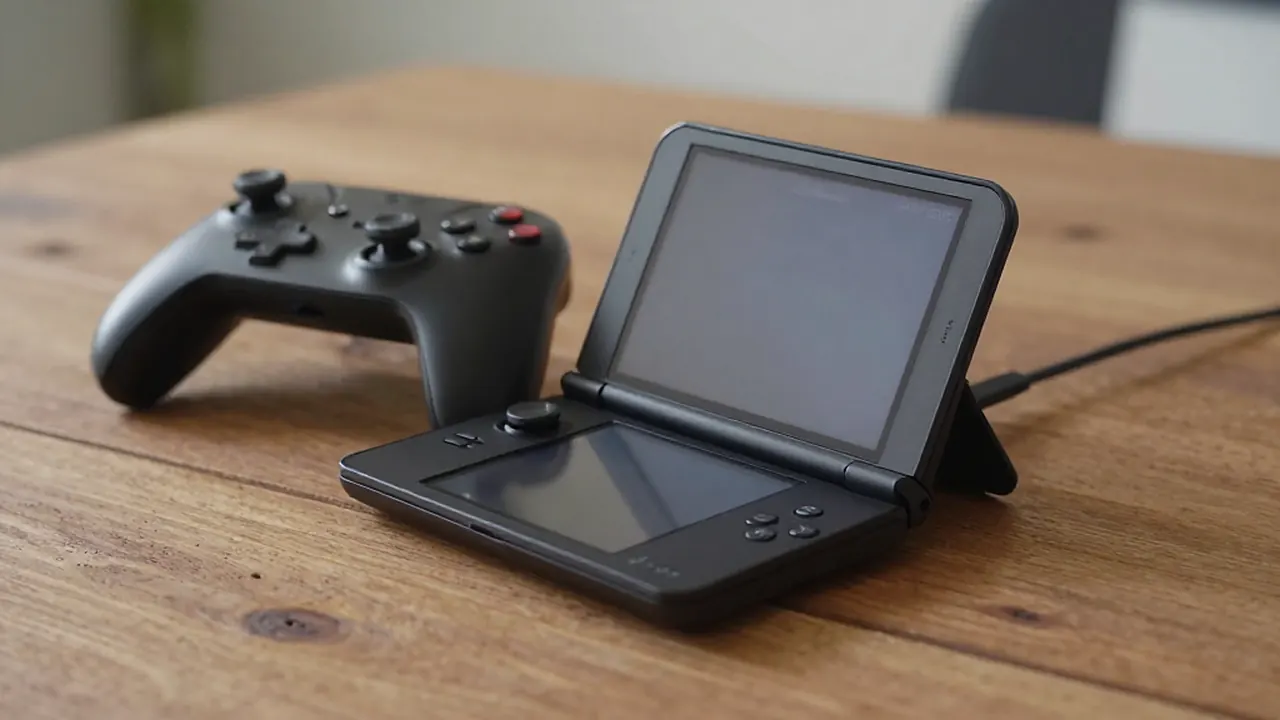
The AYANEO Flip DS represents a fascinating milestone in the evolution of portable consoles, synthesizing decades of technological innovation into a compact and powerful device. The history of its development is a case study on how the convergence of cutting-edge engineering and the relentless demand for mobile entertainment shapes the gaming market. Far from being just another entertainment gadget, the AYANEO Flip DS is the result of a meticulous process that sought to balance raw performance with portability and usability. Understanding its journey means diving into the constant dialogue between hardware and the expectation of the modern gamer, tracing a path from initial concept to the optimization of a high-performance system.
The significance of the AYANEO Flip DS cannot be measured solely by its technical specifications, but by the historical and competitive context it navigates. The portable gaming market, historically hungry for novelty, has always been a battleground between corporate giants and independent innovators. The evolution of processing architecture, tracking the exponential increase in processing and memory capacity, is the engine driving consoles like this. This constant race for greater energy efficiency and better graphics performance is what defines the importance of a console like the AYANEO Flip DS, positioning it at the epicenter of the technological trends that have shaped digital entertainment over the years.
In this article, we will deeply uncover the genesis of the AYANEO Flip DS. We will begin by exploring the market context that enabled its conception, advance through the engineering behind its design, detailing the technical architecture that supports its operation. We will also address the launch strategy and initial catalog, culminating in an analysis of its critical reception, sales, and its lasting legacy in the portable gaming industry. Prepare yourself for a comprehensive analysis that maps every phase of its development.
Key Highlights
- Unifies high console processing power with the flexibility of mobile devices, overcoming market dichotomies.
- The foldable (‘flip’) form factor is functional, optimizing portability and ergonomics without sacrificing power.
- Its development required solving complex challenges such as thermal management and energy optimization within a compact body.
- It features an adaptive operating system, ensuring a smooth gaming experience across multiple screen formats.
- The architecture supports a combination of media, utilizing traditional cartridges and robust internal storage.
The market context and conception of the AYANEO Flip DS
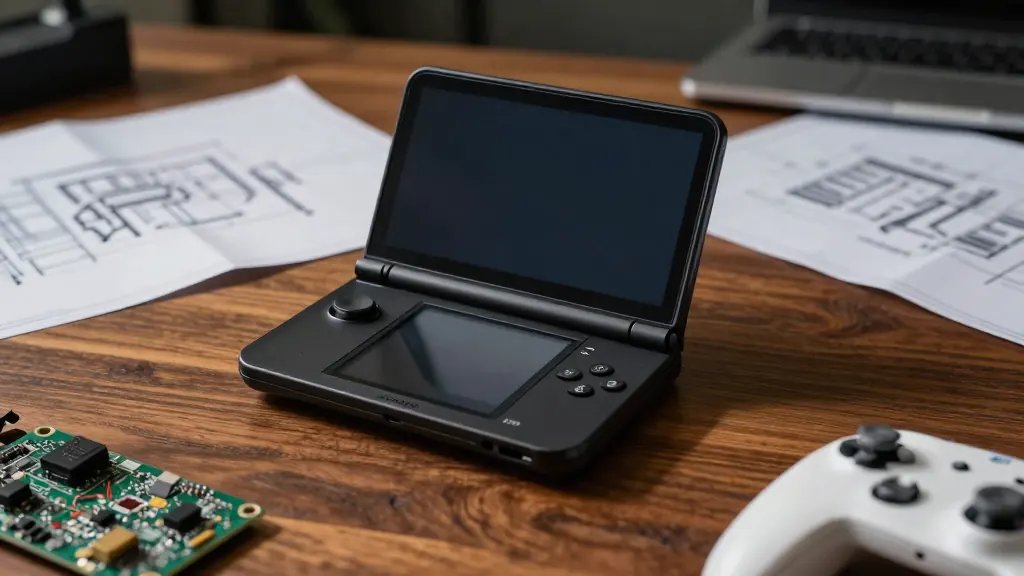
The development of the AYANEO Flip DS cannot be understood without a rigorous analysis of the market landscape that preceded it. In the pre-launch period, the handheld gaming industry lived with a paradox of saturation. On one hand, the market was flooded with devices that, while technically advanced, often forced a binary choice: either opting for dedicated consoles, with high processing power, but with limitations in form factor and portability; or choosing tablets and smartphones, which were extremely portable, but drastically compromised the high-performance gaming experience due to processing bottlenecks and usability specific to gaming. To better understand this evolution, it is interesting to look at the development history of the AYANEO Flip KB console.
It was in this vacuum that the AYANEO vision emerged. The company identified a critical gap: the lack of a device that could combine the raw power and focus of a next-generation console with the flexibility and innovative form factor of modern mobile devices. The concept for the AYANEO Flip DS thus arose from the necessity of deconstructing this dichotomy. The goal was not just to create a better console, but a truly hybrid device, capable of adapting to the demands of the contemporary gamer.
Inspiration from the Foldable Form Factor
The inspiration for the AYANEO Flip DS design was directly drawn from the growing trend of foldable devices in the consumer electronics market. While hinge and flexible screen technology was already established in other sectors, its application in the handheld gaming niche represented a monumental engineering challenge, but an unprecedented market opportunity. The “flip” form factor was not merely aesthetic; it was functional. It promised a more intuitive user experience, optimizing space and portability without sacrificing performance.
The unique value proposition of the AYANEO Flip DS was therefore revolutionary: delivering high processing power and a gaming experience optimized for the user, but in a body that challenged the traditional limits of a console. Instead of forcing the user to choose between maximum performance and maximum portability, AYANEO conceived a device that promised to offer both, redefining what the public expected from a portable console in the 21st century. This strategic approach positioned the AYANEO Flip DS not just as a product, but as a direct and sophisticated response to the perceived limitations in the handheld gaming ecosystem of the time.
The Engineering Behind the Design: Challenges and Design Decisions
Transitioning the conceptual vision of the AYANEO Flip DS into a functional, marketable product was an extremely complex and multifaceted engineering process. Far from being a simple assembly of cutting-edge components, the development required overcoming technical hurdles that often seemed contradictory: delivering extremely high processing power in a body that needed to be simultaneously portable, light, and flexible. To better understand this journey, it is interesting to look at the history of portable console development. The journey began with initial prototypes that, while demonstrating raw potential, faced severe limitations in heat management and power consumption.
Engineering Challenges and Optimization
The main technical bottleneck the development team had to solve was thermal management. High-performance processors, like those used in the AYANEO Flip DS, generate considerable heat. Dissipating this heat in a compact, foldable form factor without compromising material durability or user comfort was a monumental challenge. Furthermore, energy optimization was critical; the device needed to operate with enough autonomy for extended gaming sessions without sacrificing processing power. Design decisions had to balance peak performance with energy efficiency, an equation that demands advanced solutions at both the hardware and software levels.
Another critical point was miniaturization. Integrating foldable screens, robust hinge mechanisms, and processing components into a single chassis required the development of custom components and a redefinition of engineering standards. Every millimeter counted, and the engineering had to be surgical to ensure that the design’s flexibility was not sacrificed for power.
The Foldable Architecture and Adaptive Software
The decision to adopt a foldable architecture was not merely aesthetic, but deeply functional. It defined the need for an operating system (OS) that was inherently adaptable. The software could not treat the device as a fixed screen; it had to be capable of optimizing the gaming experience and workflow across multiple screen formats—whether in the closed, semi-open, or fully open mode. This implied deep software development work, ensuring that the user interface, controls, and graphic element distribution were fluid and coherent, regardless of the physical configuration.
In short, the AYANEO Flip DS is a testament to the convergence of cutting-edge engineering and product vision. The development process was less about adding technologies and more about integrating complex solutions—such as passive cooling systems and responsive software architectures—so that processing power and a foldable form factor could coexist in a portable device, setting a new standard for the gaming console category.
📌 Pillars of the AYANEO Flip DS Development
- Thermal Management: Dissipating heat from powerful processors in a compact body.
- Power Optimization: Ensuring long playtime without sacrificing power.
- Miniaturization: Integrating foldable screens and components into a single chassis.
- Foldable Architecture: Requiring an operating system adaptable to multiple screen formats.
Technical Architecture: Processing, memory, and controls
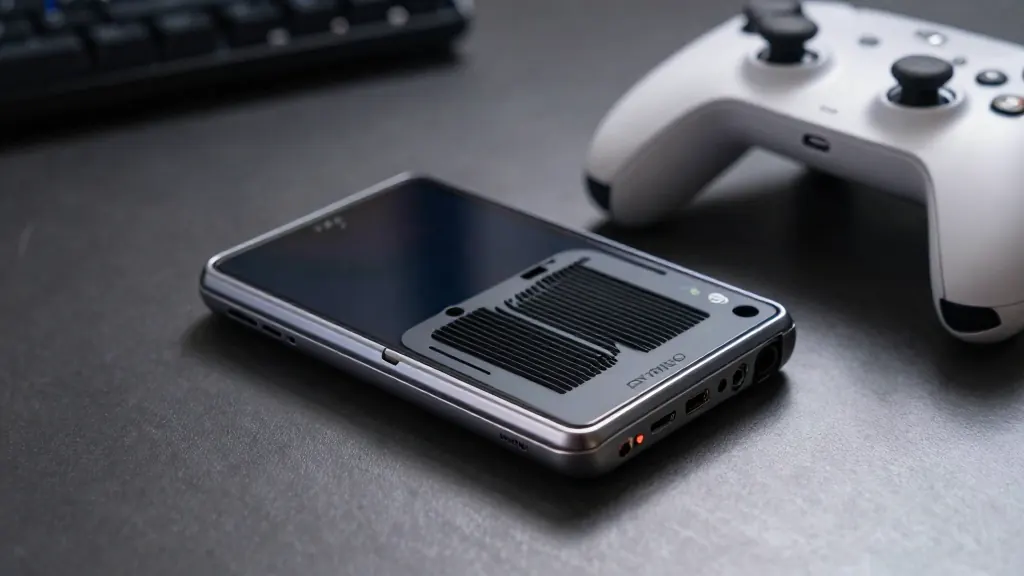
The technical backbone of the AYANEO Flip DS lies in the complex synergy between its processing components, memory, and thermal management systems. To achieve high performance in a portable format, the architecture was designed with an obsessive focus on energy efficiency. The Central Processing Unit (CPU) and Graphics Processing Unit (GPU) work together, utilizing low-power optimizations that are crucial for extending battery life without sacrificing graphical power. This optimization is not just a voltage adjustment; it involves implementing dynamic clock cycles that adjust performance in real time according to the game’s demand, ensuring that energy consumption is proportional to the computational load.
Memory and Data Flow
In terms of memory, the system employs an RAM architecture that allows for fast and stable data flow, essential for multitasking and graphically intensive games. How the system manages cache and memory access is a key engineering point, minimizing performance bottlenecks. Regarding media storage, the AYANEO Flip DS was designed to support a combination of media, using, for example, traditional cartridges alongside robust internal storage. This dual support not only expands the available game catalog but also reflects an intentional bridge between the legacy of cartridge consoles and the conveniences of modern digital storage.
📘 Dynamic Clock Cycles
These are real-time performance adjustments that adapt the processor’s operation according to the game’s demands. This ensures that energy consumption is proportional to the required computational load.
Innovation in Controls and Ergonomics
The true innovation of the AYANEO Flip DS, beyond its raw power, lies in its physical interaction with the user. The controls are not mere attachments; they are an integral part of the folding design. The ergonomic design was conceived to offer usage versatility without sacrificing comfort. The “flip” mechanism allows the device to fluidly switch from a compact mode, ideal for travel, to a more expanded mode, optimized for extended gaming sessions. This transformation is not merely aesthetic; it recalibrates weight distribution and viewing angles, significantly improving the gaming experience and usability in different environments.
In summary, the AYANEO Flip DS is not just a collection of hardware parts; it is an integrated system where every component—from the processing power management to the articulated design of the controls—has been optimized to solve the historical challenge of combining high computational power with portability and low power consumption. This precision engineering is what solidifies the device as a milestone in portable engineering.
Launch Strategy and Initial Catalog
The launch of the AYANEO Flip DS was not an isolated event, but rather a meticulously planned market maneuver to establish the device as a premium player in the portable gaming segment. The debut strategy was geographically staggered, targeting markets that value technological innovation and processing power from the outset. The console was initially launched in Europe, with an emphasis on Germany and the United Kingdom. The debut date in key regions, such as Germany, was set for the third quarter of 2024. This strategic timing allowed AYANEO to capture the attention of specialized press and technology enthusiasts at a time of transition in the console market, when consumers were eager for devices that promised top-tier performance in a compact format.
Marketing Strategy and Positioning
AYANEO’s marketing campaign was built on pillars of raw performance and usage flexibility. Instead of focusing solely on portability, the company positioned the AYANEO Flip DS as a high-end gaming computing device, capable of running demanding titles without compromising the visual experience. The communication emphasized the ability to transition from portable mode to a more robust console experience, highlighting the efficiency of the folding mechanism. The marketing not only presented the hardware but also the concept of a gaming ecosystem that adapted to the modern lifestyle, appealing to both hardcore gamers and casual consumers who desire a sophisticated entertainment experience.
Regarding the initial catalog, AYANEO adopted a rigorous curation approach. Instead of releasing a massive volume of games, the strategy focused on “anchor” titles—games that not only demonstrated the graphical power of the Flip DS but were also optimized for the foldable screen gaming experience. The initial catalog was designed to set the tone for the experience: high visual fidelity and fluid gameplay. The featured titles were selected for their ability to take advantage of the advanced graphics features and the tactile control the device provided.
The initial catalog was not limited to porting existing games; it presented a strategic selection of experiences that celebrated the Flip DS format. The debut games not only confirmed the system’s processing power but also reinforced the design’s ergonomics. This combination of powerful hardware with a curated catalog ensured that, from day one, the AYANEO Flip DS was perceived not just as an innovative gadget, but as a complete gaming platform ready for high-quality content consumption.
📊 Strategic Focus for the AYANEO Flip DS Launch
| Main Focus | Adopted Strategy | Achieved Objective |
|---|---|---|
| Market | Phased Launch (Europe, Germany, United Kingdom) | Establish as a premium player in innovative regions |
| Marketing | Emphasis on raw performance and flexibility | Position as a high-end gaming computing device |
| Initial Catalog | Rigorous curation of ‘anchor’ titles | Define the tone: high visual fidelity and fluid gameplay |
Critical reception, sales, and competitive positioning
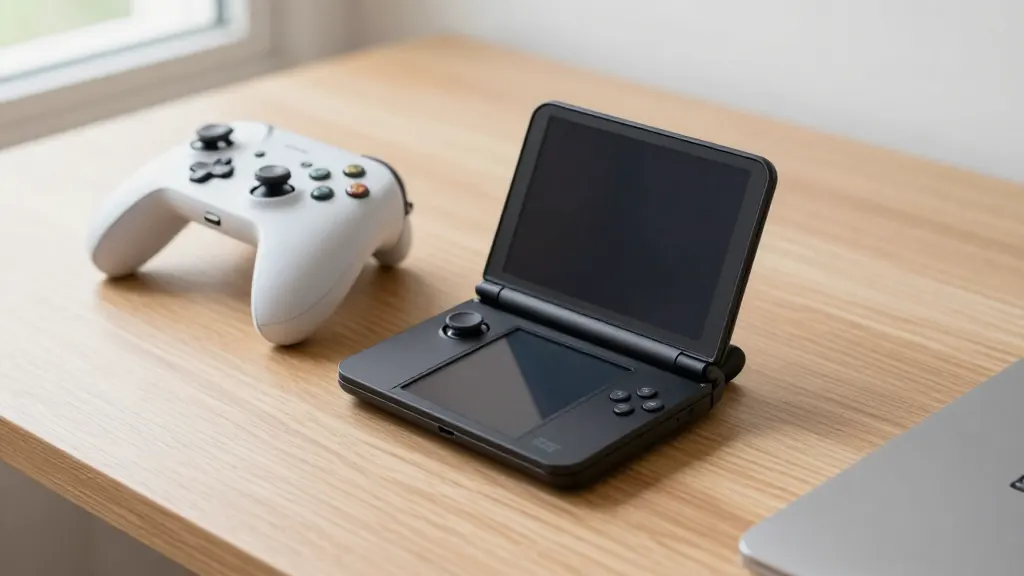
The critical reception of the AYANEO Flip DS was marked by an ambivalent consensus, characteristic of devices attempting to redefine established categories. Specialized analysts praised, without reservation, the leap in processing power and the mastery of the articulated form factor. The most lauded aspects included the optimization of the screen in “flip” mode, which allowed for a more immersive gaming experience, and the robustness of the thermal management system under stress. However, the device was not without reservations. Critics pointed out, in various reviews, the high cost as a significant barrier to entry and the need for continuous software optimizations to ensure that the third-party game catalog fully exploited the available hardware. The general consensus was that, while technically superior in many aspects, the AYANEO Flip DS still required a more mature content ecosystem to reach its full potential.
Comparative analysis and market positioning
When placed in direct comparison with competitors in the portable and foldable segment, the AYANEO Flip DS established a premium, yet challenging, market niche. While some rivals focused purely on extreme portability or a design geared toward casual use, AYANEO maintained an unwavering focus on raw performance. This positioning decision, though risky, gave it a clear identity: being the console for the demanding gamer. Processing power superiority, frequently cited in benchmark tests, was the main competitive differentiator. However, the challenge was resisting the perception that the foldable form factor, by itself, might be a marketing gimmick rather than a functional benefit—an argument the brand constantly needed to sustain.
In terms of sales, the adoption curve for the AYANEO Flip DS was not linear. Initially, success was concentrated in specific niches: tech enthusiasts and hardcore gamers who value power over price. These early adopters were crucial for positive word-of-mouth, validating the value proposition. The device became a coveted item among those seeking the fusion of PC power and the convenience of a handheld console. Sales expansion, however, depended directly on AYANEO’s ability to diversify its catalog and reduce the perceived risk associated with the high initial cost.
In summary, the AYANEO Flip DS has established itself in the market as a high-performance device, but its commercial success requires a value narrative that goes beyond the hardware. Competitive positioning is defined not just by processing power, but by the ability to educate the consumer on the potential of the foldable form factor, transforming what could be seen as engineering complexity into a revolutionary gaming feature.
✅ Advantages
- Leap in processing power and mastery of the articulated form factor.
- Optimized screen in ‘flip’ mode, providing immersion.
- Robustness of the thermal management system under stress.
- Processing superiority, a clear competitive differentiator.
❌ Disadvantages
- High cost, constituting a significant barrier to entry.
- Need for continuous software optimizations.
- Dependence on a more mature content ecosystem.
- Risk of the foldable form factor being seen as a marketing gimmick.
The legacy of the AYANEO Flip DS in the portable gaming industry
The legacy of the AYANEO Flip DS transcends the technical specifications of its processor or the beauty of its hinge. Its deepest impact lies in the way it redefined the psychological contract between the consumer and the handheld console. Before the arrival of the AYANEO, the portable gaming market operated under a set of unstated compromises: to achieve maximum portability, one had to accept a significant drop in graphical performance; and to have top-tier performance, one had to sacrifice portability. The AYANEO Flip DS directly challenged this dichotomy. By presenting a device that theoretically allowed for complex graphical experiences in a compact and flexible format, AYANEO didn’t just launch a product; it launched a new paradigm of expectation. Consumers began to demand, and the market began to believe, that high performance and extreme mobility could finally coexist in a fluid and reliable manner.
A New Standard for Design and Performance
In terms of industrial design, the AYANEO Flip DS set a new benchmark for the foldable device category. It acted as a catalyst, forcing the industry to view form factor not just as an aesthetic challenge, but as a functional opportunity. AYANEO’s success in combining a robust articulated mechanism with performance that rivaled previous-generation desktop devices opened conceptual pathways for other manufacturers. The foldable form factor ceased to be seen as a mere marketing gimmick and began to be recognized, more concretely, as a viable engineering solution for various consumer applications.
This market positioning made the device more than just a console; it became a turning point in the technological narrative. The perception that hardware could be modular, powerful, and extremely compact spurred the development of other foldable devices, not just in the gaming niche, but in areas like visualization and consumer computing. If you want to better understand this evolution, check out the history of the AYANEO Flip console’s development. The AYANEO Flip DS, therefore, not only competed with the segment leaders but also forced competitors to re-evaluate their own engineering limits, raising the bar for what is considered “premium portable.”
Projections for the Future of the AYANEO Line
Looking to the future, the AYANEO legacy suggests a trajectory of constant evolution and technical deepening. The AYANEO product line is not intended to be a mere launch, but rather a platform for continuous development. Projections point to the expansion of the ecosystem, maintaining a focus on optimizing energy consumption and further increasing processing density without compromising weight or size. Future iterations of the Flip DS line are expected to continue refining the user interface and processing capability in prolonged use environments.
Essentially, the AYANEO Flip DS taught the market that power doesn’t have to mean bulk. It established the concept that the portable gaming console of the future is a device that must be as sophisticated in design as it is in processing power. Its legacy is one of constant challenge to market inertia, paving the way for a new generation of consumer electronics that value the perfect convergence of art, engineering, and entertainment.
Glossary
- Dichotomy: The necessity of choosing between two opposing extremes, such as maximum performance or maximum portability.
- Form Factor: The physical design and structure of an electronic device, which defines its appearance and usability.
- Thermal Management: The engineering system responsible for dissipating excess heat generated by high-performance processors.
- Dynamic Clock Cycles: Automatic processor performance adjustments that change frequency in real time to optimize energy consumption.
- RAM Architecture: The memory system that ensures a fast and stable data flow, essential for graphically intensive games.
Frequently Asked Questions
What is the main difference of the AYANEO Flip DS compared to traditional handheld consoles?
The main difference is that it doesn’t force the user to choose between maximum performance and portability. It was designed to be a truly hybrid device, combining the power of a next-generation console with the flexibility and innovative form factor of modern mobile devices.
Is the AYANEO Flip DS compatible with games from other platforms (emulation or native)?
The system is designed to support a combination of media, which includes the use of traditional cartridges alongside robust internal storage. This duality expands the available game catalog, uniting physical legacy with modern digital storage.
What are the main hardware components (CPU and GPU) used in the AYANEO Flip DS?
The architecture was designed so that the central processor (CPU) and the Graphics Processing Unit (GPU) work in synergy. The focus is on low-consumption optimizations and dynamic clock cycles, ensuring that energy consumption is proportional to the computational load.
What is the expected battery life during intense gaming sessions on this console?
Battery life is guaranteed by an obsessive focus on energy efficiency. The system balances peak performance with efficiency, utilizing advanced optimizations that allow for extended sessions without compromising graphical power.
Where can I find support information or accessories for the AYANEO Flip DS in Brazil?
Launch information and market strategy were detailed for specific regions, such as Europe. To get support or accessory data in Brazil, it is recommended to consult the official distribution channels and authorized resellers of AYANEO in the region.
Conclusion
The development of the AYANEO Flip DS is not just the story of a new console, but a case study on how innovation can deconstruct market dichotomies. The company didn’t just follow the trends of foldable electronics; it adapted them to solve the paradox of portable gaming, where processing power and maximum portability were historically mutually exclusive. By combining the high power of a dedicated console with the flexibility of a mobile device, the AYANEO established a new usage paradigm, promising an optimized gaming experience without sacrificing raw performance.
This vision required overcoming monumental engineering challenges. Beyond aesthetics, the team had to master the art of thermal management and energy efficiency in a compact form factor. The foldable architecture, combined with low-power processing and RAM optimization, is not just a detail, but the backbone that allows high power and portability to coexist. The system is not just a collection of parts; it is an adaptive ecosystem, capable of adjusting its interface and workflow according to the mode of use, whether closed or fully open.
In summary, the AYANEO Flip DS represents the perfect convergence of cutting-edge engineering and a deep understanding of the modern gamer’s needs. It redefined what a portable console can be, proving that the future of high-performance entertainment lies in adaptability. Analyzing this journey, it is clear that the true advancement lies not just in the hardware, but in the vision that can fill market gaps.