Read this article in: Portuguese (Português) · Spanish (Español)
The high-performance graphics card market is facing a period of significant uncertainty. Recent reports indicate that one of NVIDIA’s main partners, MSI, is expected to face extremely limited stock of the highly anticipated RTX 50 series. This supply restriction, driven by cuts in the production chain, suggests that consumers should prepare for a significant price increase and considerable difficulty in acquiring the new, cutting-edge components.
Supply Restriction: The MSI RTX 50 Series Alert
The scarcity of high-performance components is the central theme of market reports. According to analyses from supply chain sources, NVIDIA is reportedly planning a drastic reduction of about 20% to 30% in the global supply of its RTX 50 series GPUs. Such a cut in supply, combined with sourcing difficulties, puts retailers in a delicate situation.
The MSI inventory report details that the supply of RTX 50 cards should face a “high restriction” scenario this month. This situation is concerning because the stock had already shown signs of decline in the previous month, and the trend is toward an even sharper drop.
Scarcity Details: Affected Models and Distribution in China
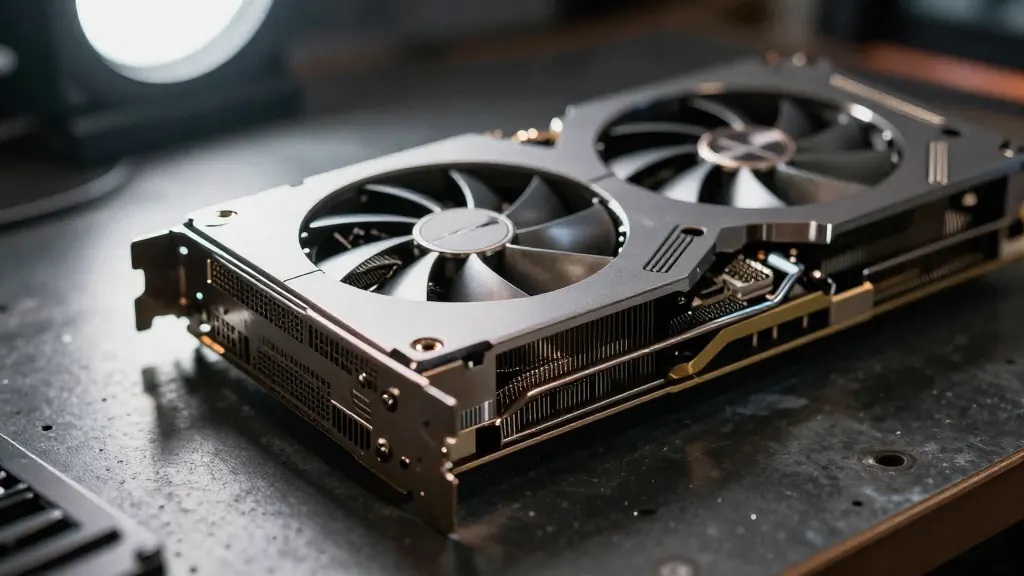
The restriction is not limited to a single model. Most GPUs in the RTX 50 series are expected to suffer from limited inventory. Among the most affected models are the RTX 5060, RTX 5070 Ti, and RTX 5080. Although the report focused on distribution issues in China, it is likely that the stock shortage problem has a global reach.
Distributors, according to the data, will receive very little or no stock this month. This means that the availability of MSI RTX 50 cards will not be at the same level observed during more stable periods. Curiously, the RTX 5090 is not mentioned in the list of affected models, but its scarcity is already a known fact, and there is no expectation that availability will improve.
Market Context: The Blackwell Architecture and the 50 Series Launch
To understand the gravity of the situation, it is important to contextualize the product. The GeForce RTX 50 series is the successor to the GeForce RTX 40 and represents a significant technological leap for the consumer market. The models were officially unveiled on January 30, 2025, at CES, and are based on the Blackwell architecture.
This advanced architecture incorporates cutting-edge features for various applications. It features fourth-generation RT cores, responsible for accelerating ray tracing in real time, and fifth-generation Tensor cores, optimized for deep learning and artificial intelligence (AI) tasks. The cards are manufactured by TSMC, using a custom 4N process.
Impact on Consumers: Global GPU Prices and Availability
The combination of high demand and limited supply has a direct and negative impact on the consumer’s wallet. Currently, most RTX 50 series GPUs from various brands are already selling at prices exceeding their Manufacturer’s Suggested Retail Price (MSRP) by 50%.
With supply cuts on the horizon, experts predict that graphics card prices are likely to increase even further. MSI itself illustrated this scenario by launching a combo package for the RTX 5090 at a price near US$7,800, an example that underscores the market pressure caused by scarcity. Consumers should be vigilant, as supply restriction is a problem that, although reported in China, has the potential to become a global issue.