Read this article in: Portuguese (Português) · Spanish (Español)
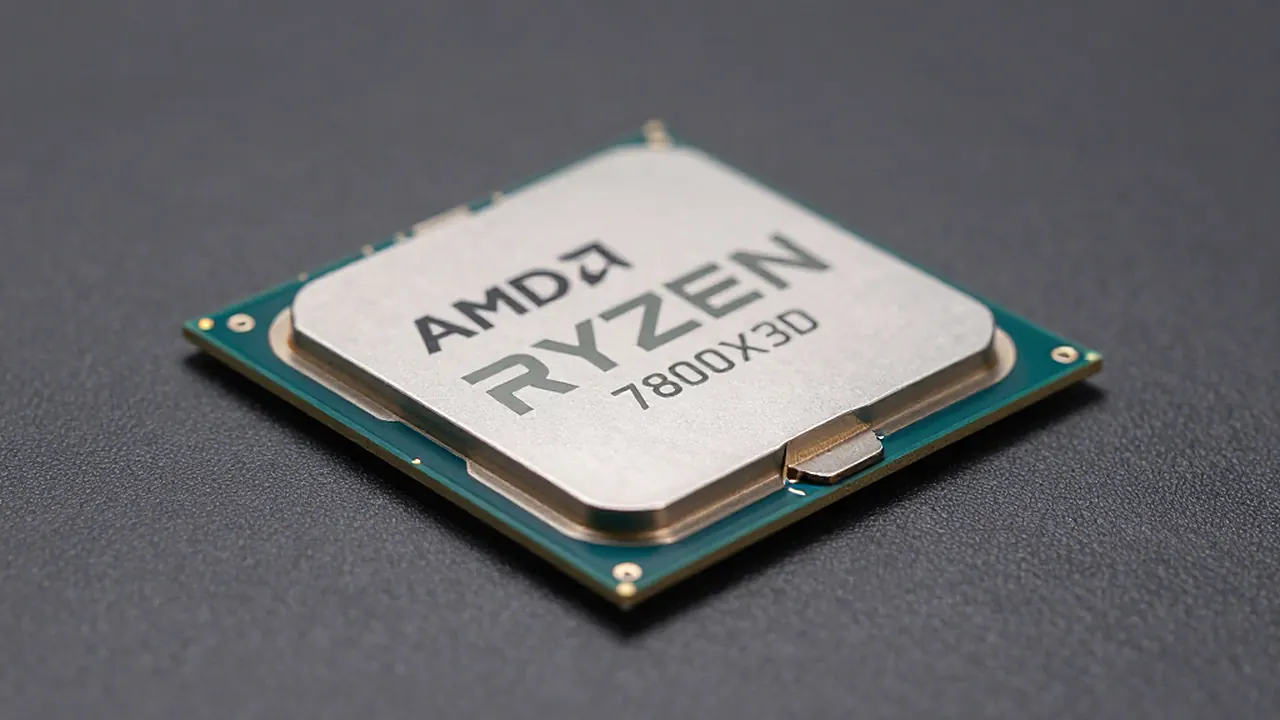
The AMD Ryzen 7 7800X3D is a high-performance processor that redefines the standard of excellence in gaming and multitasking, making it one of the most anticipated releases in the high-performance computing market. For those seeking complete specifications, this processor features a robust configuration of 8 cores and 16 threads, an impressive total L3 cache of 96 MB, and clock speeds ranging from 4.2 GHz (base) to 5.0 GHz (boost). Its power consumption is optimized, maintaining a TDP of 120 W, and it was officially launched on April 6, 2023, with an MSRP of US $449.
The significance of the Ryzen 7 7800X3D lies not just in its numbers, but in the advanced architecture it incorporates. The processor stands out due to its massive 96 MB L3 cache, a crucial differentiator that positions it as a leader in gaming performance. Furthermore, it is part of a lineage of processors that have evolved significantly over the years, passing through architectures such as the 1000, 2000, and 3000 series, solidifying AMD as a dominant force in the CPU market. This constant evolution ensures that users have access to cutting-edge technologies, such as the implementation of Zen 4, which boosts performance on modern platforms like AM5.
In this article, we will dive deep into every aspect of this AMD powerhouse. We will begin by exploring the Zen 4 architecture and the advantage of the 3D V-Cache, detailing what each technical specification means. Next, we will analyze the real-world performance of the 7800X3D in gaming and productivity benchmarks, and also discuss the AM5 platform, the future of compatibility, and a comparison of this model with previous generations and direct competitors.
Key Highlights
- The processor is optimized for gaming, featuring a massive 96 MB L3 cache (3D V-Cache).
- It has 8 cores and 16 threads, with operating frequencies of 4.2 GHz (base) up to 5.0 GHz (boost).
- It is built on the AM5 platform, ensuring support for DDR5 memory and 28 lanes of PCIe 5.0.
- The thermal design power (TDP) is 120W, offering high performance with notable energy efficiency.
- Launched on April 6, 2023, with an MSRP of US $449, positioning it in the premium segment.
Ryzen 7 7800X3D Overview: Performance and Positioning
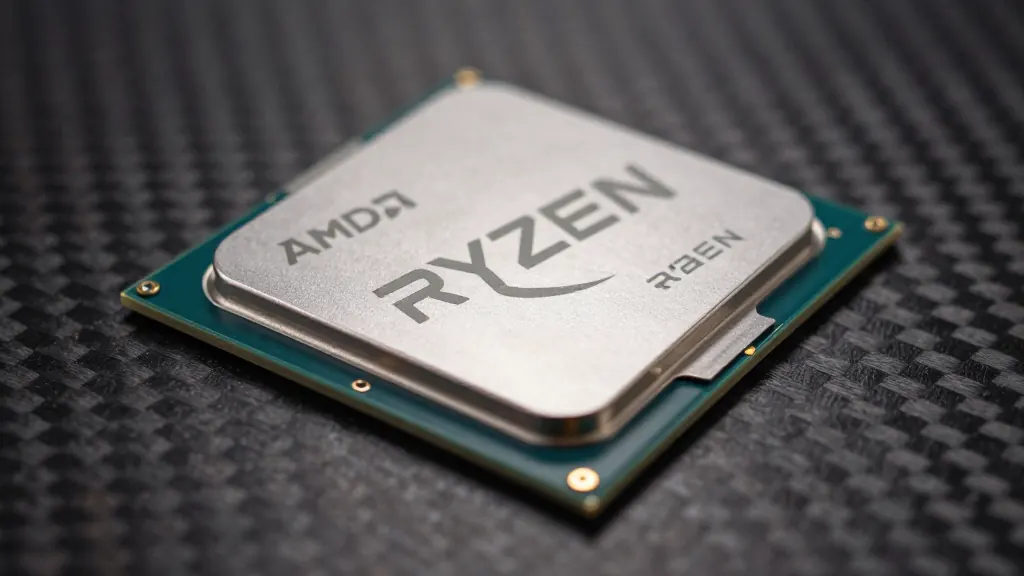
The AMD Ryzen 7 7800X3D is not just another processor; it represents the forefront of gaming performance, setting a new standard of excellence in the premium desktop CPU segment. Belonging to the renowned Ryzen 7 family and built on the Zen 4 architecture, this chip has been meticulously optimized for the type of workload that demands the most processing power: gaming. If you are looking to understand processing power for more demanding tasks, check out the AMD Ryzen Threadripper 7960X for workstations. The major differentiator it carries, and what sets it apart, is its massive L3 cache, known as 3D V-Cache. This expanded cache is crucial because it allows the processor to access data extremely quickly, minimizing memory bottlenecks and ensuring very high frame rates in demanding gaming scenarios.
Platform Power and Technical Specifications
In terms of specifications, the 7800X3D is a robust processor, featuring 8 cores and 16 threads. Its operating frequencies are impressive, boasting a base clock of 4.2 GHz and a boost clock that can reach up to 5.0 GHz. To support this top-tier performance, it is anchored to the AM5 socket, which is AMD’s platform for the future. If you are looking to compare it with workstation processors, it is worth checking out the definitive Threadripper performance guide. Furthermore, the processor requires a Thermal Design Power (TDP) of 120 W. The AM5 platform is intrinsically linked to the use of DDR5 memory, supporting configurations that include DDR5-5200 in dual-channel mode, and also supporting up to DDR5-3600 in multi-module configurations.
The architecture is not limited to central processing. The chip is also an example of modern integration, as it features an integrated RDNA 2 GPU on the I/O die. This GPU comes with 2 Compute Units (CUs) and can operate at a clock of 400 MHz (base) up to 2.2 GHz (boost). In terms of connectivity, the system is extremely modern, supporting a total of 28 PCIe 5.0 lanes, ensuring that top-tier peripherals, such as graphics cards and SSDs, operate with maximum bandwidth.
Market Positioning and Launch Data
The focus of the Ryzen 7 7800X3D is clear: to deliver the best possible gaming experience. It launched on April 6, 2023, with a Manufacturer’s Suggested Retail Price (MSRP) of US $449. The numbers themselves—8 cores, 96 MB of L3 cache, and the combination of high frequency with the Zen 4 architecture—define its position in the highest segment of the market. It is intended for gamers and enthusiasts who seek maximum performance in a modern and efficient ecosystem, taking advantage of the potential of the AM5 socket and DDR5 memory.
📌 Key Technical Features of the Ryzen 7 7800X3D
- Zen 4 architecture, optimized for gaming performance.
- Features 8 cores and 16 processing threads.
- Key Feature: Massive L3 Cache (3D V-Cache) for fast data access.
- Supports a 4.2 GHz base clock and up to 5.0 GHz boost.
- AM5 platform, requiring DDR5 memory and supporting 28 PCIe 5.0 lanes.
Zen 4 Architecture and the 3D V-Cache Difference
The performance of a modern processor is defined by more than just its clock speed. You need to understand the architecture that supports it. The AMD Ryzen 7 7800X3D is built on the cutting edge of Zen 4 architecture, marking a significant leap over previous generations. Ryzen 7000 series processors, like the 7800X3D, use the AM5 socket and are manufactured on advanced processes, such as TSMC N5 FinFET, while the I/O die uses N6 FinFET. This technological foundation ensures that the system supports crucial features like the 28 PCIe 5.0 lanes, four of which are reserved for communication with the chipset, ensuring top-tier connectivity—a feature that becomes even more relevant when considering high-performance processors like the AMD Ryzen Threadripper 2970WX for workstations.
The 3D V-Cache Difference: Layered Cache
The 7800X3D’s major advantage isn’t just its manufacturing process, but the innovative implementation of the 3D V-Cache. While past architectures relied on smaller L3 caches, the 7800X3D uses a stacking technique to add a monumental amount of L3 cache, reaching an impressive 96 MB. This additional cache memory is physically integrated onto a single CCD (Core Compute Die), representing a crucial engineering breakthrough. This massive cache acts as an ultra-fast data reservoir, minimizing latency and reducing the need for the processor to access RAM, which, although fast (supporting DDR5-5200 in dual-channel configuration), is inherently slower.
In practical terms, fast data access is vital for gaming. In high-demand, fast-paced scenarios, where the processor needs to calculate and process information in milliseconds, having this massive, immediate cache gives the 7800X3D a noticeable competitive edge. This cache optimization raises the performance bar, especially in workloads that are highly sensitive to memory latency, setting it apart from Zen 3 and Zen 2 architectures, which, while excellent, lacked this extensive and efficient cache stacking capability.
Technical Details and Connectivity
Technically, the 7800X3D is a robust processor, featuring 8 cores and 16 threads. To complement its power, the AM5 platform also includes support for DDR5 memory. Furthermore, all processors in the 7000 series come equipped with an RDNA 2 integrated graphics unit on the I/O die. This graphics unit has 2 Compute Units (CUs) and clock speeds of 400 MHz (base) and 2.2 GHz (boost), making it a useful feature for systems that might not use a dedicated graphics card. With a TDP of 120W and a suggested price of US $449, the 7800X3D establishes itself as a high-performance component focused on delivering the best possible gaming experience.
📊 Key Specifications Summary for the Ryzen 7 7800X3D
| Feature | Value/Detail | Importance |
|---|---|---|
| Base Architecture | Zen 4 | Marks the generation leap |
| L3 Cache | 96 MB (via 3D V-Cache) | Major advantage for gaming, reduces latency |
| Manufacturing Process | TSMC N5 FinFET (CCD) | Ensures high efficiency and performance |
| Connectivity | 28 PCIe 5.0 lanes | Support for top-tier peripherals |
| Cores/Threads | 8 cores / 16 threads | Robust power for various tasks |
| TDP | 120W | Optimized power consumption |
Detailed technical specifications: what each number means
| Model | Ryzen 7 7800X3D |
|---|---|
| Cores / Threads | 8 (16) |
| Base Clock | 4.2 GHz |
| Boost Clock | 5.0 GHz |
| L3 Cache (total) | 96 MB |
| Chiplets | 1 × CCD 1 × I/O |
| Core Configuration | 1 × 8 |
| TDP | 120 W |
| Cooling Solution | — |
| Release Date | April 6, 2023 |
| MSRP | US $449 |
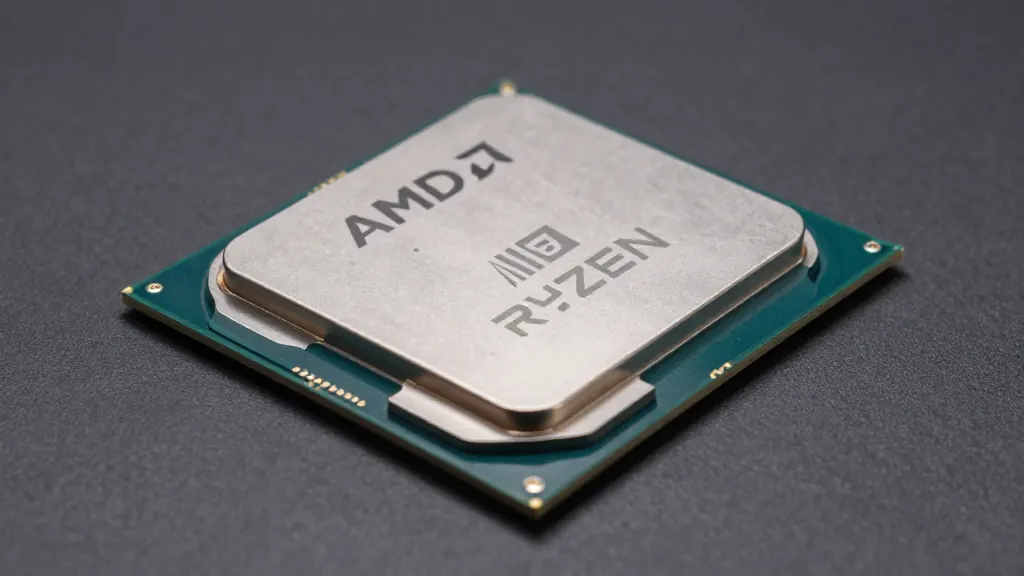
The technical data sheet for the AMD Ryzen 7 7800X3D is a set of numbers that, together, define the processor’s maximum potential. To understand how advanced this machine is, we need to break down each specification. In terms of processing capability, the 7800X3D is equipped with 8 cores and 16 threads. Performance is boosted by a robust clock architecture, featuring a base frequency of 4.2 GHz and a peak of up to 5.0 GHz in boost mode. One of the most critical numbers that sets this model apart is the total L3 Cache of 96 MB, a feature that, combined with the 3D V-Cache, is essential for data access speed in demanding tasks like gaming.
Unraveling the Power and Platform Numbers
When we talk about power consumption, we encounter the TDP (Thermal Design Power), which in this case is set at 120W. It is crucial to understand that TDP does not represent the processor’s maximum power consumption at peak use, but rather the maximum heat that the cooling system must be able to dissipate efficiently. The processor is built on the AM5 platform, ensuring compatibility with the latest industry standards. Regarding memory, native support for DDR5-5200 in dual-channel mode is a key advantage that ensures fast, high-bandwidth communication between the CPU and the RAM modules, which is essential for maintaining a constant and optimized data flow.
📘 TDP
TDP stands for Thermal Design Power and establishes the maximum heat that the cooling system must be able to dissipate efficiently. It does not represent the maximum power consumption at peak usage.
System connectivity and longevity are ensured by support for the PCIe 5.0 standard. The 7800X3D supports a total of 28 PCIe 5.0 lanes. Of these lanes, 4 are reserved for the chipset link, leaving the vast majority available for graphics cards and other high-speed peripherals. Support for DDR5 and PCIe 5.0 are not mere numbers; they are the guarantee that the system is modern and capable of supporting top-tier components for years to come, maintaining performance without communication bottlenecks.
Specification Summary
In summary, the Ryzen 7 7800X3D combines an 8-core, 16-thread architecture with high clock speeds (4.2 GHz base, 5.0 GHz boost), and a massive 96 MB cache. The 120W TDP defines the thermal limit for stable operation, while the AM5 platform, combined with support for DDR5-5200 and 28 PCIe 5.0 lanes, positions this processor at the forefront of desktop technology. Every technical specification detailed here reinforces the 7800X3D’s positioning as a high-performance machine, optimized for the highest standards of demand in gaming and productivity.
Gaming and Productivity Performance: Benchmarks and Real-World Use
Gaming and Productivity Performance: Benchmarks and Real-World Use
The AMD Ryzen 7 7800X3D is, without a doubt, a processor that redefines the gaming experience in the desktop segment. Its performance in titles that critically depend on fast data access—that is, cache-optimized titles—is its main differentiator and where it sets a standard of excellence. The major advantage here is the 3D V-Cache: a massive 96 MB cache that minimizes memory bottlenecks in high-demand, real-time scenarios. This allows the processor to maintain an exceptionally fast data flow, resulting in frame rates and fluidity that surpass many competitors in the gaming world.
Performance in Heavy Workloads
Although the 7800X3D’s main focus is high-end gaming, it does not neglect productivity use. It proves powerful in tasks like video editing and streaming. However, it is important to make a didactic distinction: for extreme-level workloads, involving complex rendering or heavy virtualization, Ryzen 9 series processors, which feature a higher core count, tend to be more suitable. The 7800X3D, with its 8 cores and 16 threads, offers a robust balance, but the increase in cores is the decisive factor in maximum professional multitasking scenarios.
Power Efficiency and Mixed Use
When considering mixed use—alternating between intensive gaming and productivity tasks—power consumption becomes a key factor. The 7800X3D, with a 120W TDP, demonstrates remarkable efficiency. It delivers top-tier performance without demanding excessive energy consumption, which translates to less heat and, consequently, a more stable and economical experience for the end-user. This low-power profile in a high-performance package is what solidifies the 7800X3D as one of the most optimized processors on the market.
In summary, the Ryzen 7 7800X3D is the ideal choice for the professional gamer who doesn’t want to compromise on top-tier performance but also needs an efficient and robust processor for the daily demands of a varied workflow. Its combination of Zen 4 architecture, massive cache, and controlled power draw positions it as a champion of efficiency and gaming performance.
✅ Advantages
- Exceptional gaming performance, especially in cache-optimized titles.
- Massive 96 MB cache (3D V-Cache) minimizes memory bottlenecks.
- High energy efficiency (120W TDP) with low heat output.
- Offers a strong balance between performance and power consumption in mixed use.
❌ Disadvantages
- For extreme workloads (complex rendering), larger cores (Ryzen 9) are more suitable.
- Its primary focus is top-tier gaming, not maximum core processing.
AM5 Platform: The Future and DDR5 Compatibility
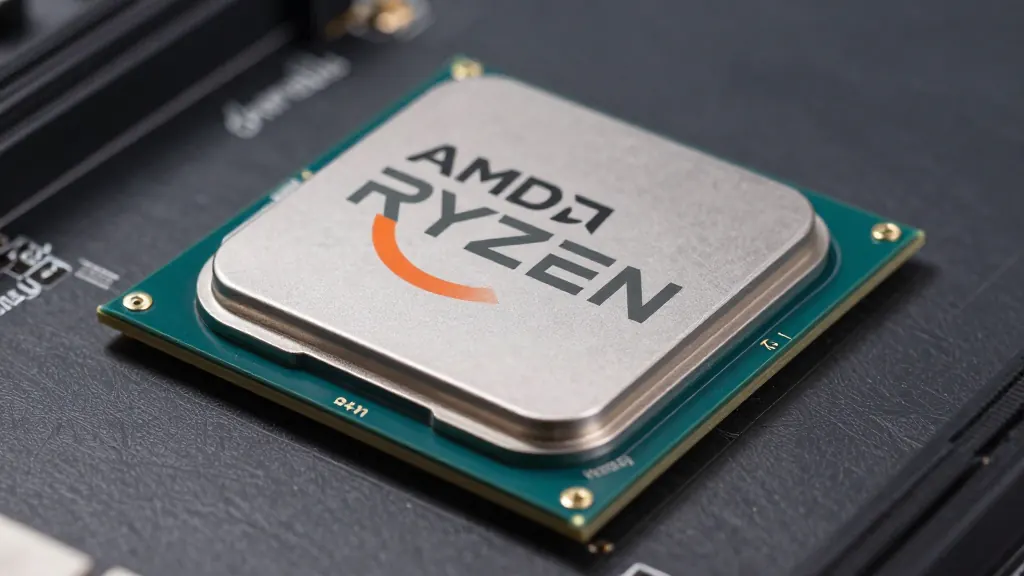
Choosing the AMD Ryzen 7 7800X3D is not just about its raw power; it is intrinsically linked to the platform that supports it. The AM5 socket is not merely a physical slot; it represents AMD’s commitment to the future, ensuring the system remains relevant and capable of adapting to the most demanding technological needs for years to come. By adopting AM5, the user is investing in a foundation that supports the latest and most robust connectivity and memory technologies, which is fundamental to guaranteeing the longevity and maximum upgrade potential of their desktop.
Cutting-Edge Technologies and System Longevity
One of the pillars supporting the power of the 7800X3D is its native support for top-tier memory and data expansion standards. In terms of memory, the AM5 platform guarantees compatibility with the DDR5 standard. Specifications indicate support for DDR5-5200 in a dual-channel configuration (either 2x1R or 2x2R), and it also supports DDR5-3600 in four-module configurations (4x1R or 4x2R). This robust support for high-speed memory is vital for feeding the processor with necessary data in real time, especially in intensive gaming scenarios.
Beyond memory, the AM5 platform is designed for the future of connectivity. It offers support for an impressive 28 PCIe 5.0 lanes. It is important to note that part of this connectivity array is dedicated to the chipset, with 4 of these lanes reserved specifically for that function. This vast data channel not only ensures that top-tier graphics cards and SSDs operate at their maximum speed but also establishes an expansion standard that few platforms can match, giving the system bottleneck-free upgrade capability for years to come.
Architecture and Implementation Requirements
From a technical standpoint, the 7800X3D is a processor manufactured using the TSMC N5 FinFET process, while the I/O die (the input/output chip) uses N6 FinFET. The architecture also incorporates an integrated RDNA 2 GPU on the I/O die, which features 2 Compute Units (CUs) and clock speeds of 400 MHz (base) and 2.2 GHz (boost). Although the processor’s focus is maximum performance, it is crucial to understand that to unlock its full potential, the supporting hardware must be equally robust. It is not enough for the processor to be powerful; it requires a motherboard compatible with the AM5 socket and, most importantly, a high-capacity cooling system (cooler) to maintain stable operation at ideal temperatures.
In summary, the AM5 is the umbrella covering the top-tier performance of the Ryzen 7 7800X3D. It not only ensures access to the most advanced technologies, such as DDR5 and PCIe 5.0, but also sets a clear path for the future of your PC, turning the investment into a powerful, durable machine ready for the demands of tomorrow.
Comparison with Previous Generations and Competitors
The Generational Leap: From AM4 to AM5
Comparing the AMD Ryzen 7 7800X3D to previous generations, such as the Ryzen 5000 series (based on the Zen 3 architecture), is not just about comparing clock speeds, but about understanding a complete platform transformation. The main differentiator lies in the socket leap: from AM4 to AM5. This platform change is what guarantees the system’s longevity and upgrade potential. While the 5000 series processors operate on the AM4 socket and are optimized for DDR4, the 7800X3D uses AM5, a socket designed for cutting-edge technologies.
This architectural difference is reflected in memory standards and data expansion. AM4 systems support DDR4, with optimized speeds up to 3200 MHz (in dual-channel configurations, for example). In contrast, the AM5 platform adopts the DDR5 standard, supporting significantly higher memory speeds, starting at 5200 MHz in dual-channel configurations. Beyond memory, PCIe lane support also advances drastically: AM4 processors support 24 PCIe 4.0 lanes, while the 7800X3D guarantees 28 PCIe 5.0 lanes. This increase is crucial for anyone planning to use high-performance graphics cards and storage devices in the future.
Technical Differences and Gaming Performance
Advances do not stop with connectivity. In terms of manufacturing process, the 7800X3D incorporates TSMC N5 FinFET, while the 5000 series uses TSMC 7FF. Furthermore, there are significant improvements in the internal architecture, such as the increased L2 cache per core, which jumps from 512 KB per core in the 5000 series to 1 MB per core in the 7800X3D. This cache optimization is what boosts performance in gaming scenarios, where quick access to large amounts of data is vital. Compared to competitors from other brands, the 7800X3D positions itself as a processor of very high efficiency, maintaining a 120W TDP, which optimizes performance without requiring excessive power consumption.
In summary, investing in the AM5 platform with the Ryzen 7 7800X3D is not just a purchase of raw power; it is an investment in a modern and scalable ecosystem. It guarantees native support for DDR5 and PCIe 5.0 standards, features that define the future of high performance in gaming and productivity, justifying the leap over older generations and preparing the user for the most demanding computing technologies.
Glossary
- 3D V-Cache: A stacking technique that adds massive L3 cache, speeding up data access and improving gaming performance.
- AM5: AMD’s latest socket, which ensures compatibility with modern standards like DDR5 and PCIe 5.0, ensuring system longevity.
- TDP (Thermal Design Power): The thermal consumption, which defines the maximum heat that the cooling system must be able to dissipate efficiently.
- DDR5: The modern RAM standard, which offers higher bandwidth and superior speeds compared to previous generations.
- PCIe 5.0: The high-speed interface standard that ensures peripherals, such as graphics cards and SSDs, operate with maximum bandwidth.
Frequently Asked Questions
Is the Ryzen 7 7800X3D compatible with AM4 motherboards?
No. This processor was designed for the AM5 platform. The AM5 socket is essential because it supports the latest memory and connectivity standards, such as DDR5 and PCIe 5.0, ensuring you utilize the chip’s maximum potential.
What exactly is 3D V-Cache and why does it increase gaming performance?
3D V-Cache is a stacking technique that adds a gigantic 96 MB L3 cache. This cache acts like an ultra-fast data reservoir, minimizing latency and the time the processor takes to access information, which is vital for maintaining high frame rates in demanding games.
What type of RAM is recommended for the 7800X3D (DDR4 or DDR5)?
Using DDR5 memory is essential. The AM5 platform was specifically developed to support the DDR5 standard. This type of memory ensures the high bandwidth necessary for the processor to maintain a constant and optimized data flow, which is crucial for top-tier performance.
Does this processor require a special cooler, or is a tower air cooler sufficient?
Considering the 120W TDP, using a robust cooling solution is essential. Although the power consumption is controlled, a good quality tower cooler or a liquid cooling system will ensure that the processor operates stably and efficiently, maintaining its peak performance without overheating.
Is the 7800X3D better for gaming or for professional video editing?
It is a performance champion in games, thanks to its massive cache. For productivity tasks, like video editing, it is very powerful. However, if your focus is on professional rendering or heavy virtualization, processors with a higher core count (like those in the Ryzen 9 line) might be more suitable.
Conclusion
The AMD Ryzen 7 7800X3D establishes itself as a reference processor, designed with a surgical focus on the ultimate gaming experience. Its combination of 8 cores and 16 threads, operating at a base clock of 4.2 GHz and a peak of 5.0 GHz, is enhanced by its architectural advantage: the massive 96 MB L3 cache, enabled by 3D V-Cache. This expanded cache is responsible for minimizing data latency, ensuring superior performance in high-demand and fast-paced scenarios, which positions it at the peak of the desktop CPU market.
Beyond its raw power, the 7800X3D is built on a modern, future-proof platform. The use of the AM5 socket and native DDR5 memory support, along with 28 PCIe 5.0 lanes, ensure that the system is robust and capable of integrating the latest peripherals. With a 120W TDP and a suggested price of US $449, the package represents an investment in technology that not only delivers immediate gaming results but also guarantees longevity and bandwidth for years to come.
In summary, the Ryzen 7 7800X3D is not just an increase in numbers, but an engineering optimization that raises the standard of gaming performance. Understanding this synergy between the Zen 4 architecture, the gigantic cache, and the AM5 platform is crucial for any enthusiast. Analyzing these specifications clearly shows that the pursuit of the best gaming experience demands a component that balances high frequency with minimal latency, and this is the path to follow.