
Read this article in: Portuguese (Português) · Spanish (Español)
Who is Kevin Mitnick? He is an American figure whose career spans the wild, unpredictable frontier of early computing and the structured, defensive world of modern cybersecurity. Born Kevin David Mitnick, he is best known both as a convicted hacker—a master of social engineering and unauthorized access—and as a prolific author and information technology consultant. While his methods earned him notoriety, his subsequent work has shaped how corporations and governments approach digital defense, making him a foundational, if controversial, figure in the field of computer security.
Mitnick’s impact on the technology world is defined by his ability to push the boundaries of what was considered possible, often through illegal means. His career trajectory includes a dramatic arrest in 1995 for various communications-related crimes, leading to a five-year prison sentence. Following his release, he established Mitnick Security Consulting, LLC, and later founded Defensive Thinking Inc in 2002. His notable writings, including The Art of Deception and Ghost in the Wires, cemented his status as a thought leader, forcing the industry to acknowledge the threat of human error as much as malicious code.
This biography traces the complex journey of a man who transitioned from criminal activity to industry pillar. We will examine his Early Life and Academic Foundations, the genesis of his unauthorized access, and the infamous 1995 arrest and conviction. Furthermore, we navigate the ensuing legal controversy, chronicle his transformation from criminal to consultant, and explore his lasting influence on pop culture and media, culminating in his legacy in cyber defense.
Key Takeaways
- At age twelve, he exploited systemic loopholes by using discarded transfer slips to ride buses across Los Angeles.
- In 1979, he gained unauthorized access to the Digital Equipment Corporation (DEC) network, copying proprietary software.
- His 1995 arrest followed charges including 14 counts of wire fraud and possession of unauthorized access devices.
- After his release, he founded Defensive Thinking Inc in 2002 and established Mitnick Security Consulting.
- He served as a board member for KnowBe4 and authored notable works such as The Art of Deception.
Kevin Mitnick at a Glance
| Born | Kevin David Mitnick; August 6, 1963; Los Angeles, California, U.S. |
|---|---|
| Died | July 16, 2023 (aged 59); Pittsburgh, Pennsylvania, U.S. |
| Other names | The Condor, The Darkside Hacker |
| Occupations | Information technology consultant; Author |
| Organizations | Mitnick Security Consulting; Chief Hacking Officer at KnowBe4, Inc |
| Board member of | KnowBe4 |
| Criminal charges | 1995: Wire fraud (14 counts), possession of unauthorized access devices (8 counts), interception of wire or electronic communications, unauthorized access to a federal computer, and causing damage to a computer |
| Criminal penalty | 1988: One year prison; 1999: 46 months prison plus 3 years probation |
| Spouses | Bonnie Vitello (m. 1987, div. 1990); Kimberley Mitnick (m. 2022) |
| Citizenship | United States |
| Education | James Monroe High School (California); Los Angeles Pierce College |
| Field of work | Computer security; Social engineering; Hacking |
| Notable work | The Art of Deception; The Art of Intrusion; Ghost in the Wires; Freedom Downtime; Certified Social Engineering Prevention Specialist |
| Founded | Defensive Thinking Inc (2002) |
Early Life and Academic Foundations

Kevin David Mitnick arrived on the scene on August 6, 1963, in Van Nuys, Los Angeles, California. Growing up in the sprawling landscape of Los Angeles, California, Mitnick was the son of Alan Mitnick and Shelly Jaffe, with his maternal grandmother being Reba Vartanian. As a Jewish American, his formative years were spent within the cultural and geographic confines of Southern California. While his later career would define the boundaries of digital access, his early life demonstrated an innate, hands-on curiosity—a knack for exploiting systems, whether they were mechanical, social, or conceptual. This early resourcefulness hinted at a mind that was always analyzing the seams and gaps in established rules.
One of his earliest documented feats of lateral thinking occurred when he was just twelve years old. Seeking what he described as material for a “school project,” Mitnick approached a bus driver and managed to convince him to provide him with a ticket punch. From that single piece of equipment, he demonstrated a remarkable understanding of systemic loopholes. He was subsequently able to ride any bus throughout the greater Los Angeles area, utilizing unused transfer slips that he found discarded in a dumpster situated near the bus company garage. This ability to repurpose discarded materials and exploit overlooked infrastructure foreshadowed the complex methods he would later apply to computer systems.
As he progressed through his academic life, his interests broadened from urban transit to radio waves and communication. Mitnick attended James Monroe High School in North Hills, where he honed a technical skill that required both knowledge and patience: he became a licensed amateur radio operator, earning the callsign WA6VPS. The name “Condor” would become a moniker of his, a nickname he adopted after viewing the film Three Days of the Condor. His educational path continued through Los Angeles Pierce College before he enrolled at the University of Southern California (USC), cementing his connection to the intellectual hubs of the region.
These early foundations—the manipulation of physical infrastructure via the bus system, the disciplined study required to become a licensed amateur radio operator, and the academic rigor of attending institutions like Los Angeles Pierce College and USC—established a pattern. Mitnick was not merely interested in technology for its sake; he was interested in its underlying rules, its points of failure, and the human element that governed its use. His early life was a sustained demonstration that the most valuable commodity was not the technology itself, but the understanding of how it could be circumvented.
📌 Early Demonstrations of Resourcefulness
- Bus System Exploitation: Used discarded slips to ride buses across LA.
- Amateur Radio: Became a licensed operator, requiring technical knowledge.
- Academic Focus: Attended Los Angeles Pierce College and USC.
- Core Skill: Demonstrated an ability to find and exploit systemic gaps.
The Genesis of Hacking: Unauthorized Access

The true emergence of Kevin Mitnick as a technological force, both celebrated and condemned, began with a specific breach in 1979. At the age of 16, Mitnick gained unauthorized access to a major corporate network. His target was the Digital Equipment Corporation (DEC), a giant in the burgeoning field of computing. The entry point was deceptively simple: a friend provided him with the telephone number for the Ark computer system. This system was crucial to DEC because it was used for developing the company’s seminal RSTS/E operating system software. What followed was not merely curiosity, but a sophisticated act of digital trespass. Mitnick broke into the DEC network and successfully copied the company’s valuable proprietary software.
This early transgression established a pattern of boundary-pushing that would define his career. The consequences of the 1979 breach were not immediate, but they set a legal trajectory that culminated in his 1988 conviction. The initial crime was a major event in the history of computer security, leading to charges and a sentence of twelve months in prison, followed by three years of supervised release. Even as he navigated the end of his supervised release, Mitnick continued to demonstrate his prowess, hacking into Pacific Bell voicemail computers. This continuous stream of unauthorized access brought him into conflict with law enforcement, culminating in a warrant for his arrest and his subsequent flight from justice.
The Life of a Fugitive Hacker
The two-and-a-half years Mitnick spent as a fugitive marked the peak of his notoriety and the most extensive documentation of his unauthorized access. According to the United States Department of Justice, his activities were vast and multifaceted. He managed to gain unauthorized access to dozens of computer networks across the country. To maintain his anonymity, he utilized cloned cellular phones to obscure his physical location, a feat that spoke volumes about his technical depth. His targets were not limited to corporate mainframes; he systematically copied valuable proprietary software from some of the nation’s largest cellular telephone and computer companies.
Mitnick’s methods during this period were comprehensive, showing mastery over multiple facets of digital infrastructure. He didn’t just break in; he extracted specific forms of sensitive data. Among his reported actions were the interception and theft of computer passwords, the alteration of computer networks themselves, and the ability to breach and read private emails. These actions cemented his reputation as a master of infiltration, demonstrating an acute understanding of how systems—whether they were telephone, cellular, or mainframe—were designed, and more importantly, how they could be broken.
The Infamous 1995 Arrest and Conviction
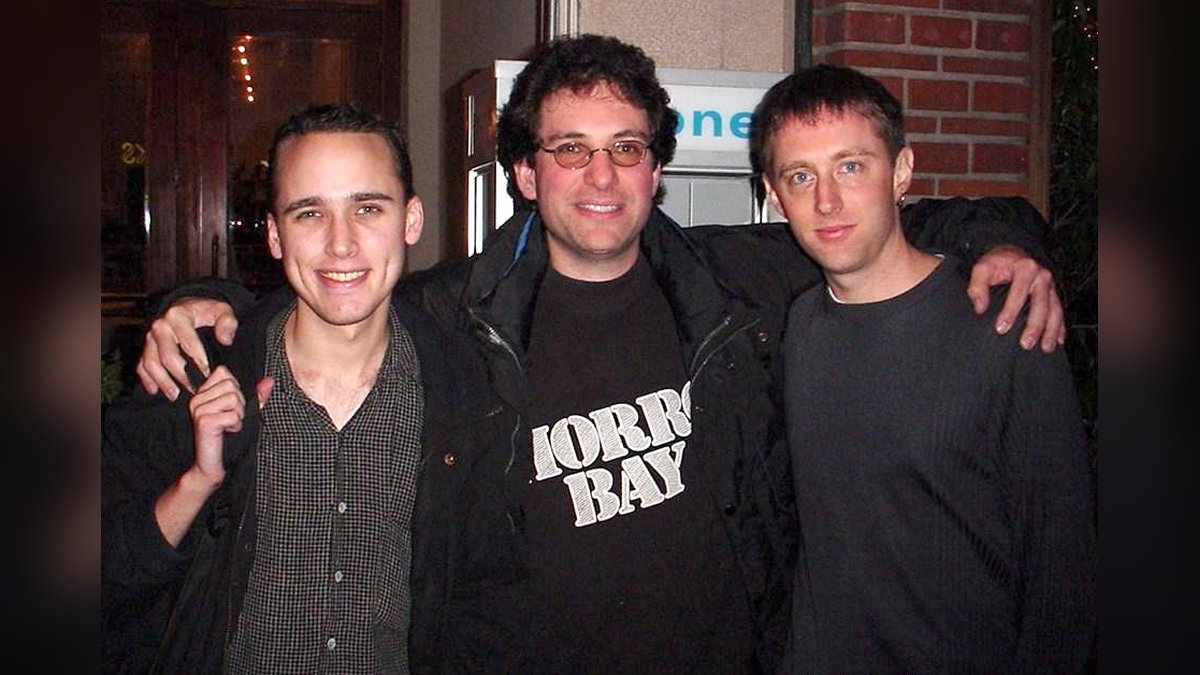
The apex of Kevin Mitnick’s criminal notoriety arrived in 1995. Following a highly public pursuit, the Federal Bureau of Investigation apprehended him at his Raleigh, North Carolina apartment. The charges laid against him were formidable, stemming from a two-and-a-half-year period of sophisticated computer and wire fraud. Investigators found him in possession of cloned cell phones, over 100 cloned cellular phone codes, and multiple pieces of false identification—physical evidence that pointed to a hacker operating at the intersection of physical infrastructure and digital systems.
The Weight of the Charges
The legal battle escalated significantly, culminating in charges filed in 1998 within the United States District Court for the Central District of California. The indictment was a sweeping list of federal offenses, including 14 counts of wire fraud, eight counts of possession of unauthorized access devices, interception of wire or electronic communications, unauthorized access to a federal computer, and causing damage to a computer. These charges represented the culmination of years of boundary-pushing, transforming his abstract digital transgressions into concrete, actionable criminal accusations.
The subsequent negotiation process led to a plea bargain in 1999. Mitnick pleaded guilty to four counts of wire fraud, two counts of computer fraud, and one count of illegally intercepting a wire communication. The sentence handed down by U.S. district judge Mariana Pfaelzer was substantial: 46 months in federal prison, supplemented by an additional 22 months for violating the terms of his 1989 supervised release sentence for computer fraud. The core of this violation involved hacking into Pacific Bell voicemail and other systems, as well as associating with a co-defendant, Lewis DePayne.
His time incarcerated was marked by both routine confinement and bizarre publicity. Mitnick served a total of five years in prison, comprising four-and-a-half years pre-trial detention and eight months in solitary confinement. The circumstances of his detention were frequently recounted, most notably the implication that law enforcement had convinced the judge he possessed the ability to “start a nuclear war by whistling into a pay phone”—suggesting he could somehow dial into the NORAD modem from prison and communicate with it via whistling to launch missiles. Amidst the legal severity, media outlets also reported on the unavailability of kosher meals at his facility.
The fallout extended long after his release on January 21, 2000. During his supervised release period, which concluded on January 21, 2003, Mitnick was initially restricted to using only landline telephones for communication. Furthermore, the plea deal included a variation of the Son of Sam law, prohibiting him from profiting from books or films based on his criminal activity for seven years. Despite these restrictions, his professional trajectory showed signs of rehabilitation; in December 2001, a Federal Communications Commission (FCC) judge ruled that he was sufficiently rehabilitated to possess a federally issued amateur radio license.
Navigating Controversy and Legal Fallout
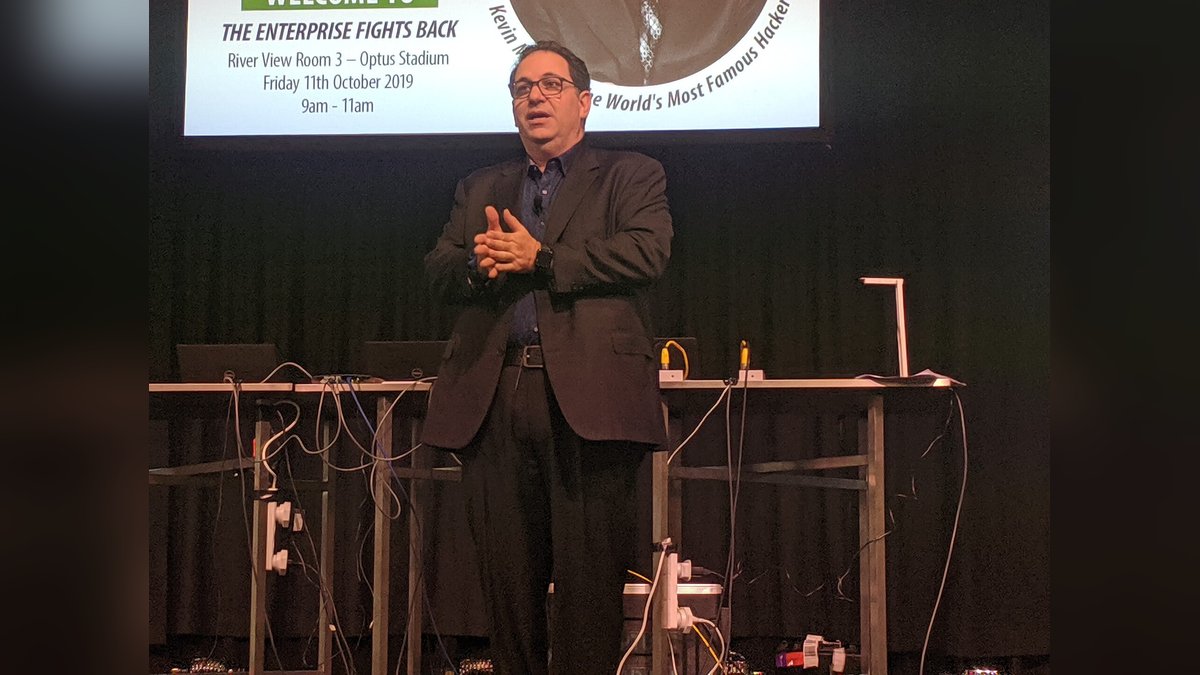
The legal saga surrounding Kevin Mitnick was never merely a criminal proceeding; it was a media spectacle, a complex legal test case, and a profound cultural flashpoint. The confluence of his notorious activities, the ensuing journalism, and the subsequent trials created an atmosphere of intense controversy that continues to define his public image. While the specifics of his charges—including counts of wire fraud (14 counts), possession of unauthorized access devices (8 counts), interception of wire or electronic communications, unauthorized access to a federal computer, and causing damage to a computer—were undeniable elements of the legal record, the controversy stemmed from the interpretation and ultimate severity of those findings.
The Debate Over Guilt and Punishment
For many observers, the case against Mitnick highlighted the rapid evolution of digital crime, testing newly enacted laws designed to prosecute computer offenses. However, this very legal framework became the battleground for staunch defense. Mitnick’s supporters repeatedly argued that the severity of his eventual penalties were excessive. Furthermore, they contested the foundational premise of the prosecution, arguing that many of the charges leveled against him were fraudulent and lacked a direct correlation to actual financial or material losses. This defense framed the ensuing legal process not as a pursuit of justice, but as an overreach.
The narrative of his capture and trial was so compelling that it became material for books, most notably Takedown, written by John Markoff and Tsutomu Shimomura. This external documentation only amplified the public interest, transforming the legal fallout into a piece of technological folklore. The case, therefore, transcended the courtroom, becoming a case study in the relationship between technology, law enforcement, and the press.
A Microcosm of Media Influence
The enduring controversy surrounding Mitnick’s career is often cited today as a prime example of the powerful, sometimes distorting, influence of news media on law enforcement personnel and the judicial process. The sheer volume of media coverage surrounding his criminal activities and subsequent legal battles meant that the story itself became a powerful, almost irresistible, force. While the legal process resulted in multiple penalties—including a one-year prison sentence in 1988 and a later period of 46 months plus three years of probation in 1999—the public discourse remained fixated on the ethical and procedural questions raised by the pursuit itself.
Ultimately, the legal history of Kevin Mitnick is less about the technical breaches—the unauthorized access, the wire fraud, or the damage to a computer—and more about the legal and ethical boundaries that the modern digital age forces society to confront. The lingering controversy ensures that his story is studied not just by security professionals, but by legal scholars examining the limits of criminal law in the face of rapidly advancing technology.
From Criminal to Consultant: Building a Security Career

After his release in 2000, Kevin Mitnick did not fade into obscurity. Instead, he initiated a profound professional pivot, transforming from notorious hacker into a highly visible security consultant, public speaker, and author. His post-incarceration career was defined by a commitment to translating his deep, if criminally acquired, knowledge of system weaknesses into actionable defense strategies for corporations and government entities.
The Birth of Formal Defense
This commitment found a concrete structure in 2002 when Mitnick co-founded Defensive Thinking Inc alongside Alex Kasperavičius. Together, they developed the Certified Social Engineering Prevention Specialist (CSEPS) program. This initiative was far more than a simple seminar; it was a multi-module corporate security-awareness training course and professional certification. The program was specifically designed to educate personnel on defending against the increasingly human element of cyber threats. The curriculum was comprehensive, covering a wide array of infiltration methods, including pretexting, elicitation, psychological manipulation, dumpster diving, and identifying systemic organizational vulnerabilities.
The early iteration of the CSEPS was offered as a two-day boot camp, priced at approximately US$1,500 per attendee. The program’s immediate credibility was underlined by its clientele, which included branches of the United States Air Force and the United States Marine Corps, signaling its rapid acceptance into high-level governmental security circles.
Expanding the Consulting Footprint
Mitnick continued to build his professional profile by offering penetration testing services, general security consulting, and specialized social engineering training for a vast array of companies and governmental agencies. By 2003, his expertise was recognized at the highest levels of government; he testified before the United States House Committee on Financial Services, speaking directly about the critical issues of computer security and identity theft.
He maintained his own venture, Mitnick Security Consulting LLC. Simultaneously, he took on an integral role in the burgeoning security tech industry by becoming a part owner and Chief Hacking Officer at KnowBe4. KnowBe4 specialized in providing an integrated platform for security awareness training and simulated phishing testing. Notably, elements from the original CSEPS material were incorporated into KnowBe4’s evolving training offerings, demonstrating the direct commercial lineage of his consulting work. Furthermore, his advisory reach extended to Zimperium, a mobile security company that focused on mobile intrusion prevention systems.
Throughout this period, Mitnick established a base of operations in Las Vegas, Nevada, solidifying his role not merely as a former criminal, but as a foundational architect of modern cyber defense methodologies.
Influence on Pop Culture and Media

The narrative surrounding Kevin Mitnick’s life has proven irresistible to popular culture, transforming the technical intricacies of unauthorized access into compelling drama for the mainstream audience. Perhaps the most visible manifestation of this fascination was the film Track Down, which saw its DVD release in September 2004. This movie, which was marketed as Takedown outside the United States, dramatized events based on the book Takedown, a collaboration between John Markoff and Tsutomu Shimomura. The film featured Skeet Ulrich portraying Mitnick, while Russell Wong took on the role of Tsutomu Shimomura. Such cinematic depictions were crucial, solidifying a recognizable, if often sensationalized, public image of the hacker persona—a figure of both genius and danger—for millions who had never encountered the field of computer security before.
Mitnick’s influence extended beyond the silver screen and into more intimate forms of media engagement. During the period from 2000 to 2002, he maintained a consistent public presence by co-hosting DarkSide of the Internet. This two-hour weekly radio program was broadcast on KFI in Los Angeles, providing a platform for him to discuss the rapidly evolving landscape of digital crime and technology with a wide, non-specialist audience. Furthermore, his intellectual contributions continued to enter the public sphere through literature; his notable works include The Art of Deception, The Art of Intrusion, and Ghost in the Wires, which served as published accounts of his methods and the state of digital vulnerability.
His visibility was further cemented by appearances in major documentaries. In 2016, Mitnick was featured in Werner Herzog’s documentary, Lo and Behold, Reveries of the Connected World. These varied media touchpoints—the dramatic arc of the film, the conversational intimacy of the weekly radio show, and the academic weight of the documentary—worked in concert to shape the public’s understanding of hacking. The public perception, therefore, often conflated the technical reality of digital breaches with the thrilling, narrative elements of fiction. The media, in this sense, acted as both a mirror and a distorting lens, transforming a complex, niche field into a widely consumable cultural spectacle.
Collectively, these media appearances ensured that Kevin Mitnick became a cultural touchstone for the emerging digital age. Whether through the highly dramatized narrative of Takedown or the educational context of Lo and Behold, his life story provided the public with an accessible, if sometimes misleading, framework for understanding the profound and often invisible risks inherent in modern connectivity.
🕒 Key Media Appearances and Publications
- 2000-2002 — Co-hosted the weekly radio program DarkSide of the Internet on KFI in Los Angeles.
- 2016 — Featured in Werner Herzog’s documentary, Lo and Behold, Reveries of the Connected World.
- September 2004 — The film Track Down (marketed as Takedown outside the US) was released.
Legacy and Final Years in Cyber Defense
Following his release from incarceration in 2000, Kevin Mitnick successfully pivoted his notoriety into a career dedicated to the proactive defense of digital systems. His lasting impact on the field of cyber defense is best understood through the methodologies he helped formalize. This commitment found a concrete institutional structure in 2002 when he co-founded Defensive Thinking Inc with Alex Kasperavičius. Together, they developed the Certified Social Engineering Prevention Specialist (CSEPS) program. This was not merely a theoretical course, but a multi-module corporate security-awareness training and professional certification designed specifically to defend against the subtle art of social engineering attacks.
The curriculum Mitnick developed for CSEPS was highly granular, covering specific attack vectors such as pretexting, elicitation, psychological manipulation, dumpster diving, and general organizational vulnerabilities. The initial offering was structured as a two-day boot camp, priced at approximately US$1,500 per attendee. The program’s credibility was immediately established by its clientele, which included branches of the United States Air Force and the United States Marine Corps. Beyond this initial venture, Mitnick continued to provide specialized security consulting, penetration testing services, and advanced social engineering training across a vast spectrum of companies and governmental agencies. His deep understanding of human fallibility proved to be a more potent educational tool than any technical exploit.
His growing influence in the industry was cemented through high-profile public service and corporate leadership. In 2003, Mitnick testified before the United States House Committee on Financial Services, speaking directly to the critical issues of computer security and identity theft. Professionally, he operated his own venture, Mitnick Security Consulting LLC, while also serving as part owner and Chief Hacking Officer at KnowBe4, Inc, a provider of an integrated platform for security awareness training and simulated phishing testing. Notably, elements from the original CSEPS material were later incorporated into KnowBe4’s comprehensive training offerings. Further cementing his role as a modern security authority, he also served on the advisory board of Zimperium, a mobile security company specializing in mobile intrusion prevention systems. During this period, he established his primary base of operations in Las Vegas, Nevada.
The technical acumen and profound insight into human psychology that defined his career ensured that Kevin Mitnick’s professional life was one of continuous public engagement. His life’s work transitioned the narrative of the hacker from a purely criminal enterprise to a vital, educational discipline, fundamentally shifting the focus of cybersecurity awareness toward the human element. Kevin Mitnick passed away from pancreatic cancer on July 16, 2023, at the age of 59, at a hospital in Pittsburgh, Pennsylvania. At the time of his death, he was married to Kimberley Mitnick, who was pregnant with their first son. Kimberley remains active within the cybersecurity and hacking communities, continuing the legacy of vigilance that defined his later professional years.
Frequently Asked Questions About Kevin Mitnick
When was Kevin Mitnick born and where did he grow up?
Kevin Mitnick was born on August 6, 1963, in Los Angeles, California. His formative years were spent within the cultural and geographic confines of Southern California, where he demonstrated an innate curiosity for exploiting systems.
What is Kevin Mitnick’s primary area of expertise in cybersecurity?
His primary areas of expertise include computer security, social engineering, and hacking. He is known for his ability to analyze the seams and gaps in established rules, making him a skilled consultant and author in the field.
What was the most significant legal event in Kevin Mitnick’s career?
The most significant legal event was his 1995 arrest by the FBI. He faced formidable charges stemming from years of sophisticated computer and wire fraud, leading to a plea bargain and a total five-year prison sentence.
Did Kevin Mitnick found any security consulting firms?
Yes, Kevin Mitnick founded several security firms. He established Defensive Thinking Inc in 2002. Furthermore, he ran Mitnick Security Consulting, LLC, after his release from prison.
What was the cause of Kevin Mitnick’s death?
The provided fact sheet only states that Kevin Mitnick died on July 16, 2023, at the age of 59. The source material does not specify the cause of his passing.
Final Thoughts: The Legacy of Kevin Mitnick
Kevin Mitnick’s journey from unauthorized access pioneer to respected information technology consultant fundamentally shifted the understanding of digital vulnerability. His career demonstrated that mastery over technology was less about breaking code and more about understanding the inherent loopholes—whether those loopholes existed in the transit system, as he did at age twelve, or within the complex protocols of a corporate mainframe, such as the DEC network in 1979. Through his time as a fugitive, where he mastered techniques like cloning cellular phones and intercepting private emails, he proved himself a master of infiltration. This unique, hands-on experience allowed him to transition his formidable knowledge into a career dedicated to defense, founding organizations like Defensive Thinking Inc in 2002 and serving as Chief Hacking Officer at KnowBe4, Inc.
Mitnick’s legacy is not defined by the charges of wire fraud or the years spent incarcerated, but by the profound insight he gained into the human element of security. He formalized this knowledge through authorship, contributing works such as The Art of Deception, which crystallized the concept of social engineering. His life trajectory serves as a stark, vivid case study: the most sophisticated cyber defenses are those that account for the weakest link—the mind of the user. As technology continues its relentless march toward deeper integration into daily life, the question of who controls the access point, and by what means, will only become more critical.
Sources and Further Reading
- Kevin Mitnick — Wikipedia (text available under CC BY-SA 4.0)
- Kevin Mitnick, Hacker Who Once Eluded Authorities, Is Dead at 59 — nytimes.com
- Hacker Arraigned in Computer Fraud Case — latimes.com
- Mitnick Granted Ham License — wired.com
- Ex-Hacker Kevin Mitnick Teaches From Experience — wsj.com
- Official website