Read this article in: Portuguese (Português) · Spanish (Español)
In a development that stirred the labor landscape of the gaming industry, employees of Rockstar Games in the United Kingdom recently rejected a proposal for formal recognition from the Independent Workers’ Union of Great Britain (IWGB). The plebiscite, held amid the massive success of the Grand Theft Auto VI launch, showed that the majority of employees do not support a union agreement that would force the company to negotiate collective labor rights. The vote, which saw massive participation from over 93% of British employees, signals a moment of tension between corporate power and the growing movement for better working conditions in the sector.
The Plebiscite Result and Union Outcome
The voting results in London revealed that approximately 75% of Rockstar Games employees in the UK voted against the recognition agreement proposed by the Independent Workers’ Union of Great Britain (IWGB). The plebiscite took place over two weeks and saw significant employee participation, totaling over 1,544 voters. The union, which operates across various branches and industry campaigns in the UK, aims to organize workers within their respective fields.
📘 Independent Workers’ Union of Great Britain (IWGB)
It is a union in the UK that organizes workers across various branches and industry campaigns, seeking to represent employee interests.
Legal Implications: What the Vote Meant for Collective Bargaining
In an ideal scenario, formal recognition from the union would have direct legal consequences. Had the IWGB been recognized, Rockstar Games management would have a legal obligation to negotiate collective bargaining terms with the union. These negotiations would cover crucial topics for workers, such as wages, working hours, and various labor conditions.
The IWGB’s Response and the Persistence of the Fight for Labor Rights
Despite the vote’s outcome, the IWGB stated that it would not be discouraged. The union affirmed that the result does not prevent workers from continuing to organize and push for improvements in the workplace. According to the union’s statement, although the company is not obligated to hold regular meetings with union representatives through a recognition agreement, employees can still exercise their individual rights to unionize or join the union.
⚠️ Attention
Despite the vote, the union warns that the company is not required to hold regular meetings, but employees can still organize individually or join to continue the push for rights.
Recent Conflicts: Legal Action and ‘Union Busting’ Allegations
This plebiscite occurs in the context of labor litigation. Recently, IWGB sued Rockstar Games in an employment court, accusing the company of wrongful terminations and union busting practices. The dispute was heated after the dismissal of over 30 employees in the previous year. The layoffs were allegedly due to serious misconduct related to leaks of confidential company information. As of yet, the trial has concluded, and a final decision is still pending.
Industry Context: The Growing Trend of Unionization in Game Studios
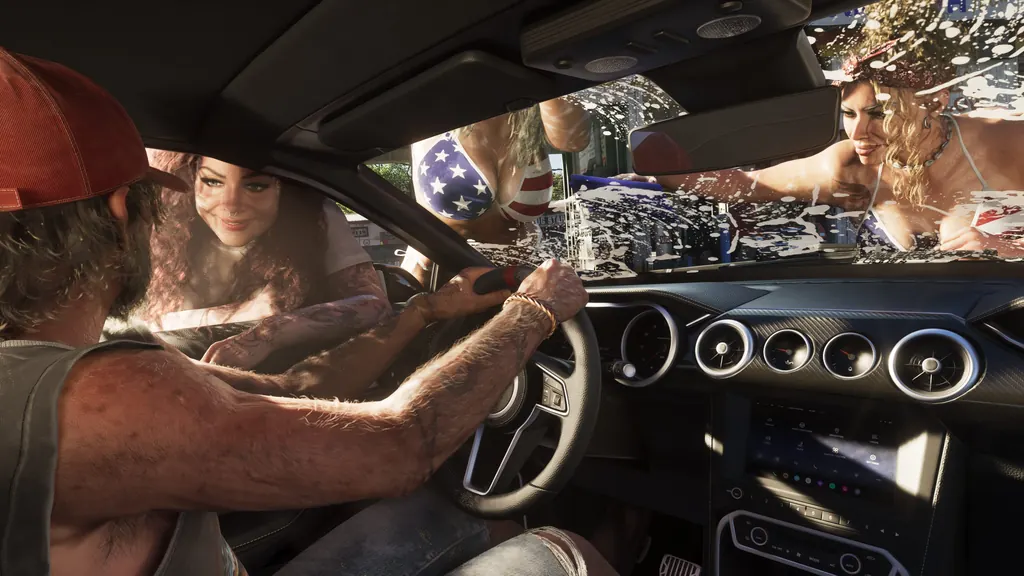
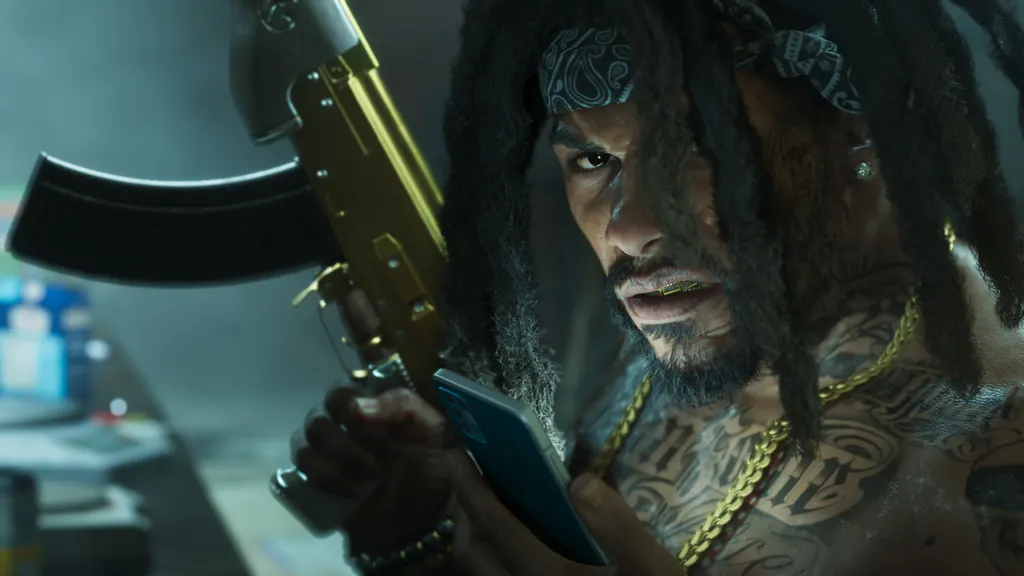
The interest in labor rights at Rockstar Games is not an isolated incident but part of a growing unionization movement in game development studios. The company’s commercial success, exemplified by the release of Grand Theft Auto VI, reinforces the importance of the issue. The title, a vast open-world action-adventure game set in the fictional state of Leonida (which includes Vice City), was developed by Rockstar Games and Rockstar North and is scheduled for release on 11/19/2026. The game, which places the player in the protagonists Jason Duval and Lucia Caminos, promises to combine elements of driving, third-person combat, and exploration, keeping the industry under the spotlight and the debate over working conditions.
In summary, the plebiscite crystallized a dispute over workers’ bargaining power. Even with the rejection of the agreement, union pressure continues, supported by both legal action and a strong internal organizing movement, signaling that the fight for labor rights in the gaming industry is far from over.
Information based on recent news regarding the gaming sector and labor rights in the United Kingdom.