Read this article in: Portuguese (Português) · Spanish (Español)
Wine is one of humanity’s oldest and most complex products, a fascinating liquid born from the natural process of grape juice fermentation. Far from being the creation of a single inventor or specific period, wine is the result of knowledge accumulated over millennia. Its origins trace back to the empirical observations of human cultures, which gradually learned to transform grapes into an alcoholic beverage. Thus, the history of wine is not linear, but rather a mirror of civilization itself, reflecting technological advances, trade routes, and cultural transformations in every region where it was produced.
The journey of wine is marked by extraordinary chronological milestones. The earliest evidence of its production dates back to approximately 6000 BC in modern-day Georgia, while the Areni-1 site in Armenia presents one of the oldest winery records, dating to about 4100 BC. From these beginnings, oenological culture spread across the Mediterranean, solidifying itself in civilizations such as the Greek and Roman. Its popularity was not limited to consumption; it played a fundamental role in religious and artistic contexts, ensuring its continued relevance to the present day.
In this article, we will delve deeply into this millennia-old history. We will begin with the earliest origins of wine, exploring how it spread through culture and antiquity. Next, we will detail the “from field to glass” process, unraveling the science behind viticulture and winemaking. We will address the immense global diversity, from grape varieties to regional classification systems, and finally, we will analyze wine in its role on the table and in modern culture, showing why it remains so captivating even today.
Key Points
- The first evidence of wine dates back to 6000 BC in Georgia and 4100 BC in Armenia.
- Oenological knowledge spread throughout the Mediterranean, driven by the Phoenicians, Greeks, and Romans.
- Wine is the result of viticulture (cultivation) and winemaking (fermentation process).
- The *terroir* is the synergy of soil, climate, elevation, and slope, defining the unique quality.
- Wines can be varietal (a single grape) or *blends* (a mix of grapes), and they are classified by region.
Wine in summary
| Type | Alcoholic beverage |
|---|---|
| Alcohol content | Typically 12.5–14.5% |
| Ingredients | Fermented grape juice |
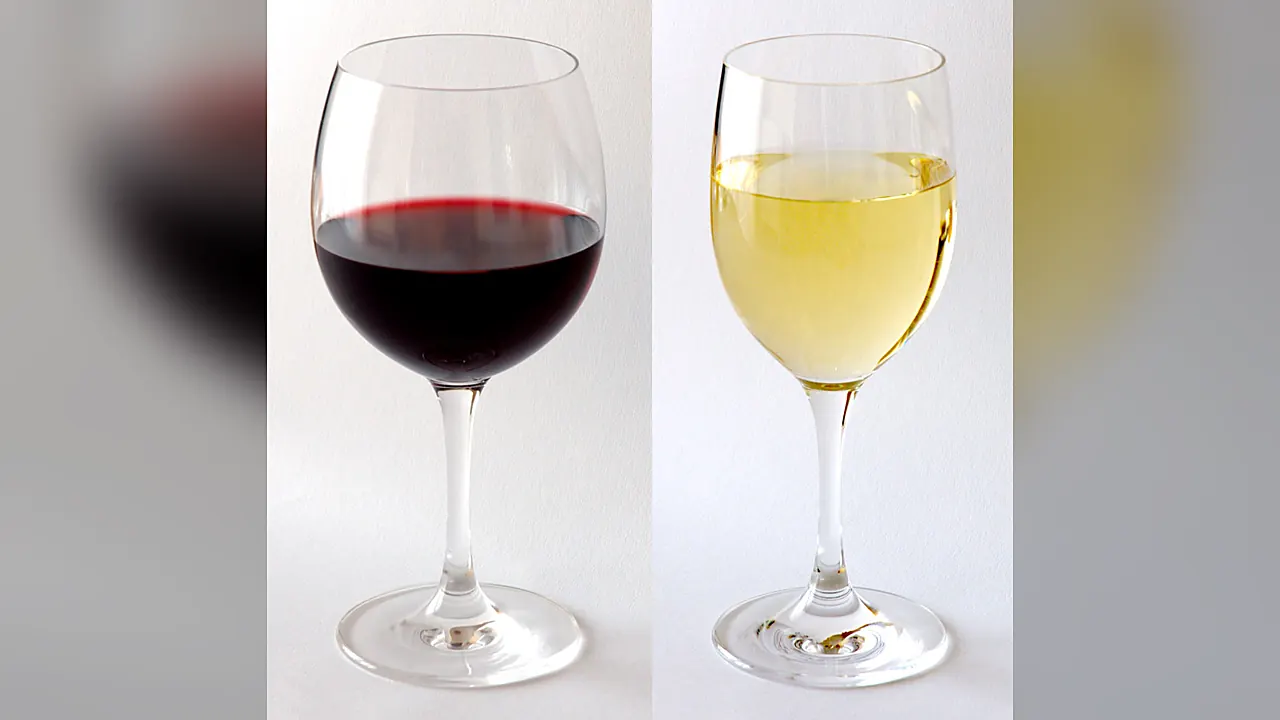
| Varieties | Red; White; Rosé; Orange; Sparkling; Dessert; Fortified |
The millennia-old origins: Where did wine come from?
The journey of wine, although today it is a product of sophisticated science and art, has roots that disappear into the dawn of human civilization. It is crucial to understand that wine was not an invention of a single individual; its discovery and development were a gradual, millennia-long process, driven by curiosity and cultural necessity. See also: Who created Pharaoh.
Early Evidence: From Georgia to Armenia
The oldest traces of winemaking point to the Caucasus, one of the planet’s most historically rich agricultural regions. The earliest known evidence of wine was found near Tbilisi, Georgia, dating back to approximately 6000 BC. This date establishes an extraordinary milestone for the beginning of consuming fermented grape beverages, a theme that also reveals fascinating stories in other technological areas, such as how the DXVK translator works.
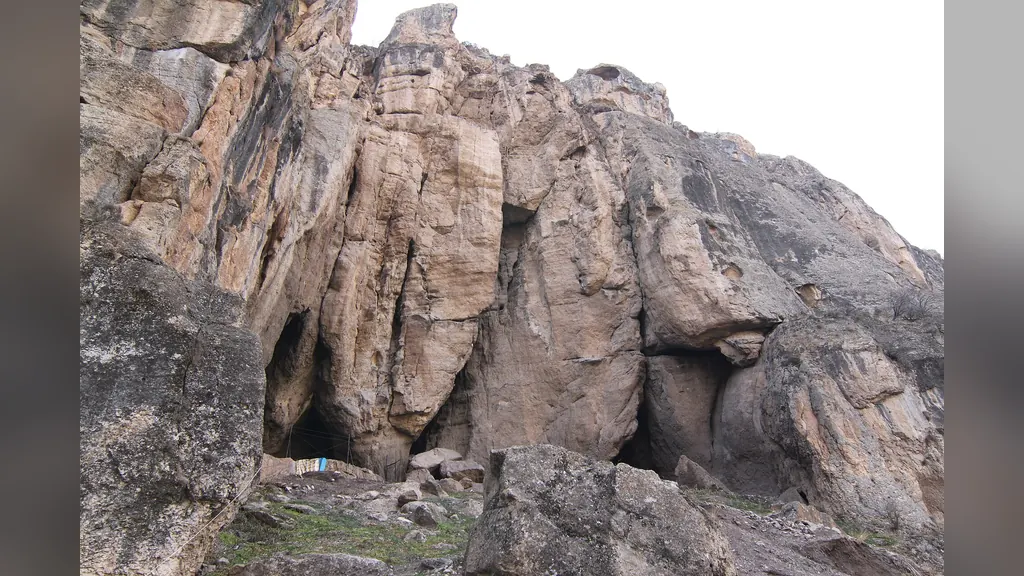
Shortly thereafter, winemaking culture was established in other regions. In an archaeological site of global importance, the Areni-1 site in Armenia revealed what is considered the oldest known winemaking complex, dating to about 4100 BC. These findings not only confirm the antiquity of the practice but also provide a material overview of how early civilizations managed grapes and the fermentation process.
Expansion Across the Mediterranean
From these origins in the Caucasus, knowledge of winemaking began to spread across the Mediterranean basin, a true corridor of cultural exchange. The dissemination of this culture was not accidental but rather the result of intense trade and interactions between great civilizations. The Phoenicians, around 1000 BC, played a fundamental role by exporting wines from Byblos, which were world-renowned for their quality.
Subsequently, the Greeks, starting around 600 BC, were responsible for elevating wine to a new cultural level. Production and knowledge expanded throughout Italy and even Southern Gaul. The Romans, in turn, raised the scale of production and trade, establishing vast distribution networks that ensured wine became a central element of the diet and social life throughout the empire.
Therefore, by tracing the origins, we are not just following the trajectory of a liquid, but the history of how man transformed a natural resource into a pillar of civilization, a process that spanned millennia and continents.
🕒 The Evolution of Wine: A Millennial Journey
- Approx. 6000 BC — First evidence of wine found in Tbilisi, Georgia, marking the beginning of consuming fermented grape beverages.
- Approx. 4100 BC — Areni-1 site, Armenia, reveals the oldest known winemaking complex, confirming the antiquity of the practice.
- Around 1000 BC — The Phoenicians play a crucial role by exporting wines from Byblos, gaining global recognition.
- Starting 600 BC — The Greeks expand winemaking knowledge, bringing wine to a new cultural level.
Cultural Dissemination and Role in Antiquity
Originating in the Caucasus, knowledge of viticulture did not remain isolated. It became a powerful engine for cultural exchange, spreading throughout the entire Ancient Mediterranean, which functioned as a true corridor of civilizational exchange. It is fascinating to note how technical knowledge spread, much like the history behind powerful search engines, such as understanding Elasticsearch: Who Created It? Understand the History. When the Greeks, in particular, elevated wine to a new cultural level starting around 600 BC, they were not just exporting a liquid, but a complex set of rituals, myths, and social practices that defined the human experience of consumption. Thus, wine quickly ceased to be merely a foodstuff and became established as a pillar of community life.
Wine and Classical Religion
The religious aspect of wine is perhaps the most striking in its dissemination. In Greece, the divinity associated with wine was Dionysus. He is attested around 1200 BC, and his mythological personality becomes more distinct in the 8th century BC. Dionysus was much more than a mere god; he represented the celebration of life, fertility, and ecstasy. In grape-producing regions, such as Greece and Asia Minor, festivals in his honor were held at specific times: in the autumn, when grapes were harvested, or in early spring, when wine was finally released. His figure was recurrent in classical art and literature, cementing wine as a sacred element.
This cult was absorbed and adapted by the Roman pantheon, where Dionysus gave rise to Bacchus. Although it is unclear when his cult became popular, the importance of Bacchus was so great that the Roman Senate even prohibited rituals in his honor through the decree Senatus consultum de Bacchanalibus, in 186 BC. In Rome, Bacchus was often depicted on sarcophagi as an “agent of release from earthly cares,” echoing the function of celebration and transcendence that the Greeks had already established.
The Social and Ritual Role
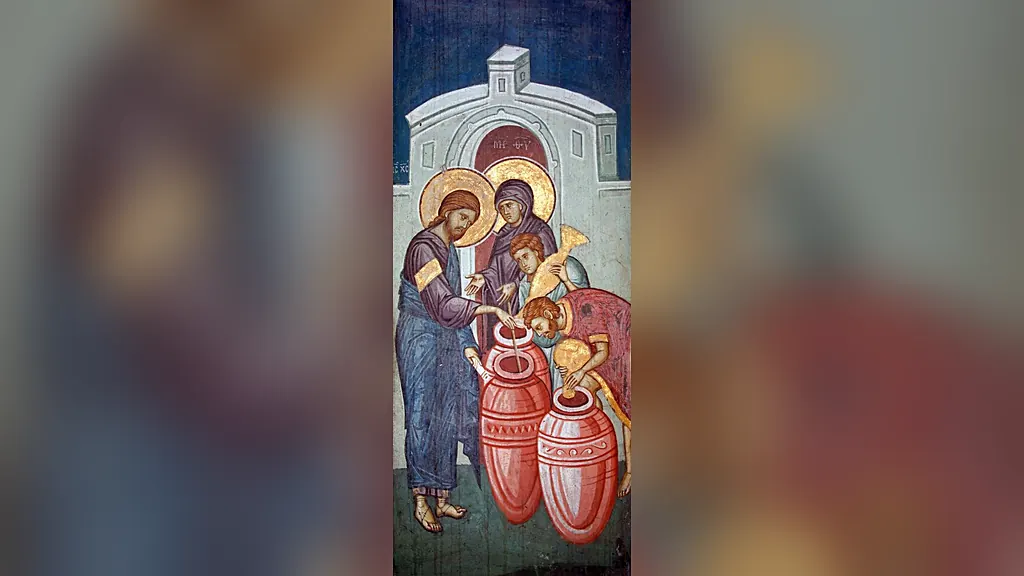
Beyond pagan temples and rituals, wine always held a central place in celebrations and daily life. Its ritual importance is palpable in biblical scenes, such as the Last Supper, the Wedding at Cana, and the parables. These events not only use wine but elevate it to a symbol of communion, sacrament, and redemption. Wine, therefore, was never just a gastronomic accompaniment; it was the catalyst for moments of profound cultural and spiritual significance.
This integration of wine into the cultural tapestry ensured that it was more than a consumable product. It became, in essence, a structuring element of human civilization, a liquid testament to how humanity knew how to transform a natural resource into a powerful vehicle for celebration, religion, and art.
📌 The Multifaceted Role of Wine in Ancient Civilization
- A Cultural Exchange Engine of the Ancient Mediterranean.
- A central element in daily rituals and celebrations.
- A symbol of communion, sacrament, and redemption in religious events.
- A representation of the celebration of life, fertility, and ecstasy (Dionysus/Bacchus).
From Field to Glass: The Science Behind Production
The transition from field to glass is a process that intricately combines botanical science and chemical alchemy. This journey is divided into two major phases: viticulture, which is the art and science of grape cultivation, and winemaking, which is the process of transforming the juice into wine. The protagonist of this journey is the grapevine, usually cultivated from the European species Vitis vinifera. This variety is responsible for the creation of world-renowned grapes, such as Chardonnay and Cabernet Sauvignon.
The Role of Terroir and Grapevine Management
The success of wine is intrinsically linked to the concept of terroir. This term does not refer only to the type of soil, but rather to a complex environment encompassing elevation, vineyard slope, soil chemistry, and, fundamentally, climatic and seasonal conditions. It is the synergy of these factors that determines the unique characteristics and quality of the resulting wine. For this reason, cultivation is a highly localized practice; for example, vineyards tend to thrive at latitudes between 30° and 50° relative to the equator. Although the impact of climate change is expanding productive areas, the world boasts notable vineyards, such as the Okanagan Valley in Canada, which reaches the 50° North parallel, and southern Argentina, in Sarmiento, near the 46° South parallel.
📘 Terroir
It is a concept that encompasses the complex environment of a location, including not only the type of soil, but also the elevation, slope, soil chemistry, and climatic and seasonal conditions. This synergy of factors determines the unique characteristics of the wine.
To ensure the health of the vines, grape growers employ advanced techniques. A notable example is the grafting procedure, where Vitis vinifera vines are often grafted onto rootstocks of North American species. This practice is crucial because it confers resistance to the grapevine moth phylloxera, a pest that has historically devastated plantations.
From Harvest to Glass
Harvesting is a moment of scientific precision. Producers constantly monitor the ideal balance between sugar content and acidity in the grapes. This balance will determine the alcoholic potential and structure of the final wine. After the harvest, winemaking begins, the fermentation process. It is at this stage that the grape juice transforms into ethyl alcohol and carbon dioxide, thanks to the natural action of yeasts.
Knowledge of winemaking has allowed for the development of various production methods, resulting in the vast range of wine types consumed today. Methods can range from producing white, red, rosé, and orange wines to creating more elaborate labels. Among these, fortified wines stand out, as they undergo the addition of alcohol at some point in the process, and sparkling wines, characterized by the presence of bubbles, which result from a controlled secondary fermentation. Each technique, from fermentation in specific tanks to the adjustment of sugar and acidity, is a reflection of applied science to capture the essence of the terroir.
Global Diversity: Varieties and Classifications
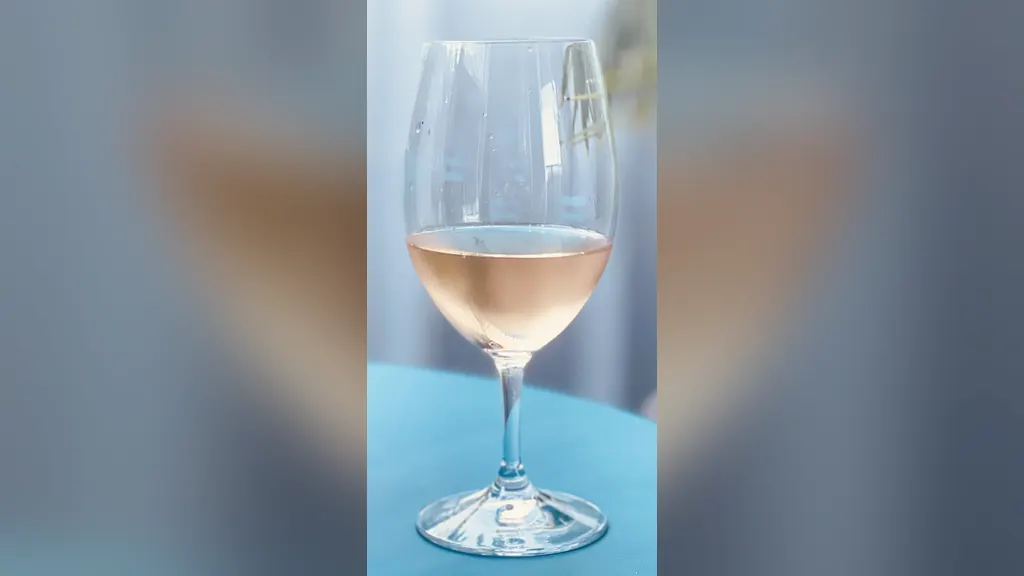
The experience of tasting wine is, first and foremost, a dive into an immense palette of colors, aromas, and flavors. The global diversity of wine is as vast as its history, encompassing styles that cater to every palate and occasion. In terms of color and body, we can categorize wines into distinct groups. There are red wines, which come from grapes with pigmented skins, and white wines, which come from grapes with lighter pulp. However, the palette expands to include rosé wines, which represent a balance between the two colors, sparkling wines, characterized by effervescence, and even fortified wines, which undergo additional alcohol or sugar processes. Beyond these basic colors, there is the orange variation, which reflects specific winemaking techniques that preserve unique characteristics of the grapes.
The Science Behind the Styles
From a technical standpoint, wine is typically classified as an alcoholic beverage, with an alcohol content that generally ranges between 12.5% and 14.5% by volume. This vast range of styles is a direct result of the interaction between the grape varietal used, the terroir, and, most importantly, the winemaking methods. It is this complexity that requires a rigorous classification system so that the consumer knows exactly what they are buying.
Classification Rules: Varietal, Blend, and Vintage
In many regions of the world, wine is not just a natural product; it is also a regulated one. Classification and sales rules are crucial to guaranteeing authenticity and origin. A fundamental concept is the distinction between a varietal wine and a blended wine. If a single type of grape is predominantly used, the wine can be marketed as varietal, highlighting its botanical origin. A blend wine, on the other hand, is a mixture of different grapes or types of wine. Another precision rule involves the indication of vintage. For a wine to declare a specific harvest year, it must prove that a significant percentage of the grapes actually came from the declared vintage.
This need to track origin and components leads to different global approaches. While in Europe, classification tends to be heavily based on large historical regions and specific place names, such as Bordeaux or Rioja, New World countries have developed equally rigorous systems. Notable examples include American Viticultural Areas (AVAs) and Australian Wine Geographical Indications (GI). Both systems seek to map wine quality not only by the grape but by the unique combination of climatic factors, soil, and human tradition that make an area particularly special, consolidating wine as a geographical and cultural reflection.
📊 Basic Wine Classifications
| Wine Type | Grape Origin | Main Characteristic |
|---|---|---|
| Red | Pigmented skin | Dark color |
| White | Lighter pulp | Light color |
| Rosé | Mixture | Balance of colors |
| Sparkling | Winemaking process | Effervescence |
| Fortified | Additional process | Addition of alcohol or sugar |
Wine on the Table and in Modern Culture
Wine, in its journey to the modern table, has transcended the role of mere sustenance to become a multifaceted component of culture and leisure. Its appreciation today involves a complex and pleasurable ritual: tasting. This process, known as wine tasting, is the sensory and evaluative examination of the beverage. The consumer does not just drink; they analyze in depth. First, the aspect is observed: the color can indicate the age, as red wines tend to lighten and white wines to darken, although the influence of the grapes is noticeable. By swirling the glass, so-called “legs” or “tears” (legs) may appear, which indicate a high alcohol or sugar content. The nose, or aroma, is what most informs the experience; tasters use a vast range of descriptors, comparing smells to various elements, from fruits like pineapple and asparagus to materials like leather. Finally, on the palate, the focus turns to the sensation in the mouth (mouthfeel), where acidity, sweetness, bitterness, and tannins are evaluated, in addition to the persistence of flavors after swallowing, a crucial indicator of quality.
Wine as a Culinary Agent
The relationship between wine and gastronomy is ancient, but its contemporary use is highly refined. Wine is an essential ingredient in cooking, capable of serving not only as a flavoring but also in preparation processes and tenderizing meats. It is widely used in marinades, stocks, stews, and sauces. Classics like coq au vin and beef bourguignon demonstrate this historical integration. Wine also has a role in desserts, appearing in recipes such as zabaione and trifle. It is important to note the chemical behavior of the liquid when heated: ethanol evaporates at 78 °C, making acidity and sugars more prominent. Although the quality of cooking wine is a debated topic, experience shows that the flavor compounds of a fine wine do not survive intense heating, requiring conscious and technical use.
This interconnection leads to the art of harmonization (pairing), which seeks to match the flavor profile of the wine with that of the food. The goal is for the components to complement each other, elevating the sensory experience of both parts. Beyond the dining table, wine has acquired a cultural value that elevates it to the level of a collectible object and investment. Knowledge of its origin, the terroir, and the rigor of its production make wine a regulated and traceable product in many regions. Thus, proper storage and tracking the history of each vintage are elements that give wine a value that transcends immediate consumption, transforming it into a piece of cultural, and sometimes financial, collection.
In summary, wine, an alcoholic beverage with an alcohol content generally ranging between 12.5% and 14.5% by volume, is much more than a simple fermented liquid from grape juice. It is a catalyst for experiences, a link between history, botanical science, and world haute cuisine, celebrated in rituals ranging from the meticulous analysis of a glass to the collection of a private cellar.
Glossary
- Terroir: The complex environment encompassing soil, climate, elevation, and slope, which determines the unique profile and quality of the wine.
- Viticulture: It is the art and science of grape cultivation, focusing on vineyard management and vine health.
- Winemaking: The process of transforming grape juice into wine, which occurs through the natural action of yeasts (fermentation).
- Varietal: A wine classified when a single type of grape is predominantly used in its composition.
- Blend: A wine that is the result of mixing different grapes or several types of wine.
- Phylloxera: A louse that historically devastated vineyards, requiring grafting techniques for resistance.
Frequently Asked Questions
What is the difference between wine and other types of fermented beverages, such as cider or beer?
The main distinction lies in the raw material. Wine is exclusively obtained from the fermentation of grape juice. While beer uses grains (malt) and cider uses apples, wine must have the grape as its central plant component, resulting from the process of transforming juice into ethyl alcohol.
What is ‘terroir’ and how does it influence the flavor of wine?
The *terroir* is a complex concept that goes beyond the soil. It encompasses the interaction of natural factors such as climate, elevation, slope, and soil chemistry. This unique synergy of environmental factors is what gives the wine an unmistakable flavor profile and characteristics, making it a geographical reflection.
How can I tell if a wine is good for pairing with different types of food?
For an ideal pairing, the wine should complement the dish by balancing flavors. Consider the wine’s intensity and acidity in relation to the meal’s complexity. Generally, lighter wines pair better with delicate dishes, while fuller-bodied wines accompany more robust flavors.
Is it possible to store wine for a long time? What are the ideal storage conditions?
Yes, it is possible, but storage requires stability. The ideal conditions are a cool, dark environment with a constant temperature, away from sudden variations. It is crucial that the wine is stored in a way that prevents excessive contact with oxygen, which prevents oxidation and preserves its profile.
What is the best wine for beginners who are starting to taste the beverage?
For beginners, it is recommended to look for wines with more direct and less complex flavor profiles. Rosés or light white wines are often excellent starting points because they offer a more accessible aroma palette. The most important thing is to experiment and identify what appeals most to your personal palate.
Conclusion
The journey of wine is much more than the history of a beverage; it is an ancient narrative of human civilization. Originating near the Caucasus, with the first known traces in Georgia around 6000 BC and in the Areni-1 complex in Armenia, about 4100 BC, the knowledge of viticulture did not remain isolated. It flourished and spread throughout the Mediterranean basin, driven by trade routes and the rich culture of peoples like the Phoenicians, Greeks, and Romans. Thus, wine quickly ceased to be a mere foodstuff to establish itself as a social, religious, and artistic pillar, a structuring element of community life.
This journey across continents and millennia is a complex dialogue between art and science. It is in the synergy of the concept of terroir—which encompasses soil, climate, and elevation—that the success of Vitis vinifera manifests. From viticulture, which is the management of the grapevine, comes winemaking, the chemical and artisanal process that transforms juice into wine. This process, which demands scientific precision in the harvest and a deep respect for the environment, transforms a natural resource into a powerful vehicle for celebration and transcendence, whether in a classic ritual or a sophisticated tasting glass.
Therefore, wine represents humanity’s ability to transform the everyday into myth and natural resources into art. Understanding its origins is understanding human history itself. The next time you enjoy a glass, reflect on the immense web of civilizations, discoveries, and traditions that have made this liquid such a profound symbol of the human experience.
Sources and References
- Wine (software) — Wikipedia
- Wine — Wikipedia (in English)
- Early Neolithic wine of Georgia in the South Caucasus