
Read this article in: Portuguese (Português) · Spanish (Español)
If you are looking for the complete specifications of the Intel B560, you are in the right place. The Intel B560 is a mid-range platform chipset designed to offer an excellent balance between advanced features and cost-effectiveness, making it ideal for building productivity and gaming computers that require robust performance without the cost of the most premium lines. Technically, it stands out for supporting the PCI Express 3.0 interface and offering versatile connectivity, including support for up to 12 SATA ports, up to 6 SATAe ports, and up to 4 PCIe M.2 slots, ensuring your machine is ready for the latest components on the market.
The relevance of the B560 in the current hardware landscape is confirmed by its ability to integrate cutting-edge technologies, such as support for Optane memory and high-speed interconnection architecture. Understanding this chipset requires knowledge of the platform’s history, which has evolved drastically since the first architectures, undergoing major generational leaps. For example, the B560 is a direct successor in terms of functionality and market positioning compared to chips like the B460 and is often compared to the more robust Z590, allowing the user to make informed choices regarding upgrading their workstation or gaming PC.
In this article, we unveil every technical detail of the B560. We will start with an overview of its positioning and launch, dive into the architecture and memory support, and detail the technical specifications of ports and slots. Furthermore, we will address the practical performance of the chipset in gaming and productivity scenarios, and finally, we will conduct an in-depth comparison with its competitors, helping you determine if the Intel B560 is, in fact, the perfect platform for your needs today.
Key Points
- The B560 is a mainstream chipset, balancing advanced features and cost-effectiveness, ideal for performance upgrades.
- It is optimized for the LGA 1200 platform, supporting Comet Lake and Rocket Lake processors.
- It offers up to 12 PCIe 3.0 lanes, ensuring high bandwidth for high-consumption peripherals.
- Connectivity is robust, supporting up to 6 SATA ports, 4 SATAe ports, and 2 M.2 slots.
- It features professional capabilities such as ECC and Optane memory support, in addition to multiple USB standard ports.
Overview of the Intel B560: Positioning and Launch
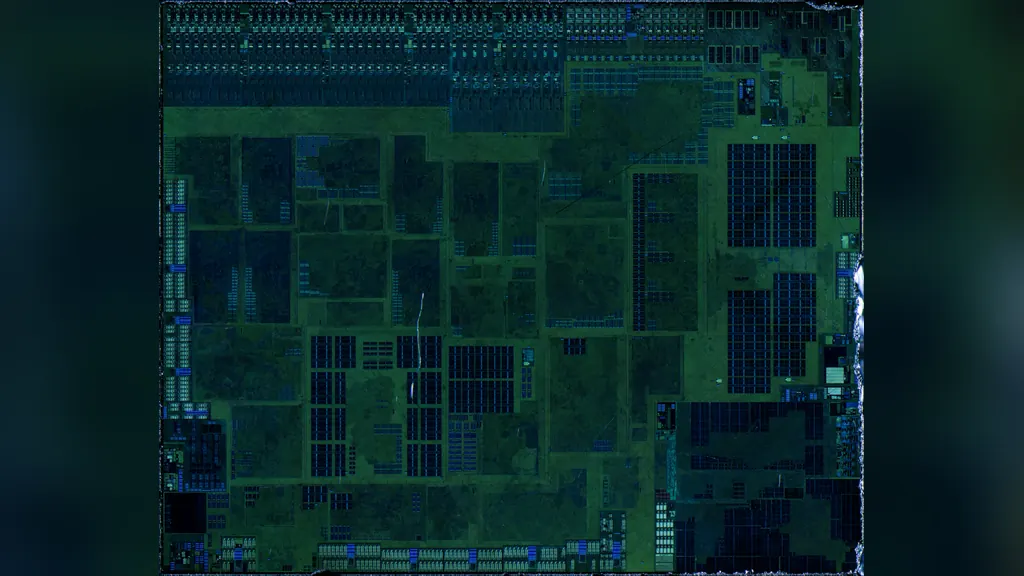
The Intel B560 established itself in the processor market as a mainstream-level chipset, meaning it represents the ideal balance between advanced features and cost-effectiveness. It was meticulously designed for users seeking a significant performance boost in their machines, without the need to invest in cutting-edge features and, consequently, more expensive and complex platforms, such as the Z series chipsets. Understanding the evolution of processing power is crucial, and this trajectory can be tracked through a historical performance analysis. The central proposal of the B560 is to offer a robust set of functionalities that meet the demands of users who want a performance upgrade without paying for resources they may not use in their daily lives, making it an extremely smart choice for the modern consumer.
Support and LGA 1200 Platform
The B560 is intrinsically linked to the LGA 1200 platform architecture, a socket designed specifically for Comet Lake and Rocket Lake desktop processors. Although it is an evolution of its predecessors, the LGA 1200 features a total number of pins suggested by its name. It represents a modification of the LGA 1151, incorporating 49 additional pins that were crucial for improving power delivery and supporting future I/O upgrades. It is important to note that the platform support is detailed: when installing a Comet Lake processor, the connection to the CPU will be reduced to DMI 3.0 ×4. With Rocket Lake processors, however, support for DMI 3.0 ×8 is available.
In terms of compatibility, the B560 is a high-capacity chipset. It demonstrates support for Optane memory, with a capacity of up to 4, and supports ECC (Error-Correcting Code) memory up to 2. Technically, manufacturers may find the B560 under the product code FH82B560, with the internal code SRKM5(B1). The motherboard uses a 6-bit bus interface and can support up to 12 PCIe 3.0 lanes.
Connectivity and Technical Specifications
The B560’s connectivity is a notable advantage. Users benefit from various storage and communication options. It offers support for 6 Gbit/s SATAe ports and includes a PCIe M.2 slot that supports version 2.0. In terms of wireless communication, the chipset is compatible with the Wireless MAC v3.2 standard. The data specifications confirm support for different link speeds, such as Up to 12, and a robust set of USB ports that can operate in different standards (Gen 1×1, Gen 2×1, and Gen 2×2). This combination of features ensures that the user has modern and fast connectivity for all their peripherals.
In summary, the B560 is the choice for those seeking the perfect balance: the reliability and performance of the PCIe 3.0 standard, the flexibility to support high-performance memory, and the features of a modern platform—all in a package that doesn’t require the financial outlay associated with top-tier chipsets, establishing it as the ideal partner for a smart and efficient performance upgrade.
Architecture and Memory Support: What to Expect
The Intel B560 architecture is built on the robust foundation of the LGA 1200 socket, a design optimized for Comet Lake and Rocket Lake desktop processors. Although the B560 is a mainstream chipset, it incorporates engineering advancements that ensure superior power delivery and more sophisticated I/O (Input/Output) support compared to previous generations. The LGA 1200 socket, being a modification of the LGA 1151, features 49 additional pins implemented specifically to improve power delivery and enable future expansions of communication features, such as seen in the DMI 3.0 connection. For a complete overview of the evolution of these components, it is essential to consult a definitive motherboard and benchmark guide.
Memory Support and Data Flow
Regarding memory support, the B560 was designed to operate with a high-performance standard, optimized for the high-speed data flow that the chipset supports. To extract maximum system performance, it is crucial that the user is aware of the role of memory profiles, such as XMP (Extreme Memory Profile). This profile allows the RAM to operate at the highest frequencies it was designed for, ensuring that the system’s processing potential is not limited by the communication standard. In terms of communication capacity, the B560 is a notable differentiator because it guarantees the reliability and performance of the PCIe 3.0 standard.
PCIe 3.0 is the engine behind fast communication between the CPU and high-demand peripherals. The B560 chipset, in particular, features robust support for 12 PCIe 3.0 lanes. This standard guarantees an extremely fast and efficient data flow, which is vital for those who use the computer in heavy productivity scenarios or in games that require low latency. This advanced bandwidth capability optimizes everything from graphics card performance to data transfer speeds on storage devices.
Connectivity and High-Capacity Features
In addition to memory and the PCIe bus, the B560’s connectivity is a standout feature in terms of capacity. It not only supports multiple SATA slots (up to 6) and SATAe slots (up to 4), but also offers support for up to 2 M.2 slots, allowing for the installation of various ultra-fast storage devices. The chipset also incorporates advanced data and stability features, such as support for ECC memory (Error-Correcting Code) and compatibility with Optane memory. This combination of features positions the B560 as a high-capacity chipset, capable of meeting needs ranging from home use to enthusiasts who demand maximum stability and data speed.
Detailed Technical Specifications of the Chipset
| Chipset | B560 |
|---|---|
| Code Name | SRKM5(B1) |
| sSpec Number | FH82B560 |
| Part Numbers | 12 PCIe 3.0 |
| Release Date | Yes |
| Bus Interface | 6 |
| Link Speed | Up to 12 |
| PCIe Lanes | Up to 6 |
| Optane Support | Up to 4 |
| ECC Memory | Up to 2 |
| M.2 PCIe Slots | Up to 2 |
| 6 Gbit/s | 6 Gbit/s |
| v2.0 Version | v2.0 |
| v3.2 Version | v3.2 |
The technical specifications section is the heart of any chipset analysis, and the Intel B560 is no exception. It was designed to deliver a remarkable balance between consumer capabilities and professional features, ensuring that even at a mainstream level, the user has access to cutting-edge technologies. To understand the true potential of this platform and compare it with other high-performance options, such as those found in the Q670 chipset specifications, it is crucial to unravel the details of its connectivity and communication protocols.
Connectivity and Data Speed
The most evident technical differentiator of the B560 lies in its high-speed interconnection capability. The architecture supports up to 12 PCI Express bus lanes, operating on the PCIe 3.0 standard, specifically version 3.2. This number of lanes is fundamental because it determines the available bandwidth for connecting high-consumption peripherals, such as graphics cards and latest-generation NVMe SSDs. The use of PCIe 3.0 ensures that communication between the CPU and external devices is extremely fast and stable, powering performance in heavy productivity scenarios.
Regarding high-speed storage, the B560 chipset offers support for up to 2 M.2 slots. These slots are designed to connect SSDs directly and with extremely high performance, leveraging the optimized data flow of the bus. In terms of interface, the B560 operates with a 6 Gbit/s bus interface, sustaining the data demand required by these top-tier components.
Features for Professional Use and Secondary Storage
Beyond raw speed, the B560 incorporates vital features for professionals and workstations. A highlight is its support for ECC (Error-Correcting Code) memory, which can be configured for up to 4 channels. ECC memory is an essential feature in corporate environments and workstations because it detects and corrects data errors in real time, ensuring the integrity and reliability of calculations in critical tasks, such as data analysis or 3D rendering.
For supplementary storage, the chipset maintains robust connectivity. It offers support for up to 2 SATA ports and up to 2 SATAe (SATA Express) ports, allowing the connection of various traditional storage drives. The combination of multiple M.2 slots, SATA ports, and ECC memory support positions the B560 as a versatile chipset, capable of serving everyone from the gaming enthusiast to the professional who demands stability and high data throughput.
Performance and Features: Gaming, Productivity, and Efficiency
Performance and Features: Gaming, Productivity, and Efficiency
Performance in Gaming and Professional Tasks
When analyzing the practical performance of the Intel B560, it is crucial to understand that its market positioning makes it an extremely efficient piece of equipment for most users. In gaming scenarios, the chipset offers robust performance, making it particularly suitable for those using mid-range processors. It ensures the necessary stability to run demanding titles without basic resource bottlenecks, leveraging the fast communication engine provided by the 12 PCIe 3.0 channels. For professional use, such as video editing and 3D model rendering, the B560 focuses on expansion capability and data connectivity.
The B560 is designed with vital features for workstations. In terms of storage, it supports up to 2 M.2 slots, ensuring the installation of high-speed drives. Furthermore, data connectivity is reinforced by support for up to 6 SATA ports and a wide variety of USB ports, meeting the demand of multiple peripherals. This combination of features allows the system to maintain a continuous and efficient data workflow.
Architecture and Optimization for Data Flow
The B560 chipset architecture was built on the foundation of the LGA 1200 socket, optimized for Comet Lake and Rocket Lake processors. It is important to note that while it does not allow CPU overclocking—a feature reserved for more advanced chipsets, such as those in the Z series—it compensates for this limitation with stability and excellence in essential features. This stability is crucial for productive workloads that require consistent performance.
Technically, communication between the processor and peripherals is managed by various interfaces. The LGA 1200 Platform, which the B560 uses, may show variations in data communication, such as DMI 3.0 ×4 when a Comet Lake processor is installed, and DMI 3.0 ×8 when using a Rocket Lake processor. These technical details ensure that the chipset maintains high-speed communication, with PCIe 3.0 being the main engine behind the rapid exchange of information with high-demand peripherals.
In summary, the B560 perfectly balances the need for a powerful system with ideal value for money. It provides high-speed interconnection capability, support for multiple PCIe 3.0 channels, and robust connectivity, establishing it as a reliable choice for those seeking consistent performance in gaming and productivity without the complexity or cost of a higher-tier chipset.
Comparison with Competitors: B560 vs. B460 and Z590
Choosing the ideal chipset is often a balancing act between raw performance, premium features, and cost-effectiveness. When analyzing the Intel B560, it is impossible not to compare it to its neighbors in the Intel ecosystem: the B460, its more direct predecessor, and the Z590, the flagship chipset. This comparison does not only serve to differentiate models but also to help the reader understand exactly where the B560 is positioned, offering a robust set of features without requiring the maximum investment demanded by overclocking enthusiasts.
B560 vs. B460: A Leap in Capability
Historically, the B460 represented an excellent entry point into the LGA 1200 platform, supporting processors like Comet Lake and Rocket Lake. However, when comparing the B560 to the B460, a significant technical advance is noticeable. Although both belong to the same socket family, the B560 was designed to deliver superior resource support and interconnection capacity. In practical terms, this improvement translates into a more versatile chipset, capable of better managing data flow and offering more comprehensive support for high-demand peripherals, which is essential for those building a modern workstation.
The Overclocking Dilemma: B560 versus Z590
The clearest contrast is with the high-performance chipset, the Z590. The Z590 is the destination for enthusiasts looking to extract maximum power from their processors, as it offers full support for CPU overclocking. This is where the B560 makes its calculated sacrifice. To keep the cost accessible and the focus on efficient use, the B560 does not support CPU overclocking. This limitation is the main factor that separates it from the Z590, but it is precisely this restriction that defines its market niche: high-performance systems focused on stability and features, rather than extreme frequency peaks.
In summary, the B560 is the perfect balance. It raises the capability level of its predecessor, the B460, offering a set of features that guarantee support for a modern system with stability and high data transfer rates, such as support for multiple PCIe 3.0 lanes. While it foregoes the overclocking capability present in the Z590, it ensures that the user does not have to pay a unnecessary premium for a feature that, for most users—including professionals and gamers—is not essential. The B560 is, therefore, the smart choice for those seeking a powerful and reliable system without compromising the budget.
Who the Intel B560 is recommended for today
The Intel B560 is not just another chipset; it is a strategic balance point in the computing platform market. If you are building a PC from scratch or planning a platform upgrade, understanding who it is best suited for can save time and, more importantly, money. Its architecture was designed to meet a specific user profile: one that demands modern performance and stability without having to pay for the maximum potential and complexity of a high-end chipset.
Who is the B560’s ideal partner?
The B560 shines in three very distinct purchasing scenarios, but they share a common denominator: a focus on optimized cost-benefit. It is the chipset that allows the technology enthusiast to access advanced features without investing in functionalities they will not use.
1. The Mid-Range Gamer: If your goal is to build a robust gaming PC, capable of running modern titles at intermediate settings, the B560 is an unbeatable choice. It offers the necessary infrastructure for the processor and graphics card to work in synergy, taking advantage of stable connection and support for the PCIe 3.0 standard. You will have the foundation for a fast system, without the need to pay for overclocking features that, in most cases, will not be used in a traditional gaming setup.
2. The Demanding User Who Prioritizes Stability: This profile includes professionals who use the computer for productivity tasks, content editing, or streaming, but who are not overclocking enthusiasts. The B560 ensures that the system is modern and highly stable. It offers a reliable workflow, supporting high-speed data processing, which is crucial for maintaining fluidity during heavy multitasking, without the complexity or energy consumption of more advanced platforms.
3. The Smart Upgrade: If you are upgrading your platform and are unsure between older options and premium models, the B560 finds the perfect balance. It represents a significant leap in features and performance compared to previous chipsets, like the B460, while maintaining a much more accessible cost than the high-performance Z590 chipset. It is the ideal bridge for those seeking the best balance between features and investment.
Detailing the Fit in the LGA 1200 Ecosystem
Technically, the B560 is optimized for the LGA 1200 socket, designed for Comet Lake and Rocket Lake processors. This foundation ensures that you are building a modern and capable system. In terms of connectivity, the chipset supports up to 12 PCIe 3.0 lanes, which is crucial for ensuring that high-demand peripherals, such as graphics cards and NVMe SSDs, communicate with the CPU quickly and reliably. In summary, the B560 is the perfect balance: it delivers the power and stability of an advanced system, but with the intelligence of an optimized price.
Frequently Asked Questions
Does the Intel B560 allow CPU overclocking?
No. The text states that the B560 does not allow CPU overclocking, a feature reserved for more advanced chipsets, such as the Z series. It focuses on stability and essential features.
What is the main difference between the B560 and the B460?
The provided content mentions that the B460 is the direct predecessor to the B560, but it does not detail the technical or feature differences between the two chipsets. The focus is on the specific capabilities of the B560.
Is the B560 compatible with DDR5 RAM?
The text does not specify compatibility with the DDR5 standard. The information presented focuses on the LGA 1200 architecture and support for ECC and Optane memory, without mentioning DDR5 type.
What are the best processors to use with the B560 chipset?
The B560 is intrinsically linked to the LGA 1200 platform architecture, which was specifically designed for Comet Lake and Rocket Lake desktop processors. These are the recommended processors for this platform.
What does PCIe 3.0 support mean, and why is it important for my PC?
PCIe 3.0 is the standard that guarantees extremely fast and efficient data flow between the CPU and high-demand peripherals. It is vital for those who use their PC for heavy productivity or gaming, as it optimizes communication with graphics cards and NVMe SSDs.
Conclusion
The Intel B560 truly solidifies itself as an extremely intelligent chipset for the modern consumer. Its value proposition lies in the perfect balance between advanced features and unbeatable cost-effectiveness. By relying on the robust LGA 1200 platform, the B560 delivers a set of mainstream-level functionalities that meet the demands of productivity and gaming with excellence, without forcing investment in excessively complex or expensive platforms, such as the Z series.
Technically, the chipset is a high-capacity engine, boasting support for up to 12 PCIe 3.0 lanes and versatile connectivity that includes multiple SATAe slots and up to two M.2 slots for ultra-high-speed storage. The inclusion of advanced features like ECC memory and Optane compatibility reinforces its position as a stable and future-ready platform. It is this combination of performance proven by the PCIe 3.0 standard, along with the flexibility of its data ports, that makes it an ideal partner for those seeking a significant performance leap.
Understanding the B560 means realizing that top-tier performance doesn’t have to be synonymous with high cost. With all this detailed information, you are equipped to make an informed upgrade decision, ensuring your next machine has the performance foundation it deserves.