
Read this article in: Portuguese (Português) · Spanish (Español)
The Intel Core i5-12400 is a processor with excellent cost-benefit, designed to offer robust performance in productivity and entertainment tasks without requiring excessive energy consumption. It belongs to the Alder Lake architecture and stands out for its hybrid design, combining performance cores (P-cores) and efficiency cores (E-cores). With 6 cores and 12 threads, it is ideal for users looking for a machine powerful enough for heavy multitasking, from photo editing to 4K streaming, without compromising stability or energy efficiency.
The importance of the i5-12400 is not limited just to its specifications; it represents a significant leap in efficiency and processing power compared to previous generations. Intel’s evolution, which has seen architectures like those listed in older models, has established the i5-12400 as a market equilibrium point. This processor confirms the market trend of offering high performance in an intermediate segment, making it a component that has revitalized interest in more powerful and efficient PC builds while maintaining compatibility with modern RAM and motherboard standards.
In this complete guide, we will detail every aspect of the Core i5-12400. We will start with an in-depth analysis of its hybrid architecture and manufacturing process. Next, we will dive into the technical specifications, covering core count, frequencies, and memory support. We will also address performance in real-world scenarios—from gaming to productivity workflows—and finally, guide you on compatibility, what is needed for an upgrade, and who exactly this processor is ideal for in today’s technological landscape.
Key Points
- It is a mid-range reference processor, launched in the 12th Generation (Alder Lake).
- It adopts a hybrid architecture, combining P-Cores (high performance) and E-Cores (efficiency).
- It has 6 cores and 12 threads, ensuring a robust balance between power and consumption.
- It supports the LGA 1700 socket and DDR4 RAM, optimizing data communication.
- It incorporates support for PCIe 4.0, doubling the bandwidth for SSDs and graphics cards.
Overview of the Intel Core i5-12400: Positioning and Launch
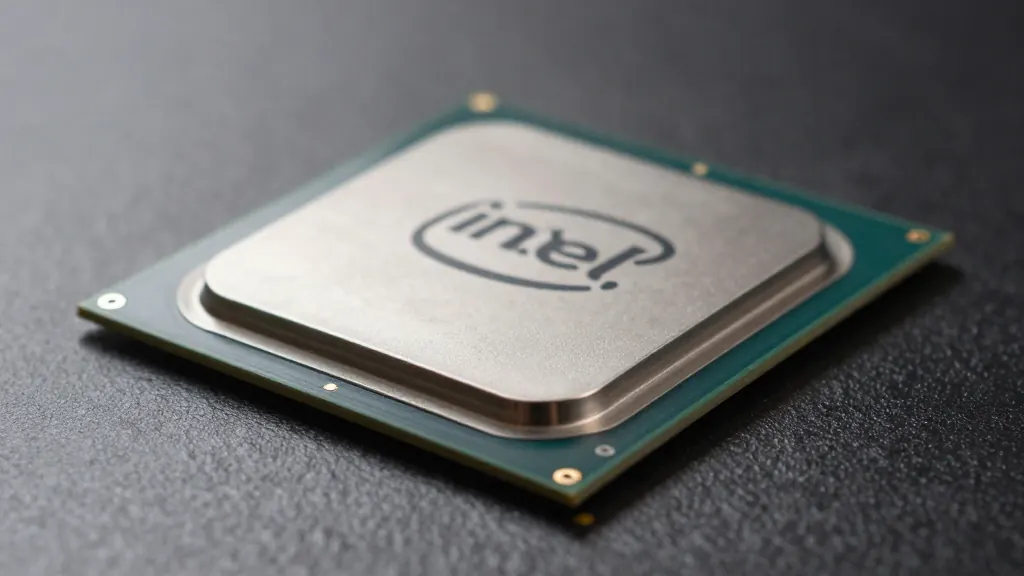
The Intel Core i5-12400 has established itself in the personal computing market as a reference processor for the mid-range category. Launched during the 12th Generation era, codenamed Alder Lake, it represents a significant architectural leap for consumers seeking a perfect balance between processing power and energy efficiency. Unlike processors from previous generations, the i5-12400 not only increased raw performance but also redefined the standard for power consumption in desktop machines, making it an ideal engine for a vast range of applications, from intensive professional work to high-level entertainment. If you need to compare more robust performance models, it is worth checking the specifications of the Core i7-11700F.
The Architectural Leap of the 12th Generation
The i5-12400’s positioning is defined by its launch platform: the LGA 1700 socket. This socket is crucial because it supports the hybrid architecture and optimized instruction set of the 12th Generation. Technologically, the performance jump is notable when compared to previous generations. The historical evolution of processors, such as the transition from older architectures, shows a growing focus on energy and performance optimizations. For example, in processors from past eras, the optimization of *steppings* (such as the M0 and G0 versions) aimed to reduce idle power consumption, dropping from 12W to 8W. The i5-12400 takes this optimization principle to a much higher level, delivering processing power that drastically surpasses the limits set by architectures from decades ago, such as those of 65 nm or 45 nm.
📘 LGA 1700
The LGA 1700 is the crucial socket for the i5-12400 because it supports the hybrid architecture and optimized instruction set of the 12th Generation. This socket is fundamental for the processor to deliver the architectural leap and modern performance.
This modernization is not merely cosmetic; it is functional. It allows the processor to execute complex tasks—such as heavy multitasking and rendering—while maintaining a controlled thermal and electrical profile. For users in Brazil, this translates into robust equipment that does not require excessive energy consumption, yet simultaneously offers mid-to-high level performance, substantially increasing the cost-benefit ratio of the assembled machine.
Positioning in the Brazilian Market
The Core i5-12400 established itself as an ideal balance point. It is powerful enough to run modern games smoothly and support productivity software that requires constant processing. However, it does not require investment in enthusiast-level motherboards or cooling systems, making it accessible. It thus represents the pillar of a modern and efficient PC, capable of serving everyone from students to professionals who use the computer as their primary work tool. It is proof that high performance and energy efficiency can go hand in hand.
Hybrid Architecture and Manufacturing Process
Hybrid Architecture and Manufacturing Leap
The biggest differentiator of the Intel Core i5-12400, and what marks the transition to the 12th Generation, is the adoption of a hybrid architecture. Instead of relying on a single type of core for all tasks, Intel implemented a specialized combination of two types of processors: Performance Cores (P-Cores) and Efficient Cores (E-Cores). This model is not just an increase in the number of cores, but a redefinition of how processing is done, optimizing performance and energy consumption simultaneously. To understand how far this technology has advanced, it is recommended to check the specifications of the Core i9-13900.
P-Cores are high-performance cores, designed to execute tasks requiring peak speed and intensive processing, such as video rendering or heavy gaming. On the other hand, E-Cores are energy efficiency cores. Their function is to handle background tasks, such as keeping the operating system running, processing notifications, or running light productivity applications. This specialization allows the i5-12400 to distribute the workload intelligently: the E-Cores manage constant energy consumption, freeing up the P-Cores for maximum performance when needed.
In terms of specifications, it is important to note that although the architecture is hybrid, the Core i5-12400 maintains a fixed and predictable number of resources: it has 6 cores and 12 threads. This combination ensures that, even with architectural complexity, the user has a robust balance between raw capacity and operational efficiency.
The Role of the Manufacturing Process
This performance and energy efficiency optimization is only possible thanks to the advanced manufacturing process. The i5-12400 was built using Intel 7 technology, also known as 10nm Enhanced SuperFin. This advanced *node* process does not refer only to a physical size reduction, but to a significant leap in density and efficiency. By utilizing Intel 7, engineers were able to package the two types of cores (P and E) more compactly and efficiently on the same *die*. The direct result is a processor that delivers top-tier performance in multitasking, without generating unnecessary energy consumption, solidifying the i5-12400 as a highly balanced equipment for both home and professional users.
Detailed Technical Specifications: Cores, Clocks, and Memory
Detailed Technical Specifications: Cores, Clocks, and Memory
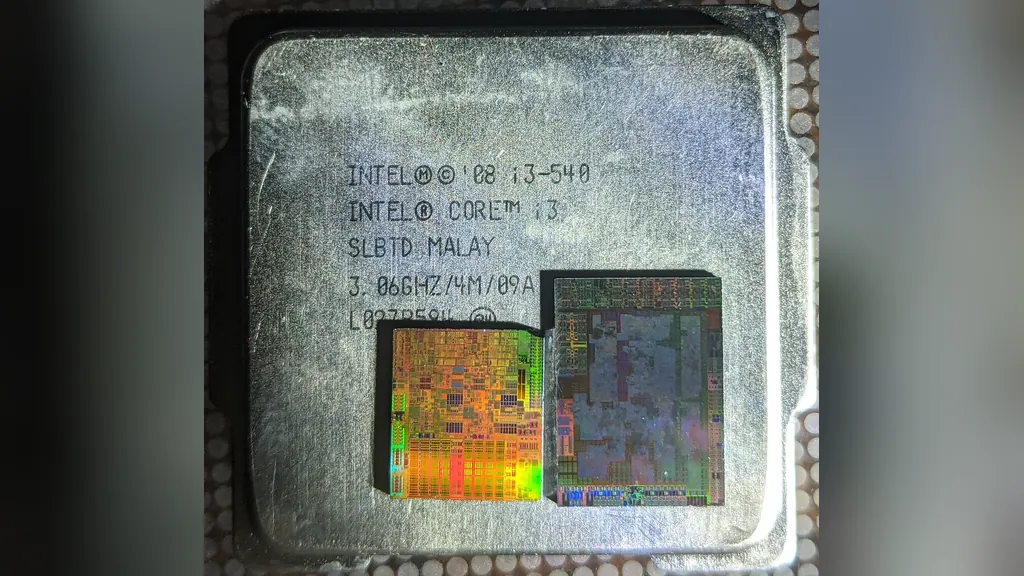
Delving into the specifications of the Core i5-12400 means diving into an architecture that redefines the balance between processing power and energy efficiency. The processor adopts a hybrid architecture, combining high-performance cores (P-Cores) and efficiency cores (E-Cores). In this specific model, the i5-12400 features a robust configuration of 6 cores and 12 threads, ensuring multitasking and intensive processing capacity. The P-Cores are responsible for tasks that require maximum speed, while the E-Cores handle background operations, optimizing energy consumption.
Performance and Energy Consumption
In terms of clock speed, the processor operates with a base clock that establishes the minimum operating speed, but its true potential is revealed by the maximum boost clock. This combination allows the i5-12400 to deliver significant performance peaks when needed. The L3 cache capacity is a critical factor that directly influences data access speed, which is fundamental to ensuring that the cores have information instantly, optimizing fluidity in games and editing software. Regarding energy consumption, the Thermal Design Power (TDP) is a crucial parameter, defining the maximum amount of heat the system must dissipate. This efficient thermal management is what allows the i5-12400 to maintain excellent performance without requiring excessive cooling systems.
Memory and Data Expansion
One of the biggest performance jumps in any modern system is the communication capability between components. The Core i5-12400 was designed to support DDR4 RAM. Choosing the ideal memory frequency is vital, because the faster the processor can access data, the smoother the overall experience will be. Furthermore, the processor incorporates support for the PCIe 4.0 interface. This is a highly important improvement because it doubles the bandwidth compared to previous generations. For the user, this means that graphics cards and NVMe SSDs can operate at drastically superior speeds, maximizing the potential of any high-end peripheral you connect to the system.
In summary, the set of specifications—the strategic combination of P-Cores and E-Cores, support for high-frequency DDR4, L3 cache optimized latency, and the vast data bandwidth provided by PCIe 4.0—establishes the i5-12400 as a highly balanced component, capable of meeting the most demanding productivity and entertainment needs of the current market.
📊 Quick Guide: Understanding the Core i5-12400 Specifications
| Technical Feature | What Is It? | What is the User Benefit? |
|---|---|---|
| Hybrid Architecture (P-Cores and E-Cores) | A combination of high-performance cores (P-Cores) and efficiency cores (E-Cores). | Ensures a robust balance between processing power and energy efficiency. |
| L3 Cache | Memory that directly influences data access speed. | Optimizes fluidity in gaming and editing software, ensuring instant access to information. |
| TDP (Thermal Design Power) | Parameter that defines the maximum amount of heat the system must dissipate. | Allows the processor to maintain excellent performance without requiring excessive cooling systems. |
| DDR4 Support | Type of RAM memory the processor supports. | Choosing the ideal frequency is vital to ensuring overall system experience smoothness. |
| PCIe 4.0 | High-bandwidth data interface. | Doubles the bandwidth compared to previous generations, maximizing the potential of NVMe SSDs and graphics cards. |
Real-World Performance: Gaming, Productivity, and Efficiency
Real-World Performance: Gaming, Productivity, and Efficiency
A processor’s true power is not measured only by its specification sheet, but by how it performs under different workloads. The Intel Core i5-12400 was designed to be an exceptional point of balance, delivering top-tier performance in demanding tasks without compromising energy efficiency. For the user seeking versatility, understanding how the hybrid architecture manifests in real-world scenarios is crucial for optimizing the user experience, whether it’s in a high frame rate game or a complex video editing workflow. If you want a deep dive into the technical details, check out the performance analysis and complete specifications for the i5-12400F.
Performance in Gaming and Peak Tasks
In gaming scenarios, the performance bottleneck is usually determined by single-core processing capacity and response speed. This is where the P-Cores (Performance Cores) of the i5-12400 shine. These cores are optimized to deliver speed peaks and intense processing, ensuring that the frame rate (FPS) remains high and stable, even in graphically demanding titles. Gaming performance depends directly on quick response capability and high clock speeds, factors that allow the processor to deliver a fluid and responsive experience. It is important to note that the advancement in standards, such as the jump from older interfaces, like those supporting DDR3-1600 or PCIe 2.0, to the modern interfaces of the i5-12400, is what enables this frame rate optimization today.
Productivity and Multitasking with Efficiency Cores
When the focus shifts to productivity, such as video editing, 3D rendering, or virtual machines, the scenario is different. In these cases, the ability to process multiple tasks in parallel becomes the determining factor. This is where the E-Cores (Efficiency Cores) play a key role. They are designed to execute background tasks and heavy, parallel workloads efficiently, managing power consumption while keeping the system responsive. This combination of P-Cores for pure speed and E-Cores for background multitasking ensures that the processor not only runs the software but does so with extremely intelligent power management. Compared to past architectures, such as 32 nm or 22 nm processors, the current focus is on optimizing the balance between power and consumption, keeping the system agile.
In terms of power consumption and heat dissipation, the i5-12400 is remarkably efficient. Its architecture allows for robust performance without requiring excessive energy consumption, meaning it adapts well to more basic or intermediate cooling solutions. This consumption profile makes the processor ideal for builds that aim to maximize performance without overloading the cooling system, a factor that was a much more critical consideration in previous generations of desktop CPUs.
📌 Understanding Hybrid Architecture: P-Cores and E-Cores
- P-Cores (Performance Cores): Optimized for speed peaks and intense processing, ensuring high frame rates (FPS) in games.
- E-Cores (Efficiency Cores): Designed to execute background tasks and heavy, parallel workloads, such as 3D rendering.
- Gaming Performance: Depends on the quick response and high clock speed of the P-Cores, maintaining fluidity in demanding titles.
- Productivity and Multitasking: Utilizes the ability to process multiple tasks in parallel, which is the focus of the E-Cores.
Compatibility and Upgrade: Motherboard and RAM
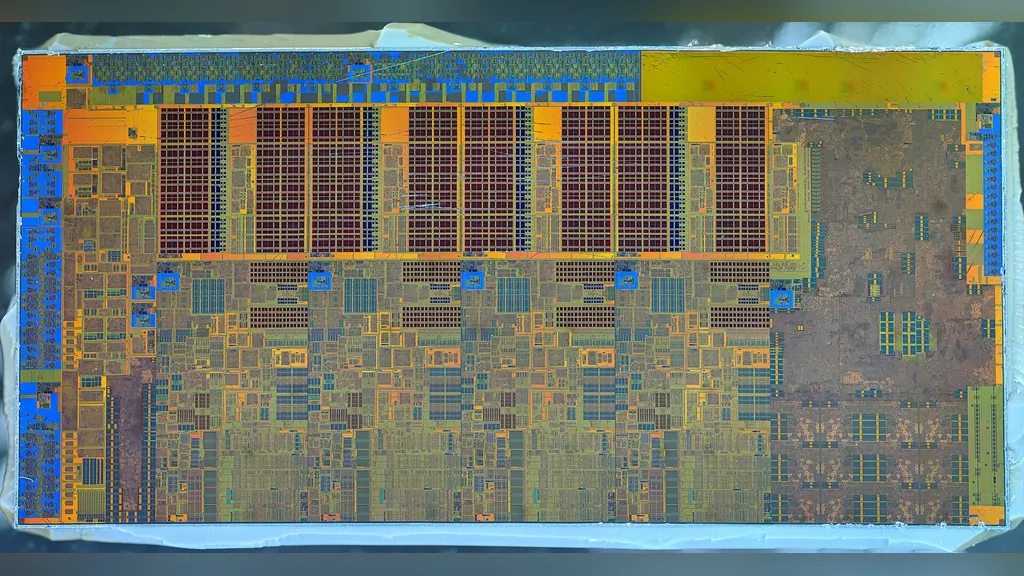
Choosing the destination platform is perhaps the most critical compatibility factor when building a system with the Intel Core i5-12400. Although the processor is the heart of the system, it cannot operate in just any machine. The first point of attention is the socket LGA 1700. This socket is not just a physical slot; it defines the physical and electrical architecture that the motherboard must possess to ensure the processor communicates stably and efficiently with all other components. Ignoring the correct socket makes the processor unusable, no matter how powerful it is.
Recommended Chipsets and Motherboards
For the i5-12400, selecting the chipset is crucial, as it determines which features—such as the number of USB ports, PCIe expansion capacity, and overclocking capabilities (when applicable)—will be available. Readers are recommended to look for motherboards with B560, Z590, or Z690 chipsets. The B560 chipset offers an excellent balance between cost-effectiveness and features, making it ideal for those seeking stability and performance without investing in the most expensive models. Meanwhile, the Z590 and Z690 chipsets are geared toward users who want maximum features and upgrade flexibility, although they may involve a higher initial cost. In summary, the chipset acts as the system’s traffic manager, ensuring that data flows correctly between the processor, memory, and peripherals.
RAM Memory and the Importance of BIOS Updates
Regarding RAM memory, the i5-12400 was designed to operate with the DDR4 standard. It is essential that the purchased memory module is compatible with this type. Although the processor and chipset support high speeds, it is important to be aware of the frequency and latency limitations that the motherboard and the memory profile (XMP or EXPO) may impose. Memory is a vital component, as system performance is directly impacted by its speed and communication capacity with the processor.
Finally, and perhaps the most forgotten point when building a PC, the aspect of the BIOS (Basic Input/Output System) cannot be neglected. Due to the evolutionary nature of the platform, even if the hardware is compatible, the Core i5-12400 processor will only be fully recognized and optimized after updating the motherboard’s BIOS. Always check the manufacturer’s documentation or official website before purchasing to ensure that the motherboard in question supports the processor and already has the latest BIOS version, thus guaranteeing maximum stability and performance.
Who the Core i5-12400 is Ideal For Today
The Intel Core i5-12400 is not just another processor on the market; it represents an extremely intelligent balance between top-tier performance and cost-effectiveness. For those building a PC from scratch or looking for a significant upgrade on an older system, it defines what we call the “sweet spot” in performance. Its use profile is not that of an enthusiast seeking the absolute maximum in everything, but rather that of a demanding user who needs reliability and processing power to handle complex tasks without struggling.
For the Mid-Range Gamer
If you are a gamer looking for graphics and high frame rates (FPS), but don’t want to invest in top-tier processor platforms, the i5-12400 is your main ally. It delivers a level of performance that allows you to run most modern titles on high graphical settings, ensuring a smooth and competitive experience. The processor offers the ability to maintain focus on the game, minimizing performance bottlenecks that could compromise your experience during critical moments. It is the ideal choice for those who want to enjoy AAA titles without needing a stratospheric budget, maximizing the return on hardware investment.
For the Multitasking Professional
The power of the i5-12400 shines even brighter in a professional environment. It is excellent for those who operate in a workflow that requires constantly switching between different heavy applications. Whether you work with photo editing in advanced programs, stream live content while keeping a monitoring system running on the computer, or handle office tasks involving complex spreadsheets and multiple virtual machines, the processor delivers the necessary stability and strength. Its energy efficiency, combined with its high multitasking performance, ensures that the system remains fast, even under constant load.
A Definitive and Reliable Upgrade
Another user profile that benefits enormously from this processor is one that owns an older computer. Replacing an obsolete processor with an i5-12400 is a noticeable performance leap in almost every area. The jump in processing capability and the modern architecture ensure that the system is not restricted by the limitations of the past. In summary, the i5-12400 is ideal for the practical and smart user: someone who values robust and consistent performance, whether in the latest games or the most demanding requirements of professional daily life, without having to sacrifice the budget searching for specifications that would be unnecessary for their use profile.
Glossary
- Alder Lake: Codename for the 12th Generation, indicating a significant architectural advance in processing.
- LGA 1700: The physical socket that defines motherboard compatibility, crucial for processor fitting.
- P-Cores: High-performance cores, designed to run tasks requiring peak speed and intense processing.
- E-Cores: Energy efficiency cores, responsible for handling background tasks and maintaining low consumption.
- PCIe 4.0: An interface that doubles the bandwidth compared to previous generations, optimizing SSDs and graphics cards.
Frequently Asked Questions
Is the Core i5-12400 good for gaming in 2024?
Yes, it is excellent. The P-Cores are optimized to deliver speed peaks, ensuring that the frame rate (FPS) remains high and stable in demanding games. It offers mid-to-high level performance, making it an ideal balance for running modern titles smoothly.
Which motherboard is compatible with the i5-12400, and which chipset should I choose?
You should look for motherboards that have the LGA 1700 socket. This socket is the most critical factor, as it defines physical and electrical compatibility. The chipset choice must follow the manufacturer’s recommendations to ensure the system supports the processor’s architecture and maximum performance.
Should I use DDR4 or DDR5 RAM with this processor?
The i5-12400 was designed to operate with DDR4 RAM. To ensure the best experience, it is vital that you choose a compatible memory frequency, as fast data access is a determining factor that directly influences the overall smoothness of the system.
What is the performance difference between the i5-12400 and an older generation Core i5?
The difference is noticeable and functional. The i5-12400 uses the hybrid architecture of P-Cores and E-Cores, optimizing performance and consumption. Furthermore, support for PCIe 4.0 and the architectural advancement ensure much superior and more efficient processing power.
Does the i5-12400 run hot, and do I need a special cooler?
No, it is remarkably efficient in terms of power consumption. Its architecture allows for robust performance without requiring excessive consumption, meaning it adapts well to more basic or intermediate cooling solutions. Its thermal management is efficient.
Conclusion
The Intel Core i5-12400 has solidified itself as a pillar of performance and efficiency in the personal computing market. Its strength lies in the hybrid architecture of the 12th Generation, which combines P-Cores, responsible for peak speed in intensive tasks, with E-Cores, which ensure stability and energy savings in the background. With its robust configuration of 6 cores and 12 threads, the processor delivers remarkable processing power, surpassing the limitations of previous generations without requiring unnecessary energy consumption. This optimization, made possible by the Intel 7 manufacturing process, ensures excellent thermal management and high cost-effectiveness.
For the Brazilian home and professional user, the i5-12400 represents the perfect balance. It is powerful enough to run modern games smoothly and handle heavy productivity software, yet maintains a power consumption profile that keeps it affordable. By supporting DDR4 and the PCIe 4.0 interface, it not only guarantees mid-to-high-level performance but also ensures the system is ready for future technologies. It proves that high performance and energy efficiency can coexist in a single machine.
With this detailed knowledge of its capabilities, you are ready to build a modern and extremely efficient PC. The next step is to map out the remaining components of your system—RAM and the motherboard—to ensure that the full potential of the i5-12400 is fully utilized.