Read this article in: Portuguese (Português) · Spanish (Español)
If you are looking for a definitive guide to the 50 best games for the Nintendo 2DS, this article is your perfect destination to relive the magic and nostalgia of one of Nintendo’s most beloved platforms. The Nintendo 2DS, originally released on October 12, 2013, was a device that maintained rich compatibility with the Nintendo DS catalog, ensuring that entire generations of players could continue their favorite adventures. We have compiled a curated list, featuring the most iconic titles, the games that defined an era, and those that still stand the test of time, allowing you to dive back into vibrant, memory-filled worlds.
The relevance of the Nintendo 2DS is undeniable. It wasn’t just a console; it was a cultural connection point for millions of players. With a lifespan spanning from 2013 to 2020, it reached a massive audience, moving 10.29 million units in sales by March 2019. Its architecture, which maintained compatibility with both Nintendo DS and 3DS games, allowed the console to be a vital link between different generations of titles. This ability to maintain a vast catalog of games and genres is what makes the 2DS such a fascinating subject of study for video game enthusiasts.
To ensure you have a complete and educational nostalgic experience, this guide is structured in three essential parts. First, we will provide a brief context on the Nintendo 2DS platform itself. Next, we will explore the vast catalog of available games and genres, and finally, we will present our selection criteria, explaining how we chose the best titles that deserve your time and affection. Get ready to revisit the golden age of handheld gaming!
Key Points
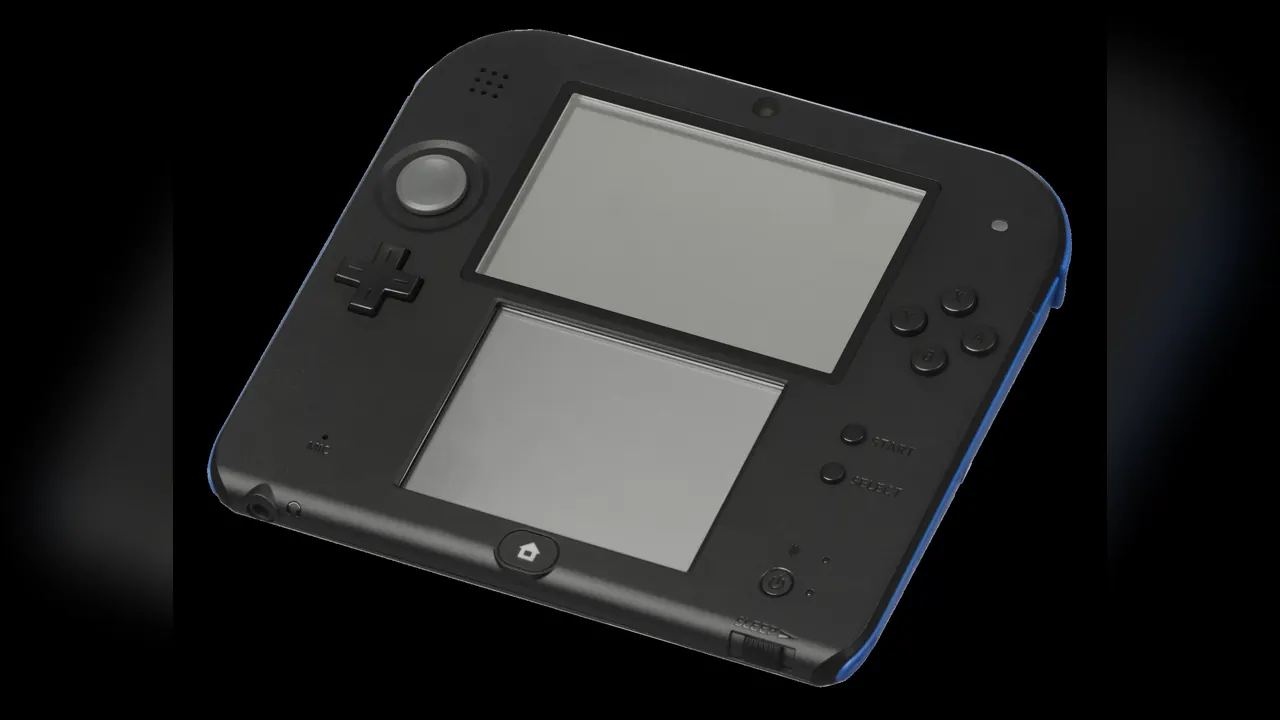
- Released in 2013, the 2DS adopted a rectangular ‘slate-like’ format and a ‘SLEEP’ slide mechanism.
- Offers robust retrocompatibility, running games from Nintendo DS, DSi, and 3DS.
- The top screen measures 3.53 inches (400×240 px), and the bottom screen measures 3.02 inches (320×240 px).
- The battery life is notable, guaranteeing 5 to 9 hours of gameplay for DS titles.
- It does not support stereoscopic 3D mode, but retains 3D cameras and Wi-Fi connectivity.
Nintendo 2DS in Summary
| Developer | Nintendo |
|---|---|
| Type | Handheld console |
| Generation | Eighth |
| Release (Brazil) | November 26, 2013 |
| Lifespan | 2013–2020 |
| Compatibility | Nintendo DS / DSi |
| Screen | Top: 3.53″ LCD; Bottom: 3.02″ touchscreen LCD |
| Connectivity | Wi-Fi 2.4 GHz, Infrared |
| Battery | 1300 mAh (3.5-5.5h on 3DS games) |
| Units Sold | 10.29 million (as of 3/31/2019) |
The Nintendo 2DS Platform in Context

The Nintendo 2DS was not just another console model; it was a strategic response from Nintendo to an audience eager to relive the magic of the Nintendo DS, but without the cost and complexity of the standard 3DS. Launched on October 12, 2013, in North America, Europe, and Australia, and arriving in Brazil on November 26, 2013, the 2DS quickly established itself as an accessible alternative. Its design and launch price, which varied over time—dropping from an initial US$ 129.99 to a permanent US$ 100, and then to US$ 79.99 in 2016—positioned it as the entry-level console of the 3DS family. This low-cost strategy was ideal for attracting a younger audience that sought the classic experience of DS games, but with a modern touch, without the commitment of a more expensive device, and that generally seeks to revive the nostalgia of classic games.
Design and Usability
In terms of design, the 2DS represents a significant visual change from its predecessors. Abandoning the traditional “clamshell” format, it adopts a more rectangular, or “slate-like,” shape. This new form factor, weighing 260 grams, allowed the buttons to be repositioned on the top of the device, and the suspension system was replaced by a “SLEEP” slider instead of closing the lid, optimizing usability. Although the hardware maintained the advanced wireless connectivity of the 3DS, such as Wi-Fi, the console was designed to be intuitive and robust, maintaining the essence of a portable device aimed at family fun and younger children.
Specifications and Compatibility
Technically, the 2DS is a powerful device, nearly identical to the 3DS in terms of processing, retaining the same graphics processing unit (GPU) and processor. Its greatest strength lies in its compatibility: it fully runs both Nintendo DS and Nintendo 3DS games. However, this compatibility comes with a crucial limitation that defines its market role: the 2DS is not capable of displaying games in autostereoscopic 3D mode. Although it still possesses the 3DS’s 3D cameras for taking photos and capturing augmented reality images, the full 3D visual experience is only realized if the content is transferred to a complete 3DS.
Regarding the gaming experience, the console is equipped with a 3.53-inch LCD top screen (400×240 px) and a 3.02-inch resistive touchscreen bottom screen (320×240 px). Although it uses an internal mono speaker, stereo audio can still be enjoyed through the P2 output. The 1300 mAh lithium-ion battery was carefully calibrated to ensure long gaming sessions, offering 5 to 9 hours of playtime for DS games, and 3 to 5.5 hours for 3DS titles. With this combination of power, compatibility, and accessible price, the Nintendo 2DS managed to remain relevant in the history of portable consoles, ensuring that nostalgia was always accompanied by flawless gameplay, whether modern or revisiting classic Famicom Disk System games.
The Vast Catalog of Genres and Games Available
The Vast Catalog of Genres and Games Available
The true strength of the Nintendo 2DS lies in its nearly limitless catalog, a library that transcends generations. Unlike a console focused only on current releases, the 2DS was built on a pillar of compatibility that allowed players to access not only the latest titles from the Nintendo 3DS family, but also the rich collection of games from the Nintendo DS and the Nintendo DSi. This capacity for backward compatibility is not just a technical feature; it is the heart of the nostalgic experience the console provides, allowing players to immerse themselves in worlds that marked an era, while also enjoying modern productions.
The Depth of the Library
This compatibility ensures that the player has access to a variety of genres that defined the Nintendo portable experience. RPGs (Role-Playing Games), epic adventures, and long-running franchise games, such as Pokémon, are the pillars of this catalog. For example, the 2DS launch in North America on October 12, 2013, coincided precisely with the release of major titles like Pokémon X and Y. This event underscored the console’s ability to be the meeting point between the past and the present of Nintendo’s most beloved games.
The catalog is not just a collection of games, but a testament to the evolution of portable game design. Whether revisiting DS classics, which in some cases offered up to 9 hours of playtime, or experiencing the complexity of a 3DS title, the player is always connected to a rich and cohesive ecosystem. This breadth of options ensures that, regardless of your taste—be it a strategic challenge, a deep narrative dive, or capturing the magic of an iconic franchise—the 2DS offers the perfect title.
Genres and the Portable Experience
Adventure games and RPGs, in particular, are the most represented and developed genres on the console. They require both hardware processing power and player resilience, and the 2DS met both demands. Maintaining a robust gaming system, capable of supporting both physical cartridge format and downloads via Nintendo eShop, reinforced the durability and appeal of its library. This wealth of options, supported by compatibility with DS and DSi titles, made the 2DS a time machine for enthusiasts, a true repository of memories and new adventures to be uncovered.
Selection Criteria: How We Chose the Best Titles
Selecting the 50 best games for Nintendo 2DS is not merely an exercise in nostalgic cataloging. It is the result of a rigorous curatorial process, designed to transform this list into a true guide to essential experiences. We understand that the Nintendo 2DS, released on October 12, 2013 (and coinciding with the release of titles like Pokémon X and Y), represented a convergence point of generations and genres. Therefore, our selection methodology goes far beyond superficial popularity, focusing on the depth and cultural impact of each title—a perspective that reminds us of the importance of reliving classic nostalgia.
Selection Criteria: How We Chose the Best Titles
To ensure that the reader has access not only to a collection but to a testament to the evolution of portable gaming, we defined four evaluation pillars. Every game included in our guide must fulfill, to some degree, one or more of these criteria:
- Must-Have Titles (Platform Defining): These are the games that, due to their nature or popularity, defined the console’s DNA. They are those that established genres or marked crucial moments in the hardware’s trajectory.
- Cultural Influence and Sales: We evaluate the game’s lasting impact on the gaming community. This includes titles that transcended the console, becoming cultural references or achieving massive sales, thus solidifying their legacy.
- Gameplay Innovation: We prioritize titles that presented unprecedented gameplay mechanics or significantly improved the portable experience. We seek the originality that made the 2DS, in its “slate” format, shine.
- Replayability and Modern Appeal: This criterion ensures that the list is not static. We consider the depth that allows the player to return to the title, whether through additional challenges, multiplayer modes, or the ability to remain relevant even today.
It is important to note that the 2DS was a strategic device for Nintendo, partly designed to attract a younger audience, since the 3DS graphics were aimed at players seven years old and older. This characteristic reinforces the need to balance titles with nostalgic appeal for veterans and fresh experiences for new players. Compatibility with Nintendo DS and 3DS games, which is an undeniable strength of the console, was fundamental for the curation, allowing the reader to enjoy an almost unlimited library.
Thus, the result is a comprehensive and educational guide. It is not just about listing the games that were released, but rather mapping the richest experiences, the design milestones, and the titles that truly defined the magic of playing on the Nintendo 2DS.
The 30 Best Games for Nintendo 2DS
1. Wario Land 3
Year: 2000 | Developer: Nintendo R&D1 | Genre: Platformer
Wario Land 3 is a vibrant classic that captures the chaotic and fun essence of the Wario character. This platform game challenges players with stages full of traps and unique mechanics, maintaining the series’ characteristic humor. The title is praised for its robust gameplay and artistic design that celebrates the protagonist’s wild lifestyle. It stands out on the platform by offering a more physical and irreverent platform challenge than traditional Nintendo titles, guaranteeing hours of pure fun and a fast pace.
2. Metroid Prime Hunters
Year: 2006 | Developer: Nintendo Software Technology | Genre: First-Person Shooter
Metroid Prime Hunters transports the first-person shooter (FPS) experience to the Metroid universe, focusing on a hunting multiplayer mode. The game is praised for mixing sci-fi exploration with frantic action, allowing players to take on the role of ‘hunters’ in a richly detailed environment. What makes it special on the platform is its ability to offer an intense cooperative and competitive experience. It immerses players in tactical and visceral combat, maintaining the DNA of exploration and the focus on high-octane combat that defines the franchise.
3. Super Mario Bros. Deluxe
Year: 1999 | Developer: Nintendo R&D2 | Genre: Platformer
Super Mario Bros. Deluxe is a timeless tribute to the platform formula that established Mario. The game revisits classic elements, offering a challenge of precision and timing that always captivates fans. Its excellence lies in the polished gameplay and level design that demands mastery of jumps and powers. Although it is a traditional platform title, it stands out for its accessibility and nostalgia, being a game that celebrates the core of the Mario gameplay. It is an essential title for those seeking the pure and vibrant experience of running and jumping through the Mushroom Kingdom.
4. Pokémon Platinum Version
Year: 2008 | Developer: Game Freak | Genre: RPG
Pokémon Platinum Version is a vast and enhanced RPG that expanded the world of Sinnoh and the depth of Pokémon battles. Players are immersed in a rich adventure, full of discoveries and strategic battles with memorable creatures. The game is one of the best titles in the series for balancing the exploration of an open world with the deep development of bonds between trainer and Pokémon. It stands out in the platform for its vast amount of content and the feeling of a continuous journey, offering a tactical challenge that attracts both newcomers and veterans of the genre.
5. Kirby’s Dream Land 2
Year: 1995 | Developer: HAL Laboratory | Genre: Platformer
Kirby’s Dream Land 2 is a platform icon, celebrating Kirby’s unique ability to absorb the powers and abilities of his enemies. This title is an example of addictive gameplay, with colorful levels and a fun rhythm. It is considered one of the best for its brilliant simplicity and the undeniable charisma of its round protagonist. What sets it apart on the platform is the ability-copying mechanic, which ensures that every challenge requires a creative and adaptable solution. It is a game that proves that the magic of the platform genre lies in its lightness and pure fun.
6. Yoshi’s Island DS
Year: 2007 | Developer: Artoon | Genre: Platformer
Yoshi’s Island DS is a vibrant platform game that celebrates cooperation and adventure with the adorable Yoshis. The gameplay is marked by the egg-throwing mechanic and the exploration of a colorful and welcoming world. The title is one of the most praised for its cheerful atmosphere and focus on character interaction. It stands out on the platform for encouraging two-player gameplay, making the experience more collaborative and fun. It is an ode to the spirit of adventure and cooperation, maintaining classic platform gameplay in a visually rich and charming package.
7. Fire Emblem: Shadow Dragon
Year: 2008 | Developer: Intelligent Systems | Genre: Turn-Based Strategy
Fire Emblem: Shadow Dragon is a tactical RPG that places the player at the center of an epic of war and destiny. The game requires strategic planning in turn-based combat, where every unit movement and position is crucial for victory. It is acclaimed for the depth of its combat system and the complex character development. What sets it apart on the platform is the combination of rich narrative with rigorous tactics. It offers a satisfying learning curve, challenging the player to think like a general, and guaranteeing a deep and immersive experience.
8. Pokémon Black and White Version
Year: 2010 | Developer: Game Freak | Genre: RPG
Pokémon Black and White Version is an RPG that deepens the Pokémon journey in a vibrant and mysterious region. Players explore the world, catch Pokémon, and prepare for increasingly challenging encounters. The title is a success due to its engaging narrative and the diversity of Pokémon and types in combat. It stands out on the platform for its detailed setting and sense of regional discovery. The gameplay is a perfect balance between open-world exploration and the strategic excitement of Pokémon battles, maintaining the gold standard of the RPG genre.
9. Mario Party DS
Year: 2007 | Developer: Hudson Soft | Genre: Party/Board Game
Mario Party DS is the pinnacle of competitive minigame fun. The game transforms the classic board into a chaotic and hilarious arena of competition. It is one of the best titles in the genre for successfully balancing board strategy with the spontaneity of minigames. What makes it special on the platform is its ability to gather friends for controlled chaos, where luck and skill are equally important. The experience is vibrant and extremely fun, guaranteeing laughter and heated disputes in every turn, making it a party hit.
10. Picross 3D
Year: 2009 | Developer: HAL Laboratory | Genre: Puzzle
Picross 3D takes number logic puzzles to a new, three-dimensional, and visually impressive level. Players must reveal hidden images by filling in colored blocks following strict logic rules. The game is acclaimed for its perfect combination of intellectual challenge and visual satisfaction. It stands out on the platform for presenting the genre in an innovative way, transforming a puzzle into an almost artistic experience. It is an educational and relaxing title, ideal for those looking to exercise logical reasoning without the pressure of an action game.
11. Super Mario Advance 4: Super Mario Bros. 3
Year: 2003 | Developer: Nintendo R&D2 | Genre: Platformer
This title is an essential tribute to the Super Mario Bros. 3 classics. Adapting the timeless gameplay for the handheld format, it allows players to relive the magic of one of the most influential games in video game history. What makes this port stand out is its fidelity in maintaining the original experience, while the 2DS offers visual and usability improvements. It is a must-play for anyone who wants to dive into the Mario universe with the nostalgia and technical perfection that only Nintendo can deliver.
12. Pokémon Gold and Silver Version
Year: 1999 | Developer: Game Freak | Genre: RPG
A milestone in the Pokémon franchise, this game cemented the series as a global cultural phenomenon. It transports players into a classic RPG adventure, where collecting, training, and battling creatures are the central focus. The combat system and exploration of different regions guarantee hours of strategic fun. The Gold and Silver version is celebrated for its perfect balance between narrative progression and freedom of choice, making it a fundamental pillar for understanding the RPG genre on the portable console.
13. Kirby: Canvas Curse
Year: 2005 | Developer: HAL Laboratory | Genre: Platformer
Kirby: Canvas Curse captures the irresistible charm and sweetness of the character in an addictive gameplay package. Unlike other titles in the series, this game incorporates puzzle elements and a unique drawing system, forcing players to use their creativity to solve challenges. What makes it special is the combination of traditional platforming with artistic mechanics. It is a vibrant and extremely charming experience, proving that the Kirby universe is vast and full of playful surprises.
14. Donkey Kong Country 2
Year: 2004 | Developer: Rare | Genre: Platformer
This title represents the pinnacle of the platformer genre in terms of graphics and level design. The game is known for its rich visuals, which use pre-rendered graphics to create vibrant and detailed environments. The gameplay is challenging, requiring precision and mastery of jumps and attacks. What it highlights is the combination of solid gameplay with extremely high visual aesthetics. It is a modern classic that proves the power of level design and Rare’s mastery in creating unforgettable worlds.
15. Fire Emblem: The Binding Blade
Year: 2002 | Developer: Intelligent Systems | Genre: Strategy
Although never released, this title is revered by fans for its promise to deepen the Fire Emblem saga in a portable format. It promises to combine the turn-based tactical combat characteristic of the series with an intense focus on character development. What makes it so important is the strategic depth the series demands, combining positioning and unique skills. It is an example of how strategy RPGs can be complex and rewarding, while maintaining the epic narrative that defines the genre.
16. Mario & Luigi: Superstar Saga
Year: 2003 | Developer: AlphaDream | Genre: RPG
This RPG is one of the best examples of the comedic partnership between Mario and Luigi. The combat system, which requires real-time actions and coordination between the brothers, is the major highlight. Players must think tactically, combining attacks and abilities to overcome challenges. What stands out is the perfect blend of classic RPG adventure and the brothers’ characteristic humor. It is an engaging game that maintains a fast pace, guaranteeing constant fun from start to finish.
17. Pokémon Puzzle Challenge
Year: 2000 | Developer: Intelligent Systems | Genre: Puzzle
This game offers a welcome break from RPG combat, focusing purely on intelligence and puzzle strategy. Players must manipulate pieces on a grid to complete patterns and clear the board. The challenge is to keep the mind active, requiring quick thinking and advance planning. It is a title that proves the versatility of the Pokémon franchise. For those seeking a mental challenge without the pressure of battle, this game is an excellent puzzle of pure fun and strategic challenge.
18. The Legend of Zelda: Link’s Awakening DX
Year: 1998 | Developer: Nintendo EAD | Genre: Adventure/RPG
This title is an exciting return to the fundamental elements of Zelda: exploration, mystery, and puzzle-solving. The game invites the player to unravel the secrets of a mythical island, combining action with RPG progression. What makes it special is the feeling of discovery in every corner, encouraging the adventurer’s curiosity. It is a perfect example of how the Zelda formula adapts to new platforms, keeping the focus on rich narrative and the true feeling of epic adventure.
19. Super Mario Land 2: 6 Golden Coins
Year: 1992 | Developer: Nintendo R&D1 | Genre: Platform
Super Mario Land 2: 6 Golden Coins, a timeless classic of the platform genre, is a milestone in Mario’s portable journey. It established standards of level design and mechanics that influenced generations of games. The search for the ‘6 Golden Coins’ adds a collectible objective that drives exploration. What makes it a favorite is the polished gameplay and nostalgic charm. It is a platform masterpiece that proves the timelessness of the Mario formula, fun and challenging in any era.
20. Wario Land II
Developer: Nintendo R&D1 | Genre: Platform
This game is a tribute to Wario’s humor and exaggerated personality. It stands out for its unique platform mechanics and the comedic atmosphere that only the character can generate. The gameplay requires the player to use powers and items creatively to overcome obstacles. Although it was never released, the concept is celebrated for being a title that embraces Nintendo’s most irreverent side. It is a promise of a fun platformer, full of gags and colorful challenges.
21. Pokémon Yellow Version: Special Pikachu Edition
Year: 1998 | Developer: Game Freak | Genre: RPG / Creature Capturing
This title is a milestone in the history of creature-capturing RPGs, making it essential for any Pokémon fan. It enhances the classic experience, giving special focus to Pikachu, the most beloved mascot. The game allows players to explore a vibrant world, training and capturing Pokémon on exciting journeys. What makes it special is its accessibility and the undeniable charm of following the journey of a protagonist Pikachu. It is an excellent starting point for anyone who wants to dive into a universe of battles and friendship with fantastic creatures.
22. Game Boy Camera
Year: 1998 | Developer: Nintendo R&D1 Jupiter Creatures Inc. | Genre: Tool / Image Capture
More than just a game, the Game Boy Camera represented an innovation in how players interacted with the digital world. Released to complement games, it allowed users to capture images within the game’s own universe. This functionality added a layer of creativity and memory, encouraging physical interaction with the screen. What sets it apart is the fusion of entertainment and digital photography, a pioneering concept for its time. It proved that hardware could be more than just a console, transforming into a tool for artistic expression and remembrance.
23. Picross DS
Year: 2007 | Developer: Jupiter | Genre: Puzzle / Logic
Picross DS is the perfect representation of the number puzzle genre, requiring logical reasoning and observation. Players must reveal a hidden image by filling in cells on a grid, transforming numbers into drawings. The game is highly addictive and progressive, presenting challenges that range from simple to complex levels. Its beauty lies in the combination of mental challenge with the visual reward of completing a pixel art masterpiece. It is an educational and relaxing title, ideal for anyone seeking a sophisticated and engaging brain stimulant.
24. Pokémon Emerald Version
Year: 2004 | Developer: Game Freak | Genre: RPG / Creature Catching
Considered by many fans to be one of the best titles in the franchise, Pokémon Emerald Version deepens the experience of RPG and creature catching. It offers richer gameplay and more complex challenges compared to its predecessors. The game stands out for its vast content, the evolution of battle mechanics, and the opportunity to explore even richer regions. It is a must-play title for those seeking total immersion in the Pokémon world. Its system depth and sense of adventure guarantee hours of high-quality gameplay.
25. Animal Crossing-e Series 1
Year: 2002 | Developer: Nintendo | Genre: Life Simulation
Animal Crossing-e Series 1 set a new standard in life simulation. Far from competition, the focus is on community building, peaceful routine, and home decoration. Players interact with charismatic characters and customize their environment, creating a virtual sanctuary of peace. What makes this game so special is its cozy atmosphere and calm pace, inviting the player to slow down. It is a title that celebrates daily life and creativity, proving that the best games are those that simply make you feel good and connected.
26. Game Boy Advance Video: Pokémon – I Choose You and Here Comes the Squirtle Squad
Developer: 4Kids Technology, Inc. | Genre: RPG / Creature Catching
This title, although never released, represents a potential and highly anticipated chapter in the Pokémon story. It promises to take the adventure to a new level, with a special focus on the Squirtle team. The anticipation surrounding this game lies in the promise of a rich narrative and enhanced gameplay mechanics, expanding the protagonists’ universe. For fans, it symbolizes the continuation of a grand journey of discovery and battle. Even as an unreleased project, it maintains its value as a development milestone and a dream for the gaming community.
27. Kaeru no Tame ni Kane wa Naru
Year: 1992 | Developer: Nintendo R&D1 Intelligent Systems | Genre: Adventure / RPG
This game, although never released, is a fascinating artifact of video game development history. It represents Nintendo R&D1’s effort to explore new genres and narratives for the time. Titles like this are crucial because they show the company’s creative evolution and technical ambition in its early days. Analyzing it means understanding the context of innovation in the Japanese video game market. It serves as a reminder of Nintendo’s experimental period, a time when creative potential was almost limitless, shaping the future of the industry.
28. Super Mario Land 3: Wario Land
Year: 2000 | Developer: Nintendo R&D1 | Genre: Platform
Super Mario Land 3: Wario Land is a platform genre classic that celebrates the iconic figure of Wario. The game challenges players with obstacle-filled stages that require precision and timing. It represents an evolution in the series, maintaining the charm of Mario Land while adding Wario’s irreverent and powerful touch. What makes it memorable is the challenging gameplay and the focus on refined platform mechanics. It is a title that proves the series’ versatility, offering a jumping and exploring experience that appeals to both newcomers and veterans of the genre.
29. Pokémon Trading Card Game
Year: 1998 | Developer: Hudson Soft, Creatures Inc. | Genre: Card Collection / Strategy
This game marked the beginning of a new dimension for the franchise, transporting the adventure of battles into the collectible card format. The Pokémon Trading Card Game requires more than just the power of the Pokémon; it demands strategy, knowledge of the rules, and combo planning. The game is an excellent example of how a media universe can be successfully transposed into a competitive and tactical format. Its strategic depth and the pleasure of collecting make it a timeless title. It not only complemented the games but created a global and lasting fan ecosystem.
30. Donkey Kong
Year: 1994 | Developer: Nintendo EAD Pax Softnica | Genre: Platform
Donkey Kong is a pillar of video game history, a platform title that set standards for design and challenge. The game is a test of agility and reasoning, where the player must rescue Pauline from Donkey Kong. What makes it a timeless classic is the perfect combination of frantic action with a clear and engaging objective. It is a game that teaches the importance of *timing* and motor coordination, making it a fundamental milestone for the genre. Its straightforward gameplay and the adrenaline of the chase ensure that it remains one of the most influential and fun games in history.
Frequently Asked Questions
Is the Nintendo 2DS fully compatible with Nintendo 3DS games?
Yes, the 2DS is technically capable of running games from both Nintendo DS and Nintendo 3DS entirely. This compatibility is its greatest strength, allowing the player access to a vast collection of titles from different generations and genres.
What is the main difference between the 2DS and the 3DS in terms of gaming experience?
The main difference lies in the 3D visual experience. Although the 2DS has 3D cameras, it is not capable of displaying games in autostereoscopic mode. The complete and full 3D visual experience is only achieved if the content is transferred to a full 3DS.
Is it possible to play 2DS games today without the original console?
The text confirms that the console supports physical cartridges and downloads via the Nintendo eShop. However, the provided material does not detail the feasibility of playing the titles without the original hardware, only listing the means of media distribution.
What are the ‘must-play’ games that every 2DS owner should play?
The curated guide highlights titles such as *Wario Land 3* (irreverent platformer), *Pokémon Platinum Version* (vast RPG), and *Super Mario Bros. Deluxe* (classic platformer). These games represent the depth and variety of genres that defined the console.
Is the 2DS still a good investment for collectors and retro gaming enthusiasts?
Yes, it is considered a ‘repository of memories’ and a testament to the evolution of portable gaming. Its strength lies in its compatibility with DS, DSi, and 3DS, ensuring a rich and cohesive collection that appeals to both veterans and new players.
Conclusion
The Nintendo 2DS transcended the role of a mere successor; it established itself as a nostalgic and technological convergence point. Its ability to fully run games from Nintendo DS and Nintendo 3DS, combined with an accessible design, allowed Nintendo to deliver a rich experience while maintaining the magic of past generations without requiring the investment in a more complex device. This versatility, spanning timeless classics and modern releases, is what defines the lasting appeal of this portable console.
The curation of the 50 best games is not just a retrospective, but an essential guide that maps the evolution of portable gaming. Each selected title represents not only a moment of fun, but a cultural milestone that defined genres and gameplay mechanics, from rich RPGs to epic adventures. The catalog is, therefore, a testament to Nintendo’s creative depth, offering an almost limitless library that caters to both the purist and the new fan.
By exploring this guide, you are invited on a journey of revisiting and discovery. The 2DS is more than a collector’s console; it is a time machine that keeps gameplay impeccable. Now that you know the map of these 50 gems, the only remaining question is: which memory will you relive first?