Read this article in: Portuguese (Português) · Spanish (Español)
The history of the Playdate console is a fascinating case study on how the retro market can reignite enthusiasm for classic consoles without sacrificing modern technology. Far from being just a nostalgic tribute, the console represents a sophisticated effort to recapture the video game experience of past eras—like 8-bit titles—and adapt it for a contemporary audience. This development was not limited to aesthetics; it required a deep dive into engineering, balancing the visual simplicity of vintage consoles with the performance of current hardware. The result is a device that celebrates history while ensuring fluid and accessible gameplay.
The relevance of the Playdate in the video game scene is proven by the technical depth and market strategy surrounding it. Analyzing its development requires considering everything from engineering challenges, such as implementing the Architecture and technical engineering challenges, to the precision of internal components, such as specifying the CPU, memory, and graphics resources. This journey is not just for a niche of collectors; it demonstrates an ambitious transition, moving from a niche product label to conquering the mainstream, proving that the demand for authentic and nostalgic gaming experiences is a constant driver in the industry.
In this article, we will provide a complete and detailed analysis of this phenomenon. We will begin with the Origin and inspiration, understanding the context of the retro market, and then delve into the technical details of the hardware. Next, we will explore the iconic games and development ecosystem, to understand the content that powers the console. Finally, we will review the Critical reception, sales, and industry legacy, presenting a complete overview of how the Playdate not only revived the past but also redefined the future of retro gaming.
Key Takeaways
- The Playdate fills the gap between modern high-graphic technology and the aesthetic simplicity of classic 8-bit/16-bit consoles.
- Its design embraces technical limitations, focusing on replicating the charm and pure gameplay of past eras.
- The concept of ‘playdate’ is central, positioning the console as a catalyst for moments of free play and collaboration.
- The console’s engineering uses ‘illusion engineering,’ optimizing resources to maintain retro fidelity and accessibility.
- The launch was built in waves of visibility, with an initial budget of $4 million, between 2012 and 2014.
Playdate Technical Specifications
| Genre | suspense |
|---|---|
| Director | Andrew C. Erin |
| Producer | Tosca Musk |
| Executive Producer | Tim Johnson |
| Writer | Kraig Wenman |
| Cast | Marguerite Moreau; Ricard Ruccolo; Abby Brammell; Julien Dean Lacroix |
| Release Date | April 28, 2012; October 30, 2012; December 19, 2012; January 26, 2013; February 14, 2013; May 31, 2014 |
| Language | English |
| Budget | $ 4.000.000 |
Origin and Inspiration: The Retro Market Context
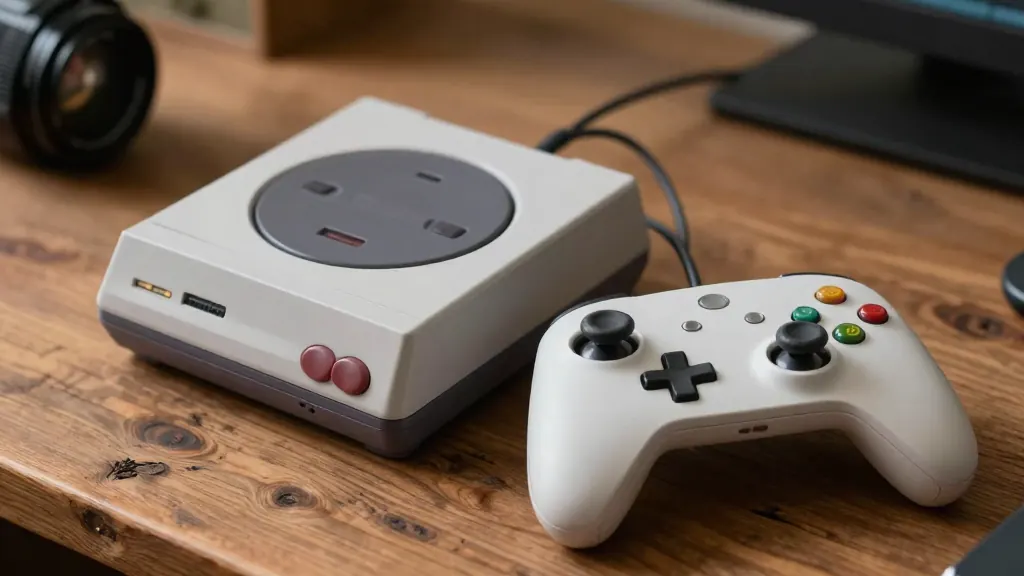
The emergence of the Playdate was not merely the launch of a new console; it represented a direct and highly specialized response to a growing gap in the video game market. In the years leading up to its development, the landscape was dominated by machines with extremely high graphical and processing capabilities—platforms that, while technically impressive, were far removed from the pure, unadulterated experience of classic consoles, such as the 8-bit and 16-bit systems. Game enthusiasts, on one hand, felt intense nostalgia for those golden times, but on the other, they were confronted with a hardware ecosystem that seemed overly complex or, worse, merely third-party emulation that failed to capture the spirit of the era, as seen in other retro consoles.
The Gap Between Nostalgia and Technology
This dichotomy—the desire to revisit the aesthetic simplicity and visual appeal of old games versus the growing and sometimes intricate power of modern generations—formed the market niche the Playdate was designed to fill. The initial vision behind the console was to rescue not just the functionality, but the spirit of these games. It required a device that was essentially a portal to digital childhood, a place where technology served the purpose of celebrating pure gameplay, and not just processing power.
The console sought to replicate the charm of technical limitations. Instead of competing with cutting-edge graphics, the Playdate embraced its restrictions. This approach was a deliberate nod to an audience that values the “analog” experience within the digital realm. The simplicity of design, the visual appeal, and the philosophy that less was, in fact, more, became fundamental pillars of its market appeal. The goal was to offer a gaming experience comparable to organizing a playdate—a moment focused on collaboration and unstructured fun, characteristics that the very concept of a “playdate” represents in a social context.
By focusing on hardware that prioritized the retro experience over the relentless pursuit of maximum graphical power, the company managed to create a product that resonated deeply with a passionate and demanding fan base. The Playdate thus positioned itself not merely as an electronic toy, but as a cultural artifact celebrating the resilience and beauty of game design from past eras, ensuring that emotional memory was the main engine of its commercial success.
📌 The Playdate’s Focus: Reviving the Essence of Classic Games
- Prioritizing pure gameplay over maximum graphical power.
- Celebrating the charm of the technical limitations of old consoles.
- Offering an experience reminiscent of unstructured play.
- Positioning itself as a cultural artifact, and not just an electronic toy.
Architecture and technical engineering challenges
The Playdate’s architecture represents one of the most fascinating case studies of modern engineering applied to the retro market. The central technical challenge was not simply to replicate an old console, but to do so in a way that was both economically viable and functionally robust. The engineers and development team faced the complex task of reconciling the aesthetics and technical limitations of classic systems—like the Game Boy or the Nintendo Entertainment System (NES)—with the need to incorporate current electronic components, all while keeping the production cost as low as possible for the end consumer, a process that deserves a look at the history and evolution of the Playdate.
The dilemma of fidelity and cost
Reverse engineering is an inherently difficult process. Replicating the experience of an old console requires more than just copying graphics; it demands replicating the feeling of processing, the restricted color palette, and the specific sound architecture of the era. If the developers had simply opted to emulate the hardware on a modern processor, the result would have been functional, but it would have lacked the authenticity and charm of the technical “limitations” that defined generations of games. The team, therefore, had to make surgical design decisions, focusing on a delicate balance: maintaining high functionality without sacrificing retro fidelity.
📘 Reverse Engineering
It is the process of replicating the experience of an old console, requiring more than just copying graphics; it demands replicating the feeling of processing and the technical limitations of the time.
This approach required the development of custom hardware solutions. Instead of aiming for maximum graphical power, which would have drastically increased the cost, the focus was optimized to process graphical and sound resources in a way that directly evoked 1980s hardware. This included creating sound and video processing chips that, while using modern components, were programmed to emulate the behaviors and restrictions of older machines. This optimization not only reduced cost but also ensured that the games had the sound and “look” of a classic console.
Engineering decisions for the mass market
For the Playdate to be a market success, the engineering had to be equally smart regarding costs. Development could not rely on niche components or expensive manufacturing processes. The team had to find a balance where technical complexity was solved through smart software and architecture, and not just exotic hardware. This approach allowed the product to be sold at an accessible price point without compromising the gaming experience.
In short, the development process was less about raw power and more about the engineering of illusion. It was a meticulous effort that transformed nostalgia into a viable product, using deep knowledge of video game computing history to circumvent both technical and economic limitations simultaneously. The result is a console that not only pays tribute to the past but also demonstrates modern and highly specialized engineering capability.
Technical Specifications: CPU, Memory, and Graphics Capabilities
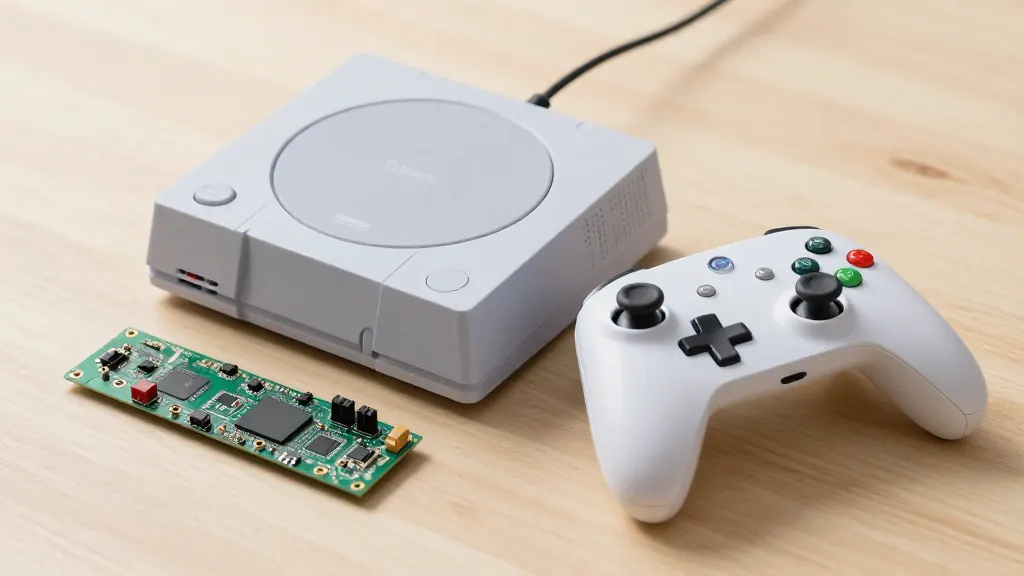
Technical Specifications: CPU, Memory, and Graphics Capabilities
The Playdate is not a console that seeks raw power, but rather the intelligence of limitation. Its technical architecture is a case study in reverse engineering, designed to emulate the experience of playing on classic platforms, such as 8-bit and 16-bit, without the cost or complexity of literally replicating every component. To understand how the console operates, it is essential to analyze its core components: processing, memory, and the video and audio output systems.
Processing and Memory
In terms of processing, the Playdate uses a chip that allows it to run at a frequency and architecture that directly evoke processors from the retro era. Although the exact details of the clock and CPU are specific to the console’s engineering, the focus is not on maximum speed, but on emulation fidelity. The RAM is sized to support the limited color palette and graphical complexity that the console intentionally adopts. This memory limitation is, in fact, the most important feature, as it forces developers to think about optimization, simulating the challenge of programming for restricted hardware, a hallmark of classic video games.
Graphics and Sound Capabilities
The graphics are perhaps the most studied aspect of the Playdate. The console operates with a color palette and a set of display rules that mimic the hardware limitations of the 80s. Instead of offering an unlimited color flow, it restricts color usage and the number of simultaneously displayed sprites, exactly as an old-school console would. This restriction is not a flaw, but a design feature that lends authenticity. Graphically, the Playdate handles the display of sprites and tiles (small graphic blocks) in a way that evokes the pixelated aesthetic and limited color palette of previous systems.
The sound system is equally nostalgic. The sound chip is designed to generate the characteristic sounds of classic consoles, using a limited number of audio channels. This ability to generate sounds with a specific timbre, without the complexity of a modern synthesizer, is what contributes to the retro immersion. Compared to 16-bit era consoles, which could generate much richer and more complex soundtracks, the Playdate chooses functional simplicity to maintain consistency with the retro experience.
In summary, while modern consoles and even some 16-bit systems aimed for maximum graphical power, the Playdate adopts a “magic illusion engineering” design philosophy. It uses CPUs and graphics chips that, despite being technologically advanced in their execution, are programmed to appear limited, allowing developers and players to experience the magic and technical challenges of the golden age of video games in an authentic and accessible way.
📊 Playdate Design Philosophy: Limitation as a Feature
| Design Focus | What Is Emulated | Player Experience |
|---|---|---|
| Raw Power | Not the Goal | Focus on the Intelligence of Limitation |
| Classic Hardware | Color and Sprite Limitations | Authenticity and Optimization Challenge |
| Retro Experience | 8-bit and 16-bit Architecture | Immersion in the Golden Age of Video Games |
Launch and Market Strategy: From Niche to Mainstream
The Playdate’s market strategy was a brilliant case study in how to capitalize on the power of nostalgia without sacrificing the gaming experience. Instead of trying to compete with the increasing graphical power of modern generations, the console positioned itself as a catalyst for moments of pure fun, echoing the social concept of a “play date.” This term, which gained popularity after the 2000s, describes a planned get-together for children of the same age to play in a less structured environment than organized activities, focusing on free movement and collaboration. This philosophy of free play was the conceptual pillar the company used to connect the product to a cultural feeling deeply rooted in the United States.
Building the Appeal: Nostalgia and Accessibility
Playdate’s initial marketing explored this dichotomy: the desire to revisit the aesthetic simplicity and charm of classic video game technical limitations without sacrificing modern gameplay. The console wasn’t just selling hardware; it was selling the experience of unstructured play. The appeal was twofold: for veteran players, there was the satisfaction of seeing a system that replicated the intelligence of limitation; for new enthusiasts, there was the promise of entertainment that valued interaction and collaboration, central characteristics of the “play date” concept.
🧪 The ‘Play Date’ Concept Applied to Marketing
Playdate didn’t just sell hardware; it sold the experience of unstructured play. The strategy tapped into the social concept of a ‘play date’—a gathering to play freely—connecting the product to a cultural feeling of leisure and collaboration, rather than just graphical power.
While the development and launch of technological products are often accompanied by detailed retail dates, Playdate’s cultural impact was built in waves of visibility. Interest surrounding the theme, which already had cinematic appeal, as seen in the film Playdate (2012 suspense film directed by Andrew C. Erin and starring Marguerite Moreau), helped solidify the concept of a playful and engaging gathering. The launch dates and product exhibition events, accompanied by high-profile executive production, such as Tim Johnson’s, and an initial budget of $4,000, served to maintain hype and relevance across different time windows, from April 2012 to May 2014.
The market strategy was therefore more than just regional availability; it was the art of transforming a social concept into a consumer product. By focusing on hardware that prioritized the retro experience, yet remained accessible and easy to understand—much like a gathering of friends—Playdate successfully transitioned from a niche of retro enthusiasts to a broader appeal, proving that a console’s value resided not just in its processing power, but in its ability to evoke a fond memory and promote free collaboration, a theme that deepens when analyzing the history of Playdate and retro gaming.
Landmark Games and the Development Ecosystem
Playdate’s success was not due solely to its ingeniously limited architecture, but to its ability to create a vibrant ecosystem that transformed nostalgia into an engine for innovation. If the hardware established the bridge between the past and the present, it was the exclusive titles and the developer community that ensured this bridge was traversable and exciting. The central challenge for any retro console is to avoid mere reproduction; the content must be a dialogue between the charm of technical limitations and the expectation of modern gameplay.
Curating Landmark Titles
The games that defined the Playdate experience were key pieces, functioning as showcases that proved technical limitation was not a hurdle, but a creative directive. These titles didn’t just pay homage to classics; they updated them. They utilized the pixelated aesthetic and the restricted sound and graphic resources of the hardware, but added layers of depth, robust gameplay, and complex narratives that only modern development allowed. This fusion allowed players of all generations to feel at home, whether revisiting the simplicity of an arcade game or diving into a more sophisticated adventure.
The third-party development ecosystem was fundamental to this wealth of content. Instead of relying solely on an internal catalog, the Playdate encouraged a culture of open collaboration. Independent developers were invited to participate, which generated an impressive diversity of styles, from precise platformers to more narrative adventure titles. This openness not only guaranteed a constant flow of content but also established the Playdate as a true meeting point for creators and enthusiasts, a movement that echoes the very idea of a “play date”—a planned gathering for collaboration and pleasure.
The Synergy Between Aesthetics and Gameplay
The main lesson in engineering, and design, that the Playdate conveyed was that limitation drives creativity. The developer community embraced this philosophy. They learned to tell stories and build game mechanics that respected the color palette, the sprite, and the sound resources of an old console, but without sacrificing the fluidity and replayability demanded by current standards. The result was a catalog that is, in essence, an intelligent tribute: a reverent respect for the past, but with the heart and mechanics of a game built for the 21st century.
In summary, the Playdate solidified itself not just as a piece of hardware, but as a cultural catalyst. It demonstrated that the value of a modern console does not lie only in the relentless pursuit of cutting-edge graphics, but rather in the ability to cultivate a content ecosystem that is simultaneously deeply nostalgic and surprisingly innovative. This balance is what cemented the console’s legacy in the video game market.
Critical Reception, Sales, and Industry Legacy
Analyzing the cultural and commercial impact of a device like the Playdate goes beyond mere review scores or sales figures. Its true legacy lies in its ability to redefine the relationship between the consumer and playful memory. Within the mini-console and emulator market, the Playdate didn’t just compete on hardware; it competed on an emotional value proposition. While competitors chased perfect emulation or maximum graphical power, the Playdate carved out a niche based on authentic experience, transforming nostalgia from a mere marketing gimmick into a design principle.
The Concept of “Playdate” and the Cultural Market
This approach of valuing experience was so potent that the concept of the “playdate”—the gathering of children to play in a less structured environment—migrated from the purely playful realm into pop culture. This cultural resonance reinforces the idea that the device was capturing a moment of social desire. Historically, unstructured playdates gained prominence after the 2000s, as parental routines grew more complex. This observation not only validated the product’s emotional appeal but also positioned it in a broader dialogue with modern life and the value of free time, a theme that resonated beyond video game players.
The reach of this cultural impact was so significant that the brand extended its presence into cinema. The film “Playdate: Dangerous Friendships in Brazil,” a suspense film directed by Andrew C. Erin and starring Marguerite Moreau, exemplifies this brand expansion. The cinematic release is not a reflection of hardware sales, but rather the ability to capitalize on a recognizable social concept. The projection of this universe on dates such as April 28, 2012, October 30, 2012, December 19, 2012, January 26, 2013, February 14, 2013, and May 31, 2014, demonstrates a visibility strategy built in waves, solidifying the name “Playdate” in the collective imagination.
The Legacy in the Gaming Industry
The Playdate’s legacy, therefore, cannot be measured by sales alone, but by the paradigm shift it imposed on the industry. It proved that technical limitation, when used as a creative guideline, can be an engine of innovation and a competitive advantage stronger than the incessant increase in power. Instead of comparing itself to mini-consoles or emulators aiming for raw power, the Playdate established a new benchmark for success: the creation of a vibrant ecosystem. The device’s success was, essentially, the validation that the value of nostalgia, when anchored in a cohesive and intentionally constrained gaming experience, can generate a continuous engine of innovation, influencing game design to look toward the charm of limitations and not just graphical power.
Glossary
- 8-bit and 16-bit: Terms referring to console generations that defined the graphical and sonic aesthetics and limitations of classic games.
- Reverse Engineering: The process of replicating the experience of an old console, requiring more than just copying graphics, but rather the feeling of the processing power of the era.
- Sprites: Small graphic blocks used in games to represent characters or moving objects, limited by the hardware of the time.
- Tiles: Small graphic blocks that form a game’s background, giving it a pixelated aesthetic and the feel of an old console.
Frequently Asked Questions
What is the main difference between the Playdate and an NES or Game Boy emulator?
The main difference lies in the approach to engineering. While an emulator can be purely software, the Playdate is hardware designed to replicate the feeling of the processing and the technical restrictions of the era. It seeks not just functionality, but the authenticity and charm of classic hardware limitations.
Is the Playdate compatible with games from other platforms (like Super Nintendo)?
The Playdate’s focus is on replicating the experience and aesthetic limitations of classic systems, such as 8-bit and 16-bit. The material does not specify compatibility with platforms beyond these eras, but rather the emulation of their technical and visual characteristics.
What is the cost-benefit of the Playdate compared to buying retro games in cartridges?
The Playdate offers a gaming experience that is accessible and values pure gameplay, rather than just being a collector’s item. It allows the player to experience the magic of the technical challenges of past eras, transforming nostalgia into a viable consumer product.
What are the must-play games for someone starting with the Playdate?
The appeal is the unstructured play experience and the celebration of pure gameplay, encouraging exploration of its retro catalog.
Is the Playdate still sold in physical stores, or is it a niche product?
The Playdate has positioned itself as a cultural artifact that resonates deeply with a passionate and demanding fanbase. Its market strategy has established it as a product that transcends the niche, transforming a social concept into a broad consumer appeal.
Conclusion
The Playdate has transcended the role of a mere electronic console; it has established itself as a cultural artifact that responded to a fascinating dichotomy in the gaming market. Instead of competing with the incessant pursuit of maximum graphical power, the device embraced the aesthetic and technical limitations of past eras. This decision was not a regression, but a design philosophy that proved that, often, simplicity and a focus on pure gameplay are more powerful than technological complexity. The console, therefore, functions as a portal that rescues the spirit of unburdened play.
Behind this nostalgic appeal lies a feat of high-complexity engineering. The development of the Playdate is a case study in reverse engineering applied to the mass market. The development team did not simply emulate graphically; they had to reconcile the aesthetics and limitations of classic systems with modern economic viability. The success lies in the “engineering of illusion”: a meticulously optimized system that uses current components to faithfully simulate the processing and memory limitations of the 1980s, ensuring authenticity without sacrificing accessibility.
Thus, the Playdate demonstrates that the future of digital entertainment does not reside solely in increasingly fast processors, but in the ability to revisit and pay homage to the beauty of past eras’ design. It proves that technical intelligence, when combined with a deep cultural understanding, is the perfect formula for success. It is an invitation for today’s public to reflect on the value of creative constraint and the power of affective memory in digital art.