Read this article in: Portuguese (Português) · Spanish (Español)
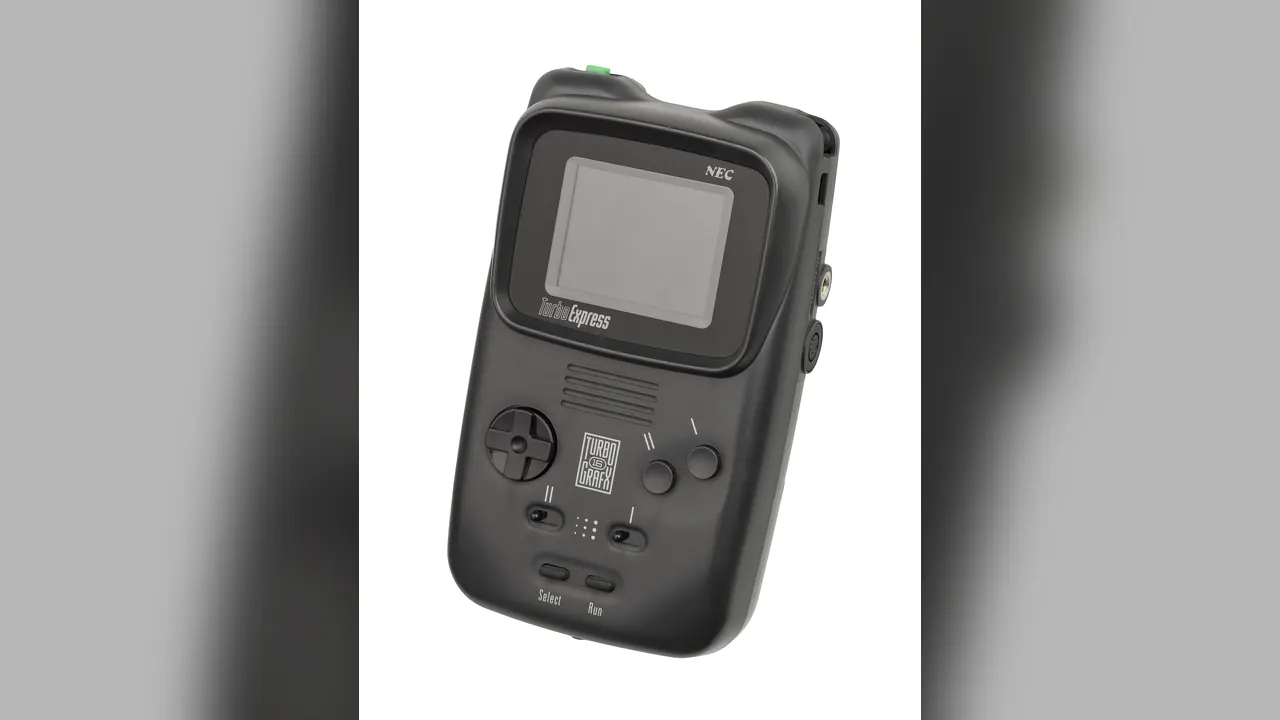
TurboExpress was a handheld console that marked a crucial point in video game history, representing the attempt to bring the graphical power of a home console to a portable format. Launched in 1990 by NEC Home Electronics, it was not just another electronic toy, but a technically advanced device designed to be the portable version of the acclaimed TurboGrafx-16. The machine stood out for its robust specifications, including a 2.6-inch color screen and the ability to display up to 512 colors, positioning itself as a direct competitor in a highly contested market where the focus was on combining portability with high visual and audio fidelity.
The impact of the TurboExpress on the market is undeniable, especially considering its era. Launched in December 1990 in the United States and Japan, it competed in a landscape dominated by giants like the Nintendo Game Boy, the Sega Game Gear, and the Atari Lynx. Despite its superior technical features—such as the HuC6280 processor and compatibility with all TurboGrafx-16 games via HuCard—the console sold 1.5 million units, a number that, while significant, placed it in a challenging position against its direct rivals. Its existence shows NEC’s technological ambition to redefine the boundaries of mobile entertainment.
In this article, we will dive into the complete trajectory of the TurboExpress, exploring everything from its origins and the portable market context to its advanced architectures and technical specifications. We will analyze innovative features, such as TurboLink technology, and its launch, pricing, and initial catalog. To understand its true role, we will review the competition and critical reception, concluding with a look at its legacy and influence on the history of portable video games.
Key Points
- Released in December 1990, the TurboExpress was a fourth-generation handheld console, succeeding the TurboGrafx-16.
- It featured a 2.6-inch backlit TFT display, capable of 481 visible colors and 64 sprites.
- The technical heart was the HuC6280 processor, which operated at two frequencies: 7.16 MHz or 1.79 MHz.
- Guaranteed full compatibility with all games released for the home console TurboGrafx-16 via HuCard cartridges.
- It offered advanced features like TurboLink for multiplayer and TurboVision, an adapter for TV.
TurboExpress Specifications
| Alternate Name | HES-EXP-01 |
|---|---|
| Manufacturer | NEC Home Electronics |
| Type | Handheld game console |
| Generation | Fourth |
| Release | JP: December 1, 1990; NA: December 1990 |
| Launch Price | $249.99, ¥44,800 |
| Discontinued | NA: 1994 |
| Units Sold | 1.5 million units |
| Media | HuCard |
| CPU | HuC6280 @ 7.16 MHz or 1.79 MHz |
| Memory | 8 KB RAM; 64 KB VRAM |
| Display | 2.6-inch active matrix TFT backlit LCD, 336×221 pixels, 512-color palette, 481 colors on screen |
Origin and the Context of the Portable Market
In the late 1980s and early 1990s, the video game market was undergoing a period of intense evolution. Home consoles were already displaying increasingly sophisticated graphics capabilities, such as the TurboGrafx-16 (PC Engine). Furthermore, it was crucial to consider how to bring this experience outside the home, something that becomes evident when studying Milton Bradley Microvision and retro video games. However, for the gaming universe to reach the mobile public, it was imperative to develop a device capable of replicating the processing power and visual richness of a tabletop console, but in a compact and portable format. It was in this scenario that NEC Home Electronics dedicated itself to creating a solution that combined cutting-edge technology with mobility.
The Conception of the Portable Device
The project that gave rise to the TurboExpress was developed with the ambition of transforming the console experience into something that could be taken anywhere. The internal codename given to this console was Game Tank. The device was not an entirely new product in terms of architecture; it was essentially a portable version of the TurboGrafx-16 console, which had been released years earlier. This compatibility was a strategic advantage because it meant that players who already owned the home console would not need to buy a specific software catalog for the portable format.
Technically, the TurboExpress was robust for its time. It used a HuC6280 processor, operating at 1.79 MHz or 7.16 MHz, and featured 8 KB of RAM and 64 KB of VRAM. For graphic display, it employed a 2.6-inch active-matrix LCD, backlit, capable of displaying 64 sprites simultaneously in up to 481 colors drawn from a 512-color palette. Launched on December 1, 1990, in Japan and also in December 1990 in the US, its launch price was $249.99.
Despite its cutting-edge specifications—such as the backlit display, something the market leaders had not yet replicated until the Game Boy Light in 1998—the portable electronics market presented technical and usability challenges. The unit was sold with the option of being powered by 6 AA batteries or a 6-volt AC adapter. Moreover, because it was an advanced technology product, it faced market challenges, such as a high pixel failure rate on the LCD and battery issues, which placed it in a high-cost category, sometimes calling it the “Rolls-Royce of portable systems.”
📌 TurboExpress Technical Specifications
- Processor: HuC6280, operating at 1.79 MHz or 7.16 MHz.
- Memory: 8 KB of RAM and 64 KB of VRAM.
- Display: 2.6-inch active-matrix LCD, backlit.
- Graphics: Support for 64 simultaneous sprites in up to 481 colors.
- Power Source: Option for 6 AA batteries or a 6-volt AC adapter.
Architecture and Advanced Technical Specifications
The engineering behind the TurboExpress reveals a remarkably advanced technical apparatus for its time. The beating heart of this portable console is the HuC6280 processor, a robust chip that provided the processing power needed to run complex graphical experiences. A significant technical differentiator was the ability to operate the HuC6280 at two distinct frequencies: 7.16 MHz or 1.79 MHz. This software-programmable speed flexibility allowed for performance optimization across different types of games and applications, ensuring the console was versatile without sacrificing performance.
Visual and Processing Specifications
In terms of graphics output, the TurboExpress was a true technological marvel for its era. It was equipped with a 2.6-inch TFT active matrix backlit LCD screen, a feature that drastically set it apart from the competition in terms of visibility, especially in low-light environments. The display was capable of supporting a 512-color palette, simultaneously displaying up to 481 colors on screen. For gaming enthusiasts, the graphics details were impressive: the system supported up to 64 sprites, with each scanline capable of rendering up to 16 sprites. This graphical capability was powered by two dedicated video processors, the HuC6270A VDC.
The internal memory architecture was equally powerful. The console featured 8 KB of RAM (random access memory) and 64 KB of VRAM (video memory), resources that allowed for a level of visual detail and complexity rarely seen in portable consoles. Beyond its graphical and processing capabilities, the TurboExpress ensured a cohesive and traditional gaming experience, maintaining full compatibility with all games released on the TurboGrafx-16 home console’s HuCard cartridges. To better understand the evolution of this technology, it is worth looking at the console’s development history, which shows how it not only guaranteed a vast catalog but also solidified the console as a portable extension of the high-definition console experience.
To complement its processing power and gameplay, the unit incorporated advanced connectivity features. The system included the TurboLink, a feature that allowed two players to connect simultaneously, increasing possibilities for social interaction. Practically speaking, it was powered by 6 AA batteries, providing about three hours of playtime. In summary, the TurboExpress was not just a portable device; it was a highly integrated system, combining fast processing, a high-fidelity color screen, and perfect compatibility with the home gaming ecosystem.
📊 TurboExpress Technical Specifications Summary
| Component | Main Specification | Technical Detail |
|---|---|---|
| Processor (CPU) | HuC6280 | 7.16 MHz or 1.79 MHz |
| Screen | Active Matrix LCD (TFT) | 2.6 inches, 512 color palette |
| Graphics | Video Processors | 2x HuC6270A VDC, up to 64 sprites |
| Memory | RAM and VRAM | 8 KB RAM and 64 KB VRAM |
| Connectivity | Multiplayer Gaming | TurboLink (two-player connection) |
Innovative connectivity features and accessories
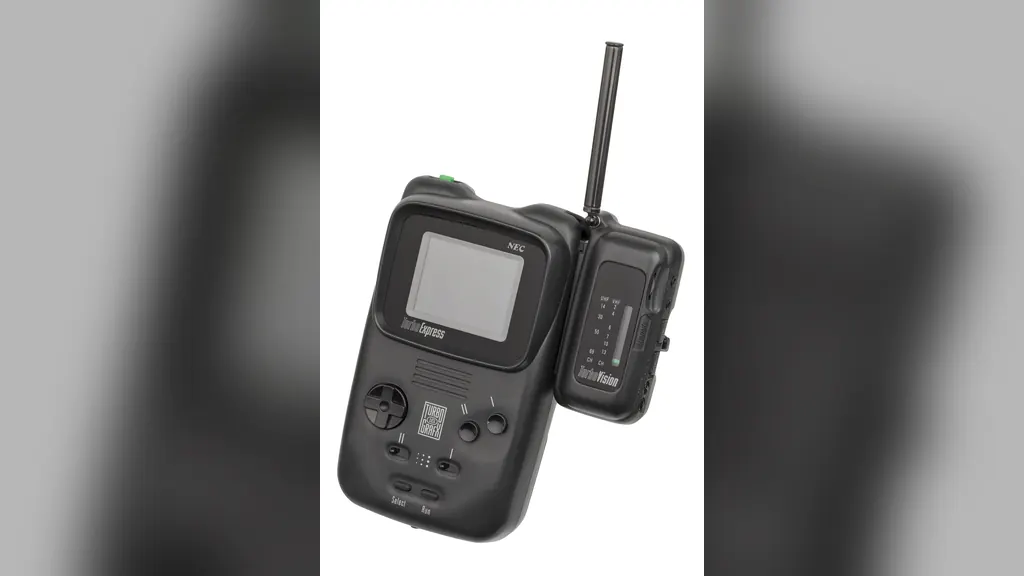
Beyond its powerful internal processing and advanced memory, the TurboExpress was a pioneer in offering connectivity features and accessories that elevated the gaming experience to unprecedented levels for a portable console. These add-ons were not mere extras; they were true marketing and technical differentiators, designed to keep the console at the forefront of technology in an incredibly competitive market. It is interesting to note how these advancements compare to the evolution of other devices, such as the PocketStation and handhelds. By integrating functionalities ranging from sophisticated multiplayer to the ability to connect to a home television, NEC Home Electronics positioned the device as a multifunctional entertainment center.
TurboLink: The Multiplayer Revolution
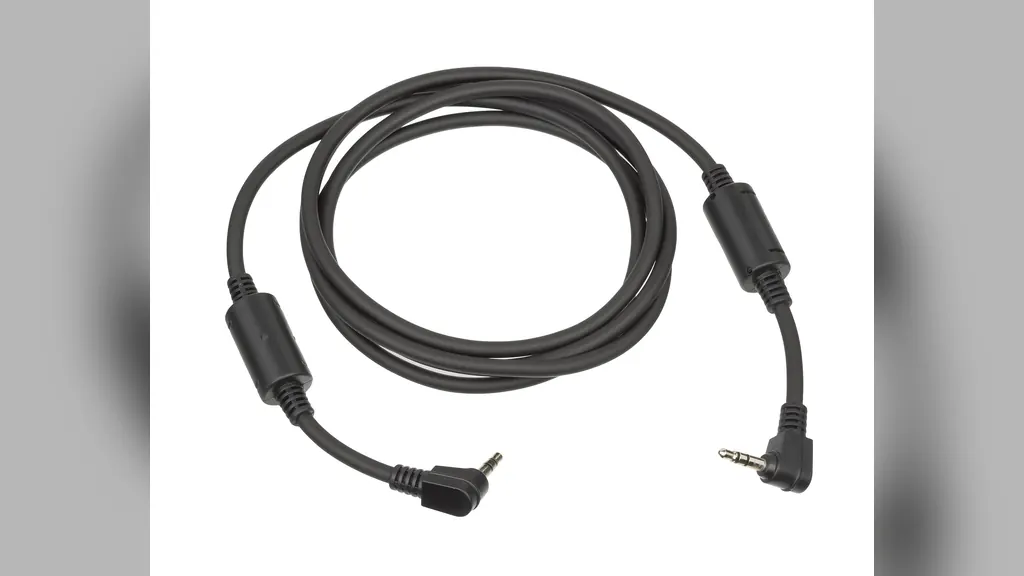
One of the most notable connectivity features was the TurboLink. This technology was the link that enabled advanced multiplayer, transforming the console into a true stage for cooperative and competitive battles. Although released after the initial launch of the TurboExpress, the TurboLink was fundamental to the development of titles that required more than simple individual gameplay. Titles like Bomberman ’93 could utilize the Com-Link multiplayer mode, while flight simulators, such as Falcon, offered “head-to-head” and cooperative combat modes that could only be accessed through this system. This capability to support cooperative modes was a crucial technical differentiator, as it showed that the console was ready not just for the solo player, but for social interaction and team play.
📘 TurboLink
A connectivity technology that enabled advanced multiplayer, transforming the console into a stage for cooperative and competitive battles.
TurboVision: From Console to Portable Television
Perhaps the most ambitious and technologically impressive accessory was the TurboVision. This device functioned as a television tuner adapter, transforming the TurboExpress into a portable television. At launch, the TurboVision was sold for US$100, and its purpose was revolutionary: it allowed the user to instantly switch between the gaming experience and watching television. The adapter included an RCA audio/video input for external composite video signals, connecting the console to the home environment. The TurboExpress, therefore, was not just a handheld toy; it was a complete media center.
The engineering behind the TurboVision, however, also revealed the limitations of the technology of its time. Due to the widespread adoption of digital television and the HDTV standard, the adapter no longer functions as a modern television in most places, as it lacks HDTV digital processing circuits. Thus, today, the TurboVision is more of a collector’s item, although its RCA audio/video input function may still be operational, despite its screen resolution limitations.
In summary, the TurboExpress not only delivered a robust portable gaming system but also complemented its gameplay with innovative accessories like the TurboLink and the TurboVision. These features not only increased market appeal but also cemented the console’s reputation as a cutting-edge device, capable of offering a complete entertainment experience, whether on the go or connected to the living room.
Launch, Pricing, and Initial Catalog
The launch of the TurboExpress marked a moment of great technological ambition for NEC Home Electronics. Designed to be the pinnacle of portability of its time, the console launched in December 1990, in both Japan and North America. Its arrival was announced with the goal of bringing the graphic power of a home console to a handheld format, while maintaining the fidelity of the gaming experience. The unit, which was compatible with the TurboGrafx-16 ecosystem, promised robust and advanced gameplay for enthusiasts of the original system.
Pricing Strategy and Market Positioning
Commercially, the TurboExpress faced a significant challenge right at its launch. The introductory price in the United States was set at US$249.99. This price, while reflecting cutting-edge technology—such as the active-matrix backlit TFT display, a feature that market leaders had not yet replicated until nearly a decade later—positioned it quite highly in the market. Many critics and consumers ended up labeling the system as the “Rolls-Royce of portable systems.”
This pricing strategy was not static. In March 1991, the price was temporarily raised to US$299.99 due to increased display manufacturing costs. However, in a subsequent move, the price was reduced to US$199.99 in 1992, aiming for greater accessibility. Despite these adjustments, the initial price was significantly higher than that of popular competitors, which partly contributed to the system not achieving the expected widespread adoption.
The Value of the Ecosystem
Despite the high initial cost, a crucial draw for home console owners was software compatibility. The TurboExpress did not require users to buy a specific library of games for the portable format. It was fully compatible with every game released for the main console, utilizing HuCard cartridges. This represented substantial savings and a direct appeal to fans who had already invested in the TurboGrafx-16 ecosystem, ensuring that their investment in games could be enjoyed on two distinct platforms.
In summary, the TurboExpress was not just a new device; it was a technological and playable extension of an already established system. Its launch, although marked by a complex pricing curve and a premium positioning, solidified its identity as a technically advanced unit and a faithful guardian of the TurboGrafx-16 title catalog.
🕒 Pricing Evolution and the TurboExpress Launch
- December 1990 — Console launched in Japan and North America with an initial price of US$249.99.
- March 1991 — The price was temporarily raised to US$299.99 due to increased display manufacturing costs.
- 1992 — The price was reduced to US$199.99, aiming for greater market accessibility.
Competition and Critical Reception in the Market
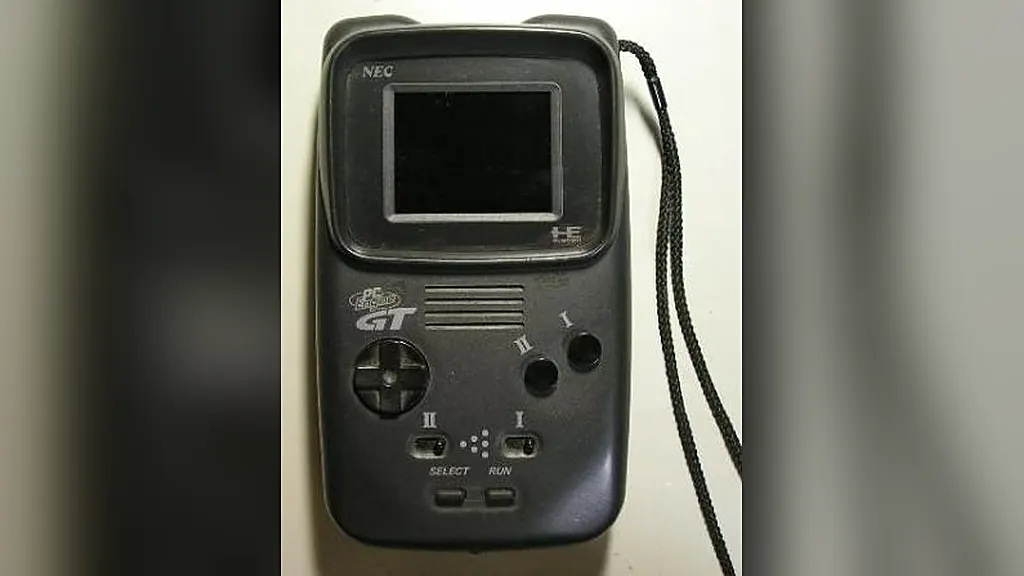
The TurboExpress launched during a period of intense and fierce competition in the portable electronics market. The console did not emerge in a technological vacuum; it was launched directly into a battleground dominated by established giants, such as Nintendo’s Game Boy, Sega’s Game Gear, and the Atari Lynx. In a scenario where every manufacturer sought to define the standard for portability, the TurboExpress, despite its 16-bit architecture and advanced features, had to prove its worth in a market that already associated “handheld gaming” with iconic brands. The difficulty in gaining market share, therefore, was not just a matter of sales, but a challenge of positioning against models that had already captured consumer loyalty.
Critical Reception and the Portability Dilemma
Specialized critics reflected this dichotomy between technological power and practical limitations. On one hand, the TurboExpress was undeniably advanced. The magazine Computer Gaming World, for example, highly praised the unit’s compatibility with the TurboGrafx line, even concluding that “seeing this machine in action is falling in love with it.” Similarly, Entertainment Weekly commended the new 16-bit architecture and graphical quality of the games, acknowledging the technological apparatus of NEC Home Electronics.
However, the enthusiasm was tempered by significant reservations. The main point of criticism, and what most limited its market appeal, was power consumption. The same Computer Gaming World, while praising the system, warned that the device “consumes energy like crazy… forcing players to almost immediately buy an AC adapter.” Additionally, Entertainment Weekly, along with other critics, pointed out that the screen size, despite its quality (2.6-inch, TFT active matrix backlit LCD), represented a “downgrade” for those accustomed to playing on larger screens—a detail that summarized the dilemma of balancing cutting-edge technology with day-to-day practicality.
Commercial Performance in a Saturated Market
Despite its technological ambition and advanced feature set, the commercial performance of the TurboExpress was a direct reflection of fierce competition and the practical limitations highlighted by critics. The console was sold in a market that valued energy efficiency and stability as much as processing power. The sales figure, totaling 1.5 million units, demonstrates success in establishing a user base but also underscores the difficulty of overcoming the dominance of competitors already established in the consumer’s mind. The TurboExpress, therefore, was not merely a technically superior console of its time; it was a product that struggled to prove that its technological superiority could overcome the factor of comfort and the familiarity of established brands.
Legacy and Influence on the History of Portable Video Games
The TurboExpress’s legacy transcends its commercial balance sheet and resides, fundamentally, in its technological impact. Launched on December 1, 1990, in Japan and in December 1990 in North America, the console set a standard of ambition for the portable market that would be referenced by future generations. Its hardware was a quantum leap, especially in features that were previously considered exclusive to home systems. The 2.6-inch backlit liquid crystal display (LCD) was a pioneering feature in the portable market. It is crucial to note that this functionality was revolutionary, given that Nintendo would not release a backlit screen device, the Game Boy Light, until 1998, more than a decade later.
Graphics Power and Miniaturization Engineering
Technically, the TurboExpress was an engineering feat. With a HuC6280 processor operating at 1.79 MHz or 7.16 MHz, and the capability to display 64 sprites simultaneously, in up to 481 colors from a 512-color palette, the console raised the graphical bar for handheld devices. Furthermore, the system was not only a standalone unit but also ensured compatibility with all TurboGrafx-16 home console games using HuCard cartridges. This system integration, which allowed users to extend gameplay to the portable format, demonstrated the versatility and strength of the NEC Home Electronics ecosystem.
However, the technological advancement itself brought practical challenges. Despite its power, the console was not immune to the limitations of its time. The battery, for example, required 6 AA batteries and provided approximately three hours of life—a significantly shorter time than what the Game Boy offered, which could last from 12 to 40 hours. Additionally, the LCD technology, while cutting-edge, presented issues with pixel failure, and reading text was often difficult because the fonts were frequently designed to be viewed on televisions, not on a small portable screen. These flaws, combined with the lack of internal memory to save game data (unlike the TurboGrafx-CD), represented the main barriers to adoption.
The Legacy of Technological Ambition
Despite a commercial result that, in terms of units sold, can be seen as modest (1.5 million units until discontinuation in 1994 in North America), the TurboExpress left an undeniable legacy. It proved that a portable console could rival home equipment in graphical power and functionality. The inclusion of accessories like the TurboLink, which allowed for simultaneous two-player gaming, and the TurboVision, a television signal adapter, demonstrated a vision of gameplay that went beyond simple pocket entertainment. These features, even if technologically ambitious, paved the way, forcing the industry to raise the level of complexity and expectation for features in any subsequent portable gaming device, solidifying the concept of a highly integrated and powerful entertainment system.
Glossary
- TFT active matrix backlit LCD: An advanced type of liquid crystal display that is backlit, offering better visibility in low-light environments.
- HuC6280: The console’s central processor, a robust chip that provided the necessary processing power to run complex graphics experiences.
- VRAM: Video RAM. It is the memory space dedicated exclusively to storing the console’s graphic and visual data.
- Sprite: A simple graphic element used in games to represent characters, objects, or enemies on the screen. The console supported up to 64 sprites.
- TurboLink: An advanced connectivity feature that allowed two players to connect simultaneously, enhancing the multiplayer mode.
Frequently Asked Questions
What is the main difference between the TurboExpress and the TurboGrafx-16?
The main difference is the format. While the TurboGrafx-16 was a home console, the TurboExpress was developed to be a portable version. It retained the processing power and visual richness of the main console but adapted it to be taken anywhere, maintaining a high-definition experience.
Was the TurboExpress compatible with all TurboGrafx-16 games?
Yes, the TurboExpress was designed to be a technological extension of the home system. It guaranteed full compatibility with all games released for the TurboGrafx-16, allowing users to enjoy their game investment on two distinct platforms.
How did the TurboExpress compete with the Game Boy and the Game Gear?
The TurboExpress stood out due to its cutting-edge technology, such as the backlit active-matrix TFT display, a feature that was novel at the time. Its processing power and compatibility with a robust ecosystem positioned it as a complete entertainment device, superior in graphical fidelity and connectivity features.
What was TurboLink and how did it work on the console?
TurboLink was an advanced connectivity feature that revolutionized multiplayer gaming. It allowed two players to connect simultaneously, turning the console into a stage for cooperative and competitive battles, elevating social interaction during gameplay.
What was the battery maintenance cost of the TurboExpress?
The console was powered by 6 AA batteries or a 6-volt AC adapter.
Conclusion
The trajectory of the TurboExpress is not just the story of a portable console, but a testament to a technological ambition: to bring the graphical power and richness of a home system to the mobile universe. By integrating a robust HuC6280 processor with a 2.6-inch active-matrix TFT display and a 512-color system, the device established a standard of excellence that was unprecedented for its time. Its major breakthrough lies in the perfect compatibility with the TurboGrafx-16, ensuring that the high-definition experience was portable without sacrificing the vast existing game catalog.
Beyond its impressive technical specifications, the TurboExpress was a pioneer in gaming ecosystems. Features like TurboLink elevated the concept of gameplay, transforming the device into a center for social and competitive interaction. Furthermore, the TurboVision accessory expanded its function, allowing the console to operate as a portable television. These differentiators positioned the TurboExpress as a highly integrated system, a true “Rolls-Royce of portable systems” that defined what was possible in mobile electronic entertainment.
In summary, the TurboExpress represented a quantum leap in usability and technical power, proving that mobility and high performance did not have to be mutually exclusive. By analyzing this historical device, we realize that every technological advance is not just a product, but a fundamental step that shapes the future of human-machine interaction.