Read this article in: Portuguese (Português) · Spanish (Español)
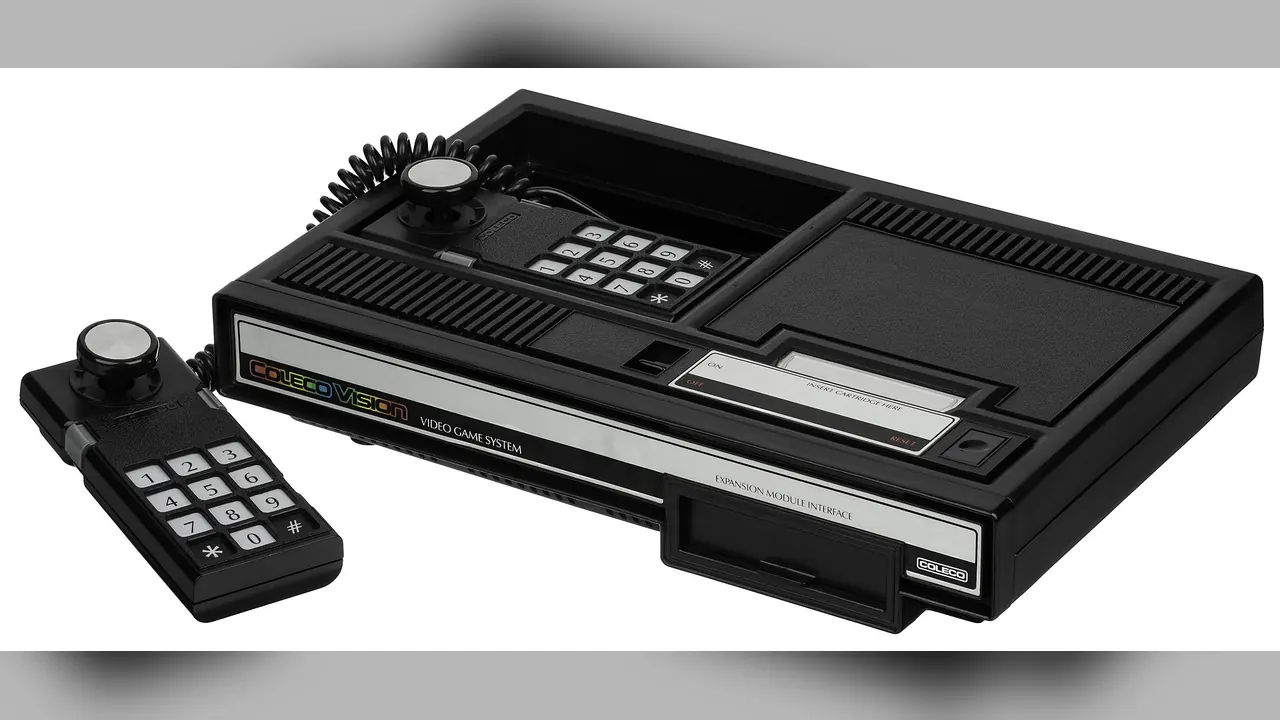
If you’re looking for the 50 best games for the ColecoVision, you’re in the right place. This article is a nostalgic deep dive into the history of one of the most sophisticated consoles of its generation, the ColecoVision. Far from being just a home game machine, it was designed to offer an arcade experience as close and faithful as possible. Let’s revisit the catalog of landmark titles, from the iconic game Donkey Kong, included in the original version, to the classics that defined the electronic playground of the 1980s.
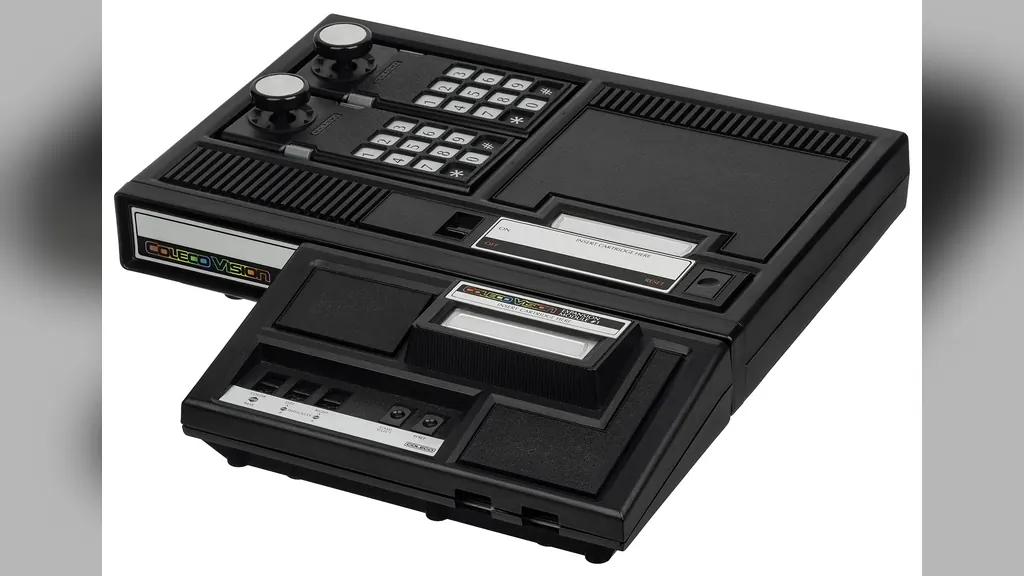
The relevance of the ColecoVision in video game history is undeniable. Released in August 1982 in North America, it emerged as a direct rival to arcade machines, surpassing the competition of the time, such as the Atari 2600, in many aspects. Its initial catalog, which featured the release of approximately 136 games between 1982 and 1984, ensured that players had a vast library. Furthermore, its expansion capability, such as the Expansion Module #1, which allowed it to run Atari 2600 cartridges, cemented the console as an extremely versatile platform.
In this comprehensive guide, you will discover not only the most memorable titles but also the technological context that made the ColecoVision shine. We will explore the architecture that utilized the Zilog Z80A processor, the diversity of the original catalog, and, of course, the innovation of its accessories. Get ready to relive not just the games, but the entire experience of a golden age of arcades brought into the living room.
Key Facts
- Released in 1982 (NA) and 1983 (EU), the console sold over two million units.
- Its advanced architecture used the Zilog Z80A and 16 KB of video RAM, ensuring superior graphics.
- It competed directly with the Atari 2600 and Intellivision, recognized for its visual superiority and fluidity.
- The game Donkey Kong, in a pack-in format, was crucial in driving sales and immediate recognition of the system.
- It had high expansion capability, supporting modules for the Atari 2600 and personal computers (Adam).
ColecoVision in Summary
| Manufacturer | Coleco |
|---|---|
| Type | Home video game console |
| Generation | Second |
| Release | NA: August 1982; EU: July 1983 |
| Discontinuation | August 1985 |
| Media | ROM Cartridge |
| CPU | Zilog Z80A @ 3.58 MHz |
| Graphics | TMS9928A (NTSC); TMS9929A (PAL) |
| Best Game | Donkey Kong (pack-in) |
The machine that rivaled the arcades
The ColecoVision didn’t just ride the arcade craze; it aimed to replicate and, in many ways, surpass that experience in the home. It launched in North America in August 1982, and a little over a year later, in July 1983, it reached the European market. From the start, the console positioned itself as a direct graphical rival to the established systems of the time, such as the Atari 2600 and the Mattel Intellivision. Its visual superiority was striking, and the accompanying game, the acclaimed Donkey Kong, helped boost its sales. To better understand the evolution of these systems, it’s interesting to note how other consoles sought the arcade legacy, as seen with the Atari Flashback 9 and home arcades. In a short time, the model sold over one million units by early 1983, accumulating total sales that surpassed two million consoles by its discontinuation in August 1985.
State-of-the-Art Technical Architecture
To understand the ColecoVision’s pioneering nature, one must delve into its internal engineering. The console was a true engineering feat for the 1980s, combining cutting-edge components that gave it a graphical capability superior to its competitors. It was powered by a Zilog Z80A processor running at 3.58 MHz and was equipped with 16 KB of video memory, in addition to 1 KB of memory for auxiliary tasks (scratchpad RAM). Graphically, the system used the TMS9928A chip for NTSC (North America) and the TMS9929A for PAL (Europe).
This combination of components was not merely an accumulation of parts; it was a sophisticated architecture that allowed for the reproduction of fluid and detailed graphics. The ability to generate such smooth graphics was remarkable enough to directly influence the next generation of consoles. In fact, while developing systems like the Famicom, professionals such as Takao Sawano, who was responsible for the Nintendo Entertainment System’s design, were impressed by the ColecoVision’s graphical fluidity, contrasting it with the “flickering” often seen in Atari 2600 games.
Technological Legacy and the Market
Beyond its technical strength, the ColecoVision managed to create a vast game catalog. Its robustness led it to become a console that set a standard of reference. The system’s own technical precision was so high that it later allowed for the creation of the Expansion Module #1, which, although an expansion module, allowed compatibility with Atari 2600 cartridges, ensuring an even larger software library for users.
In summary, the ColecoVision established a high standard of graphical and technical quality during a time of intense competition. It was a milestone that proved that home video games could rival, and even surpass, the experience offered in arcade halls, paving the way for the general evolution of the industry.
The Diversity of the Catalog and Iconic Titles
The ColecoVision’s initial success was built upon a solid foundation of titles that not only attracted players but also set a new standard of home graphical excellence. Launched in North America in August 1982, the console quickly stood out for graphics superior to its contemporaries, such as the Atari 2600 and the Mattel Intellivision. Although the catalog was vast and genre-rich, the title that drove sales and guaranteed its immediate recognition was Donkey Kong, which came in pack-in format (embedded in the box). This game was not merely a draw; it was the catalyst that caused sales to triple in 1982, solidifying the ColecoVision as a direct and technologically advanced rival to the Atari 5200.
The device’s true strength, however, lay in its ability to offer a complete and diverse arcade experience. The system did not depend on a single hit to remain relevant. Its sophisticated architecture allowed Coleco to release a robust library that explored different game mechanics. When expansion became necessary, Coleco did not hesitate to innovate. For example, the Super Game Module was planned, which, although canceled, promised to expand the console’s power by adding a 128 KB Exatron Stringy Floppy tape drive and additional RAM, allowing games to be distributed on tiny tapes called wafers, surpassing the limitations of the era’s 16 KB or 32 KB ROM cartridges. This vision for expansion ensured that the catalog remained fresh and technologically ambitious.
The Legacy and Lasting Influence
The influence of the ColecoVision extended beyond the home console market. Its accuracy in bringing arcade hits home was so remarkable that, according to historical accounts, it set a standard that directly influenced the development of later consoles, such as Nintendo’s Famicom. To better understand this transition, it is worth recalling the legacy of arcades at home. Even after Coleco announced the discontinuation of the unit in October 1985, the catalog continued to generate interest. The legacy of the ColecoVision lives on today, not only in PC game collections (like the ColecoVision Hits versions for Windows in 1997) but also in fan initiatives. From the release of the first homebrew (fan-made game) in 1996, such as the Tetris clone called Kevtris, to modern flashback consoles, like the one released by AtGames in 2014, the ColecoVision catalog proves to be a pillar of video game history, a testament to its ability to keep the magic of the arcade alive in the home environment.
Expanding the Universe: Accessory Innovation
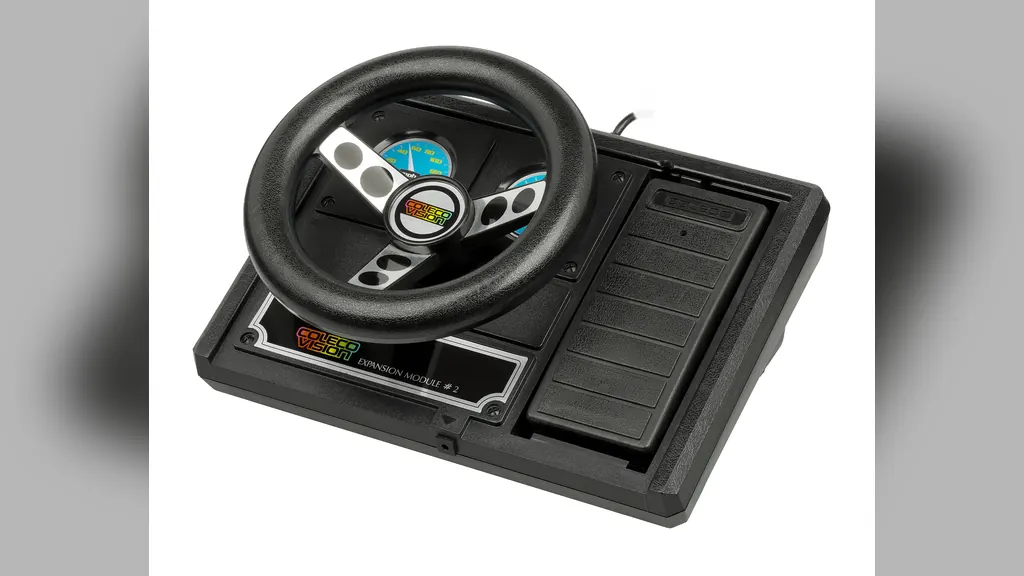
The true longevity of a video game console rarely rests solely on the strength of its initial library, but rather on its ability to adapt and absorb new technologies. The ColecoVision was a masterful example of this versatility. From its robust technical specifications—equipped with a Zilog Z80A processor running at 3.58 MHz, 16 KB of video RAM, and 8 KB of ROM—the unit was engineered not just to run the best games of the era, but to grow with time. This expansion engineering allowed the ColecoVision to remain relevant, transcending mere arcade emulation and embracing new media and input formats, which reminds us of the magic of classics like the 50 Best Games for Neo Geo CD.
The Bridge to an Expanded Library
One of the most notable examples of this expansion capability was the Expansion Module #1. This module was crucial for the ColecoVision’s compatibility with Atari 2600 cartridges and controllers. The module didn’t just bridge this gap; it was an autonomous system: it provided power, clock, and audio/video output, without the main console needing to process or translate the 2600 game code. This feature made it one of the first Atari 2600 console clones, granting the ColecoVision a vast software library that drastically expanded its appeal in the market.
The versatility extended beyond gaming. In a move that demonstrated its ambition to be a complete home entertainment center, the ColecoVision was integrated into the world of personal computing through the Adam computer. The Expansion Module #3 allowed the console to connect to this platform, extending its purpose from pure entertainment to the domain of data processing. This ability to transition between gaming and calculation was a testament to its open architecture.
Specialized Controllers and Input Systems
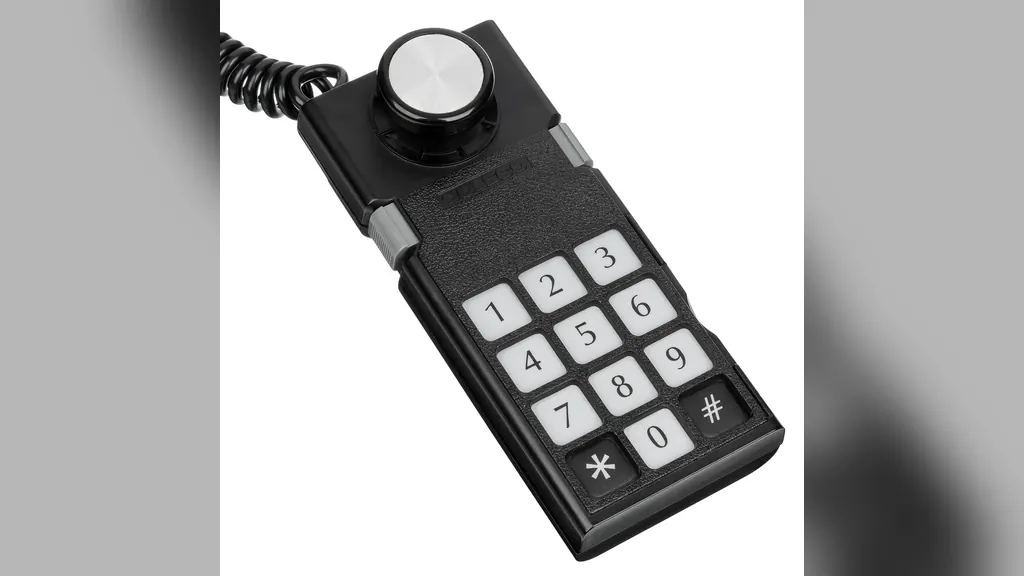
To keep pace with the increasing complexity of games, the ColecoVision also invested in specialized input peripherals, ensuring players had the ideal control for any challenge. In addition to the traditional joystick and numeric keypad, the system received the Roller Controller, the Driving Controller, and the Super Action Controller. These devices were not mere accessories; they were extensions of the player’s experience, designed to replicate the tactile feel and precision of old arcade cabinets.
Even decades after its release, the capacity for expansion was maintained in spirit. In 2012, Opcode Games released the Super Game Module, which increased the available RAM from 1 KB to 32 KB and added four extra sound channels. This technical evolution kept the ColecoVision close to modern architectural standards, proving that the console was not just a nostalgic machine, but a system with a lineage of continuous innovation. This combination of hardware modules and specialized controllers gave the ColecoVision a lifespan and relevance that few systems of its time could match.
The 40 Best Games for ColecoVision
1. Centipede
Year: 1983 | Developer: Atari Inc. | Genre: Action/Shooter
Centipede is an arcade classic that captivates players with its unique combat perspective. The objective is to eliminate centipedes and other enemies that move in complex patterns across a grid. The game demands strategy and precision, as the creatures divide and attack in a coordinated manner, making every level an increasing challenge. What makes Centipede a standout on the ColecoVision is the richness of its visual elements and the addictive gameplay, which manages to translate the adrenaline of the arcade era into the home environment, marking it as a milestone in the shooter genre.
2. Defender
Year: 1983 | Developer: Atari Inc. | Genre: Action/Shooter
Considered one of the most challenging titles of its time, Defender places the player in a ship engaged in intense combat against a horde of alien threats. The challenge lies not just in shooting, but in managing space and dodging multiple simultaneous attacks. It is a masterful example of on-screen shooter gameplay, requiring quick reflexes and tactical planning. The presence of Atari Inc. in the development ensures that the game maintains a high level of complexity and action, making it one of the most demanding and addictive games on the ColecoVision platform.
3. Pitfall II: Lost Caverns
Year: 1984 | Genre: Platformer/Adventure
Continuing the Pitfall saga, this title plunges players into a deeper and more dangerous exploration. The game enhances the platforming formula by adding more vast scenery and environmental puzzles. Players must navigate through caverns and jungles, facing new threats and uncovering secrets. What makes Pitfall II a highlight is its narrative progression and sense of discovery. Activision successfully capitalized on the series’ success, delivering a rich and engaging experience that captivated fans of adventure exploration.
4. Donkey Kong
Year: 1982 | Genre: Platformer/Arcade
Donkey Kong is an icon that transports the player directly into classic arcade action. The objective is to rescue Pauline by climbing and overcoming obstacles set by the fearsome gorilla. The game is a masterclass in platforming mechanics, combining precise jumps, barrel dodges, and using the environment to one’s advantage. Its release by Coleco ensures that this nostalgic experience reaches homes. The title is a landmark for its straightforward, yet extremely challenging gameplay, maintaining the arcade essence that made it timeless.
5. Galaxian
Year: 1984 | Developer: Atari Inc. | Genre: Space Shooter
Galaxian is one of the best examples of space shooting on the ColecoVision. The game places the player at the center of a battle against alien spacecraft moving in challenging geometric formations. Strategy is crucial, as enemies attack in coordinated waves, requiring the player to remain calm and maintain accurate aim. Developed by Atari Inc., the title is synonymous with intensity and perfect level design. It stands out for its escalating difficulty curve and the pure satisfaction of eliminating threats in a confined space.
6. Q*bert
Year: 1983 | Developer: Adrenalin Entertainment | Genre: Puzzle/Platformer
Q*bert is a unique game that blends platforming and puzzle elements with incomparable charm. The player must help Q*bert escape a labyrinth of creatures by jumping on specific colors to disarm the enemies. The color-matching mechanic is what gives the title its depth and originality. Developed by Adrenalin Entertainment, it stands out for its creative gameplay and vibrant visuals. It is a title that moves beyond pure combat, focusing more on intelligence and planning, providing a light and extremely fun experience.
7. River Raid
Year: 1984 | Developer: Sydney | Genre: Action/Shooter
River Raid is a dizzying action game that has the player piloting a plane over a dangerous river. The objective is to survive while facing land enemies, aircraft, and obstacles crossing the path. The gameplay is extremely fluid and fast-paced, requiring the player to master fuel management and firepower. Developed by Sydney, it is one of Activision’s biggest hits on the platform. Its fast pace and constant sense of danger make it one of the most electrifying and addictive titles on the ColecoVision.
8. Montezuma’s Revenge
Year: 1984 | Genre: Adventure/Puzzle
Montezuma’s Revenge is an adventure masterpiece that transports the player to a mysterious Mayan civilization. Unlike shoot ’em-up games, this title focuses intensely on exploration and solving complex puzzles. Players must discover secret passages, decipher enigmas, and deal with the dangers of the jungle. Its depth and atmosphere of mystery are unparalleled. The experience is a cultural and intellectual deep dive, making it one of the richest and most challenging titles on the ColecoVision, perfect for those who appreciate puzzle games.
9. Star Wars: The Arcade Game
Year: 1984 | Genre: Action/Shooter
This title is an epic tribute to the Star Wars universe, bringing galactic action to the ColecoVision. Players take control of starships in space combat against enemy forces in a setting reminiscent of classic arcade games. The ambiance and Star Wars theme guarantee massive appeal, while the space shooter gameplay maintains the challenge. The game manages to capture the grandeur of the saga in an arcade format, serving as an example of how the platform successfully adapted major pop franchises for home entertainment.
10. Space Fury
Year: 1983 | Genre: Space Shooter
Space Fury is an intense space shooter that places the player in constant battle against cosmic threats. From the initial shots to encounters with large enemy formations, the game demands precise aiming and quick reflexes. It showcases the ColecoVision’s ability to deliver high-caliber space action, rivaling the biggest arcade titles of the era. The title is an excellent example of how the platform managed to captivate shooter genre enthusiasts, delivering pure adrenaline and a constant survival challenge.
11. Front Line
Year: 1983 | Developer: Nuvatec | Genre: Action
Front Line is a third-person shooter title that captures the adrenaline of arcade shooters of the time. It places the player in intense combat scenarios, demanding precision and quick thinking to survive waves of enemies. The game stands out for its engaging gameplay and its ability to simulate a dynamic battlefield, which was notable for the ColecoVision platform. Developed by Nuvatec, it set a standard for robust action. Its combat mechanics and colorful graphics ensured the title was a landmark, proving the console’s potential for high-quality shooting experiences.
12. Buck Rogers: Planet of Zoom
Year: 1984 | Genre: Adventure
This science fiction title takes players on an epic adventure in the universe of Buck Rogers. The game is a tribute to the sci-fi genre, transporting the player to unknown planets and confronting galactic threats. It stands out for its narrative immersion and level design, which varies between exploration and intense combat. Although no specific developer is listed, the game’s success demonstrates the ColecoVision’s ability to port highly appealing IPs. It is a classic example of how the console knew how to capitalize on the public’s interest in grand stories and space travel.
13. Artillery Duel
Year: 1984 | Developer: Action Graphics | Genre: Strategy
Artillery Duel is a title that demands more than just reflexes; it requires strategy and tactical planning. The game simulates artillery duels, where positioning and calculating projectile trajectories are crucial for victory. Developed by Action Graphics, the game is praised for its mechanical depth, which sets it apart from simple shooting games. It is an excellent example of how the ColecoVision supported more complex genres. Its cerebral gameplay and the need to anticipate the opponent’s moves make it a strategy classic for those seeking a deeper challenge on the console.
14. The Dam Busters
Year: 1985 | Developer: Sydney | Genre: Action
The Dam Busters brings a historical action experience, based on one of the most famous military events of World War II. The game challenges the player to participate in attack missions, demanding precision and coordination in intense combat scenarios. Developed by Sydney, the title is recognized for its rich setting and balanced difficulty, which keeps it interesting from start to finish. It stands out for how it combines the military theme with arcade-style gameplay, making it one of the most ambitious titles of its time. It is a milestone that shows the ColecoVision’s versatility beyond purely fictional themes.
15. Cosmic Avenger
Year: 1982 | Genre: Action
Cosmic Avenger is a title that plunges the player into a high-energy cosmic adventure. The game places the protagonist on a mission to save the universe, confronting various alien threats and superpowers. Released in 1982, it pioneered setting a high standard for action and colorful graphics on the platform. What sets it apart is the combination of a captivating plot with fast and addictive gameplay. It represents one of the pillars of the ColecoVision catalog, proving that the console was capable of delivering arcade-level shooting and adventure experiences, marking an era in the early 80s.
16. Space Panic
Year: 1983 | Genre: Action
Space Panic is a frantic action title that captures the essence of classic space shooting arcade games. The player must navigate asteroid fields and face hordes of enemies at a dizzying pace. The game is praised for its extremely fluid gameplay and the increasing challenge it presents. It stands out for maintaining tension in every level, forcing the player to sharpen their reflexes. One of the most iconic titles for the ColecoVision, Space Panic proves that the console was perfectly equipped to simulate the addictive and colorful experience of the arcades, making it an immediate hit with contemporary enthusiasts.
17. Pitfall!
Year: 1984 | Developer: Action Graphics | Genre: Platform
Pitfall! is an absolute classic of the platformer genre, a milestone in video game history. The game follows the adventurer Pitfall Harry in search of treasure, requiring the player to jump over traps and avoid dangers in a richly detailed environment. Developed by Action Graphics and published by Activision, the title is notable for its precise gameplay and the creation of an immersive world. It stands out for popularizing the platformer genre on the ColecoVision, establishing standards for level design and jumping that influenced generations of developers. A true turning point for the console.
18. Super Cross Force
Year: 1983 | Genre: Action
Super Cross Force is a vehicle action title that throws the player into fast and dynamic confrontations. The game requires the user to master vehicle physics to navigate scenarios full of obstacles and rivals. Published by Spectravideo, it is recognized for its first-person combat mechanics and the sense of speed it conveys. What makes it special is how it explores the combat potential of the ColecoVision, offering gameplay different from traditional shooting games. It is an example of how the console adapted to offer action experiences more focused on vehicles and tactical combat.
19. Super Action Football
Year: 1984 | Developer: Davis & Nussrallah & Associates | Genre: Sports
This football title is one of the most comprehensive sports games on the ColecoVision. It allows players to simulate soccer matches with gameplay that demands both strategy and quick reflexes. Developed by Davis & Nussrallah & Associates, the game is praised for its faithful representation of the sport, with passing and shooting mechanics that add depth. The title stands out for being one of the pioneers in offering robust sports simulations on the console. It is an example of how the platform was capable of going beyond pure action, catering to an audience seeking the excitement of a well-programmed, competitive soccer game.
20. Super Action Baseball
Year: 1983 | Developer: Gordon Martin & Associates | Genre: Sports
Super Action Baseball is a sports classic on the ColecoVision, bringing the excitement of baseball to the screen. The game allows the player to take on the role of an athlete, facing challenges as a pitcher and a batter. Developed by Gordon Martin & Associates, it is praised for its engaging gameplay and its ability to simulate the crucial moments of a game. What sets it apart is the depth of its sports mechanics, keeping the player engaged in every turn. This title is a testament to the ColecoVision’s success in creating complex and addictive sports experiences, standing as one of the best examples of the genre on the platform.
21. Rocky Super Action Boxing
Year: 1983 | Developer: Action Graphics | Genre: Sports/Fighting
This title takes players into the boxing ring, putting them in the shoes of the famous fighter Rocky. Developed by Action Graphics, the game captures the adrenaline of sporting confrontations, marking a milestone for fighting games on the ColecoVision. What sets it apart is the dynamic representation and depth of the combat, demanding strategy and precision in every punch. It is a vibrant example of how the platform supported high-octane action titles, providing a competitive and immersive experience for sports enthusiasts.
22. Star Trek: Strategic Operations Simulator
Year: 1984 | Genre: Strategy Simulation
For fans of the Star Trek franchise, this strategy simulator offers deep immersion into galactic operations. It allows the player to take on a command role, managing resources and making crucial tactical decisions for the mission’s success. The game is highly praised for its complexity and faithfulness to the Star Trek universe. On the ColecoVision, it stands out by transforming a science fiction theme into a sophisticated management experience, challenging the player with scenarios that require meticulous planning across multiple battlefronts.
23. Gateway to Apshai
Year: 1984 | Genre: RPG/Adventure
A classic of adventure and RPG, Gateway to Apshai transports the player to a rich and mysterious fantasy world. The game is known for its engaging narrative and the depth of its game mechanics, living up to its title. It is one of the most important titles for demonstrating the ColecoVision’s narrative potential. What makes it special is the combination of dungeon exploration with a well-articulated combat and puzzle-solving system, captivating players looking for more than just arcade action.
24. The Wizard of Id’s Wiz Math
Year: 1984 | Developer: Sydney | Genre: Educational/Puzzle
This title combines entertainment with learning, using the popular character The Wizard of Id to teach math in a fun way. Developed by Sydney, the game is a pioneering example of high-quality educational content for the platform. It stands out by transforming reasoning exercises into a playful and captivating challenge. For parents and educators of the time, the game was a hit, proving that the ColecoVision could be both a source of fun and an effective educational tool, keeping the player engaged through progressive challenges.
25. Brain Strainers
Year: 1984 | Developer: Carousel Software | Genre: Puzzle
Brain Strainers is a title focused on testing and improving the player’s logical reasoning. Developed by Carousel Software, it presents a series of challenging puzzles that require attention and creativity. The game is an excellent example of how the ColecoVision could offer high-level brain entertainment. What makes it special is the progression of the enigmas, which gradually increase in difficulty, ensuring the player remains engaged. It is an educational and addictive title, perfect for those seeking a mental challenge without the violence of pure action.
26. Linking Logic
Year: 1984 | Genre: Logic Puzzle
This logic game is a pure puzzle, ideal for those who appreciate pure reasoning challenges. Published by Fisher-Price, the title is known for its accessible yet deeply challenging gameplay. It stands out for its clean interface and element-linking mechanic, which requires the player to visualize complex connections. ‘Linking Logic’ is a pillar of the genre that proves the versatility of the ColecoVision, offering a strategic break from shooting and fighting games. It is a title that rewards patience and analytical ability.
27. Memory Manor
Year: 1984 | Genre: Adventure/Memory
Memory Manor is a title that mixes the mysterious atmosphere of a manor with memory challenges. The player must unravel enigmas and recover lost information in a dark and intriguing setting. Published by Fisher-Price, the game is a success for its ability to keep the player immersed in a mystery narrative. What sets it apart is the integration of the memory mechanic with the story’s progression, making the learning of information a crucial element for advancement. It is an engaging experience that appeals to both reasoning and the desire to solve a great mystery.
28. Blockade Runner
Year: 1984 | Genre: Action/Arcade
Blockade Runner is a frantic action game that throws the player into a constant chase, demanding quick reflexes and route planning. Published by Interphase, it is a perfect example of the arcade games that defined the ColecoVision era. The game stands out for its intense gameplay and sense of urgency, forcing the player to dodge obstacles and enemies at high speeds. It is an addictive and challenging title that kept players glued to the console, proving the lasting appeal of racing and escape games.
29. Aquattack
Year: 1984 | Genre: Action/Shoot ’em up
Aquattack takes the player to the bottom of the ocean, transforming the screen into an aquatic battlefield. Published by Interphase, this shooting game is notable for its unique underwater setting and the variety of enemies the player must fight. It is one of the platform’s most colorful and dynamic titles. What makes it special is the blend of shooting combat with the exploration of a marine ecosystem, raising the level of graphic and tactical challenge. It is a classic that demonstrates the ColecoVision’s ability to create vibrant and dangerous worlds.
30. Turbo
Year: 1982 | Developer: Nuvatec | Genre: Racing
Considered a milestone in the racing genre, Turbo was one of the first high-impact titles for the ColecoVision. Developed by Nuvatec, this game set the standard for speed simulators on the platform. It stands out for the visceral feeling of high speed and the addictive gameplay that challenges the player’s reflexes. As one of the oldest and most influential titles, ‘Turbo’ is a testament to the ColecoVision’s power to deliver electrifying racing experiences. It is a classic that defined the racing genre on home consoles.
31. Time Pilot
Year: 1983 | Developer: Nuvatec | Genre: Simulation
Released in August 1983, Time Pilot is a milestone in space simulation for the ColecoVision. Developed by Nuvatec, the game transports the player through eras and galaxies, demanding strategy and precision to navigate a constantly changing universe. It stands out for the depth of its map and the authentic feeling of galactic exploration. Considered one of the platform’s most ambitious titles, the game not only challenges piloting skills but also offers an immersive experience that few games of the era could replicate, making it an excellent example of the ColecoVision’s potential in large-scale titles.
32. Tapper Root Beer Tapper
Year: 1985 | Genre: Arcade
This title, released in January 1985, captures the vibrant essence of classic arcade games. The objective is simple, but the challenge is constant: the player must use the ‘tapper’ to hit targets at a frantic pace. The game is a prime example of how the ColecoVision managed to bring the addictive gameplay of the arcades into the home environment. Its fast-paced rhythm mechanics and immersive soundtrack ensure that, even decades later, it maintains the appeal of pure challenge, making it one of Coleco’s biggest hits.
33. Congo Bongo
Year: 1984 | Genre: Action
Released in October 1984, Congo Bongo plunges the player into a world of adventure and action. The game demands agility and coordination, placing the player in a vibrant and dangerous mission in the Congo region. What makes this title memorable is the blend of platforming with combat elements, offering more than just a simple jumping game. It utilizes the ColecoVision’s hardware to create visually rich and challenging levels, establishing itself as one of the most fun and engaging titles in its catalog.
34. Bump ‘n’ Jump
Year: 1984 | Developer: Nice Ideas | Genre: Action
One of the most popular titles of 1984, Bump ‘n’ Jump puts the player behind the wheel of a vehicle in an intense action race. Developed by Nice Ideas, the game is an arcade classic masterfully adapted for the ColecoVision. It stands out for its immersive driving gameplay and colorful graphics that simulate the adrenaline of a street race. The title is a perfect example of how the platform could adapt popular genres, offering hours of chaotic and competitive fun that captivated players of all ages.
35. Mr. Do!’s Castle
Year: 1984 | Genre: Adventure
This title, released in October 1984 and published by Parker Brothers, is a nostalgic tribute to arcade classics. Mr. Do!’s Castle transports the player to a mysterious castle, where exploration and puzzle-solving are essential. The game is praised for its immersive atmosphere and level design that encourages discovery. It represents the ColecoVision’s ability to revive the magic of arcade games, offering a rich and challenging adventure experience that captivates from the first moment.
36. Beamrider
Year: 1984 | Developer: Action Graphics | Genre: Shooter
Beamrider, from 1984, is a space shooter title developed by Action Graphics and published by Activision. The game places the player in a ship engaged in constant combat against hordes of enemies in a futuristic setting. It stands out for its relentless action and the graphical quality that was characteristic of Activision. The challenge of maneuvering and shooting with precision at a fast pace makes this one of the best examples of platform shooter games. It is a title that proves the versatility of the ColecoVision in delivering high-caliber sci-fi experiences.
37. The Dukes of Hazzard
Year: 1984 | Genre: Action
Released in August 1984, The Dukes of Hazzard is a remarkable example of media adaptation. The game brings the excitement of the iconic television series to the video game universe, putting the player in the shoes of the protagonists during high-speed chases. What makes it special is how it translates the dynamic and spirit of the TV show into gameplay. The ColecoVision utilized its graphics power to simulate the exciting races and confrontations, becoming a hit that combined television appeal with arcade challenge.
38. Popeye
Year: 1983 | Genre: Action
This title, released in August 1983 by Parker Brothers, is a direct tribute to pop culture and classic cartoons. The game allows the player to live the adventure of Popeye, an iconic character, in a context of action and combat. It is a landmark for bringing such a beloved intellectual property to the ColecoVision. The game stands out for capturing the character’s playful and energetic spirit, while the hardware of the time is used to create satisfying platforming and combat challenges, pleasing both comic book fans and video game enthusiasts.
39. Super Cobra
Year: 1984 | Genre: Action
Super Cobra, published by Parker Brothers in March 1984, is a title that evokes the nostalgia of arcade chase and challenge games. The player controls a snake on a survival mission in a dangerous environment. The game is praised for its addictive gameplay and increasing difficulty, which keeps the player engaged until the end. It represents the ColecoVision’s ability to create pure and direct action titles, serving as an example of how the simplicity of a concept can generate an extremely challenging and fun gaming experience.
40. Wing War
Year: 1983 | Developer: Alan Smith | Genre: Action
Released in November 1983, Wing War is a combat flight title that stands out for its precision and the technical quality developed by Alan Smith. The game places the player in a constant battle scenario, demanding perfect maneuvers and aiming while controlling their aircraft. It is considered one of the best combat simulation games on the platform because it balances the frantic action of the arcade with the depth of a simulator. Wing War proves that the ColecoVision was capable of delivering high-level visual and mechanical experiences, leaving a lasting memory on action game players.
Glossary
- Zilog Z80A: The central processor that powered the console, responsible for all system operation and logic.
- Pack-in: A game that came built into the console box, serving as a sales draw upon release.
- Scratchpad RAM: A 1 KB auxiliary memory used by the system for internal tasks and processing operations.
Frequently Asked Questions
Was the ColecoVision better than the Atari 2600?
Yes, it was considered graphically superior. The ColecoVision was designed to replicate the arcade experience, featuring smoother and more detailed graphics than its contemporary competitors. Its sophisticated architecture was a step forward in terms of visual fidelity and performance.
What games are essential for a ColecoVision collector?
Essential titles include the iconic Donkey Kong, which was a major sales driver. Other must-have classics are Centipede, a landmark in grid-based shooting, and Defender, a game that demands quick reflexes and intense tactical planning.
Is the ColecoVision compatible with other video game systems?
Yes, it was remarkably versatile. The Expansion Module #1 allowed compatibility with Atari 2600 cartridges and controllers. Furthermore, Module #3 extended its use into the realm of data processing, connecting it to personal computers.
What was the importance of Donkey Kong for the ColecoVision’s launch?
Donkey Kong was fundamental to the initial success. It came as a pack-in, serving as a catalyst that not only attracted players but also boosted sales. It established the console as a technological rival and a standard of graphical excellence.
What was the Expansion Module #3 and how did it work?
The Expansion Module #3 allowed the ColecoVision to connect to the Adam computer. This functionality extended the console’s purpose from mere entertainment to the domain of data processing. It transformed the system into an integrated center for both entertainment and calculation.
Conclusion
The ColecoVision transcended the role of a mere video game console; it established itself as an engineering milestone and a cultural force that redefined the home gaming experience. Since its release in August 1982, the system not only sought to emulate the euphoria of the arcades but did so with undeniable graphical superiority. Equipped with a Zilog Z80A processor and a sophisticated architecture, the ColecoVision was a technical achievement that impressed industry professionals, directly influencing the development of subsequent console generations. Its initial success, fueled by iconic titles like Donkey Kong, solidified its position as a cutting-edge technological rival.
However, its true strength lies in its versatility. The system’s expansion capability, exemplified by the Expansion Module #1, which ensured compatibility with Atari 2600 cartridges, and Module #3, which connected the console to the Adam computer, proved that the ColecoVision was more than just a game player. It was a constantly evolving platform, a standard of quality that allowed for catalog growth and the exploration of new media. This legacy of adaptability, which is evident today in homebrew collections and flashback consoles, attests to its historical relevance.
The ColecoVision didn’t just bring the arcades home; it paved the way for the industry’s evolution itself, proving that technical innovation paired with a robust catalog can create a lasting cultural impact. To grasp the depth of this history, diving into the games and technical details of this console is the best way to feel the magic of the era.