Read this article in: Portuguese (Português) · Spanish (Español)
For those wondering who created Star Ocean, the answer involves a rich tapestry of Japanese talent. Star Ocean is a sci-fi action RPG franchise developed by the studio tri-Ace and published by Square Enix. The genesis of the saga is credited to a team of notable creators, including Yoshiharu Gotanda, Masaki Norimoto, and Joe Asanuma. The narrative depth and space setting were conceived by these professionals, who were heavily inspired by themes of science fiction and intergalactic travel, establishing from the outset a series that promised much more than just epic combat.
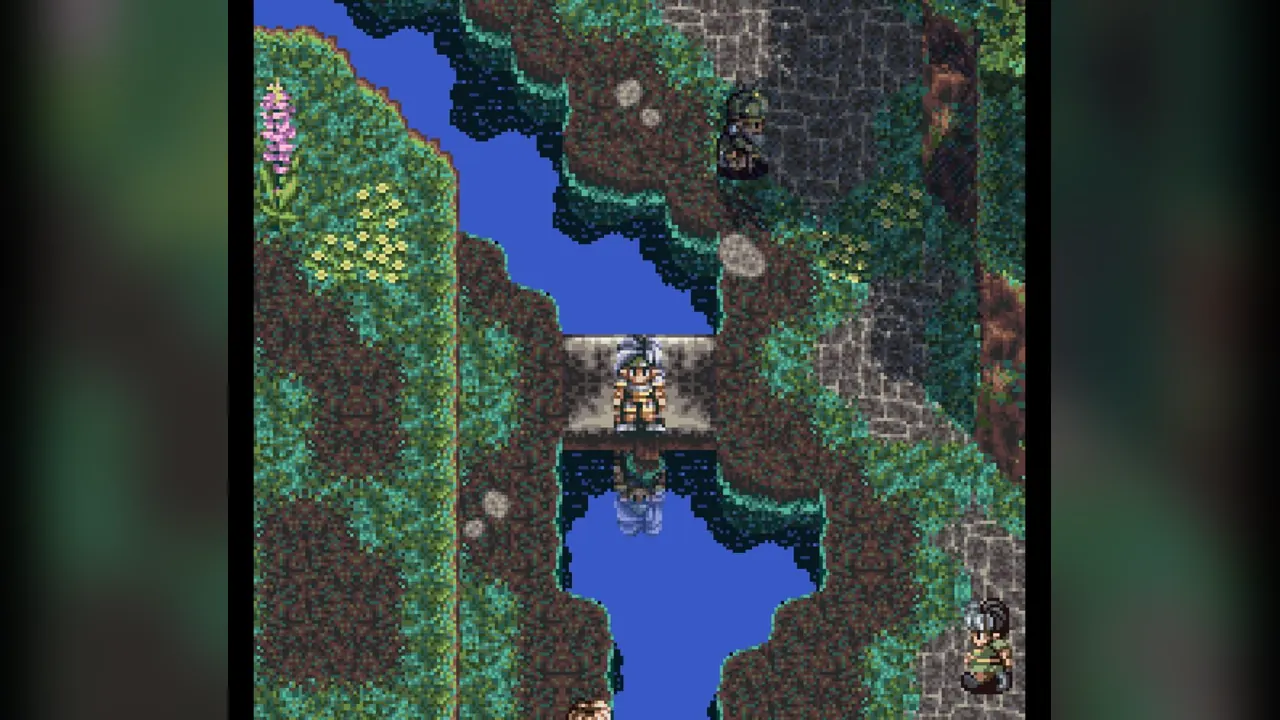
The relevance of Star Ocean is undeniable, both in terms of timeframe and impact. The first game was released in 1996 for the Super Famicom, and it stood out as one of the first real-time RPGs to allow the story’s outcome to be significantly altered by dialogue choices and players’ social actions. Throughout its history, the series grew exponentially, surpassing the mark of 4.2 million copies sold by 2013. The franchise’s longevity and adaptability, which continues with releases like Star Ocean: The Second Story R, attest to its status in the genre.
In this article, we will dive into the fascinating history of Star Ocean. We will explore the saga’s genesis, unraveling the inspiration behind the space setting, from references like Star Trek. We will analyze the game mechanics, focusing on the “private actions” system that grants narrative choice freedom, and track the series’ evolution across different platforms and remakes. Furthermore, we will dedicate attention to the artistic design and the epic soundtrack by Motoi Sakuraba, showing why Star Ocean remains a milestone in the RPG genre.
Key Points
- The saga is an action RPG, developed by tri-Ace and published by Square Enix.
- The ‘private actions’ system allows social choices to drastically alter the plot and endings.
- Motoi Sakuraba is the composer responsible for the series’ epic and immersive soundtrack.
- The series combines high science fiction technology with medieval-era social structures.
- The longevity is remarkable, with releases dating from 1996 up to the most recent version in 2023.
Star Ocean in Summary
| Genre | Action role-playing |
|---|---|
| Developer | tri-Ace |
| Publisher | Square Enix |
| Creators | Yoshiharu Gotanda; Masaki Norimoto; Joe Asanuma |
| Composer | Motoi Sakuraba |
| Release (First) | Star Ocean; July 19, 1996 |
| Release (Most Recent) | Star Ocean: The Second Story R; November 2, 2023 |
The Creators and the Genesis of the Star Ocean Saga
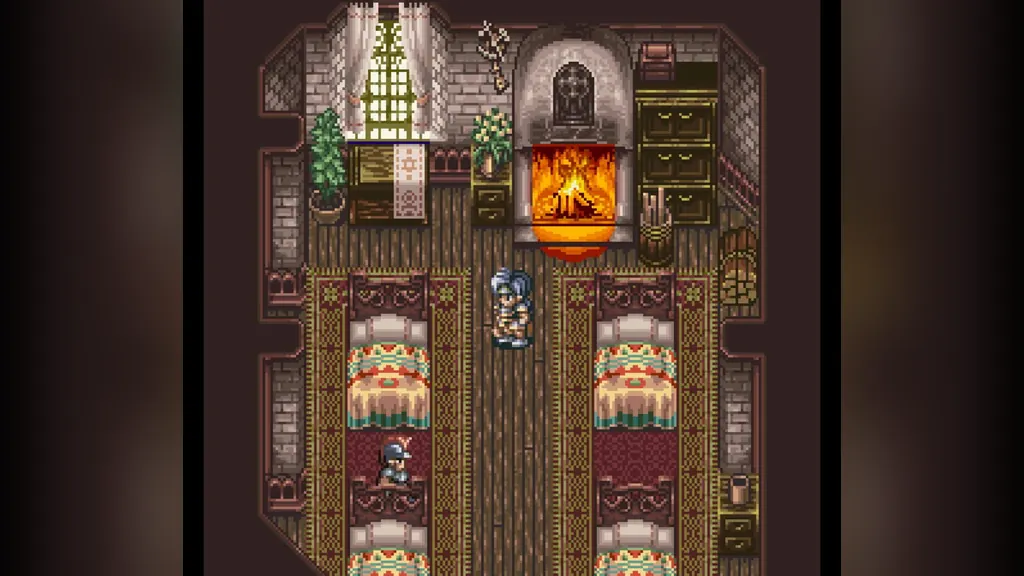
The genesis of Star Ocean is a fascinating case study on how the convergence of talents in different areas—writing, programming, and music—can give rise to a franchise of epic proportions. The primary credit for the game’s architecture and development belongs to the studio tri-Ace. It was this collective that knew how to transform the idea of a science fiction RPG into a title that challenged the narrative conventions of the time, a genre with deep roots and a rich history of sci-fi RPGs.
The Creative Pillars
Behind the series’ lasting success is a group of fundamental creators. Yoshiharu Gotanda, Masaki Norimoto, and Joe Asanuma are cited as the key creators who shaped the saga’s initial vision. They not only defined the scope of space science fiction but also structured the choice system that would become the franchise’s hallmark. Complementing this narrative and technical foundation, composer Motoi Sakuraba played a crucial role. His epic soundtrack not only accompanied the story but elevated the level of immersion, becoming almost a character in itself in the player’s experience. See also: Who created Invisible, Inc..
In terms of publishing and development, the original title was published by Enix in 1996. Over time and with the evolution of the market, Square Enix took on the role of publisher, keeping the legacy alive through new iterations and remakes. This editorial support was vital for the series to transition across different console generations, from the original release of Star Ocean to more recent titles like Star Ocean: The Second Story R, released on November 2, 2023.
The Complexity of the Choice System
What truly distinguishes the creation of Star Ocean is its social relationship system, known as “private actions.” Since the first title in 1996, the game stood out for allowing the story’s outcome to be altered directly by the player’s actions and dialogue choices. This system was not merely cosmetic; it impacted gameplay, influencing even the characters’ behavior during combat.
This mechanic was exponentially expanded in the sequel, Star Ocean: The Second Story, released in 1999. This game set a new standard in the RPG industry by presenting a friendship and relationship system so deep that it allowed for up to 86 distinct endings. The possible permutations among these outcomes totaled hundreds, a feat that cemented the series as a pioneer in offering unprecedented narrative freedom in a video game. This creative engineering, which balances real-time combat mechanics with deep social choices, is the most tangible legacy of the team behind the saga.
The Inspiration Behind Space Science Fiction
The conception of Star Ocean fundamentally stems from a deep passion for science fiction and the exploration of the unknown. For the developers, the space universe is not merely a setting, but a fertile ground for epic narratives and journeys of self-discovery. This fascination with the cosmos is the creative engine behind the entire saga. In visual and conceptual terms, the influence of major space travel franchises is undeniable. Beyond Star Trek, the genre is rich with references, such as the history of other science fiction icons. It is not merely a tribute, but a dialogue with the genre that seeks to raise the standards of how space and technology can be depicted in a large-scale game format.
What truly distinguishes Star Ocean, however, is the way it constructs a hybrid setting that avoids futuristic clichés and delves into cultural nuances. The series blends cutting-edge science fiction technology—advanced spaceships, futuristic weaponry, and interplanetary civilizations—with elements deeply rooted in social structures reminiscent of medieval or pre-industrial eras. This dichotomy is the core mystery of the universe: on planets that have barely advanced technologically, characters encounter cultures rich in traditions, complex social hierarchies, and archaic beliefs. This mixture gives the narrative a unique depth, where high technology is not enough to resolve conflicts, which are often of a human and social nature.
The Foundation of a Constantly Expanding Universe
From a technical and creative standpoint, the project was developed by tri-Ace and published by Square Enix, establishing a milestone in the action RPG genre. The Action role-playing genre, chosen by creators Yoshiharu Gotanda, Masaki Norimoto, and Joe Asanuma, allows players not only to experience grand plots but also to actively participate in every combat and interaction. The vast scale of the world, which spans diverse planets and distinct civilizations, requires a level of detail that transcends mere narrative; it must be playable and interactive.
This ambition to create a cohesive and vast universe explains not only the initial success, with the original title released in 1996, but also the longevity of the franchise. The commitment to exploring new cultures and technologies is constant, as evidenced by the development cycle that culminated in recent titles, with the most recent release date being November 2, 2023. This capacity for renewal, while maintaining fidelity to the central concept—a journey through a setting that balances sublime futurism with the mysticism of underdeveloped worlds—is what solidified Star Ocean as an interactive work of epic proportions.
Game Mechanics and the Freedom of Narrative Choice
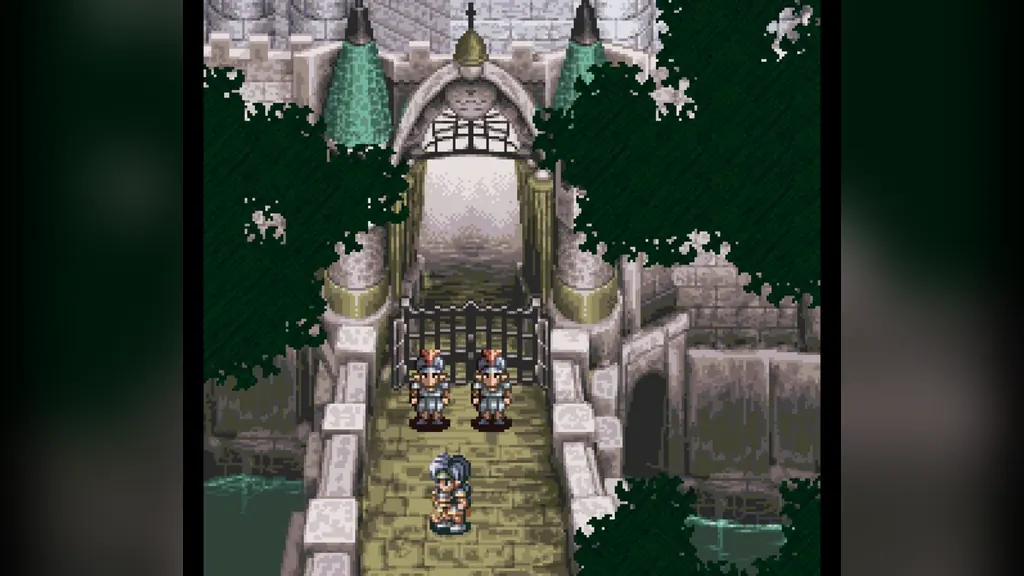
What truly elevates the Star Ocean series above other action RPGs is its deep focus on player agency. The title does not limit itself to presenting a predetermined epic narrative; it builds a complex system where the characters’ destinies and the unfolding of the story are directly influenced by the player’s choices. Star Ocean is recognized as one of the first real-time RPGs to grant protagonists the power to alter the plot’s outcome through their interactions and decisions at crucial moments.
The Influence of Social Relationships
The heart of this narrative freedom lies in the social relationship system, popularly known as “private actions.” This mechanic is the game’s differentiator because it transforms the simple act of dialogue into a vector for change in the story. In the original Star Ocean, released in 1996, tri-Ace implemented a system where the protagonist’s relationship points with each group member were affected by the choices made. These choices, which went beyond combat, directed the plot toward divergent paths and, consequently, multiple possible endings.
The complexity of this system was exponentially amplified in the sequel, Star Ocean: The Second Story, released in 1999. This title elevated the concept to an unprecedented level, presenting an impressive number of 86 different endings, resulting from hundreds of possible narrative permutations. The inspiration from romance simulators was evident: each character possessed friendship points and relationship points with all others, allowing the player not only to form pairs or couples (including romantic heterosexual relationships and friendships), but for these connections to have structural weight in the game.
The Synergy Between Narrative and Gameplay
It is crucial to note that the relationship system in Star Ocean does not function merely as narrative embellishment. It has a direct impact on gameplay, establishing a unique synergy between social life and combat. The level of affinity between characters, earned through private actions and dialogue choices, influences how they interact with each other in battle. Thus, the player is encouraged to think not only about combat strategy but also about the careful construction of their group, knowing that every conversation or gesture will have a tangible effect, both on the plot and on performance in a confrontation.
In summary, Star Ocean established a milestone in the action RPG genre by transforming the story into a living, malleable organism. By granting the player precise tools of influence—from dialogue choices to managing relationship points—the series ensures that the act of playing is, in itself, an act of narrative co-authorship, making it a fascinating case study on freedom of choice in video games.
The Evolution of the Series: Games, Platforms, and Remakes
The Star Ocean saga is a remarkable testament to longevity in a demanding genre like the action RPG. The journey began in 1996 with the original release of Star Ocean, published by Enix on the Super Famicom. From the start, the series’ ambition extended beyond Japanese borders. The title Star Ocean: The Second Story, released in 1999, was crucial, as it was the first game in the franchise published in the United States by Sony Computer Entertainment America, signaling the work’s potential for international reach.
The Adaptation to Platforms and Global Growth
Throughout the 2000s, the series demonstrated its capacity for technological adaptation, seeking to strengthen its presence in markets such as North America. With the arrival of the PlayStation 2, Star Ocean: Till the End of Time arrived. This title represented an effort by Square Enix to attract a wider player base. Later, the portable PSP format was explored with remakes and enhanced versions. In 2008, Star Ocean: First Departure was released, a remake of the original version for the PSP. The sequel, Star Ocean: Second Evolution, arrived in 2009, porting the content of The Second Story to the platform.
The evolution did not stop there. In 2010, the title Star Ocean: The Last Hope was released in North America shortly after its Japanese launch on the Xbox 360. Subsequently, an enhanced version, Star Ocean: The Last Hope International edition, arrived on the PS3 in the first quarter of 2010. This international edition not only maintained the Japanese audio but also added new character portraits and other exclusive features.
The Saga’s Persistence and Future
Despite the vast tapestry of titles, it is important to note that Star Ocean: Blue Sphere remains the only work in the series that was not released outside of Japan in any form, a fact that highlights the complexity of its global distribution. However, the series continues to find new platforms. The pinnacle of this evolution was the most recent release, Star Ocean: The Second Story R, on November 2, 2023. This title demonstrates that the franchise is not merely a collection of nostalgia, but a living organism, capable of reinventing itself and remaining relevant across different generations of consoles and operating systems, proving the resilience and timeless appeal of its science fiction narrative.
Artistic Design and the Epic Soundtrack
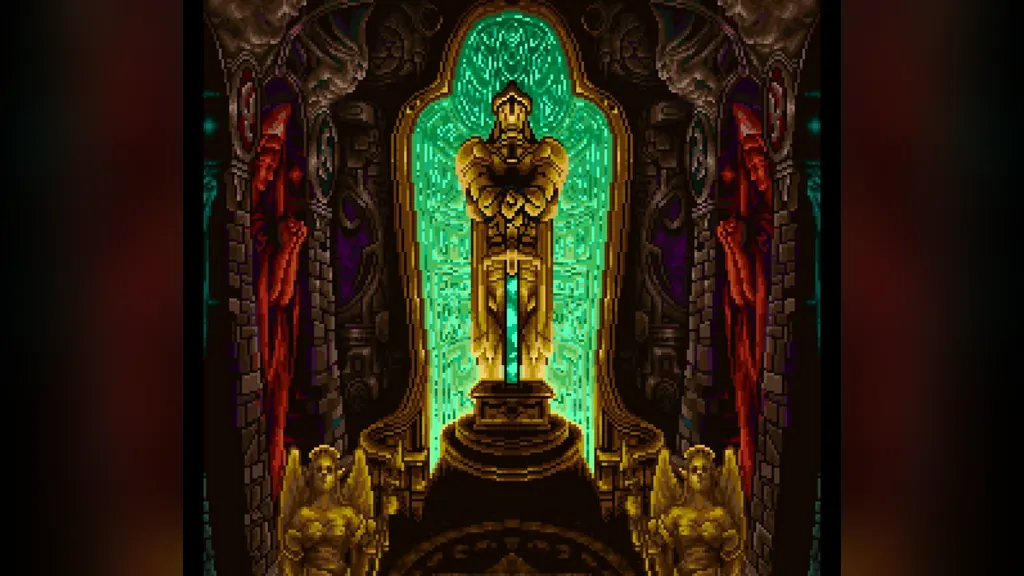
The visual appeal of Star Ocean is one of the pillars supporting its immersion, establishing a science fiction universe where the artistic design is as detailed as the complexity of its narratives. The characters, such as Ratix Farrence, Milly Kiliet, Ronixis J. Kenni, Iria Silvestoli, Fear Mell, Ashlay Barnbelt, Cius Warren, Marvel Frozen, Joshua Jerand, Perisie Remember, and Tinek Arukena, were conceived with an aesthetic that directly recalls action figures. This aesthetic intention gave the protagonists a striking, almost hyper-articulated look, which is central to the saga’s identity.
Initially, there was consideration of an advanced functionality that would adjust the characters’ appearance according to the equipment used. However, the project ultimately discarded this complexity due to the massive volume of drawings required. Nevertheless, the concept of visual adaptation was not entirely lost. In Star Ocean: The Last Hope, for example, the characters’ appearance begins to reflect the type of weapon they are using, keeping the idea of dynamic design alive. This attention to visual detail also extends to combat. The games are known for their real-time battle systems, where characters are fully mobile in three dimensions, able to dodge and pursue enemies. Gameplay requires players to manage not only the strategy of spells and attacks but also constant movement, all of this on a dedicated combat screen.
The Synergy Between Art and Sound
If the visual design sets the stage, the soundtrack is the emotional engine of the experience. The music, composed by Motoi Sakuraba, is not merely background; it is an active narrative element. The series’ grandeur is accompanied by compositions that make sophisticated use of orchestral samples and more visceral sound elements, such as digitized battle cries. This combination of epic symphonies with technological noises and vocals lends immense dramatic weight to every confrontation, elevating the action RPG genre to a cinematic level.
In addition to the auditory aspect, the item creation system reinforces the depth of the artistic design and gameplay. Group members can practice various crafts, such as metallurgy, alchemy, writing, painting, and cooking. The importance of craftsmanship is so great that the most powerful items and equipment are usually only available through Item Creation. This emphasis on creation not only adds tactical depth but also complements the visual universe, giving players tools that seem to belong to a technologically and culturally rich world.
In summary, the combination of characters designed to look like action figures, real-time three-dimensional movement, and an epic and technologically rich soundtrack ensures that Star Ocean is not just an RPG, but a cohesive and constantly evolving artistic experience, capable of sustaining a saga of such longevity.
📌 The Design Pillars Supporting Star Ocean
- Visual Design: Characters with an action figure aesthetic, giving them a highly articulated and striking look.
- Dynamic Combat: A real-time, three-dimensional system that requires movement management and combat strategy.
- Epic Soundtrack: Composed by Motoi Sakuraba, the music is an active narrative element, elevating the experience to a cinematic level.
- Crafting System: Tactical depth that allows players to create powerful items using skills like alchemy and metallurgy.
Legacy and Expansions Across Various Media
The success of the Star Ocean saga transcends the RPG genre. Its ability to adapt and maintain relevance over decades, from the original release on July 19, 1996, to the most recent title, *Star Ocean: The Second Story R*, released on November 2, 2023, attests to a robust cultural legacy. Commercially and artistically, the franchise has demonstrated massive appeal, surpassing the mark of 4.2 million copies sold by 2013. This longevity is sustained not only by technical quality but by the construction of a vast universe and memorable characters, such as Ratix Farrence, Milly Kiliet, and Iria Silvestoli, who have become icons for a generation of players.
Expansions Across Various Media
The impact of Star Ocean is not limited to consoles. The series universe has been explored on other media platforms, ensuring that the original material remained alive for new audiences. A notable example is the manga, which featured an incomplete series based on *Star Ocean: The Second Story*, created by Mayumi Azuma. This inspiration was taken even further into the anime format, resulting in *Star Ocean EX*. This animated series, distributed by Geneon Entertainment in the United States, consists of 26 episodes and maintained the narrative pace in subsequent materials, such as drama CDs.
Critical reception, although varied, has always recognized the strength and ambition of the work. In contemporary reviews, the game *Star Ocean: The First Departure*, a remake of the original, was praised for its animation and “charming” plot by Famitsu, despite criticism regarding save limitations and the size of the world map. In 2009, Nintendo Life magazine highlighted the series’ technical value, praising the visual aspect and soundtrack, which “never stop surprising.”
Resilience and Technological Adaptation
The saga’s history is also marked by attempts at innovation and overcoming technical challenges. For example, *Star Ocean: Blue Sphere*, which was extremely popular in Japan for its gameplay systems and narrative, was adapted for mobile devices, resulting in a remake that included redesigned graphics and a remastered soundtrack. Even titles that faced criticism for *bug* issues or incompatibility, such as *Star Ocean: Till the End of Time*, continued to drive the franchise’s development. The ability of tri-Ace and Square Enix to maintain focus on the narrative core, even when faced with challenges like the *pacing* in *Star Ocean: The Last Hope* or the graphical variation in *Star Ocean: Integrity and Faithlessness*, demonstrates the resilience and depth of the source material.
In summary, Star Ocean has established itself as a cultural milestone in the action RPG genre. Whether through its complex games or through its adaptations in manga and anime, the saga proves that its appeal lies in the perfect combination of rich space science fiction and a deeply personal narrative, securing its place in the pantheon of interactive fiction titles.
Glossary
- Action role-playing: A game genre that combines elements of RPG (narrative choices) with real-time combat.
- Private actions: A game mechanic that allows dialogue choices and social interactions to alter the main plot.
- tri-Ace: The development studio responsible for the architecture and development of the Star Ocean franchise.
Frequently Asked Questions
What is the difference between the Japanese and Western versions?
International versions often undergo adaptations to meet global markets. While they maintain the core content, they may include new character portraits or audio adjustments. It is important to note that global distribution is complex, and not all works have been released outside of Japan.
Does the ‘private actions’ system really change the game’s ending?
Yes, it is the series’ differential. ‘Private actions’ are not just dialogues; they are vectors of change that influence the plot development. Your choices and level of affinity with the characters determine the story’s path and the multiple possible endings.
What is the most recommended Star Ocean game for a beginner?
The series is known for its narrative ambition and real-time combat mechanics. If you appreciate a mix of epic science fiction with depth in dialogue choices, any title in the saga offers a rich experience. Starting with the original series allows you to understand the foundation of the choice system.
Who is responsible for the series’ iconic soundtrack?
Composer Motoi Sakuraba is responsible for creating the epic soundtrack that accompanies the saga. His music is crucial for immersion, elevating the level of the gaming experience and becoming a narrative element as important as the story itself.
Did the series have anime or manga adaptations besides the games?
The saga’s main focus is the development of action RPG games. Available material and production history detail the evolution of the titles for consoles, focusing on the expansion of the interactive universe and the complexity of its science fiction narratives.
Conclusion
The Star Ocean saga transcends the label of a simple science fiction RPG. Its genesis, architected by the studio tri-Ace and driven by visionaries like Yoshiharu Gotanda and Masaki Norimoto, lies in the brilliant fusion of high space technology—inspired by grand cosmic narratives—with the complexity of almost archaic social structures. This dichotomy is the narrative engine: in a universe of advanced vessels, the deepest conflicts are always of a human and cultural nature. Square Enix’s editorial support over the decades, from the original release by Enix in 1996 to recent titles like *Star Ocean: The Second Story R* on November 2, 2023, attests to the longevity of this epic concept.
The series’ true legacy, however, is its unprecedented commitment to player agency. Far from being merely a grand backdrop, the “private actions” system transforms every dialogue into a vector of historical change. While the player could already alter the outcome in the first title, it was in *Star Ocean: The Second Story* in 1999 that the concept reached a peak of narrative freedom, generating an impressive 86 distinct endings. This creative engineering, which balances real-time combat with deep social choices, set a new industry standard.
Star Ocean, therefore, is not just a collection of space adventures, but a case study on how interactive art can explore the depth of the human experience. It is a testament that even the most advanced technology has not yet surpassed the complexity of relationships between living beings. By diving into this universe, the player is invited to question: what is the true cost of a destiny we cannot predict?