Read this article in: Portuguese (Português) · Spanish (Español)
The Allwinner H6 is a System-on-Chip (SoC) designed to meet the demands of markets such as OTT, DVB, and IPTV. Its technical specifications include a quad-core processor built on a 28 nm process, supporting a 512 KB L2 cache. In terms of multimedia, it offers advanced decoding and encoding capabilities, supporting H.265/HEVC at 4K resolution up to 60 fps, in addition to H.264/AVC and VP9. The H6 is packaged in BGA451 and is a versatile component, exemplified in devices like the Zidoo H6 Pro and the Orange Pi One Plus.
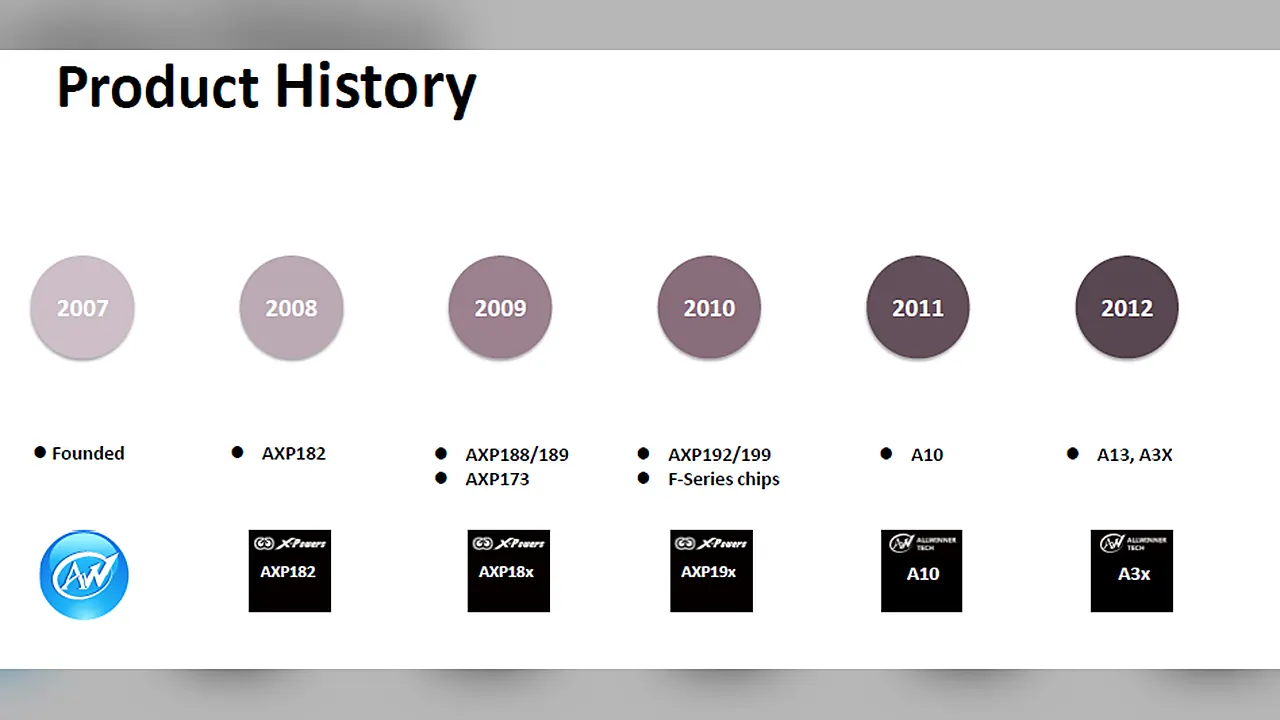
The significance of the Allwinner H6 is intrinsically linked to the trajectory of Allwinner Technology, a fabless semiconductor company based in Zhuhai, Guangdong, China. Founded in 2007, the company quickly established itself in the embedded device processor sector. Its importance in the market is evidenced by historical milestones, such as being reported by DigiTimes in Q2 2014 as the third largest supplier to the Chinese market. Furthermore, the H-Series line, introduced in 2014, was specifically aimed at OTT set-top box applications, solidifying the brand’s focus in this market niche.
In this article, we will dive deep into the technology behind this SoC. We will begin with an overview of the Allwinner H6 and its role in the growing OTT market. Next, we will conduct a detailed analysis of the SoC’s architecture and manufacturing process, technically examining the cores and cache. We will deeply cover the multimedia features, covering video decoding and encoding, and conclude with an evaluation of the graphics performance and application interfaces, providing a complete picture of the chip’s potential.
Key Highlights
- The H6 is an SoC optimized for multimedia markets, such as OTT, DVB, and IPTV, ensuring high integration.
- It offers cutting-edge video decoding, supporting H.265/HEVC at 4K up to 60 fps and H.264/AVC.
- It features a robust 4-core architecture and a Mali-T720 MP2 GPU, ideal for graphics processing.
- It is manufactured on a 28 nm process and utilizes a 512 KB L2 cache for high efficiency.
- Its BGA451 package is designed to ensure stable connectivity on printed circuit boards.
Allwinner H6 Datasheet
| Commercial Name | Allwinner H6 |
|---|---|
| Type | Public |
| Industry | Fabless semiconductors |
| Foundation | 2007 |
| Headquarters | Zhuhai, Guangdong, China |
| Products | Integrated circuits |
| Employees | 800 (2025) |
| SoC | H6 |
| Manufacturing Process | 28 nm |
| CPU | 4 |
| GPU | 512 KB |
| Video Decoder | Mali-T720 MP2 @600 MHz |
| Video Encoder | H.265/HEVC 4K@60 fps H.264/AVC, VP9 4K@30 fps VP6/VP8, 1080P@60 fps | H.264 BP/MP/HP@level 4.2 4K@30 fps |
| Package | BGA451, 15 mm × 15 mm, 0.65 mm pitch |
| Application | OTT, DVB and IPTV markets |
| Examples | Zidoo H6 Pro, Orange Pi One Plus, Orange Pi Lite 2, Orange Pi 3, PINE H64 model A and B, Boardcon EMH6 |
Overview of the Allwinner H6 and the OTT Market

Allwinner Technology, a Chinese fabless semiconductor company based in Zhuhai, Guangdong, China, and founded in 2007, has established itself as a key player in developing processors for multimedia devices. Operating in the semiconductor market, the company has focused its efforts on the growing consumer ecosystem that demands robust processing power and energy efficiency. It is in this landscape that the Allwinner H6 positions itself, not only as a high-performance SoC (System-on-Chip) but as a product representing the pinnacle of the company’s strategy for the Over-The-Top (OTT) applications niche.
The Evolution of the H Series for the OTT Market
To meet the specific demands of Set-top Boxes (STB), HDMI mini PCs, and gaming consoles, Allwinner developed the H series. This processor line was introduced in 2014 and was designed with a surgical focus on the OTT market. The success of this series is marked by a tactical progression that covers different price and performance ranges. Allwinner did not stop there: while the series began with solutions like the A80 octa-core, aimed at the premium segment of OTT boxes, it evolved to the H8 octa-core, ideal for mid-range applications. For those looking to analyze more recent models, checking the specifications of the Allwinner H618 is worthwhile, as it was launched to democratize access to advanced content, targeting the OTT box market in the US$35 to US$50 range.
The Allwinner H6 stands out in this portfolio due to its architecture optimized for streaming and media content processing. It was manufactured using a 28 nm process, ensuring a balance between transistor density and efficiency. In terms of processing, the H6 features a 4-core CPU and a Mali-T720 MP2 GPU operating at 600 MHz, which gives it the capability to handle complex graphics interfaces and intensive multimedia data streams. It is this capability that makes it a highly versatile processor for various applications, such as DVB and IPTV equipment, in addition to its primary OTT focus.
H6 Multimedia Processing Power
One of the biggest technical differentiators of the H6 lies in its robust video support. The SoC was designed to decode a vast array of formats and resolutions. It supports H.265/HEVC at 4K up to 60 frames per second (fps), in addition to established formats like H.264/AVC and VP9 at 4K up to 30 fps. For a box or mini PC user, this means compatibility with virtually any modern content stream. On the encoding side, the H6 maintains this performance, supporting H.264 BP/MP/HP at level 4.2 for 4K at 30 fps. This combination of advanced decoding and encoding, along with a 15 mm × 15 mm BGA451 package, solidifies the H6 as a complete SoC.
In summary, the H6 is not just a chip, but a tested, proven market solution in reference devices such as the Zidoo H6 Pro, Orange Pi One Plus, Orange Pi Lite 2, and various PINE models. It represents Allwinner’s capability to provide highly specialized hardware that excels at meeting the multimedia processing demands of the most diverse sectors of the digital entertainment market.
📊 Allwinner H6 Technical Summary
| Feature | Specification | Detail |
|---|---|---|
| Manufacturing Process | 28 nm | Ensures a balance between density and efficiency |
| CPU | 4 cores | Robust processing for multimedia |
| GPU | Mali-T720 MP2 @ 600 MHz | Capability for complex graphics interfaces |
| Video Decoding | H.265/HEVC 4K@60 fps; H.264/AVC, VP9 4K@30 fps | Support for modern formats and high resolution |
| Video Encoding | H.264 BP/MP/HP @ level 4.2 4K@30 fps | Advanced video output performance |
| Package | BGA451, 15 mm × 15 mm | Indicates a complete and robust SoC |
| Main Applications | OTT, DVB, and IPTV | Versatility for digital entertainment |
SoC Architecture and Manufacturing Process
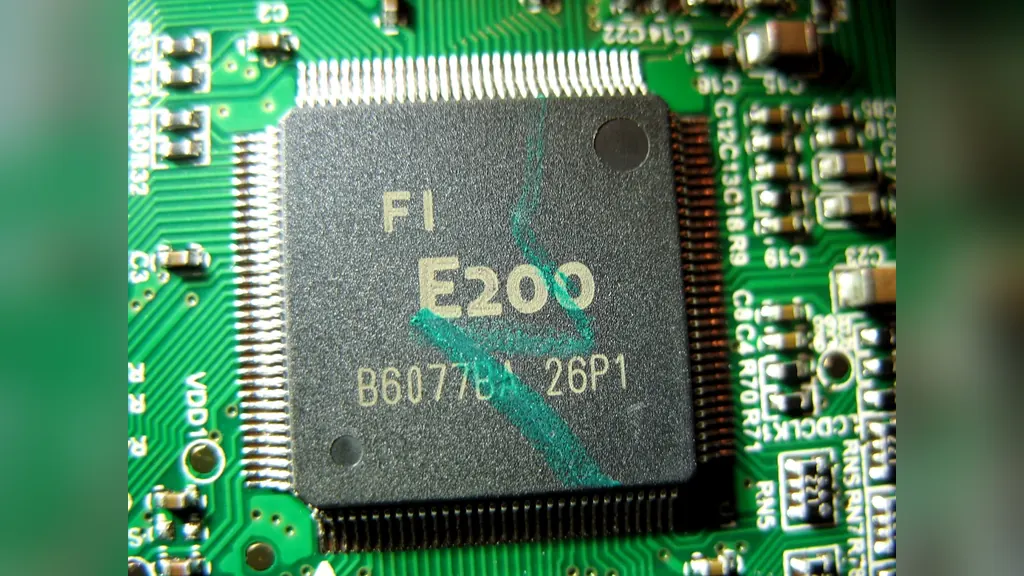
The Allwinner H6 establishes itself as a robust example of a System-on-Chip (SoC), a highly integrated component designed to optimize performance and power consumption in media consumption devices. Unlike traditional processors that group multiple chips, the H6 concentrates multiple functionalities—CPU processing, graphics, and video encoding/decoding—into a single integrated circuit. For those looking to learn more about the evolution of these components, checking the specifications of the Allwinner A133 is worthwhile. This high-integration architecture is crucial for meeting the rigorous demands of markets like OTT (Over-The-Top), DVB (Digital Video Broadcasting), and IPTV, where miniaturization and energy efficiency are determining factors for success.
Architecture and Manufacturing Process
From a physical standpoint, the Allwinner H6 is manufactured using a 28 nm process. This nanometer process defines the scale and density of the transistors on the chip, serving as a technical indicator of the component’s miniaturization and energy efficiency capabilities. To ensure maximum connectivity and stability on printed circuit boards, the SoC is encapsulated in a BGA451 package. This package has dimensions of 15 mm × 15 mm and a pitch of 0.65 mm, ensuring the chip connects efficiently to the motherboard.
In terms of processing, the H6 is equipped with a quad-core architecture, coupled with a Mali-T720 MP2 Graphics Processing Unit (GPU) operating at 600 MHz. This combination of CPU and GPU is optimized for modern multimedia processing. Furthermore, the chip is an advanced video processing hub, supporting an extremely wide range of codecs and resolutions. It offers next-generation video decoding, including H.265/HEVC at 4K at 60 frames per second (fps), in addition to robust support for H.264/AVC, VP9, and even older codecs like VP6/VP8, at resolutions ranging from 1080P to 4K.
This video decoding and encoding capability is a significant technical advantage. It not only supports the high-efficiency H.265/HEVC standard at 4K@60 fps but also maintains compatibility with more established standards, such as H.264/AVC up to level 4.2 at 4K@30 fps. This versatility ensures that the H6 is a complete market solution, capable of processing streaming content from various sources and formats, as demonstrated in its application examples on reference devices, including the Zidoo H6 Pro, Orange Pi One Plus, and various PINE models.
📌 Allwinner H6 Key Specifications Summary
- Manufacturing Process: 28 nm, indicating high transistor density.
- Processing Architecture: Quad-core CPU coupled with Mali-T720 MP2 GPU.
- Video Decoding: Support for H.265/HEVC at 4K at 60 fps and H.264/AVC, VP9.
- Physical Package: BGA451, with dimensions of 15 mm × 15 mm and a pitch of 0.65 mm.
- Typical Applications: Ideal for demanding markets such as OTT, DVB, and IPTV.
Technical Analysis of Cores and Cache
The backbone of any high-performance System-on-Chip (SoC) is its Central Processing Unit (CPU). In the case of the Allwinner H6, processing power is guaranteed by a robust quad-core architecture. In a modern device like a Set-top Box (STB) or a mini PC, processing capability is not just about clock speed, but about the efficiency and distribution of work among these cores. If you want to better understand similar processors, you might check out the Allwinner A133: complete specifications. The presence of four cores allows the H6 to execute multiple tasks—such as playing a high-definition video stream, maintaining a fluid graphical interface, and operating network services simultaneously—without a drastic drop in performance. This capability is fundamental for the experience in demanding markets like OTT and IPTV.
Complementing the processing cores is the cache memory system, a critical component for data access speed. The Allwinner H6 is equipped with a 512 KB L2 Cache. It is crucial to understand the role of this cache: it functions as an ultra-fast working memory, located as close as possible to the CPU cores. Instead of waiting for data to be loaded from the main memory (RAM), which is a slower process, the cache stores information that the processor expects to use in a short period. The larger and more efficient the cache, the lower the latency, and the faster the processor can make decisions and execute calculations, resulting in a more responsive and fluid user experience.
📘 Cache
The cache functions as an ultra-fast working memory, located near the CPU cores. It stores data that the processor expects to use soon, avoiding the wait time for loading from the main memory (RAM).
The Synergy Between Cores and Cache
The relationship between the number of cores and the cache size is synergistic. A multi-core processor, like the four cores in the H6, is excellent for multitasking because it can break down complex processes into smaller parts, allowing different cores to work in parallel. However, if these cores need to access data that is not readily available in memory, performance will suffer. This is where the 512 KB cache comes in. It acts as a speed buffer. It ensures that even when the device is under high demand—for example, processing 4K video while the user navigates menus—the most requested data is immediately accessible to the four cores, maximizing IPC (Instructions Per Cycle) and maintaining high performance.
This evolution in processing architecture is a pattern in Allwinner’s chip history. We observe this progression in previous families, such as the A33, which already featured a 512 KB L2 Cache, and the A50 and A63 processors. Each iteration shows an advancement in optimizing this combination of cores and cache, preparing the SoC to meet the growing demands of media processing. In summary, the H6 not only offers a set of cores but also optimized cache management that ensures processing power is used to its maximum efficiency, making it a fundamental pillar for its performance in streaming and multimedia applications.
Multimedia Features: Video Decoding and Encoding
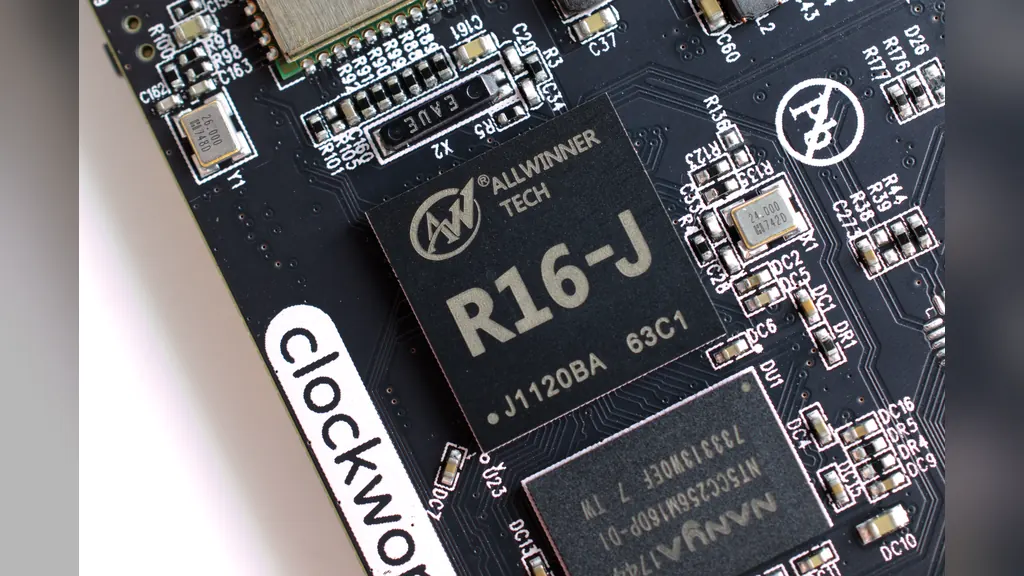
Video processing capability is, without a doubt, the most critical technical differentiator for a System-on-Chip (SoC) intended for modern multimedia consumption. The Allwinner H6 was designed with intense focus on this area, offering a robust set of decoding and encoding features that meet the demands of OTT (Over-The-Top), DVB, and IPTV markets. To understand the potential of the H6, it is essential to differentiate between the functions of decoding and encoding.
Decoding is the process of receiving a compressed video stream (transmitted over a network, for example) and reconstructing it into a playable format. On the other hand, encoding is the reverse process: taking real-time content and compressing it for transmission, optimizing bandwidth usage. The H6 stands out due to its cutting-edge video specifications, especially at high resolutions and frame rates.
State-of-the-Art Video Processing
The H6’s decoding power is a significant highlight. It supports multiple compression standards and resolutions, including H.265/HEVC (High Efficiency Video Coding), which is the most modern and efficient standard, capable of processing content at 4K at 60 frames per second (fps). Additionally, the SoC also guarantees support for H.264/AVC, VP9, and even VP6/VP8, covering everything from 1080P@60 fps up to 4K@30 fps. The ability to process 4K video at 60 fps is not just a specification; it represents a leap in performance and a crucial competitive advantage in high-fidelity streaming devices.
Regarding content transmission, the H6 also features a robust encoder. It supports H.264 with BP, MP, and HP profiles at level 4.2, maintaining efficiency up to 4K@30 fps. This combination of decoding and encoding across multiple standards and high resolutions allows the H6 to operate smoothly in various applications, from receiving digital television signals (DVB) to distributing OTT content.
In summary, the multimedia features of the Allwinner H6 position it as an extremely comprehensive and proven solution. This performance has been validated in market reference devices, such as the Zidoo H6 Pro, Orange Pi One Plus, Orange Pi Lite 2, and various PINE models, establishing it as a versatile and powerful SoC for the media and entertainment market.
Graphics Performance and Application Interfaces
Graphics performance is a fundamental pillar for the modern user experience on any multimedia consumer device. In the case of the Allwinner H6, this performance is guaranteed by its Graphics Processing Unit (GPU), a crucial component that ensures not only the fluidity of the user interface (UI) but also the ability to run complex applications, such as games and graphically rich operating systems. Specifically, the H6 incorporates the Mali-T720 MP2 GPU, which operates at a frequency of 600 MHz. This component is designed to handle demanding visual requirements, transforming processing potential into a smooth and responsive user experience.
Application Markets and Graphics Focus
The H6’s graphics architecture was not developed generically; it is deeply optimized for specific market niches. Its primary focus lies in the Over-The-Top (OTT), DVB, and IPTV sectors. These applications demand stable and efficient graphics processing, capable of rendering complex interfaces, content grids, and multiple video streams simultaneously without compromising the frame rate. The GPU, therefore, acts as the visual engine that ensures transitions between menus, application launches, and content playback are executed with maximum quality and minimal delay, making it a determining factor in the end-user’s perceived quality.
The robustness and versatility of the H6 are proven by its application in various reference systems. Its graphics and multimedia processing capability makes it a key component in devices such as the Zidoo H6 Pro and the Orange Pi One Plus. Furthermore, the H6 is also found in models like the Orange Pi Lite 2, Orange Pi 3, PINE H64 model A and B, and the Boardcon EMH6. This wide adoption across different hardware formats, utilizing a 15 mm × 15 mm, 0.65 mm pitch BGA451 package, attests to its reliability and consistent graphics performance in mission-critical environments.
In summary, while the CPU and cache system dictate the raw computing power, it is the Mali-T720 MP2 GPU that translates this power into a polished and fluid visual experience. For operating system developers and streaming box manufacturers, having an SoC with proven graphics performance optimized for multimedia consumption means that the final product will have a user interface that not only functions but also impresses the user by ensuring that games and menu navigation run without stuttering.
Glossary
- SoC (System-on-Chip): An integrated circuit that concentrates multiple functionalities (CPU, GPU, etc.) onto a single chip, optimizing performance and power consumption.
- Fabless: A company that designs semiconductors but outsources the manufacturing (the physical production process) to other companies.
- OTT (Over-The-Top): Video content services streamed over the internet, bypassing traditional cable TV provider infrastructure.
- H.265/HEVC: A modern and efficient video compression standard capable of transmitting high-quality content in 4K resolutions and high frame rates.
- L2 Cache: An ultra-fast memory located on the processor that stores frequently used data, reducing latency and increasing processing speed.
Frequently Asked Questions
Is the Allwinner H6 suitable for stably running 4K/60fps streaming?
Yes, the H6 is highly suitable. It was designed with robust support to decode the H.265/HEVC standard at 4K resolution up to 60 frames per second (fps). This advanced processing capability ensures that the chip can handle high-fidelity, high-frame-rate streaming content without interruptions.
What is the difference between the A series and the H series from Allwinner?
The H series was specifically developed by Allwinner to meet the demanding requirements of the Over-The-Top (OTT) market. While previous series, such as the A series, covered different segments, the H line focuses on providing multimedia processing solutions optimized for Set-top Boxes and mini PCs, ensuring a balance between performance and energy efficiency for streaming.
Is the Allwinner H6 more powerful than competing processors like Rockchip or MediaTek for TV Boxes?
The H6 is a complete SoC, designed to be extremely versatile in media applications. Its advantage lies in the combination of a quad-core processor, a Mali-T720 MP2 GPU, and, most importantly, its technical support for multiple cutting-edge video codecs, such as H.265/HEVC at 4K@60fps, making it a highly specialized solution for the digital entertainment market.
What does the 28 nm manufacturing process mean, and what is its impact on power consumption?
The 28 nm process refers to the manufacturing scale of the transistors on the chip. The smaller this number, the denser and smaller the electronic components are. This allows the H6 to execute more functionalities in a reduced physical space, resulting in higher energy efficiency and better overall device performance.
Which operating systems and platforms are most compatible with the Allwinner H6?
Because it is a highly integrated SoC, the H6 is ideal for embedded devices. It is designed to operate in environments that require continuous multimedia processing, such as Set-top Boxes and mini PCs. Generally, it is optimized for Linux or Android-based operating systems, which are standards in the IPTV and OTT markets.
Conclusion
The Allwinner H6 establishes itself as a notable example of embedded engineering, representing the forefront of System-on-Chip (SoC) technology for media consumption. Far from being just a processor, it is a highly integrated solution that combines a robust quad-core architecture with a Mali-T720 MP2 GPU. Manufactured using a 28 nm process and housed in a BGA451 package, the H6 was designed with a surgical focus on the efficiency and multimedia performance required by markets like OTT and IPTV.
Its technical advantage lies primarily in its video processing power. The ability to decode cutting-edge formats, such as H.265/HEVC at 4K at 60 frames per second (fps), while maintaining compatibility with standards like H.264/AVC and VP9, ensures that the H6 meets the full spectrum of modern content. This versatility, proven in reference devices, solidifies its position as a component synonymous with high reliability and performance in critical digital entertainment applications.
Analyzing the Allwinner H6 means understanding how integrating multiple systems—CPU, GPU, and video codecs—into a single chip optimizes the end-user experience. For those developing Set-top Boxes or mini PCs, the H6 is not just a piece of hardware, but a catalyst for innovation that redefines content consumption standards.