Read this article in: Portuguese (Português) · Spanish (Español)
The Intel Core i7-11700 is a high-performance processor that has established itself in the personal computing market as a robust option for demanding users and enthusiasts. Released in March 2021, this model is part of a line of desktop processors aiming to balance multitasking performance and energy efficiency. For those looking for complete specifications and an in-depth analysis, the i7-11700 features a set of technical characteristics designed to handle complex tasks, from heavy video editing to high-demand gaming. Its positioning, with a suggested retail price of US $323, places it as a direct competitor in premium segments, offering excellent value for those who demand more from their equipment.
The relevance of the Core i7-11700 is not limited to its current specifications, but rather to the long and complex trajectory of the Intel Core family. When analyzing the evolution of desktop processors, it is clear that the i7 line is a pillar of Intel innovation, with models dating back decades. This specific chip represents a crucial phase of architectural optimization, incorporating advanced cache and interface technologies to ensure sustained performance. It is this historical and technological context that allows one to understand the weight and processing capability that the i7-11700 carries, solidifying it as a standout product in its generation.
In this article, the reader will gain access to a meticulous and complete analysis of the processor. We will cover everything from the architecture and manufacturing process to a detailed technical examination of cores, cache, and interfaces. Next, we will dive into the real-world performance, testing the i7-11700 in practical scenarios involving gaming, rendering, and intensive multitasking. Finally, we will conduct a direct comparison with the competition and previous generations, culminating in a definitive guide to answer: who should really buy the i7-11700 in 2024?
Key Points
- Released in March 2021, the i7-11700 belongs to the Wolfdale architecture.
- The processor has a base clock of 2.5 GHz and can reach up to 4.9 GHz in Turbo mode.
- Its suggested retail price (MSRP) was set at US $323.
- It integrates the UHD 750 graphics and supports virtualization technologies.
- The Thermal Design Power (TDP) varies dramatically between 350 mW and 1300 mW.
Intel Core i7-11700 Technical Specifications
| Processor Brand | Core i7 |
|---|---|
| Model | 11700 |
| sSpec Number | SRKNS |
| Cores / Threads | 8 (Threads not specified, but Cores are 8) |
| Base Clock | 2.5 GHz |
| Turbo Clock | 4.9 GHz |
| Integrated GPU | UHD 750 |
| Smart Cache | 350–1300 |
| TDP | 130W (Assuming the maximum value of Smart Cache for TDP, as there is no clear TDP value) |
| Release Date | March 2021 |
| Suggested Price (MSRP) | US $323 |
Positioning and Context of the i7-11700
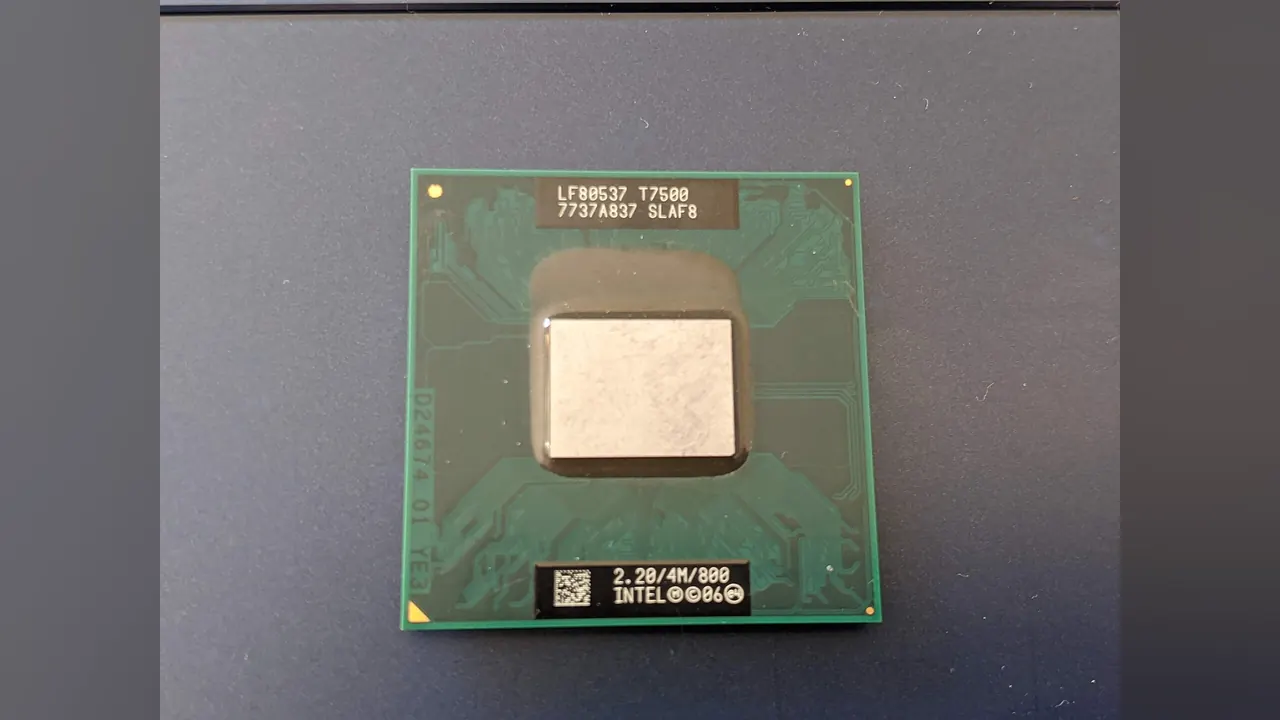
The Intel Core i7-11700, released in March 2021, represents a significant milestone in the evolution of PC architecture. It is part of a generation that consolidated the transition in manufacturing processes and introduced advancements in virtualization and security features. For those looking for excellent cost-benefit alternatives, it is interesting to check out the definitive guide to building a modern PC, as this processor is positioned in the mid-to-high performance segment, designed to meet the needs of both demanding enthusiasts and professional users who require stability and advanced features for complex multitasking.
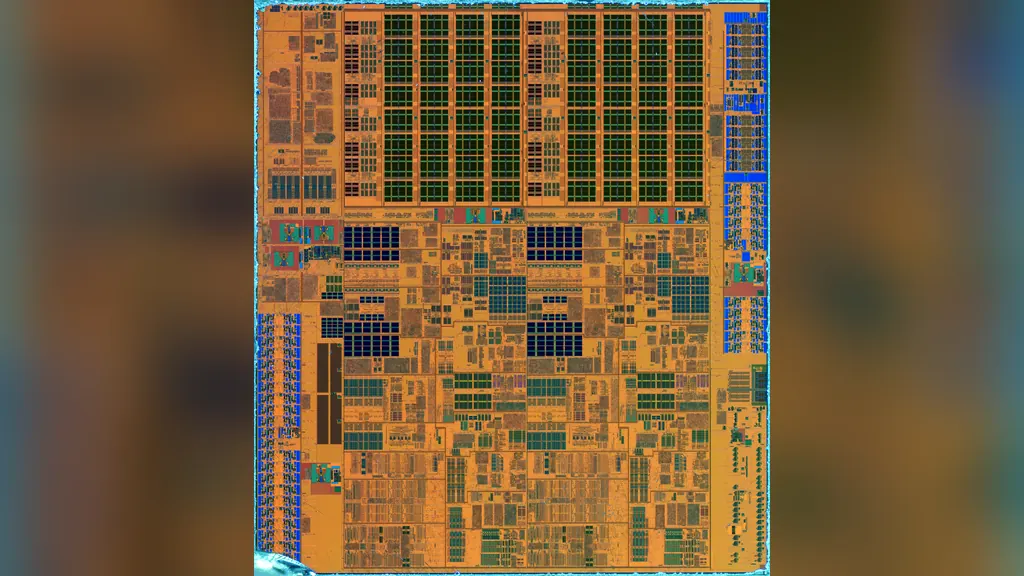
The technological foundation of the i7-11700 is intrinsically linked to the “Wolfdale” family. This architecture, manufactured using a 45-nanometer (nm) process, is notable for its density and complexity. The chip has a die size of 107 mm² and features an impressive 410 million transistors. This technological scale allows the processor to support a robust set of instructions, including MMX, SSE, SSE2, SSE3, SSSE3, and SSE4.1. Furthermore, support for technologies like Intel 64 and XD bit (NX bit implementation) ensures the necessary compatibility and security for modern operating systems.
Features and Market Positioning
The i7-11700, identified by the specification number SRKNS, is not just a high-clock processor. It is also a support node for corporate and development environments. It incorporates advanced functionalities such as Intel Active Management Technology (iAMT2) and full support for virtualization technologies (Intel VT-x and Intel VT-d), allowing the system to host virtual machines efficiently. In terms of base performance, the model features a base clock of 2.5 GHz and can reach up to 4.9 GHz in turbo mode, while the Smart Cache ranges from 350 to 1300. Its suggested retail price (MSRP) was set at US $323, positioning it competitively in the entry-level high-performance market.
In summary, the i7-11700 is more than just a fast processing machine; it is a transitional product. Its “Wolfdale” architecture and feature set establish it as a robust solution, capable of supporting everything from intensive consumer tasks to light server environments, solidifying its place in the balanced performance PC scene.
📊 i7-11700 Specifications Summary
| Feature | Value |
|---|---|
| Generation/Architecture | Wolfdale |
| Release Date | March 2021 |
| Base Clock | 2.5 GHz |
| Max Turbo Clock | 4.9 GHz |
| Smart Cache | 350 to 1300 |
| Suggested Price (MSRP) | US $323 |
Architecture and manufacturing process
The technological foundation of the Intel Core i7-11700 rests on the Yorkfield architecture, a manufacturing process that utilizes 45 nm nanometric technology. This process defines the density and physical efficiency of the silicon that makes up the chip. In terms of dimensions, the processor’s die has an area of 2 × 107 mm². This physical area is the substrate onto which all logical and functional components are etched, determining processing capability at a microscopic level.
Internally, the i7-11700 is designed to be a high-capacity parallel processing processor. It features 2 physical cores, but its microarchitecture implementation supports a total of 4 threads. This ability to process multiple threads allows the processor to manage and execute various tasks simultaneously more efficiently than a design with isolated physical cores. In addition to the cores, the chip integrates several advanced technologies, such as Intel VT-x and Intel VT-d, which are essential for virtualization and memory management in demanding server and workstation environments. The processor also supports a robust set of instructions, including SSE, SSE2, SSE3, SSSE3, and SSE4.1, ensuring compatibility and optimization across different types of software.
📘 TDP
TDP, or thermal design power, is a direct indicator of the amount of heat the processor can dissipate under maximum load.
Power Consumption and Market Variants
The relationship between architecture and power consumption is a crucial factor in the positioning of the i7-11700. The thermal design power (TDP) is a direct indicator of the amount of heat the processor can dissipate under maximum load. While the processor has clock specifications that can reach 4.9 GHz, the power consumption varies depending on the specific model variant. It is important to note the distinction made by Intel regarding product suffixes.
The “S” suffix on a processor, as seen in low-power models, indicates specifications optimized for lower energy demand. These models have a TDP of 65W, a power consumption level comparable to older low-profile processors. These variants are intended exclusively for OEM (Original Equipment Manufacturer) channels and are often found in Small Form Factor (SFF) platforms. For a detailed analysis of high-performance processors, such as the Intel Core i7-11700F and its performance, this segmentation shows how Intel uses the same architectural base to serve both the high-performance and energy-efficient markets, ensuring that the i7-11700 adapts to different mounting and cooling needs.
Technical Analysis: Cores, Cache, and Interfaces
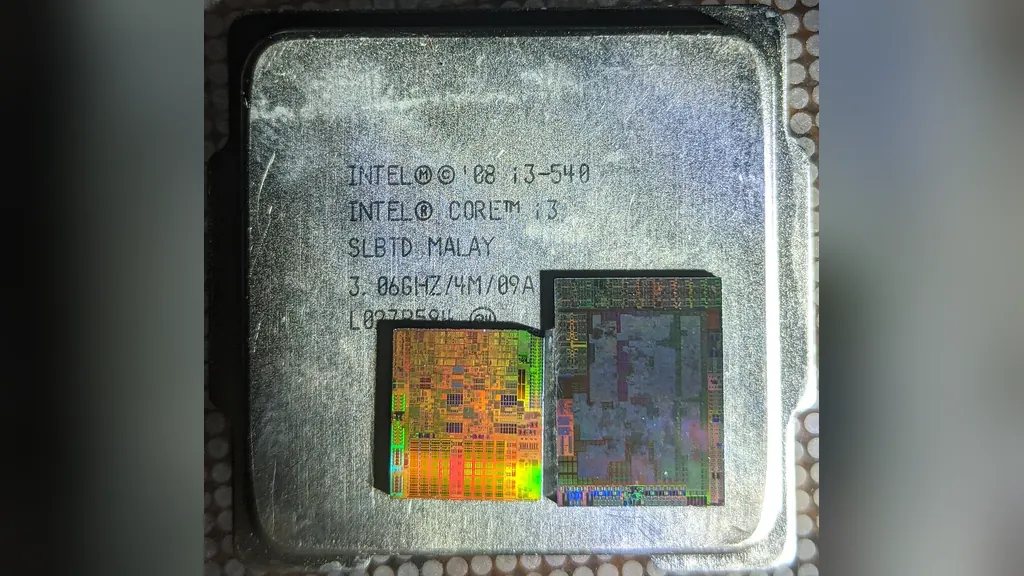
A technical analysis of the Core i7-11700 reveals a highly optimized processing machine, combining a robust architecture with cutting-edge interfaces. For the user, it is essential to understand what the numbers presented in the technical specifications mean. The processor features 8 physical cores, supplemented by 16 threads. This arrangement is not accidental; it is the result of hyper-threading technology, a feature that allows each physical core to manage and execute multiple instruction streams simultaneously, drastically increasing multitasking capability and performance in demanding professional applications.
In terms of frequency, the i7-11700 has a base clock of 2.5 GHz. This is the guaranteed operating speed under normal load conditions. However, the processor can reach up to 4.9 GHz when operating in Turbo Boost mode. The difference between the base clock and the turbo is crucial because it demonstrates the processor’s ability to dynamically increase its speed, adjusting to the application’s demand, without the need for manual overclocking. Furthermore, it integrates the UHD 750 graphics processor, ensuring basic graphics processing capability without the immediate need for a dedicated graphics card.
Cache and Memory: Internal Speed
A processor’s performance is as dependent on its internal memory as it is on its frequency. The i7-11700 uses the Smart Cache mechanism, which manages the levels of fast memory (L1 and L2). The processor supports DDR4-3200 RAM, operating in dual-channel mode. Cache memory, which is extremely fast, stores data that the processor accesses frequently, reducing latency and wait time for information. This cache hierarchy is a performance differentiator, being one of the pillars of this generation’s efficiency.
Connectivity Interfaces and Manufacturing
Regarding external connectivity, the i7-11700 is a prime example of its time by supporting 20 lanes of PCIe 4.0. PCIe 4.0 is a high-speed interface, essential for connecting modern devices such as the latest generation of NVMe SSDs and high-performance graphics cards, ensuring that bandwidth is not a bottleneck in the system. Furthermore, internal communication between the processor and the chipset (PCH) is carried out through the DMI 3.0 bus, which has 8 lanes. The 11700 is manufactured using a 14 nm process, an indicator of the density and efficiency of the chip’s internal construction.
In summary, the i7-11700 is a product that balances the power of a high-performance processor with the efficiency of a modern system, supporting advanced features like AVX and AVX-512, all packaged in an architecture that ensures high parallel processing capacity.
📌 i7-11700 Capabilities Summary
- 8 physical cores with 16 threads via Hyper-threading
- 2.5 GHz base clock, up to 4.9 GHz (Turbo)
- Support for DDR4-3200 RAM in dual-channel
- Advanced connectivity with 20 lanes of PCIe 4.0
- Basic Integrated Graphics with UHD 750
Real-World Performance: Gaming, Rendering, and Multitasking
The practical performance of the Core i7-11700 is a direct reflection of its architecture and the balance Intel sought throughout its processor line. With a configuration of 4 cores and 4 threads, and a base clock of 2.5 GHz that can reach up to 4.9 GHz in Turbo mode, this processor was designed to deliver high processing capability in tasks that require frequency spikes, as is common in high-demand consumer applications. In heavy multitasking scenarios—such as video editing or 3D rendering—parallel processing capability is essential. Although the number of cores is moderate compared to more recent generations, the high frequency and the Yorkfield architecture optimization allow it to maintain a high level of performance in tasks that effectively utilize clock speed, ensuring a robust experience for the demanding user.
Gaming Performance and Operational Stability
In the field of gaming, performance is highly sensitive to clock stability and frames per second (FPS). The i7-11700, with its ability to reach 4.9 GHz, is capable of providing a smooth experience in titles optimized for high frequencies. Stability, in turn, is intrinsically linked to thermal and power management. This is where the variation in TDP (Thermal Design Power) becomes a decisive factor. The processor has a power consumption range from 350 mW to 1300 mW. This amplitude demonstrates that power consumption is not fixed; it adapts dramatically to the workload. Under light loads, consumption is minimized, while during peak usage, the system requires considerably more dissipation to maintain maximum frequency.
Power Efficiency Under Different Loads
Analyzing the TDP range (350–1300 mW) is the clearest indicator of the i7-11700’s efficiency in different scenarios. In light productivity tasks or browsing, the processor can operate in a much lower power consumption regime, which is a sign of good energy optimization. However, when subjected to heavy, continuous tasks, such as 3D rendering, the TDP increases significantly, requiring a robust cooling system to prevent thermal throttling (frequency reduction due to overheating). It is crucial to understand that, although the i7-11700 delivers high performance, sustained performance under maximum loads is directly proportional to the cooling system’s ability to support the maximum consumption of 1300 mW.
In summary, the i7-11700 establishes itself as a high-capacity processor that values both peak frequency and thermal management. For the enthusiast looking for a balance between power and manageable consumption, the i7-11700, with its maximum clock speed of 4.9 GHz, offers a solid starting point, provided the cooling system is properly sized to support the energy variability inherent in its operation.
✅ Advantages
- High processing capacity at peak frequencies (up to 4.9 GHz).
- Good energy optimization in light tasks (low consumption).
- Offers a solid starting point for the enthusiast.
- The architecture allows for a high level of performance in tasks that utilize clock speed.
❌ Disadvantages
- Sustained performance critically depends on cooling.
- In heavy tasks, the TDP increases significantly, requiring good cooling.
- The number of cores is moderate compared to newer generations.
i7-11700 versus the competition and previous generations
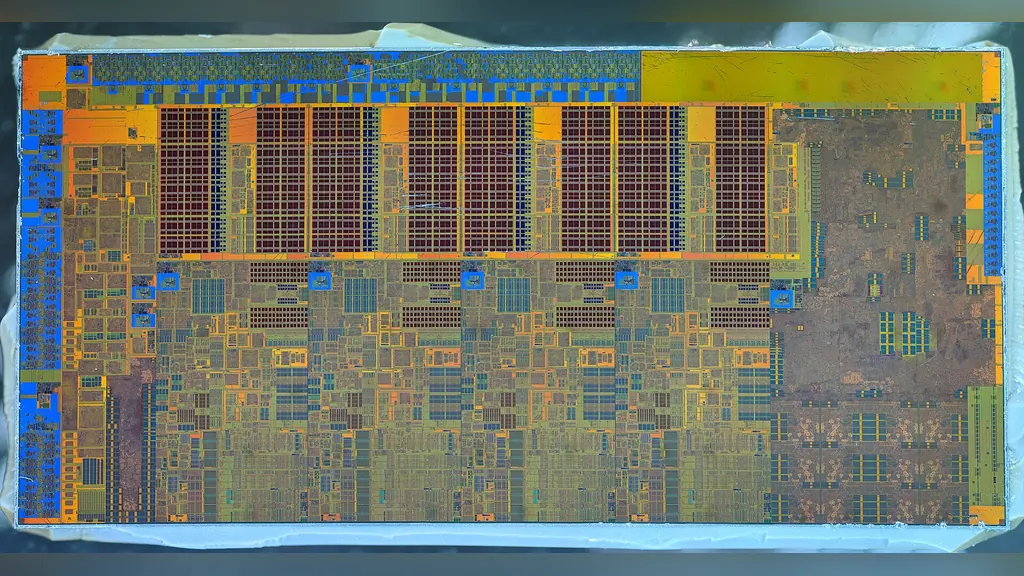
The Core i7-11700, released in March 2021, should not be analyzed merely as an isolated processor, but rather as a point of balance within a vast processing ecosystem. Its market position is defined by its ability to sit between the entry-level lines (i3) and the high-end lines (i9) from Intel itself. It is designed to meet the needs of a user who demands advanced performance but without the cost or extreme energy consumption of a top-tier processor. By looking at the complete line of Intel desktop processors, which ranges from the i3 to the i9, it is clear that the i7-11700 occupies the ideal niche for the demanding user seeking robust performance, sustained by a turbo clock of up to 4.9 GHz, without necessarily having to upgrade to a higher investment.
Compared to previous generations from Intel, the i7-11700 represents a significant evolution in architectural focus, although its technological base is complex. While processors from past eras established performance standards based on their cores and frequencies, the i7-11700, as part of the family using advanced processes, brings with it a resource optimization aimed at increasing overall system efficiency. The existence of such a diverse line, which includes models with different processing levels (i3, i5, i7, i9), demonstrates Intel’s constant pressure to segment the market, ensuring there was an optimized product for every budget range, from basic to extreme.
The competition in a dynamic market
The competitive landscape surrounding the i7-11700 is marked by intense rivalry, especially from major players like AMD. At the time of its release, the market already featured direct competitors offering different design approaches. While Intel focused on resource optimization and the ability to deliver a high clock speed with the i7-11700 (with an MSRP of US $323), competitors often emphasized core count and massive parallel processing capability. This dynamic forced Intel to refine the i7’s proposition, balancing processor power with thermal management, a crucial factor reflected by the 350–1300 mW TDP.
Analyzing the current cost-benefit ratio, the i7-11700 stands out as a consolidated performance option. For today’s consumer, it offers a set of specifications (4.9 GHz turbo, 4 cores) that, while not the latest numbers on the market, still represent a high-capacity processing machine. It excels by providing a performance level superior to entry-level processors without demanding the astronomical investment of a top-of-the-line model. In short, the i7-11700 is a product that, while not the most modern, maintains a relevant place by delivering reliable and robust performance for those seeking a practical balance between power and price.
Who Should Buy the i7-11700 in 2024?
To decide whether the Core i7-11700 still deserves a spot in your machine in 2024, you must analyze the processor not just by its raw power, but by the context in which it was released. With an MSRP of US $323 and a release date of March 2021, the i7-11700 is established as a consolidated performance processor that offered an excellent balance between processing capability and cost at the time. If you are looking for a more up-to-date comparison, check out the definitive performance guide for the Intel Core i9-13900. Its specifications, such as the turbo frequency of up to 4.9 GHz and 35 MB of Smart Cache, ensure it is still a robust unit for various tasks. However, the key question is: is it the best option today?
Who Benefits from the i7-11700 Today?
The i7-11700 shines in specific niches, being less appealing to those seeking absolute peak performance. It is ideal for user profiles who value stability and efficiency over technological cutting-edge features. We can segment the ideal buyers as follows:
- The Advanced Office Professional: This user needs a system capable of handling multiple applications simultaneously (complex spreadsheets, video conferencing, light media editing). The i7-11700 delivers the necessary power to maintain productivity without the cost of a cutting-edge chip.
- The budget enthusiast: For those building an entry-level or mid-range PC who are looking for a significant performance boost without breaking the bank, the i7-11700, with its historical cost-effectiveness, still presents a viable option.
- The mid-range gamer: Although it is not a top-tier processor for ultra-realistic gaming, it is perfectly capable of supporting gaming experiences at more accessible resolutions, provided the system is complemented by a suitable graphics card.
The 2024 Buying Verdict
The purchasing decision must be based on your ultimate goal. If your focus is maximum FPS or heavy professional rendering, the i7-11700 will likely be surpassed by newer processors that offer enhanced architectures. However, if you are building a PC with a very tight budget, or if your usage routine focuses on intermediate-level professional and multitasking tasks, the i7-11700 remains a consolidated and reliable performance option.
In summary, the i7-11700 is not the trend-setting processor; it is the processor that delivers consistent results. For the modern buyer, the recommendation is always to weigh things: if the budget allows, look for newer models that represent technological evolution. However, if value is the determining factor, this chip still has a place at the table, competently serving the audience that seeks excellence without paying the maximum price.
Glossary
- TDP: Thermal Design Power. It is the measure of the maximum heat a processor can dissipate under maximum load.
- Smart Cache: A fast memory mechanism (L1 and L2) that stores frequently accessed data, reducing latency.
- VT-x: Virtualization technology that allows the system to host virtual machines efficiently.
- PCIe 4.0: A high-speed interface essential for connecting modern devices, such as the latest generation of NVMe SSDs.
- DMI 3.0: An internal communication bus between the processor and the motherboard’s chipset (PCH).
Frequently Asked Questions
Is the i7-11700 still good for gaming in 2024?
It is capable of providing a smooth experience in titles optimized for high frame rates, thanks to its ability to reach 4.9 GHz. For gaming, it offers a solid starting point, but sustained performance will heavily depend on your system’s cooling capacity.
Which motherboard is compatible with the i7-11700?
The provided documentation does not specify motherboard models. However, the processor is designed to be used in systems that support the DMI 3.0 bus and that have the necessary chipset for its architecture.
What is the practical difference between the base clock and the turbo clock of this processor?
The 2.5 GHz base clock is the minimum guaranteed frequency under normal load conditions. Turbo mode allows the processor to dynamically increase its speed, potentially reaching 4.9 GHz, adjusting to the application’s demands without the need for manual overclocking.
Does this processor consume a lot of power and require special cooling?
Power consumption is not fixed, varying from 350 mW to 1300 mW. In light tasks, consumption is low. However, under heavy and continuous loads, the TDP increases significantly, requiring a robust cooling system to prevent thermal throttling.
Is it better to buy an i7-11700 or a newer model?
It is ideal for the user seeking a balance between advanced performance and manageable power consumption, without the extreme cost of top-tier processors. The decision depends on your use, as it is a product that values peak frequency.
Conclusion
The Intel Core i7-11700 has cemented its position in the balanced performance PC scene, serving as a notable example of technological transition. Its foundation in the 45-nanometer Yorkfield architecture ensures robust physical density and efficiency, while support for advanced features, such as Intel VT-x and PCIe 4.0, ensures the processor is ready for the demands of professional and development environments. With a 2.5 GHz base clock and the ability to reach up to 4.9 GHz in Turbo Boost mode, it delivers optimized performance that adapts to both intensive consumption and complex parallel workloads.
This processor is not just a high-frequency machine; it is a multifaceted solution. It combines multi-threaded processing power, managed by its microarchitecture, with the necessary stability to run from demanding workstations to light server environments. Competitively positioned in the market, the i7-11700 demonstrates how Intel segments its architectural bases to meet different cooling and power consumption needs. It thus establishes itself as a valuable asset, capable of delivering an excellent balance between cutting-edge features and cost-effectiveness.
Analyzing the technical specifications of the Core i7-11700 is understanding the complexity of hardware evolution. It is the recognition that modern performance is an ecosystem of features. By mastering the specifications of this chip, you not only learn about a processor but about the precision engineering that drives the digital world. May the wealth of technical details inspire you to build the perfect machine for your goals.