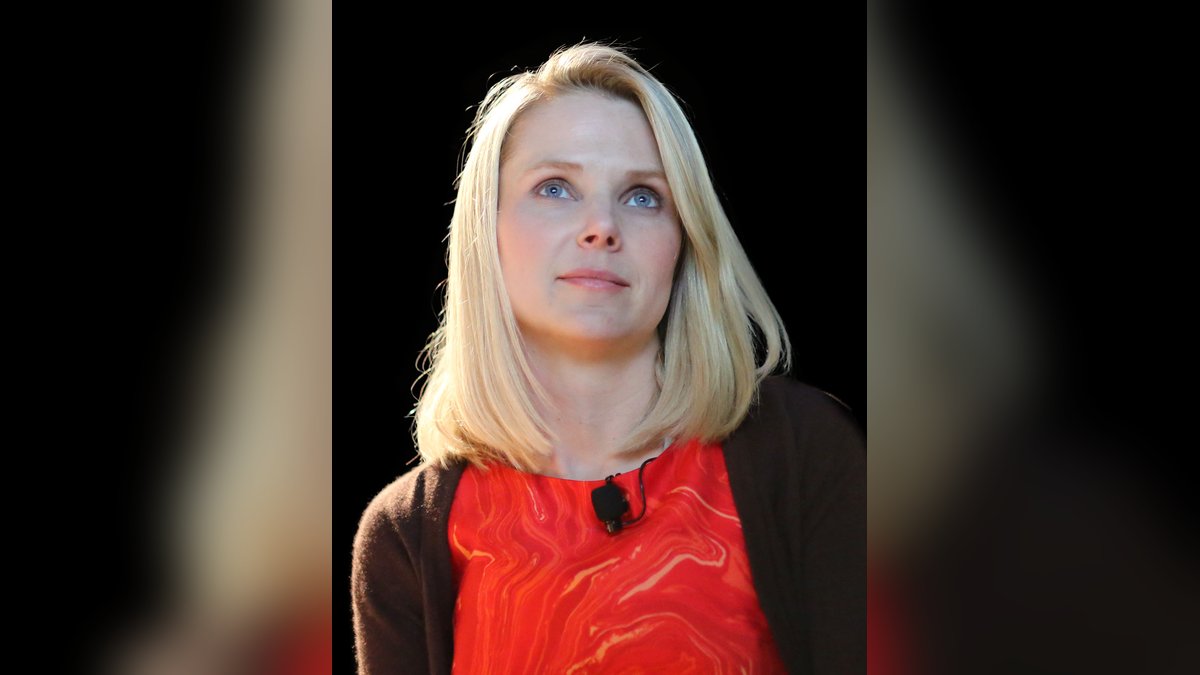
Who is Marissa Mayer? She is an American business executive, engineer, and investor whose career has spanned the most transformative decades of the internet age. Known for her tenure at tech giants like Google and Yahoo!, Mayer is a formidable figure who transitioned from leading massive global corporations to focusing on the cutting edge of artificial intelligence. Born on May 30, 1975, she is a highly decorated executive who has successfully navigated the volatile landscape of Silicon Valley, building a reputation as a sharp strategist and a powerful voice in global business.
Mayer’s impact on the technology world is undeniable, rooted in her deep technical background and executive leadership. Before becoming CEO of Yahoo! from 2012 to 2017, she spent over a decade at Google, where she was notable as the company’s first woman software engineer. Following her time at Yahoo!, she moved into the venture space, co-founding Sunshine and later establishing the AI company Dazzle AI. Beyond her tech roles, she maintains a vast portfolio of influence, serving as a board member for major entities including Starbucks, Walmart, and AT&T Inc., while holding a net worth reported at $800.0 million in 2021.
This biography traces the remarkable trajectory of Marissa Mayer, from her beginnings in Wisconsin to her innovations at Stanford. We will explore the pivotal years of her time at Google, the challenges and triumphs of leading Yahoo! through financial shifts, and her later focus on AI through Lumi Labs. Finally, we will examine the breadth of her corporate power and the personal milestones that define this influential executive.
Key Takeaways
- She earned BS and MS from Stanford University, specializing in symbolic systems and artificial intelligence.
- Mayer served as a long-time executive and key spokesperson for Google from 1999 to 2012.
- She was CEO of Yahoo! from 2012 to 2017, a period marked by controversial management policies.
- After Yahoo!, she founded Lumi Labs, which later rebranded to Sunshine and then Dazzle AI.
- In 2021, her net worth was reported at $800.0 million, and she holds multiple board positions.
Marissa Mayer at a Glance
| Born | Marissa Ann Mayer; May 30, 1975; Wausau, Wisconsin, U.S. |
|---|---|
| Education | Stanford University (BS, MS) |
| Occupations | Software engineer, business executive |
| Title | Founder and CEO, Dazzle AI |
| Board member of | AT&T Inc.; Hilton; San Francisco Ballet; Starbucks; Walmart |
| Spouse | Zachary Bogue (m. 2009) |
| Children | 3 |
| Citizenship | United States |
| Employer | Google (1999–2012); Yahoo (2012–2017); Lumi Labs (2017–present) |
| Awards | honorary degree (2009); Forbes list of The World’s 100 Most Powerful Women (2013) |
| Net worth | $800.0 million (2021) |
From Wisconsin Roots to Stanford Innovation

Marissa Mayer was born on May 30, 1975, in Wausau, Wisconsin. Her upbringing was marked by the blend of rigorous academic pressure and intense extracurricular commitment. She was the daughter of Margaret Mayer, an art teacher of Finnish descent, and Michael Mayer, an environmental engineer who worked for local water companies. Her family history included her grandfather, Clem Mayer, who had served as mayor of Jackson, Wisconsin, for 32 years. Despite describing herself as “painfully shy” during her childhood and teenage years, Mayer maintained an astonishing schedule, never having fewer than one after-school activity per day. She balanced ballet, ice-skating, piano, swimming, debates, and the Brownies.
During her middle and high school years, she honed her skills in both the artistic and competitive spheres. At Wausau West High School, she excelled in demanding subjects such as chemistry, calculus, biology, and physics. Her involvement was multifaceted; she served as the president of the Spanish club and the treasurer of the Key Club, while also captaining both the debate team and the pom-pom squad. Her dedication paid off when the high school debate team secured the Wisconsin state championship, and the pom-pom squad finished as the state runner-up. In addition to her academic pursuits, she held the job of a grocery clerk during high school.
Following her graduation in 1993, Mayer was selected by Tommy Thompson, then the Governor of Wisconsin, as one of the state’s two delegates to attend the National Youth Science Camp in West Virginia. This early exposure to advanced scientific environments set the stage for her later academic trajectory at Stanford University. Initially, Mayer enrolled at Stanford with the intention of pursuing medicine, planning to become a pediatric neurosurgeon. However, her interests gradually shifted away from the clinical path and toward the abstract mechanics of thought and language.
She decisively switched her academic concentration to symbolic systems, a major that was a sophisticated convergence of philosophy, cognitive psychology, linguistics, and computer science. At Stanford, her involvement extended beyond the classroom; she was a member of the university’s parliamentary debate and danced in the university ballet’s production of the Nutcracker. Furthermore, she contributed to global education, helping bring computer science education to schools in Bermuda. Her academic rigor was recognized when, during her junior year, she taught a class in symbolic systems, which was so well-received by students that her supervisor, Eric S. Roberts, asked her to teach a subsequent course over the summer. For this exceptional teaching, she was awarded both the Centennial Teaching Award and the Forsythe Award from Stanford.
Mayer concluded her undergraduate career by graduating with honors. She earned a Bachelor of Science in symbolic systems in 1997 and, later, an Master of Science in computer science in 1999. Both degrees featured a specialization in artificial intelligence. Her undergraduate thesis demonstrated her early focus on natural language processing, as she built travel-recommendation software designed to advise users using natural-sounding human language.
🕒 Marissa Mayer’s Early Academic Journey
- Pre-1993 — Maintained an intense schedule balancing ballet, skating, piano, and academics.
- 1993 — Graduated from Wausau West High School.
- Post-1993 — Selected as a delegate to the National Youth Science Camp.
- 1997 — Earned a Bachelor of Science in symbolic systems with honors.
- 1999 — Earned a Master of Science in computer science, specializing in AI.
The Google Years: First Woman Software Engineer
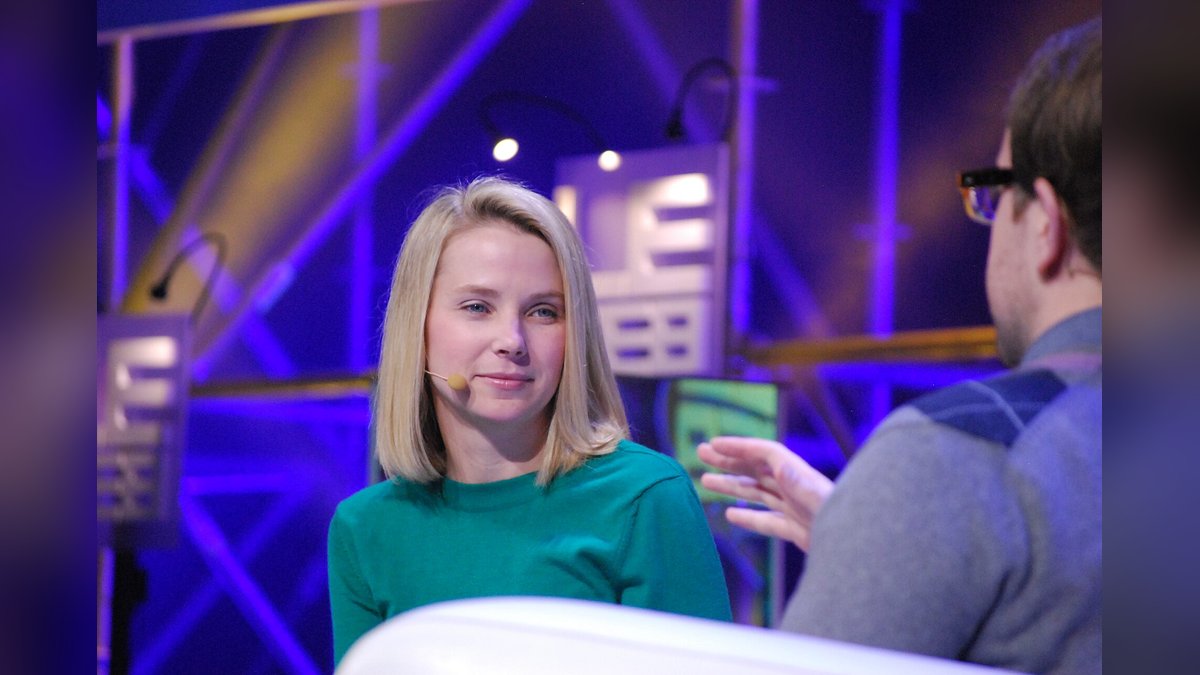
Marissa Mayer joined Google in 1999, beginning as employee number 20. Her entry into the company was marked by a high degree of technical scrutiny. During her interview process, she was quizzed by Google co-founder Sergey Brin on complex subjects, including artificial intelligence and user-friendly web design. Mayer started out in a foundational capacity, writing code and managing small teams of engineers as she developed and designed early Google search offerings. Though she was primarily a software engineer, her keen attention to detail quickly led her to work on user interface design, propelling her toward the role of product manager and later director of consumer web products.
Her commitment to usability became a defining feature of her work. Mayer reportedly felt that many competing search engines suffered from excessive clutter, and she advocated for Google to reduce visual noise to improve the user experience. This attention to detail was instrumental in overseeing the layout of Google’s distinctive, unadorned search homepage. Furthermore, Mayer was a key member of the three-person team responsible for developing Google AdWords, the advertising platform that allowed businesses to market products based on search terms. This platform proved immensely powerful, helping Google deliver 96% of the company’s revenue in the first quarter of 2011.
Cultivating Talent and Expanding the Product Suite
Mayer’s influence extended beyond product design and revenue generation; she was deeply involved in cultivating future leadership. In 2002, she initiated the Associate Product Manager (APM) program, a mentorship initiative designed to recruit and cultivate new talent. This two-year program required junior employees to take on intensive evening classes and extracurricular assignments, producing notable graduates such as Bret Taylor and Justin Rosenstein. By 2005, Mayer had ascended to the position of vice president of search products and user experience. She held critical roles in the development and refinement of a vast suite of Google properties, including Google Search, Google Images, Google News, Google Maps, Google Books, Google Product Search, Google Toolbar, iGoogle, and Gmail.
Her tenure was marked by significant executive shifts. Mayer served as vice president of Google search products and user experience until the end of 2010, when she was reassigned by then-CEO Eric Schmidt to head local, maps, and location services—a move widely interpreted as a demotion. Despite this shift, she was simultaneously promoted to the operating committee, making her the youngest member of that committee at the time. In 2011, her efforts led to Google securing the acquisition of the survey site Zagat for $125 million. Throughout her time at Google, Mayer also maintained a commitment to education, teaching introductory computer programming at Stanford and mentoring students at the East Palo Alto Charter School.
📌 Google Properties Mayer Influenced
- Google Search
- Google Images
- Google News
- Google Maps
- Google Books
- Gmail
Leading Yahoo! Through Financial Challenges

On July 16, 2012, Marissa Mayer was appointed president and CEO of Yahoo!, a role she assumed the following day. She arrived at a company facing significant turbulence. At the time of her appointment, Yahoo’s financial health had been lagging behind that of Google for over a year, and the organization was characterized by a high rate of turnover among its CEOs, management, and high-level engineers. In an attempt to simplify the increasingly bureaucratic processes, Mayer introduced an online program called PB&J, which allowed employees to collect complaints and votes regarding office problems; any issue that gathered at least 50 votes would trigger an investigation by online management.
Mayer’s tenure was marked by both controversial management policies and strategic acquisitions. In February 2013, she mandated a major personnel policy change requiring all remote-working employees to transition to in-office roles. This policy drew criticism, particularly given that Mayer herself had worked from home near the end of her pregnancy, having soundproofed a small space adjacent to her office to accommodate her infant son. Conversely, in April 2013, she implemented a change to Yahoo!’s maternity leave policy, which lengthened the allowance and provided a cash bonus to parents, a move noted by CNN as being in line with other Silicon Valley companies such as Facebook and Google.
The company pursued aggressive growth strategies, highlighted by the May 20, 2013, acquisition of Tumblr for $1.1 billion. While Yahoo! reported a fall in revenues in July 2013, the company did report a rise in profits compared to the previous year. Web traffic for Yahoo! surpassed that of Google in August 2013, though the two companies maintained a close competitive trajectory throughout the year. The stock price of Yahoo! doubled over the 14 months following her appointment in September 2013. However, much of this stock growth was later attributed to Yahoo!’s stake in the Chinese e-commerce company Alibaba Group, which had been acquired prior to Mayer’s arrival.
The Financial Turning Point
Despite the initial stock gains, internal pressures mounted. In November 2013, Mayer instituted a performance review system based on a bell curve ranking, a system that required managers to rank employees such that those at the low end would be let go. This process led to complaints from employees who felt the system was being viewed as mandatory. The financial outlook deteriorated further; by December 2015, stakeholders SpringOwl and Starboard Value began releasing statements criticizing Mayer’s performance as CEO and recommended her replacement. By January 2016, it was estimated that Yahoo!’s core business had been worth a negative value since December 2015.
Facing mounting pressure, Mayer confirmed in February 2016 that Yahoo! was considering the possibility of selling its core business. This culminated in the 2017 acquisition of the company’s operating business by Verizon Communications for $4.48 billion. Mayer announced her resignation on June 13, 2017. During her time leading the company, she was paid a total of $239 million, primarily in stock and stock options. The sale included a $23 million termination package for Mayer, which was reported in March 2017 and confirmed in 2017.
Mayer’s time at Yahoo! was not without controversy. In 2015, a lawsuit filed by former editorial director Scott Ard, alleging the performance rating system was unfairly biased against male employees, was dismissed in March 2018. A subsequent lawsuit filed in 2016 by former employee Gregory Anderson, who alleged the company’s performance management system masked layoffs, was dismissed in 2017. Later, in November 2017, Mayer testified before the United States Senate Committee on Commerce, Science, and Transportation regarding state-sponsored attacks on Yahoo’s data during 2013 and 2014.
✅ Pros
- Increased stock price over 14 months following her appointment.
- Implemented a lengthened maternity leave policy with a cash bonus.
❌ Cons
- Mandated a policy requiring remote workers to return to the office.
- Instituted a performance review system based on a bell curve ranking.
The AI Focus: Founding Sunshine and Lumi Labs
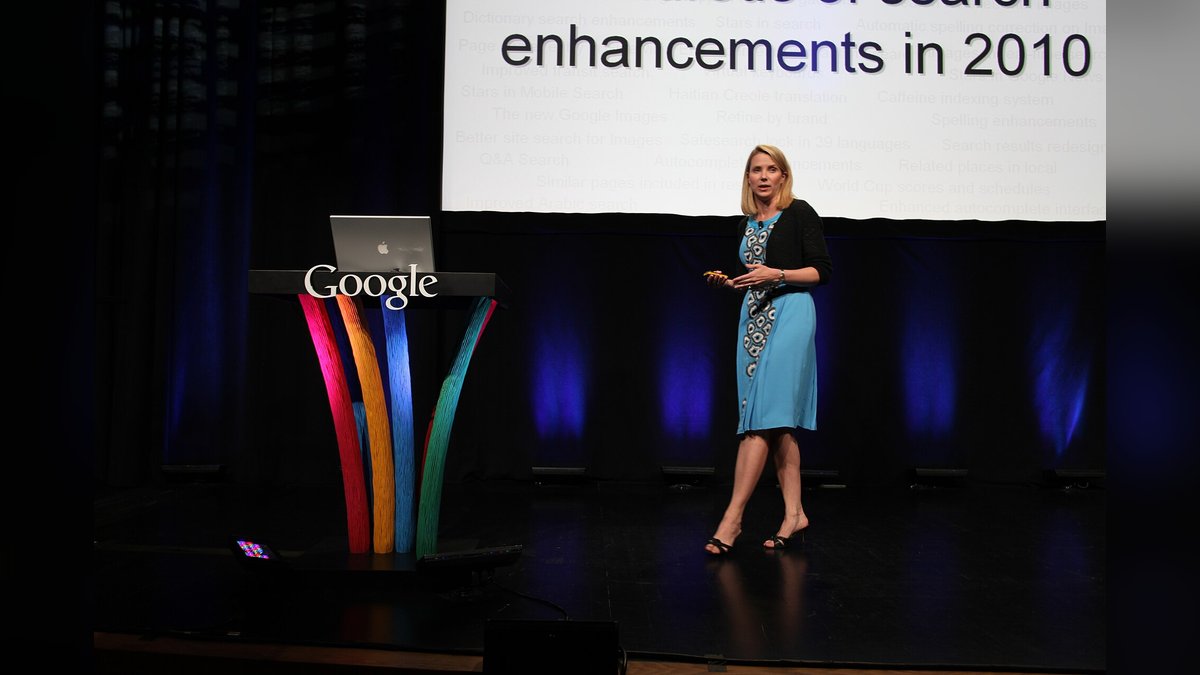
After her departure from Yahoo! in 2017, Marissa Mayer embarked on a new chapter focused intently on the intersection of artificial intelligence and consumer media. In 2017, she founded Lumi Labs, a company based in Palo Alto, alongside former colleague Enrique Munoz Torres. The initial mission of Lumi Labs was to leverage AI to address the needs of the modern consumer. Mayer has often described artificial intelligence as “potentially a renewable resource that can be very generative,” a view she characterizes as “enlightening.” This belief in the generative power of AI has driven her subsequent ventures.
The evolution of her AI focus became public in November 2020, when Mayer announced a significant corporate shift. Lumi Labs was rebranded as Sunshine. This rebranding coincided with the launch of their first major product, Sunshine Contacts. This new software claimed to enhance users’ contact management across both iPhone and Google platforms. The functionality relied on a combination of intelligent algorithms, existing contact data, and public sources to provide a more robust and intelligent contact experience for the user base.
The AI Product Cycle
The company continued to iterate its focus on AI-driven consumer platforms. In November 2024, Sunshine introduced the Shine app. This new offering was an artificial intelligence photo sharing platform, designed to allow users to organize images and plan events within a shared social sphere. However, the lifecycle of Sunshine was relatively brief. The company was shut down in September 2025, at which point its assets were transferred to a new, subsequent AI company: Dazzle.
In September 2026, Mayer unveiled Dazzle. This venture introduced an AI assistant specifically targeted toward working mothers and women. Dazzle was built with a unique capability: it is trained on the user’s personal images to construct a detailed dossier on them. The launch of Dazzle did not go unnoticed. Mayer faced significant scrutiny on social media after announcing that she had utilized the AI assistant to generate three unique facts about her ten-year-old daughter.
Throughout her career, Mayer has demonstrated a keen interest in the commercial applications of AI. At the 2024 Cerebral Valley AI Summit in San Francisco, she discussed the potential for artificial intelligence to be utilized in creating more robust advertisements within search results, signaling her continuous focus on the monetization of AI-driven consumer data.
Corporate Power and Board Directorships

Marissa Mayer’s influence extends far beyond the executive suites of major technology firms. Following her tenure as a high-profile CEO, she has cultivated an extensive and varied portfolio of directorships, positioning her not just as a business leader, but as a significant figure in global corporate governance. Her involvement spans sectors as disparate as telecommunications, retail, hospitality, and high-tech finance. This breadth of engagement demonstrates a keen interest in the commercial applications of various industries, a trait that defined much of her career.
The Corporate and Retail Boardroom
Mayer holds significant positions on the boards of some of the world’s largest corporations. She serves on the boards of directors for AT&T Inc., Hilton, Starbucks, and Walmart. These roles place her at the intersection of massive consumer markets, from global retail to major beverage and hospitality chains. Beyond these corporate pillars, her involvement in the startup ecosystem is also notable; she served on the board of Nextdoor from May 2024 to June 2025, and previously held a position with Maisonette.
Her commitment to the world of technology and design is also evident through her work with various non-profit cultural institutions. Mayer has served on the boards of the San Francisco Ballet, Cooper–Hewitt, National Design Museum, and New York City Ballet. Furthermore, she held a role at the San Francisco Museum of Modern Art from 2013 until at least 2019, demonstrating a sustained interest in the intersection of commerce and culture.
A Portfolio of Active Investments
In addition to her formal board seats, Mayer maintains a highly active and diverse investment portfolio, focusing heavily on disruptive technology and specialized consumer markets. Her investments reflect a sophisticated understanding of modern consumer trends, ranging from digital media to health and home goods. These companies are not merely passive holdings; they represent her active interest in the future of commerce and technology.
Her active business investments include:
- Minted: A crowd-sourced design retailer.
- Airtime.com: A live video platform.
- uBeam: A wireless power startup.
- Brit + Co.: An online DIY community and e-commerce company.
- Square: A mobile payments processor.
- One Kings Lane: A home décor site.
- Natera: A genetic testing company.
- HVMN: A company focused on nootropics and biohacking.
With a reported net worth of $800.0 million in 2021, Mayer’s extensive network of directorships and investments solidifies her status as a powerful figure whose influence spans the traditional corporate landscape and the fast-moving world of venture capital.
Accolades and Personal Life Milestones
The sheer volume of media attention and accolades surrounding Marissa Mayer during the early 2010s solidified her position as a figure of immense, often scrutinized, power. Her rise was marked by a series of unprecedented recognitions. In 2008, at the age of 33, she was the youngest woman ever named to Fortune magazine’s annual list of America’s 50 Most Powerful Women in Business. This recognition was sustained, with her appearing on the list multiple times through 2014. Her global influence was further amplified in 2013, a year that proved to be a monumental peak of her visibility. She became the first CEO of a Fortune 500 company to be featured in a Vogue magazine spread, and she was also named in Time 100. In that same year, Mayer achieved a unique feat, becoming the only person to feature in all three of Fortune’s annual lists—Businessperson of the Year (at No. 10), Most Powerful Women (at No. 8), and 40 Under 40 (at No. 1)—simultaneously. By 2014, she was ranked sixth on Fortune’s 40 under 40 list.
While her professional achievements garnered intense industry commentary, her personal life was equally detailed in the public eye. Mayer, who had dated Larry Page in the early 2000s during his tenure as CEO of Google, married lawyer and investor Zachary Bogue on December 12, 2009. The demands of her executive role were interwoven with her family life; she revealed her pregnancy on the day Yahoo! announced her hiring in July 2012, giving birth to a boy, whom she eventually named Macallister, on September 30, 2012. This was followed two years later by the announcement of identical twin girls, Marielle and Sylvana, on December 10, 2015. Despite the intense scrutiny of her career, Mayer has maintained a consistent public view of her priorities, stating that her focus is “God, family and Yahoo!, except I’m not that religious, so it’s really family and Yahoo!” She has also publicly stated that she does not identify as a feminist.
Beyond the corporate and familial milestones, Mayer has demonstrated an engagement with the political landscape of her home state. During the 2021 California gubernatorial recall election, she took a decisive action, donating $200,000 to oppose an effort to recall Governor Gavin Newsom. This donation was noted by Politico as a move that helped deepen the governor’s substantial Silicon Valley support. Her career trajectory has been characterized by both high praise and sharp critique; while she was listed by the UK-based company Richtopia on December 24, 2015, as number 14 in the list of 500 Most Influential CEOs, she was also named by Fortune in March 2016 as one of the world’s most disappointing leaders. Nevertheless, she continued to be recognized by the industry, appearing on the list of women CEOs of Fortune 500 companies in 2017, and as of November 2025, her estimated net worth stood at $1.3 billion.
📊 Marissa Mayer’s Major Recognitions
| Year | Recognition/Event | Detail |
|---|---|---|
| 2008 | Fortune’s 50 Most Powerful Women | Youngest woman named to the list |
| 2013 | Fortune’s Annual Lists | Featured in three lists simultaneously |
| 2015 | Richtopia Ranking | Ranked 14 among 500 Most Influential CEOs |
| 2016 | Fortune Commentary | Named one of the world’s most disappointing leaders |
Frequently Asked Questions About Marissa Mayer
What was Marissa Mayer’s most prominent role in the tech industry?
Her most prominent roles include serving as a long-time executive and key spokesperson for Google, and later as the CEO of Yahoo! from 2012 to 2017. She is also recognized for her work in AI and founding the company Dazzle AI.
What companies has Marissa Mayer served as CEO or executive for?
She served as a software engineer and executive at Google from 1999 to 2012. She was CEO of Yahoo! from 2012 to 2017. After her departure, she founded Lumi Labs and Dazzle AI.
What is Marissa Mayer’s current focus in technology?
Her current focus is intensely on the intersection of artificial intelligence and consumer media. She founded Dazzle AI, which introduced an AI assistant specifically targeted toward working mothers and women.
How many children does Marissa Mayer have?
Marissa Mayer has three children. She is married to Zachary Bogue, whom she married in 2009. The couple has also been noted for her commitment to balancing a demanding career with family life.
What is Marissa Mayer’s estimated net worth?
Her net worth was estimated at $800.0 million in 2021. She has held various high-level executive positions and board memberships, including roles at AT&T Inc., Hilton, and Walmart.
Final Thoughts: The Legacy of Marissa Mayer
Marissa Mayer’s career is a study in the transformation of digital media, marked by a transition from foundational software engineering at Google to leading a venerable media giant. Her tenure at Google, where she was instrumental in the development of Google AdWords, which provided 96% of the company’s revenue in one quarter, established her reputation for meticulous attention to usability. As she navigated the turbulent waters of Yahoo!, her leadership introduced both controversial policies, such as the mandate for remote workers to return to the office in 2013, and significant strategic moves, including the $1.1 billion acquisition of Tumblr in 2013. These actions cemented her place as a pivotal, if polarizing, executive in the industry.
Beyond the commercial pressures of tech giants, Mayer has cultivated a broad portfolio of influence. She serves on the boards of major corporations, including Walmart, AT&T Inc., and Hilton, while also contributing to cultural institutions like the San Francisco Ballet. Her dedication to innovation continues through her roles at Lumi Labs and as Founder and CEO of Dazzle AI. Having achieved a net worth of $800.0 million by 2021, her trajectory demonstrates a rare blend of technical acumen, corporate power, and sustained entrepreneurial drive. What does the next generation of AI leadership hold for the digital landscape?
Sources and Further Reading
- Marissa Mayer — Wikipedia (text available under CC BY-SA 4.0)
- The Truth About Marissa Mayer: An Unauthorised Biography — businessinsider.com
- Putting a Bolder Face on Google — nytimes.com
- Look back at Marissa Mayer’s 2011 Los Angeles Times interview — latimes.com
- Marissa Mayer: Google’s Chic Geek — spectrum.ieee.org