Read this article in: Spanish (Español)
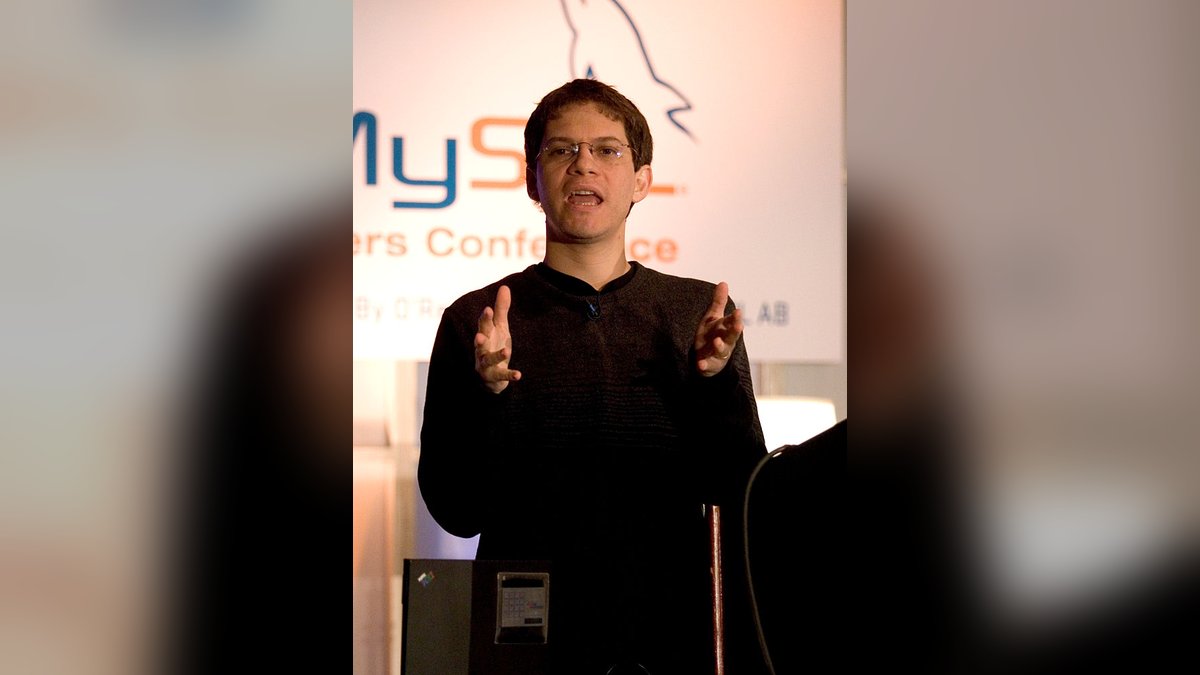
Who is Miguel de Icaza? He is a Mexican-American programmer and activist, best known as a software developer and architect of some of the most fundamental open-source projects of the last two decades. Born in Mexico City in 1972, de Icaza’s career has been defined by his commitment to free and open standards. His influence spans operating systems, programming platforms, and desktop environments, establishing him as a central figure in the global movement toward accessible, open technology.
His impact on the technology world is monumental. De Icaza co-founded several pivotal projects, including GNU Midnight Commander in 1994 and The GNOME Project in 1997, which helped define the modern free desktop. Later, he championed open standards through his work on Mono (launched in 2004) and Xamarin (founded in 2011). His dedication to these platforms earned him recognition, including the FSF Award for the Advancement of Free Software in 1999, solidifying his reputation as a pioneer who consistently builds and guides complex technical infrastructure.
This feature will trace the arc of his remarkable career, beginning with his early work pioneering tools like Midnight Commander and Wine, and moving through his efforts defining the free desktop with GNOME. We will explore his championship of open standards with Mono and his later roles building platforms at companies such as Xamarin and Microsoft, concluding with an examination of his awards, personal life, and lasting impact on the future of operating systems.
Key Takeaways
- He began his career with foundational low-level utilities, notably creating the Midnight Commander file manager in 1994.
- He co-founded the GNOME Project in August 1997 to establish the standard for a completely free desktop environment.
- The Mono Project (2001) was launched to implement Microsoft’s .NET development platform onto open-source operating systems.
- He founded Xamarin in May 2011 to continue development after previous Mono initiatives were abandoned following corporate shifts.
- His work culminated in February 2016 when Xamarin was acquired by Microsoft, leading to the relicensing of the Mono Project under MIT.
Miguel de Icaza at a Glance
| Born | November 23, 1972; Mexico City, Mexico |
|---|---|
| Citizenship | Mexican · American |
| Education | National Autonomous University of Mexico (dropped out) |
| Occupation | Software developer |
| Title | Distinguished Engineer |
| Spouse | Maria Laura Soares da Silva (m. 2003) |
| Children | 3 |
| Employer | Xamarin (2011–2016); Microsoft (2016–2022); Ximian (1999–2003); Novell (2003–2011) |
| Field of work | Software developer |
| Awards | FSF Award for the Advancement of Free Software (1999) |
| Notable work | GNOME; Mono |
| Founded | Ximian (1999), Mono (2004), GNU Midnight Commander (1994), Xamarin (2011), The GNOME Project (1997) |
From Mexico City to the Tech Frontier
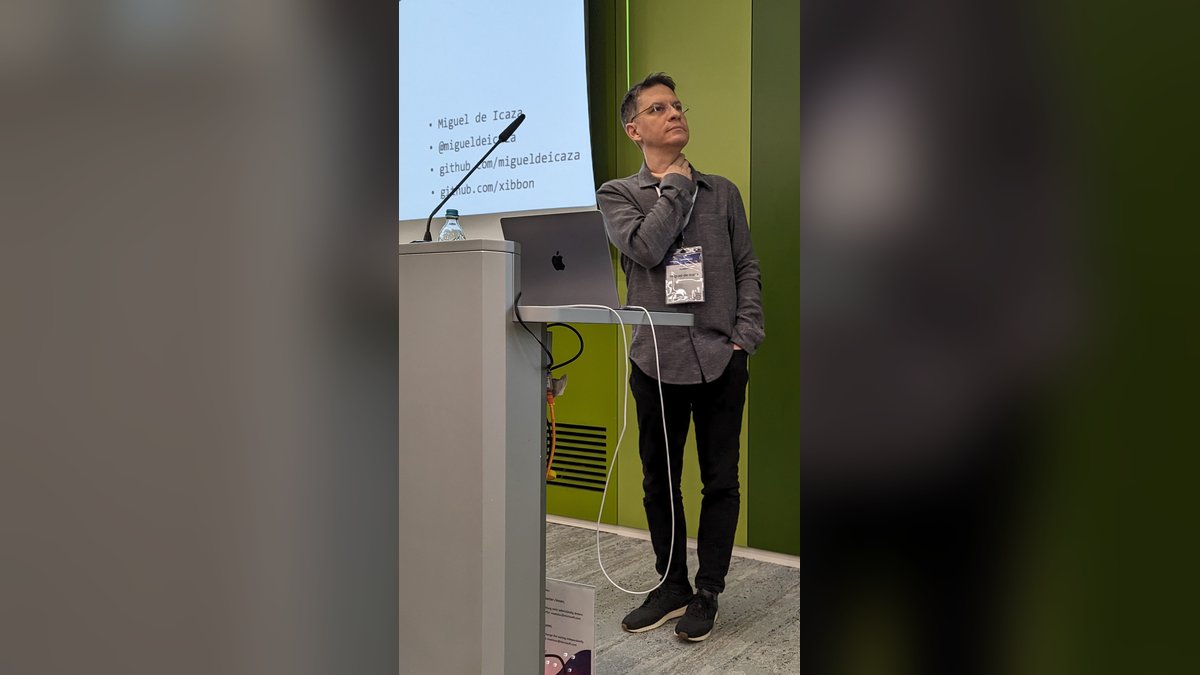
Miguel de Icaza arrived in the world on November 23, 1972, in Mexico City, Mexico. His roots placed him immediately within an intellectually rich environment; he hailed from a family steeped in scientific pursuit, with his father being a physicist and his mother a biologist. This early exposure to rigorous, academic thought undoubtedly shaped the trajectory of his later career, even as his path diverged from traditional academia.
His initial academic focus was on Mathematics at the prestigious National Autonomous University of Mexico (UNAM). While the institution provided a foundational level of study, De Icaza ultimately dropped out before earning a formal degree. This pivot, however, did not derail his intellectual ambitions. Instead, it rerouted him directly into the burgeoning world of technology. By 1992, he began writing free software, signaling a definitive commitment to the open-source ethos that would define much of his professional life.
The Genesis of a Digital Visionary
The journey from a student of mathematics in Mexico City to a global figure in open-source computing was marked by a decisive rejection of conventional career structures. Rather than continuing through the academic pipeline, De Icaza immersed himself in the code itself. This early dedication to writing free software was not merely a hobby; it was the beginning of a deep, lifelong commitment to digital freedom and accessible technology.
This early groundwork provided the intellectual and practical foundation for the monumental projects that would follow. It was the moment he began building tools that would not only challenge industry norms but would fundamentally redefine what was possible in software development. His background—a blend of high-level scientific family influence and the hands-on necessity of self-education in the nascent IT field—set the stage for the pioneering work that saw him co-founding key open-source initiatives, cementing his place as a defining voice in the modern technology frontier.
Pioneering Linux Tools: Midnight Commander and Wine
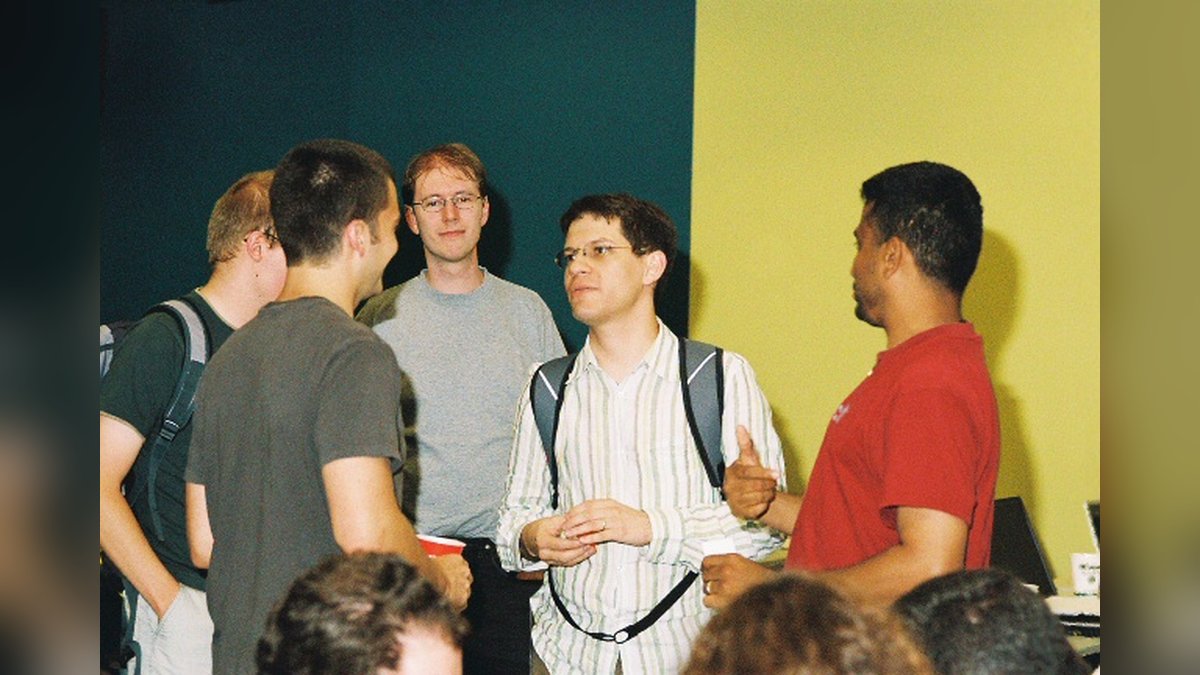
Even before his efforts defining the graphical landscape of the modern operating system, Miguel de Icaza was deeply engaged in pioneering critical, low-level utility tools that defined the early architecture of Linux. One of his earliest major software contributions was the creation of the Midnight Commander file manager in 1994. This text-mode utility quickly became a staple in the early open-source world, providing an intuitive, dual-pane interface for navigating and manipulating files entirely within the terminal. Beyond this foundational work, de Icaza was also among the initial contributors to the Wine project, demonstrating an early commitment to cross-platform compatibility and the running of proprietary applications on non-native systems.
His technical breadth extended far beyond simple utilities, delving into the complex world of hardware porting and kernel development. Working alongside David S. Miller, de Icaza was instrumental in developing the Linux SPARC port. This involved writing several crucial video and network drivers for the platform, alongside the necessary libc ports. This deep dive into system architecture was not a one-off effort; the pair later expanded their expertise, working to extend Linux support for MIPS to run on the specialized SGI Indy computers. For this system, de Icaza was responsible for writing the original X drivers, demonstrating mastery over both the physical hardware layers and the core operating system components.
Kernel Infrastructure and Corporate Crossroads
The collaboration was equally vital at the kernel level. Together with Ingo Molnár, de Icaza wrote the original software implementations for both RAID-1 and RAID-5 drivers, solidifying the robustness of Linux storage management. The scope of his work during this period—from writing core drivers to porting operating systems across diverse architectures like SPARC and MIPS—established him as a pivotal figure in making Unix-like computing accessible and stable on emerging hardware.
This period of intense technical contribution also brought him into contact with major corporate players. In the summer of 1997, de Icaza was interviewed by Microsoft for a role within the Internet Explorer Unix team, specifically focusing on a SPARC port. Although he ultimately lacked the university degree required to secure a work H-1B visa, the interaction proved significant. In an interview, he noted attempting to persuade his interviewers to release the Internet Explorer code to the public, even predating the similar open-sourcing effort undertaken by Netscape with their own browser.
Launching GNOME and Defining the Free Desktop
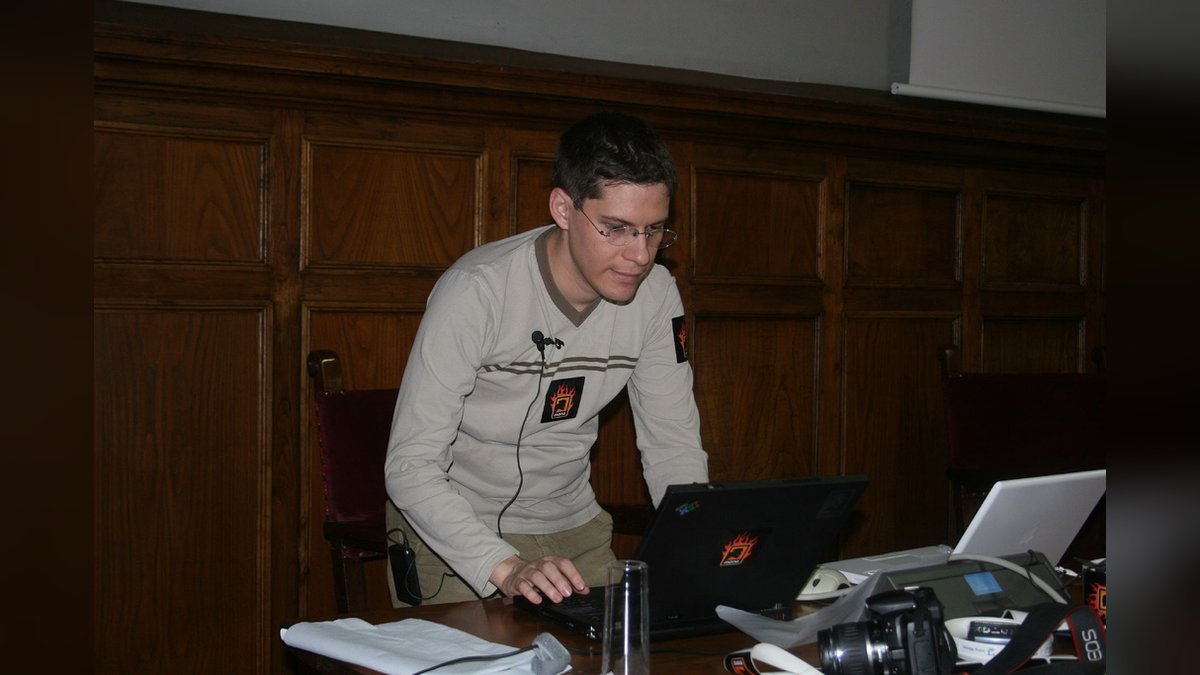
The next massive frontier in de Icaza’s career involved tackling the graphical user interface itself. In August 1997, he partnered with Federico Mena to launch the GNOME project. The ambition was monumental: to build a completely free desktop environment and component model designed to run on Linux and other Unix-like operating systems. This was not merely another graphical shell; it was an effort to define the very standard for the modern, free desktop. Complementing this massive undertaking, de Icaza also created Gnumeric, the GNOME spreadsheet program, an essential piece of the growing open-source software ecosystem.
The momentum generated by the GNOME project proved too significant to remain purely academic. By 1999, de Icaza, alongside Nat Friedman, co-founded Helix Code. This company was explicitly oriented toward free software and was designed to employ a large number of other hackers contributing to the GNOME ecosystem. This commercial structure allowed the core development of the free desktop to gain professional focus and resources.
While the GNOME project defined the look and feel of the free desktop, the challenge quickly shifted to compatibility with proprietary giants. This pivot led to the Mono Project. In 2001, Helix Code—which would later be renamed Ximian—announced the Mono Project, which de Icaza was slated to lead. The goal of Mono was to accomplish something highly ambitious: implementing Microsoft’s new .NET development platform on Linux and other Unix-like platforms. This effort was critical, as it sought to bridge the powerful, commercially successful technology of Microsoft into the open-source world.
The trajectory of this open-source ambition continued to intersect with major corporate players. In August 2003, Ximian was acquired by Novell. Within the corporate structure of Novell, de Icaza assumed the role of Vice President of Developer Platform, further cementing his role in defining the architectural compatibility of software across disparate operating systems. This period marked his deepening involvement in the complex task of ensuring that powerful, commercially developed platforms could thrive within the open-source paradigm.
Championing Open Standards: Mono and OOXML
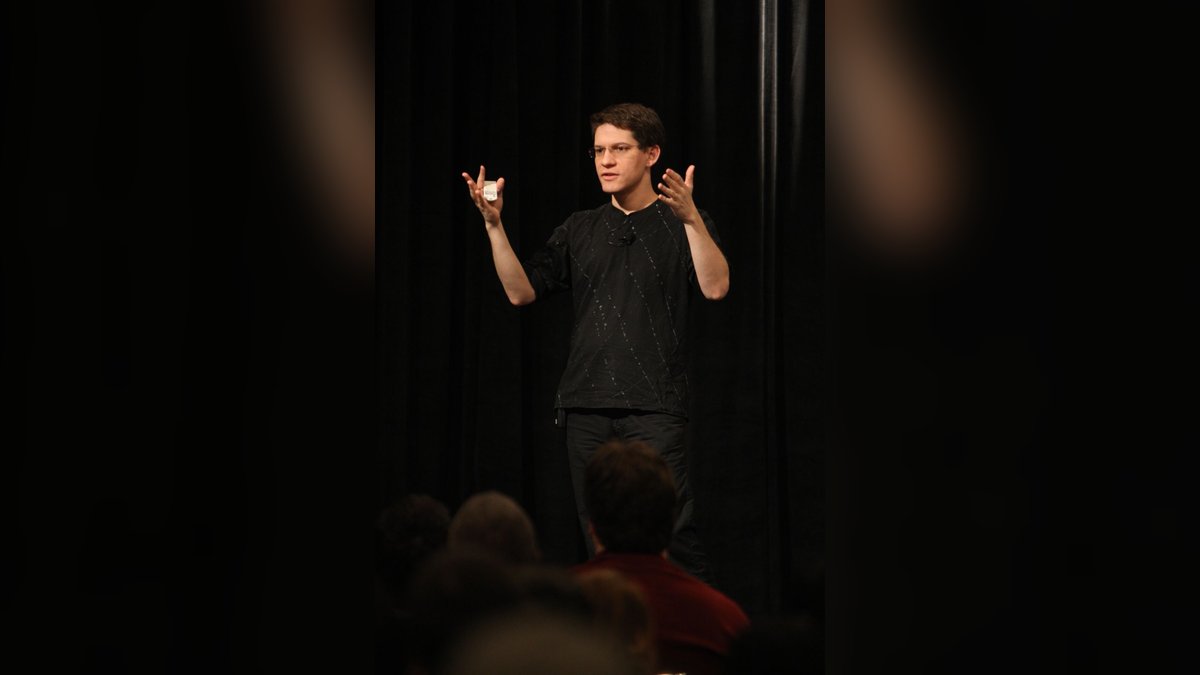
If defining the open desktop was his early mission, championing compatibility across proprietary ecosystems became the next monumental challenge. This commitment led de Icaza to become a vocal advocate for standards that spanned the corporate divide. A clear example of this was his endorsement of Microsoft’s Office Open XML (OOXML) document standard. This position placed him at odds with a significant portion of the open source and free-software community, who had widespread criticism of the standard. Simultaneously, de Icaza spearheaded the creation of Mono, a free and open-source alternative built to address the complexities of Microsoft’s proprietary .NET Framework. The very existence of Mono, while necessary for platform freedom, was a lightning rod for controversy due to the patents Microsoft held regarding the framework.
The institutionalization of these efforts began in 1999 when de Icaza, alongside Nat Friedman, co-founded Helix Code, a free software company with a focus on the GNOME environment. This structure paved the way for the Mono Project. In 2001, Helix Code—which was later renamed Ximian—announced the Mono Project. The ambitious goal was to implement Microsoft’s entire .NET development platform onto Linux and other Unix-like operating systems. The trajectory took a corporate turn in August 2003, when Ximian was acquired by Novell, bringing de Icaza the title of Vice President of Developer Platform.
The commitment to open platforms continued through successive corporate shifts. After Novell was acquired by Attachmate, the projects—including MonoTouch and Mono for Android—were abandoned. This vacuum led de Icaza to found Xamarin in May 2011, specifically to replace those abandoned products. Following an agreement between Xamarin and Novell, Xamarin assumed responsibility for the development and sales of these key products. This culminated in February 2016, when Xamarin was acquired by Microsoft. The resolution was a defining moment for the open-source community: the Mono Project was relicensed to the permissive MIT license, Visual Studio was mandated to include Xamarin—even its free versions—without restrictions, and the Xamarin SDKs were fully opensourced.
The ideological tensions surrounding these standards were not without friction. In 2009, during Software Freedom Day, Richard Stallman publicly labeled de Icaza a “Traitor to the Free Software Community.” De Icaza did not ignore the accusation; responding on his blog, he articulated a belief in a “world of possibility” and maintained that he remained open to discussions aimed at improving the overall pool of open source and free software.
Building Platforms at Xamarin and Microsoft
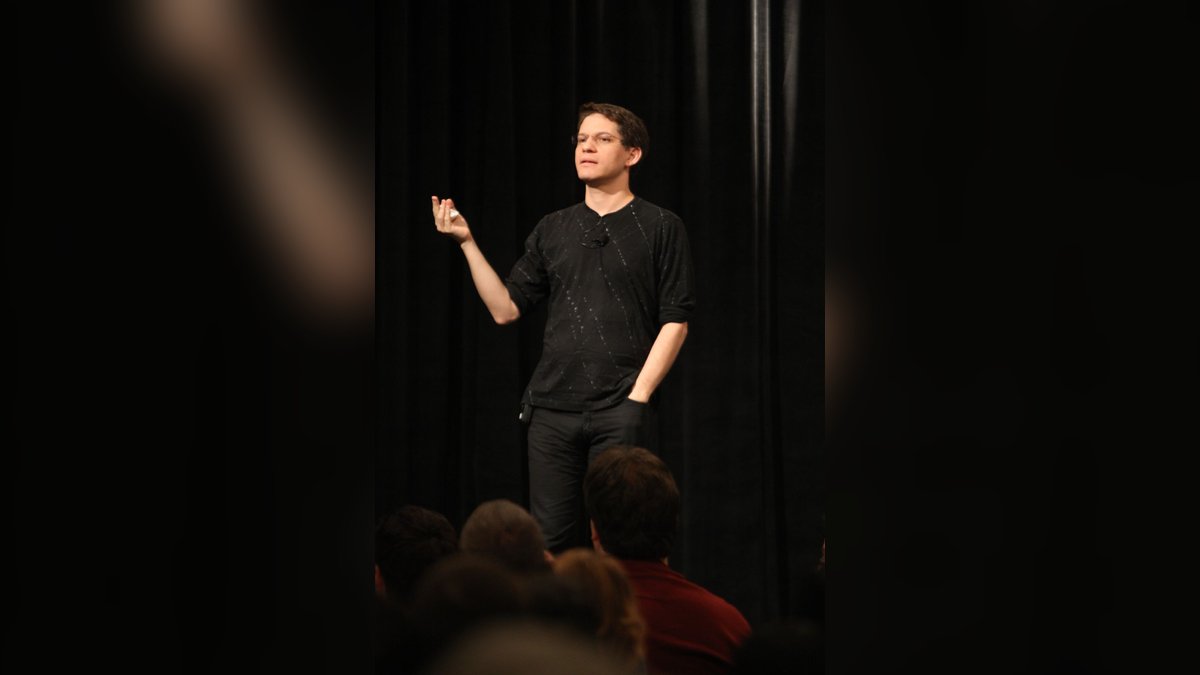
After the foundational work defining the free desktop environment, de Icaza’s focus shifted toward making the open-source ecosystem compatible with the proprietary giants. This trajectory led to the institutionalization of these efforts, beginning in 1999 when he and Nat Friedman co-founded Helix Code, a free software company centered on the GNOME environment. The commitment to open platforms continued to evolve, culminating in the 2001 announcement of the Mono Project, which was intended to implement Microsoft’s burgeoning .NET development platform onto Linux and other Unix-like operating systems. This initiative was managed through Ximian, a company that later saw its destiny change when, in August 2003, it was acquired by Novell. Within the corporate structure of Novell, de Icaza served as Vice President of Developer Platform, guiding the efforts to bridge the gap between Microsoft’s commercial tools and the open-source world.
The platform wars continued to shift, eventually pivoting de Icaza’s attention toward the burgeoning mobile landscape. In May 2011, he founded Xamarin. This move was necessitated by the fact that the previous Mono initiatives, specifically MonoTouch and Mono, had been abandoned following Novell’s acquisition by Attachmate. Shortly after its founding, Xamarin and Novell reached a crucial agreement, allowing Xamarin to take over the development and sales of these key products, positioning the company at the forefront of cross-platform mobile development for Android.
The most significant corporate transition occurred in 2016. In February 2016, Xamarin announced its acquisition by Microsoft. This integration proved pivotal for the open-source community. A month later, at the Microsoft Build conference, the implications were detailed: the Mono Project would be relicensed under the permissive MIT license, Visual Studio would include Xamarin—even its free versions—without restrictions, and the essential Xamarin SDKs would be fully opensourced. This move cemented a major chapter in de Icaza’s career, placing him at the heart of Microsoft’s commitment to open platforms for nearly six years.
This tenure culminated in March 2022, when de Icaza announced his departure from Microsoft to take some time off. Following this period, his work continued to evolve, demonstrated by his official launch of Xogot at the GodotCon Boston event in May 2025, signaling his ongoing influence on the next generation of open-source tooling.
Guiding the Future of .NET and Operating Systems

If the early chapters of his career were defined by building the open desktop, the subsequent years saw de Icaza applying his rigorous technical philosophy to the complexities of corporate platforms and operating system compatibility. This high-level engagement often manifested in pointed critiques of the open-source landscape. For instance, in August 2012, he openly criticized the Linux desktop, calling it “killed by Apple.” His critique targeted what he perceived as a developer-focused culture that lacked backward compatibility and suffered from fragmentation across various Linux distributions. This skepticism was evident in his personal blogging in March 2013, when he announced that he regularly used macOS rather than Linux for his desktop computing needs, signaling a pronounced philosophical shift regarding the ideal development environment.
Despite these critiques of the open desktop, de Icaza remained deeply involved in defining the open standards of the corporate world. This culminated in his association with the .NET Foundation. In 2014, he joined Anders Hejlsberg on stage during the announcements surrounding the foundation and the open sourcing of Microsoft’s C# Compiler. This involvement led him to serve on the board of directors of the .NET Foundation, solidifying his role in the governance of a major, proprietary-rooted technical standard. This position reflected a deep commitment not just to open source, but to the institutionalization and standardization of major programming platforms.
His technical focus continued to evolve, demonstrating a constant search for the next defining platform. After announcing his departure from Microsoft in March 2022, de Icaza remained actively engaged in defining future technology stacks. This culminated in his recent work with the launch of Xogot, which he officially presented at GodotCon Boston in May 2025. This recent initiative underscores his ongoing role as a guiding force, moving beyond historical platform battles to champion the next generation of development tools and operating system paradigms.
Awards, Personal Life, and Lasting Impact
The recognition of Miguel de Icaza’s contributions to the digital landscape has been marked by consistent industry acclaim, solidifying his status not merely as a developer, but as a foundational figure in the movement for open technology. His early career achievements garnered immediate, high-profile accolades. In 1999, he was honored with the Free Software Foundation 1999 Award for the Advancement of Free Software, a testament to the philosophical and technical significance of his early work. That same year, his influence was recognized by the MIT Technology Review with the Innovator of the Year Award. His pioneering efforts gained broader cultural notice when he was named one of Time magazine’s 100 innovators for the new century in September 2000.
His influence continued to be measured by major industry bodies. In early 2010, he received the Microsoft MVP Award, demonstrating his deep engagement with proprietary platforms while maintaining an open ethos. Furthermore, in March 2010, his stature within the global community was highlighted when he was named as the fifth in the “Most Powerful Voices in Open Source” by MindTouch. These accolades, spanning the late 1990s through the 2010s, paint a picture of a technologist whose impact transcended specific products, affecting the very structure of software development across multiple corporate and ideological boundaries.
Outside the realm of code and corporate platforms, de Icaza’s life has been marked by a blend of personal commitment and public visibility. Born on November 23, 1972, in Mexico City, Mexico, he holds dual Mexican and American citizenship. While his early academic path saw him drop out of the National Autonomous University of Mexico, his life has since been rooted in Massachusetts, where he has resided for two decades. His personal life includes marriage to Maria Laura Soares da Silva, whom he married in 2003, and they together have raised three children. His involvement in popular culture is also notable, with cameo appearances in the 2001 motion pictures Antitrust and The Code.
Beyond the technical achievements and family life, de Icaza has cultivated a visible civic and ideological voice. He and his wife have been outspoken critics of the actions of the state of Israel towards the Palestinians in the Middle East. This commitment has led him to blog about the subject matter and to physically visit the area of conflict, demonstrating that his influence extends far beyond the scope of open-source standards and operating systems. These varied facets—the acclaimed engineer, the dedicated family man, and the vocal advocate—collectively define a career of profound, lasting impact on both the global software industry and the discourse surrounding free expression.
Frequently Asked Questions About Miguel de Icaza
Who is Miguel de Icaza and what is he best known for?
Miguel de Icaza is a Mexican-American programmer and activist. He is best known for pioneering major open-source projects, including the GNOME desktop environment, the Mono Project, and the Xamarin platform. His work focuses on promoting digital freedom and open standards.
What is the significance of the GNOME project in his career?
The GNOME Project, launched in August 1997, was significant because it aimed to define the standard for a completely free desktop environment. This monumental effort established the look and feel for modern, open-source operating systems, marking a major turning point in his career.
Did Miguel de Icaza complete his degree at UNAM?
No, Miguel de Icaza did not complete his degree at the National Autonomous University of Mexico (UNAM). Although he initially studied Mathematics there, he ultimately dropped out before earning a formal degree, redirecting his focus entirely to the burgeoning field of technology.
What is Mono, and why did he develop it?
Mono was a crucial open-source project designed to implement Microsoft’s .NET development platform on non-Windows operating systems, such as Linux. Its goal was to bridge powerful, commercially successful Microsoft technology into the open-source community, ensuring platform compatibility.
When did Miguel de Icaza leave his role at Microsoft?
Miguel de Icaza’s tenure at Microsoft concluded in March 2022. This departure followed the acquisition of Xamarin in February 2016, a period during which he helped solidify the commitment to open platforms and standards.
Final Thoughts: The Legacy of Miguel de Icaza
Miguel de Icaza’s impact on the digital landscape is defined by a relentless commitment to making powerful technology universally accessible. From early pioneering work like the GNU Midnight Commander file manager in 1994 to co-founding the GNOME Project in 1997, his career has been a continuous effort to democratize the operating system experience. He was instrumental not only in building a free desktop environment but also in defining the standards for cross-platform compatibility, most notably through the Mono Project, which aimed to implement Microsoft’s .NET development platform on Unix-like systems. His history of guiding these complex technical endeavors—from the Linux SPARC port to the development of X drivers for MIPS—cemented his reputation as a pivotal architect of modern open-source infrastructure.
His career trajectory illustrates a profound intellectual pivot: moving from the academic rigor of mathematics at the National Autonomous University of Mexico to the hands-on, pioneering demands of the open-source world. Through organizations he co-founded, such as Ximian (1999) and Mono (2004), he provided the structure and technical vision necessary for the free software movement to confront commercial behemoths. By championing projects like GNOME and pushing the boundaries of compatibility with standards like OOXML, he fundamentally shaped how developers could build and run software regardless of underlying proprietary walls.
The legacy of Miguel de Icaza is thus not merely a list of successful projects, but a blueprint for digital independence. He demonstrated that the most powerful technological progress often occurs at the intersection of community effort and commercial ambition. As the digital frontier continues to evolve, the foundational principles of open standards and platform freedom, championed by figures like him, will remain the ultimate measure of technological liberty.
Sources and Further Reading
- Miguel de Icaza — Wikipedia (text available under CC BY-SA 4.0)
- How Apple Killed the Linux Desktop and Why That Doesn’t Matter — wired.com
- 10 years of Ximian – Miguel de Icaza — tirania.org
- Midnight Commander FAQ — savannah.gnu.org
- Wine History — wiki.winehq.org
- Official website