Read this article in: Portuguese (Português) · Spanish (Español)
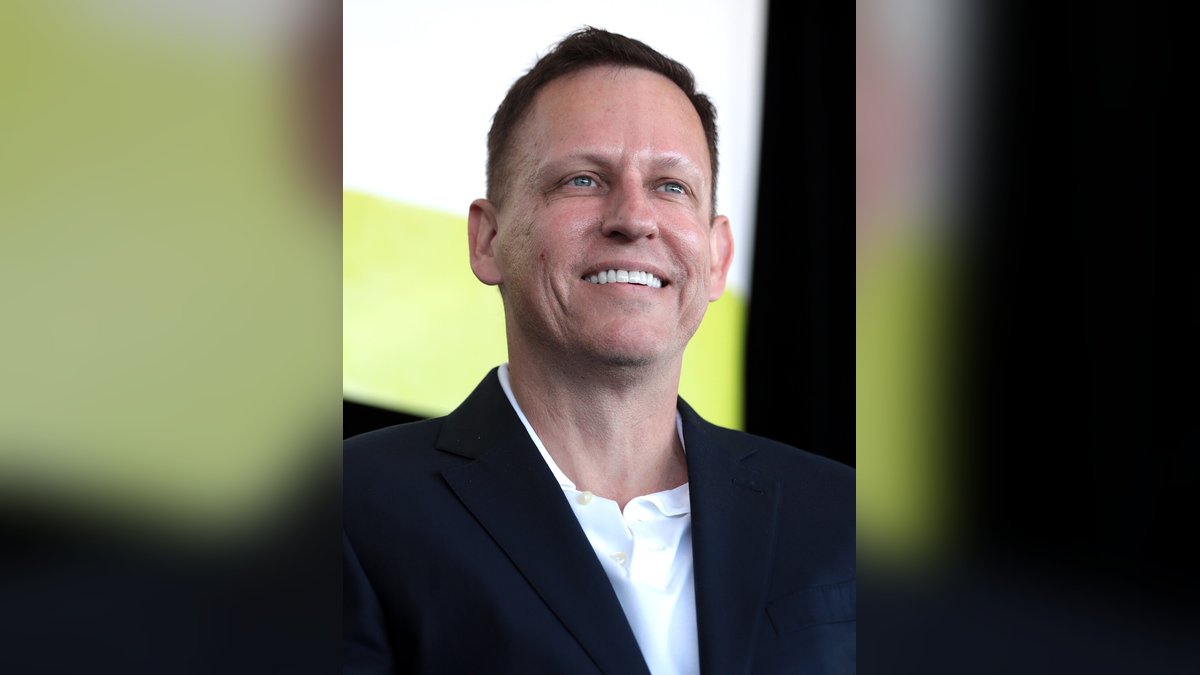
Who is Peter Thiel? He is a German-American entrepreneur, venture capitalist, and political activist, best known as a pivotal co-founder of major tech institutions including PayPal, Palantir Technologies, and Founders Fund. Born in Frankfurt, West Germany, Thiel has maintained deep roots in both Germany and the United States. His career trajectory has spanned investment, social networking services, and venture capital, establishing him as a central, often polarizing, figure in modern American technology.
Thiel’s influence on the technology world is immense, marked by foundational investments and the creation of industry-defining companies. He co-founded PayPal in 1998 and later launched Palantir Technologies in 2003, a big data analysis company he has chaired since its inception. His investment acumen was demonstrated significantly in August 2004 when he acquired a 10.2% stake in Facebook, making him one of its first outside investors. Following these successes, he launched Founders Fund in 2005, becoming a key architect of the modern venture capital ecosystem.
This biography will trace the extraordinary arc of his career, examining everything from his early life and legal foundations to the genesis of PayPal and his subsequent role in building the investment infrastructure through Founders Fund. We will delve into his work with Palantir and Clarium, explore his political activism, and examine his philanthropic efforts that continue to shape the future of American technology and defense.
Key Takeaways
- Born in Frankfurt, West Germany (1967), Peter Thiel later attended Stanford University, earning both a BA and a JD.
- He co-founded PayPal in 1998, which was sold to eBay in 2002 for $1.5 billion, earning him the moniker ‘Don of the PayPal Mafia.’
- Thiel established Palantir Technologies in 2003, initially focusing on anti-fraud technology for state entities.
- He diversified his investment strategy by launching funds like Founders Fund (2005), Mithril Capital (2012), and Valar Ventures (2010).
- As of 2025, his net worth is estimated at $23.9 billion, and he received the Frank Schirrmacher Award in 2021.
Peter Thiel at a Glance
| Born | Peter Andreas Thiel; 11 October 1967; Frankfurt, West Germany |
|---|---|
| Citizenship | Germany; United States; New Zealand |
| Education | Stanford University (BA, JD) |
| Occupations | Businessman; entrepreneur; venture capitalist |
| Title | President of Clarium Capital; Chairman of Palantir; Partner in Founders Fund; President of Thiel Capital; Chairman of Valar Ventures; Chair of Mithril Capital |
| Political party | Republican |
| Spouse | Matt Danzeisen (m. 2017) |
| Employer | Stanford University |
| Field of work | Investment; Social networking service; Venture capital; Activism; Social network |
| Awards | Frank Schirrmacher Award (2021); Axel Springer Award (2026) |
| Notable work | The Stanford Review |
| Net worth | $23.9 billion (2025) |
| Member of | Steering Committee of the Bilderberg Meetings |
| Founded | PayPal (1998), Founders Fund (2005), Palantir Technologies (2003), The Stanford Review (1987), Breakout Labs (2012), Clarium Capital (1998), Confinity (1998), Thiel Fellowship (2010) |
Early Life, Education, and Legal Foundations
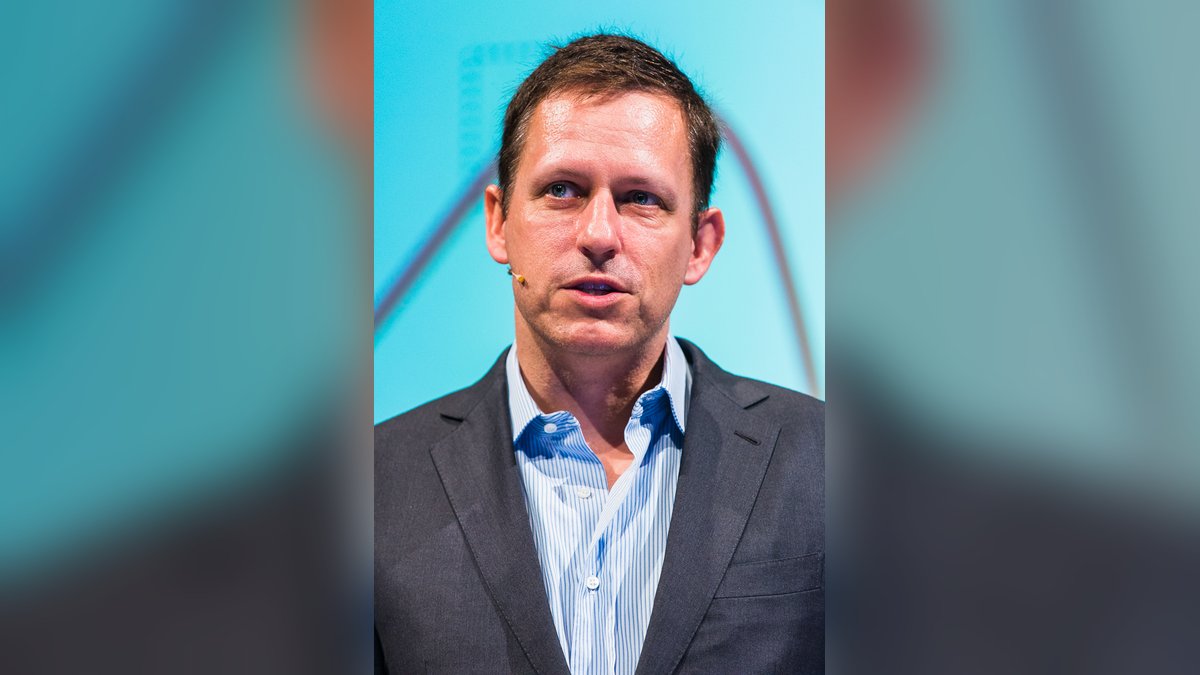
Peter Andreas Thiel’s journey began far from the Silicon Valley glow of his later career. Born on 11 October 1967 in Frankfurt am Main, Hesse, West Germany, his family’s initial roots were deep in German finance. However, the trajectory of his life was altered early on when the family migrated to the United States when Peter was just one year old, settling initially in Cleveland, Ohio. This early move, away from the booming financial capital of Frankfurt, created an itinerant upbringing, particularly as his father worked for various mining companies. The family’s path was further winding, taking them through South Africa and South West Africa during the time of apartheid, before establishing themselves in Foster City, California, by 1977.
Thiel’s formative years were marked by intense academic experiences that shaped his intellectual framework. While he spent two years attending a German-language school in Swakopmund, the environment—which required uniforms and employed corporal punishment—left him with a lasting distaste for regimentation and uniformity, a sentiment that later informed his support for libertarian principles. Despite this varied background, he excelled academically, scoring first in a California-wide mathematics competition while at Bowditch Middle School. By the time he graduated from San Mateo High School in 1985, he was valedictorian of his class. His intellectual curiosity extended to science fiction and philosophy, leading him to Stanford University.
At Stanford, his engagement with academic thought led him to co-found The Stanford Review in 1987. This move was prompted by the replacement of the “Western Culture” program with a course covering diversity and multiculturalism. The conservative and libertarian newspaper served as a crucial early platform, allowing him to cultivate a network and develop a strategic method of attracting talent through provocative verbal cues. After completing his undergraduate studies, Thiel attended Stanford Law School, graduating in 1992 with a Juris Doctor degree. During his time at Stanford, he encountered the influential mimetic theory of René Girard.
The years following his law degree saw him immersed in the corporate world. He began as a law clerk to Judge James Larry Edmondson of the U.S. Court of Appeals for the Eleventh Circuit (1992–1993) before working as a securities lawyer for Sullivan & Cromwell in New York, a role he held for less than a year. His professional path diversified quickly; in 1993, he took a job as a derivatives trader in currency options at Credit Suisse while simultaneously serving as a speechwriter for former United States secretary of education William Bennett. By 1996, having returned to the Bay Area, he positioned himself for the emerging dot-com boom. With financial backing from family and friends, he established Thiel Capital Management and began his venture capital career. His early forays into tech included a setback after investing $100,000 in a friend’s failed web-based calendar project, before the opportunity arose with Max Levchin, whose cryptography-related idea formed the basis of their first venture, Fieldlink, which would later be renamed Confinity in 1998.
The PayPal Genesis and Early Tech Successes
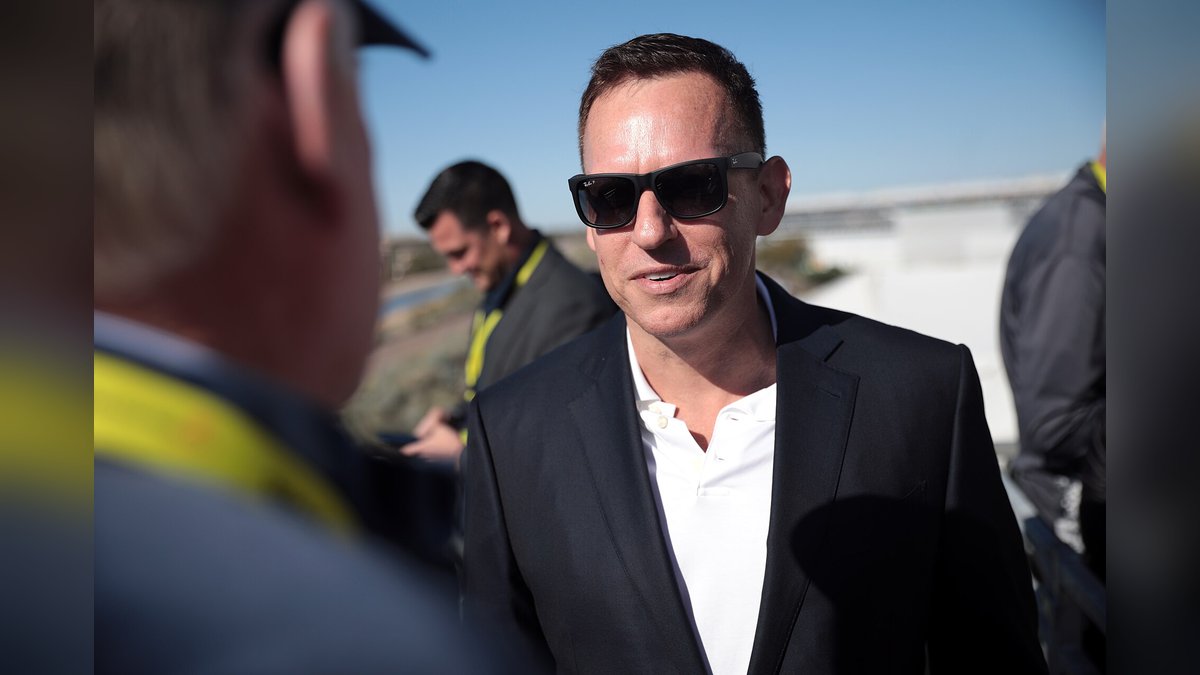
The seeds of what would become a financial behemoth were sown in the late 1990s. Beginning in 1998, Peter Thiel provided initial seed funding of $100,000 for an early iteration called Fieldlink. The venture quickly gained momentum, securing $500,000 in February 1999, funding largely sourced from friends and family, including $35,000 from Thiel’s parents. By the middle of 1999, the funding had grown substantially to $4.5 million, bolstered by a significant $3 million contribution from Nokia Ventures. Despite the proliferation of payment options—including credit cards and automated teller machine networks—a critical infrastructure gap remained: not all merchants possessed the necessary hardware to accept credit cards, forcing consumers back to the inefficiency of cash or checks.
It was this logistical bottleneck that spurred the creation of a digital solution. Working with the team behind Confinity, Thiel envisioned a type of digital wallet that would enhance both consumer convenience and security by encrypting data directly on digital devices. This vision led to the launch of PayPal in 1999. The company’s mission, as Thiel viewed it, was far grander than simple transactions; it was about liberating people from the constant erosion of value caused by currency inflation. Early adoption proved the concept’s immediate utility: at a press conference in 1999, representatives from Nokia and Deutsche Bank utilized PayPal to send $3 million in venture funding directly to Thiel via PalmPilots, demonstrating the platform’s power.
The following year saw PayPal undergoing rapid, strategic expansion through key mergers. In 2000, the company integrated with Elon Musk’s online financial services platform, X.com, and Pixo, a firm specializing in mobile commerce. These mergers were transformative, allowing PayPal to expand its reach into the rapidly growing wireless phone market. Crucially, the platform evolved into a safer and more user-friendly tool by enabling money transfers via free online registration and email addresses, bypassing the need to exchange sensitive bank account information. This digital transformation laid the groundwork for massive growth. PayPal went public on February 15, 2002, and just eight months later, in October 2002, it was acquired by eBay for $1.5 billion. Thiel remained the Chief Executive Officer through the entire acquisition, and at the time of the sale, his 3.7% stake represented a value of $55 million, solidifying his first major financial milestone in the tech sector. This success earned him the moniker “Don of the PayPal Mafia” within Silicon Valley circles.
🕒 Key Milestones in PayPal’s Genesis
- 1998 — Peter Thiel provided initial seed funding for Fieldlink.
- February 1999 — Fieldlink secured $500,000 in funding.
- 1999 — PayPal was launched, addressing the infrastructure gap in payments.
- 2000 — PayPal integrated with X.com and Pixo, expanding into mobile commerce.
- February 15, 2002 — PayPal went public.
- October 2002 — PayPal was acquired by eBay for $1.5 billion.
Building the Investment Ecosystem: Founders Fund and Venture Capital
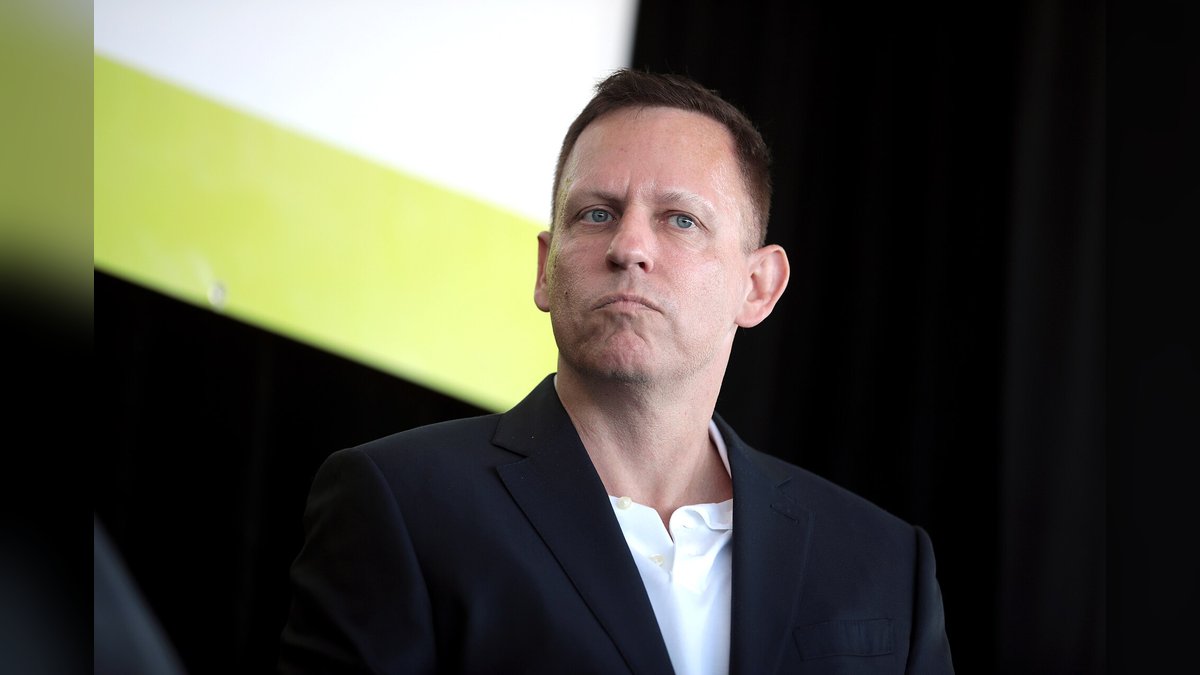
The formal structuring of Peter Thiel’s investment apparatus began with the establishment of Founders Fund in 2005, a San Francisco-based venture capital fund. While the fund achieved massive success with investments like Facebook, Thiel guided the firm toward a strategic pivot. He reasoned that despite the high valuation of social platforms, companies like Twitter would not, in fact, “take civilization to the next level.” This shift cemented the fund’s dedication to “hard tech” and ventures related to national security. The fund has a documented history of incubating startups engaged in hypersensitive work, viewing the combination of Palantir, Anduril, and the nuclear startup General Matter as a core trilogy, with ambitions to add others, including a plan for onshoring ultraviolet light lithography.
The scope of Founders Fund’s backing is vast, spanning early-stage giants like Airbnb, Stripe, and LinkedIn, alongside deep-tech plays such as SpaceX and PsiQuantum. The firm’s commitment to foundational infrastructure is underlined by its 2024 activities, including the incubation of the defense incubator Valinor Enterprises alongside General Catalyst and Red Cell Partners. That same year, the fund led a massive US$85 million seed round for the UAE’s decentralized, open-source AI platform SentientAGI, explicitly seeking to challenge the closed models of major players like Google and Amazon. This focus on critical, often defense-adjacent, technology solidified the fund’s reputation—a reputation some insiders even nicknamed “the Precious,” referencing Tolkien’s One Ring.
As Thiel’s investment interests broadened, he structured additional vehicles to target different stages of corporate maturity and geographical markets. In 2012, he launched Mithril Capital Management, naming the fund after the fictitious metal from The Lord of the Rings. Unlike Founders Fund, which focuses on early-stage startups, Mithril Capital was designed to target companies that were already beyond the startup phase and ready for significant scaling. The fund holds shares in the space-based intelligence company BlackSky and invests in Helion Energy.
Complementing this specialized investment strategy is Valar Ventures, which Thiel co-founded in 2010 with Andrew McCormack and James Fitzgerald. Valar took a decidedly international focus, becoming a powerhouse in global fintech. Its portfolio is marked by a sprawling array of London-based, Paris-based, and Dubai-based fintech unicorns and startups, including TransferWise (now Wise), the fintech unicorn Qonto, and the banking unicorn N26. Furthermore, Valar extended its reach into the New Zealand market, investing in software firms like Xero and the undersea communication company Pacific Fibre, demonstrating a sophisticated, multi-continental approach to capturing financial infrastructure value.
📊 Thiel’s Investment Vehicles
| Fund/Vehicle | Year Established | Primary Focus | Key Examples/Notes |
|---|---|---|---|
| Founders Fund | 2005 | Early-stage startups, ‘hard tech’ | Airbnb, Stripe, SpaceX, PsiQuantum |
| Mithril Capital Management | 2012 | Companies beyond the startup phase | BlackSky, Helion Energy |
| Valar Ventures | 2010 | International fintech | Wise, Qonto, N26 (London, Paris, Dubai) |
Palantir and Clarium: Big Data and Global Macro Strategy
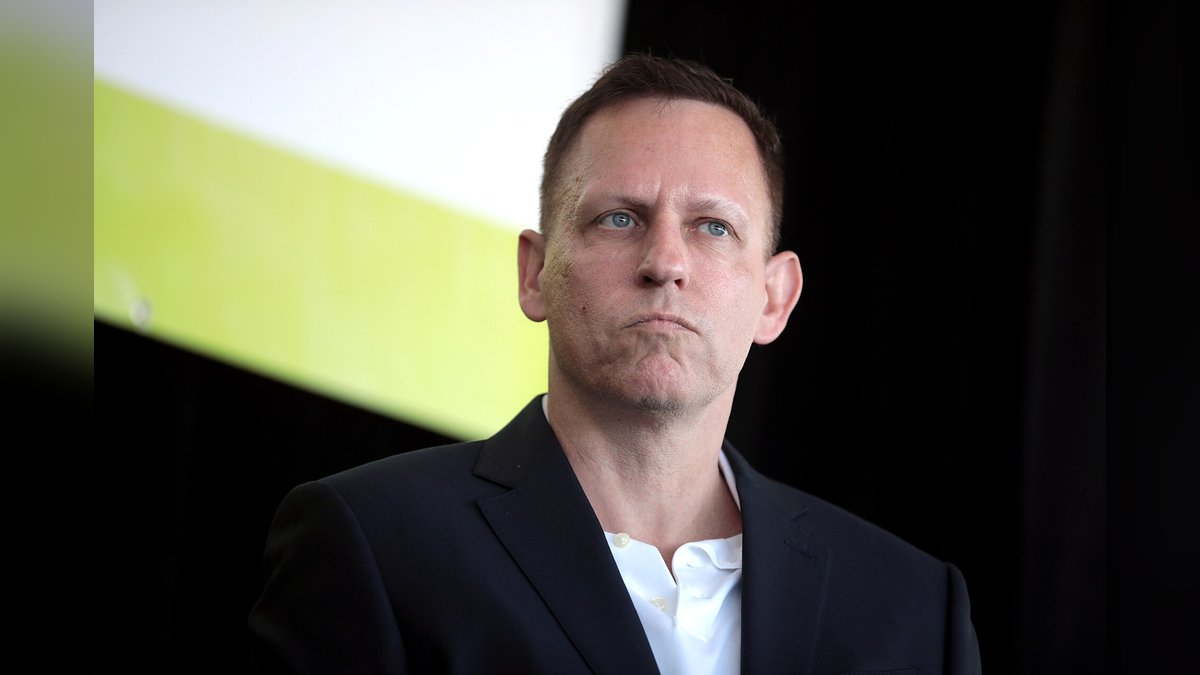
Following the rapid expansion of PayPal, Peter Thiel channeled his considerable resources and intellectual curiosity into two distinct, large-scale ventures: Palantir Technologies and Clarium Capital Management. These endeavors represented a strategic shift from foundational digital payments to mastering massive datasets and predicting global economic tides. One aimed to build sophisticated technological infrastructure for state entities, while the other sought profit by forecasting the seemingly unpredictable currents of global finance.
The Logic of State Data and Palantir
The formation of Palantir Technologies, named after the Tolkien artifact, occurred in May 2003, largely conceived as a direct response to the September 11 attacks. The company was initially built upon the anti-fraud technology developed during the PayPal era. Peter Thiel, who serves as the company’s chairman, viewed the attacks as ushering in an era of sweeping, potentially “draconian policies,” leading him to believe that the optimal solution was providing cutting-edge technology coupled with built-in policing systems to ensure governmental power was exercised legally. In its nascent stages, Palantir focused on intelligence contracts with organizations including the FBI, CIA, and NSA. While commentators have noted that the software itself only analyzes data collected by customers, critics have questioned its role, pointing out that it shapes policing culture with new norms. Initial funding was significant; when the company launched in 2004, Thiel and his venture fund largely bankrolled the initial $30 million cost, as there was little interest from external venture capital. Later, Oakhouse Partners led the $7.5 million Series A in June 2006, followed by REV’s $10.5 million Series B in November 2006.
Forecasting the Macro-Economy with Clarium
Simultaneously, Thiel utilized $10 million of his proceeds to establish Clarium Capital Management, a global macro hedge fund. This fund was designed to focus on directional and liquid instruments across currencies, interest rates, commodities, and equities. The core, or “idée fixe,” of the strategy was the peak-oil theory—the belief that the world was running out of oil and that easy alternatives were nonexistent. This thesis guided early predictions; notably, in 2003, Thiel successfully bet that the United States dollar would weaken. When the market showed signs of a financial sector bubble in 2004, he warned that General Electric and Walmart were vulnerable. The fund saw a 57.1% return in 2005 after predicting a dollar rally. However, the trajectory was volatile. After a 7.8% loss in 2006, the firm’s assets under management grew to over $7 billion by the first quarter of 2008, fueled by petrodollar analysis, though it subsequently fell in 2009 following the collapse of financial markets. By 2011, after missing the economic rebound, many key investors withdrew, reducing the value of Clarium’s assets to $350 million.
Together, these two ventures—one deeply embedded in the national security apparatus and the other tethered to global commodity cycles—showcased Thiel’s capability to identify and monetize large-scale, systemic risks. Whether predicting the decline of oil supplies or structuring systems for state surveillance, the common thread was a conviction in the ability to model and predict the contours of massive, complex global forces.
📌 Key Ventures and Focus Areas
- Palantir Technologies: Built on anti-fraud tech, focused on state intelligence contracts.
- Clarium Capital Management: Global macro hedge fund predicting economic tides.
- Palantir’s Initial Funding: Thiel and his fund bankrolled the initial $30 million cost.
- Clarium’s Core Thesis: Based on peak-oil theory, predicting resource scarcity.
Political Activism, Ideology, and Controversies
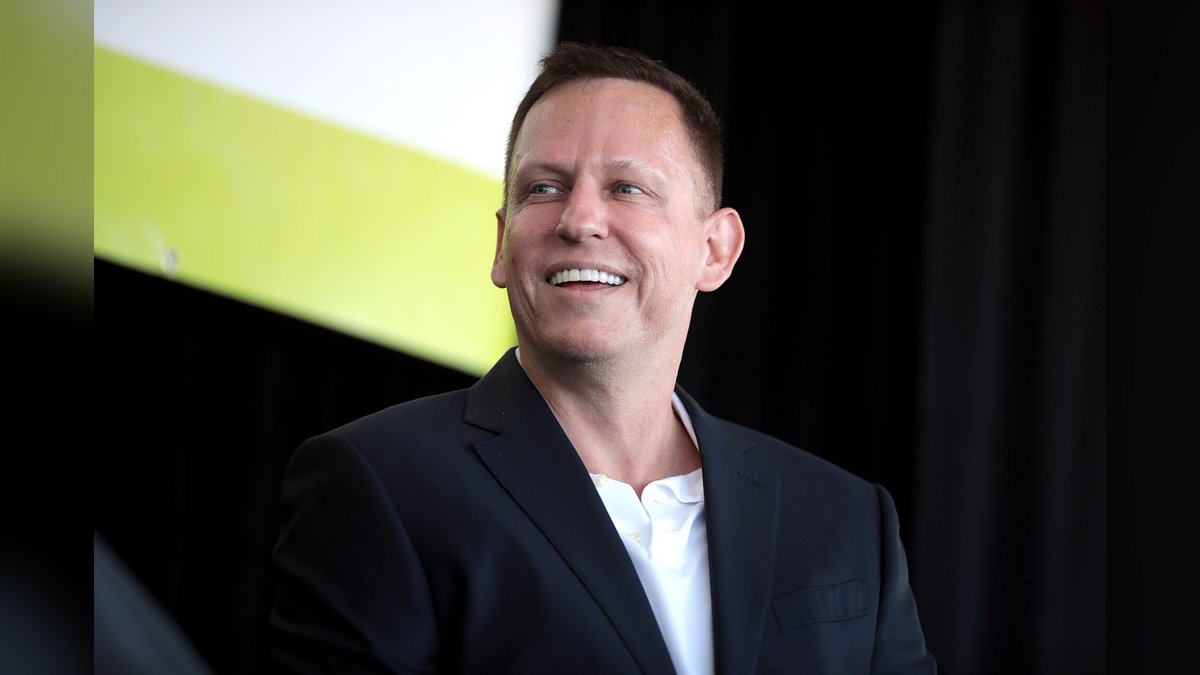
Peter Thiel’s involvement in the public sphere has consistently fused the pursuit of technological dominance with a pronounced ideological framework. Classified as a Republican, his political leanings generally align with conservative libertarian thought, a perspective often reflected in his participation in elite global forums, such as the Steering Committee of the Bilderberg Meetings. This ideological commitment has manifested both in his professional life and his explicit political activism. For instance, during his tenure on the board of Facebook, some employees noted that his influence was unusual for a board member who was not the chief executive, and critics at the time suggested he was actively pushing his mentee, Mark Zuckerberg, and the company’s trajectory toward a specific rightward direction.
The Intersection of Wealth and Political Support
His financial independence has allowed him to make highly public, politically charged statements. In a clear demonstration of his activist capacity, Thiel announced in February 2022 that he would not seek re-election to the board of Facebook’s owner, Meta. This departure was explicitly timed and stated as a means to support pro–Donald Trump candidates during the 2022 United States elections. Such moves underscore a willingness to leverage his considerable capital and platform to support specific political outcomes, linking the private sphere of venture capital directly to the mechanics of American electoral politics.
🧪 Political Influence and Business Decisions
Thiel’s actions illustrate linking private capital to political outcomes. For instance, his decision to leave the board of Meta was explicitly timed to support pro-Donald Trump candidates during the 2022 elections. This demonstrates leveraging his platform for specific political aims.
Beyond consumer tech, his investments demonstrate a focus on critical, state-adjacent infrastructure. This was evidenced by his involvement in General Matter, a company focusing on the “production and handling of High-Assay, Low-Enriched Uranium (HALEU).” The plan to build a facility in Paducah, which would become the “first privately developed US uranium enrichment facility,” underscores a belief in private sector leadership over national resources—a theme consistent with libertarian economic principles and a focus on self-sufficiency.
Global Reach and Citizenship
The scope of his global interests is also reflected in his citizenship profile, holding passports from Germany, the United States, and New Zealand. These multiple citizenships speak to an international operational scope, linking his business interests across various jurisdictions. Furthermore, his deep investment in strategic, large-scale ventures—such as the early involvement with Facebook’s board from 2004 to 2022, and his continued role as a board member of Palantir Technologies since 2003—illustrates a pattern of embedding himself within the highest echelons of American industry and national security apparatuses, regardless of the political climate.
Philanthropy and Supporting the Next Generation

Peter Thiel’s considerable resources and intellectual vigor are channeled into ventures that extend far beyond his own portfolio companies. His commitment to supporting the next generation of technologists and thinkers is structured through philanthropic vehicles, aiming to disrupt traditional educational and entrepreneurial pathways. Rather than simply donating to established institutions, his efforts are designed to create alternative systems that empower individuals who may not fit the conventional mold of academic success.
The Thiel Fellowship: Challenging the Status Quo
This philosophy found concrete expression with the creation of the Thiel Fellowship. On 29 September 2010, Thiel established the program, designed to identify and support early-career founders who might thrive outside the traditional academic pipeline. The Fellowship annually offers a total of funding—initially $100,000, but raised to $200,000 since 2025—over two years to 20 individuals under the age of 23. The core premise is a challenge to the assumption that college is the only viable path to success. Thiel has argued that many young people pursue higher education simply due to uncertainty about their future, and he posits that a fundamental change in the university system will require external pressure before internal willingness to adapt can manifest, a notion he likened to the Reformation.
The goal of the Fellowship is explicit: to spur recipients to drop out of college and instead dedicate themselves to building their own ventures. This focus on early-stage, unproven talent underscores a deep belief in the power of disruptive, self-directed innovation.
Scaling Support with the 1517 Fund
To sustain and amplify this mission, Thiel backed the creation of the 1517 Fund in 2015. The fund was established by Danielle Strachman and Michael Gibson, two individuals who were part of the original founding team of the Thiel Fellowship. The 1517 Fund is designed to provide cash grants and investments, effectively extending the support structure already provided by the Fellowship itself. Its target demographic is highly specific and ambitious: “dropouts, renegade students, and deep tech scientists.”
The investment thesis of the 1517 Fund is inherently counter-conventional, favoring high-risk, high-reward deep technology founders. The fund’s portfolio reflects this focus, backing companies such as Luminar Technologies, Loom, Inc., Atom Computing, and Durin Mining Technologies, demonstrating a sustained commitment to funding transformative ideas regardless of their immediate commercial viability or traditional institutional backing. By creating these specialized financial and intellectual ecosystems, Thiel has established a parallel infrastructure for the next generation of technological leaders.
The Enduring Influence on Defense and Future Tech
Peter Thiel’s investment scope has consistently transcended the realm of consumer technology, establishing a deep, often controversial, focus on critical infrastructure and state-adjacent sectors. His venture interests demonstrate a sustained belief in technological solutions capable of solving massive, systemic challenges—whether those challenges manifest as geopolitical instability, national security gaps, or the fundamental energy demands of a modern industrial base. This pattern of identifying and backing foundational, high-stakes technologies defines his enduring influence on modern technological architecture.
The Reshaping of Defense Technology
This commitment is perhaps most visible in the defense sector. In 2017, the founders of Anduril Industries—including Palmer Luckey, Joe Chen, Trae Stephens, Matt Grimm, and Brian Schimpf—launched the defense hardware startup. The involvement of the Founders Fund, which backed the company since its inception and subsequently invested $1 billion (as part of a $2.5 billion Series G funding round in June 2025), solidified Thiel’s role as a major patron of next-generation military tech. The ambition behind these investments is structural: in December 2024, it was reported that Palantir and Anduril were forming a consortium of new generation defense companies. This group aimed to challenge the established dominance of traditional defense corporations, bringing together players like SpaceX, OpenAI, Scale AI, and Saronic Technologies.
The potential impact of these new ventures was highlighted by legislative action. When the Trump administration’s budget bill included a provision requiring border surveillance towers to be “tested and accepted by U.S. Customs and Border Protection to deliver autonomous capabilities” in July 2025, critics noted that the provision effectively favored Anduril, as it ruled out major rivals such as General Dynamics and the Israeli-based Elbit Systems.
Pioneering Critical Energy Solutions
Beyond defense, Thiel’s vision extends to the fundamental energy needs of the nation. An example of this is General Matter, a company that emerged from stealth in April 2025, focusing specifically on the “production and handling of High-Assay, Low-Enriched Uranium (HALEU).” The establishment of a private facility in Paducah, which will serve as the “first privately developed US uranium enrichment facility,” represents a massive infrastructural undertaking. Thiel maintains a role on the board of directors of General Matter, a position noted byThe Economist as a rare occurrence. The company’s CEO is Scott Nolan, who previously worked for SpaceX and left the Founders Fund to focus on the venture.
Through these varied and highly capital-intensive endeavors—from autonomous border surveillance systems to the retooling of the uranium enrichment supply chain—Peter Thiel’s influence is cemented not merely as a financial backer, but as a key architect of modern technological infrastructure. His investments demonstrate a persistent focus on sectors deemed mission-critical, positioning him at the intersection of geopolitical power and deep technological capability.
Frequently Asked Questions About Peter Thiel
Who is Peter Thiel and what is his primary field of work?
Peter Thiel is a German-American entrepreneur, venture capitalist, and political activist. His primary fields of work include investment, venture capital, and activism. He is recognized for founding major technology companies and influencing global financial and political structures.
What major companies did Peter Thiel co-found?
He co-founded several major ventures, including PayPal (1998), Palantir Technologies (2003), and Founders Fund (2005). He also established The Stanford Review (1987), Clarium Capital (1998), and the Thiel Fellowship (2010).
What is the purpose of the Thiel Fellowship?
The Thiel Fellowship is one of the grant-making bodies governed by the Thiel Foundation. It is part of a broader network that includes Breakout Labs. These initiatives are designed to support and govern various intellectual and entrepreneurial endeavors.
How did Peter Thiel get involved with Facebook?
Peter Thiel became involved with Facebook in August 2004. He acted as the first outside investor by acquiring a 10.2% stake in the company. This initial investment was made for a sum of $500,000.
What is Peter Thiel’s estimated net worth?
According to the provided fact sheet, Peter Thiel’s estimated net worth is $23.9 billion as of 2025. This significant wealth reflects his success across multiple ventures, including PayPal and his various investment funds.
Final Thoughts: The Legacy of Peter Thiel
Peter Thiel’s career is a study in strategic reinvention, moving from the rapid growth of early internet services to the deep infrastructure of national security. His early success, notably co-founding PayPal, established him as a major financial force in the tech sector, culminating in the platform’s acquisition by eBay for $1.5 billion. This trajectory, however, was not defined by ephemeral consumer trends. Instead, it was guided by a persistent intellectual current—a belief in the power of foundational technologies and a skepticism toward mere incremental growth.
This conviction shaped his investment vehicle, Founders Fund. After guiding the fund through massive successes, Thiel deliberately pivoted its focus away from generalized social platforms toward “hard tech” and ventures tied to national security. Through organizations like Palantir Technologies, which deals with big data and global macro strategy, and his involvement in the defense incubator Valinor Enterprises, he has cemented a reputation as an architect of foundational, often complex, systems. His establishment of multiple specialized funds, including Mithril Capital, reflects a comprehensive strategy to target every stage of corporate maturity.
From his initial role in the venture capital ecosystem to his current chairmanship roles, Thiel has consistently sought to fund change that transcends the immediate market cycle. His life’s work demonstrates a profound belief that the most significant technological leaps are not those of consumer convenience, but those that restructure the core mechanisms of power and knowledge. As the world navigates increasingly complex technological frontiers, the questions Thiel raises about who controls the underlying infrastructure of civilization remain paramount.
Sources and Further Reading
- Peter Thiel — Wikipedia (text available under CC BY-SA 4.0)
- Goldberg: Why is Peter Thiel, a GOP megadonor, buying a Maltese passport? — latimes.com
- What Is It About Peter Thiel? — newyorker.com
- The Alarming Rise of Peter Thiel, Tech Mogul and Political Provocateur — nytimes.com
- Peter Thiel — forbes.com