Read this article in: Portuguese (Português) · Spanish (Español)
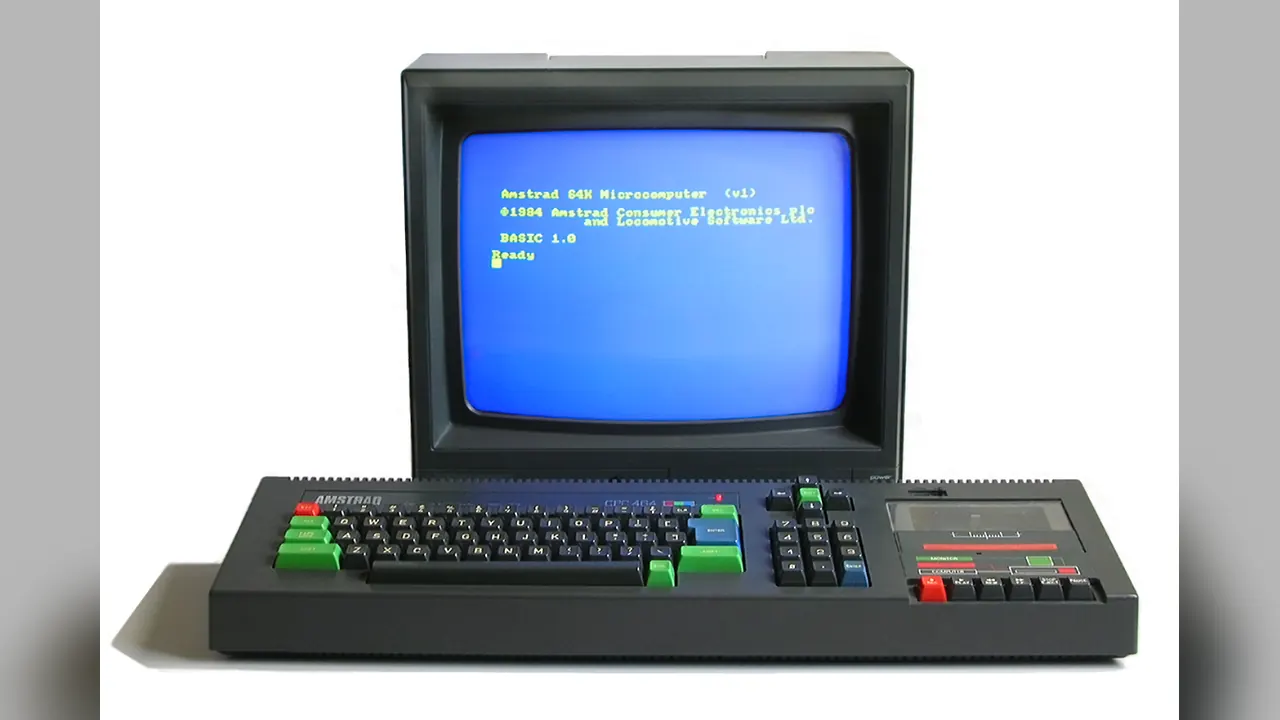
If you are looking for the 50 best games for the Amstrad CPC, prepare to embark on a true time machine that will take you directly into the vibrant universe of 1980s video games. The Amstrad CPC, or Colour Personal Computer, was a revolutionary machine that conquered the home computer market, establishing a rich and unforgettable game catalog. Far from being just a computer, it represented a complete platform, combining processing power with a vibrant gaming experience that captivated an entire generation of technology enthusiasts.
The importance of the Amstrad CPC is proven by its trajectory and market success. Produced between 1984 and 1990, it emerged during a period of intense competition, aiming to compete directly with giants like the Commodore 64 and the ZX Spectrum. Its relevance is not merely historical: the series sold approximately three million units globally, with the CPC 464 model, for example, being one of the best sellers in Europe, surpassing two million units. This popularity attests to the power and durability of the system, which utilized architecture based on the Zilog Z80A and ran operating systems such as AMSDOS and CP/M.
In this article, we will take a nostalgic and detailed trip to revisit this golden era of personal computing. To help you understand the magnitude of this machine and the context of the titles that ran on it, the content is divided into three crucial parts. First, we will dive into the architecture and historical context of the Amstrad CPC; next, we will explore the rich game catalog and the complete experience the machine provided; and finally, we will present a careful selection of the 50 classics that defined the best of this piece of technology history.
Key Points
- Launched in 1984, the CPC was an “all-in-one” system, combining a monitor and keyboard into a single cohesive unit.
- Its processor was the Zilog Z80 A at 4 MHz, supporting 64 or 128 KB of expandable RAM.
- It was compatible with operating systems such as AMSDOS, Locomotive BASIC, and the professional CP/M 2.2/3.0.
- The visual experience was rich, supported by the Motorola 6845 and capable of 16 colors at 160×200 pixels.
- It sold approximately 3 million units, recognized as a multifunctional platform, from games to applications.
Amstrad CPC Summary
| Developer | Amstrad |
|---|---|
| Type | Personal computer |
| Release | 1984 |
| Processor | Zilog Z80 A @ 4 MHz |
| Memory | 64 or 128 KB, expandable up to 576 KB |
| Operating System | AMSDOS with Locomotive BASIC 1.0 or 1.1; CP/M 2.2 or 3.0 |
| Display | 160×200 pixels with 16 colors, 320×200 pixels with 4 colors, 640×200 pixels with 2 colors |
| Sound | AY-3-8912, 3 voices, 8 octaves |
| Media | Compact Cassette, 3-inch floppy disks |
Amstrad CPC: The Architecture and Context of the Machine
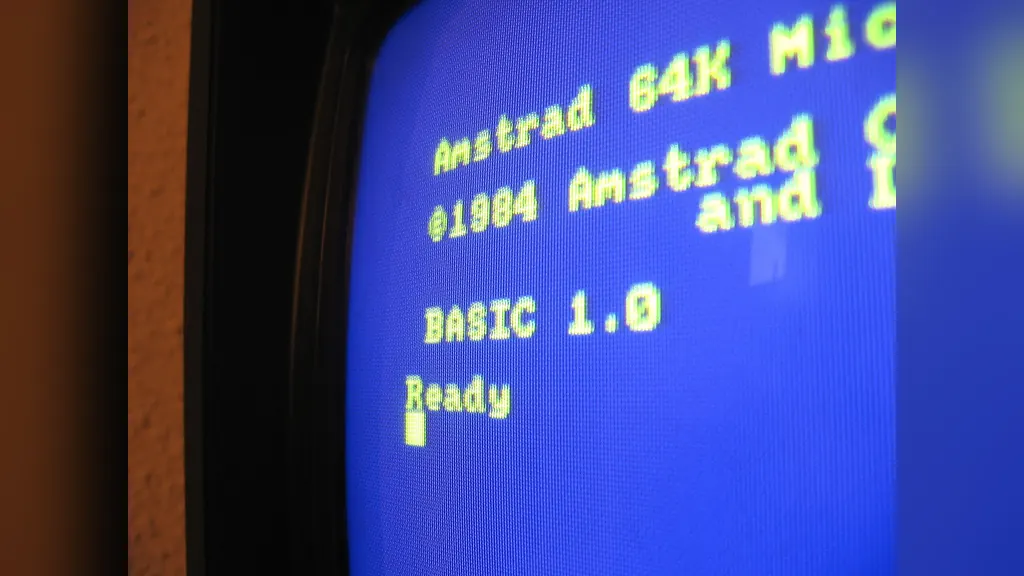
The Amstrad CPC was not just another personal computer; it represented a vision of how computing should be consumed in the home. Launched by Amstrad in 1984, the CPC stood out due to a revolutionary concept for the time: the “all-in-one” system. Unlike many competitors that required connection to home televisions and separate peripherals, the CPC combined the computer, keyboard, and storage into a single cohesive unit, and came coupled with a dedicated monitor. This approach not only gave the machine a more professional look—moving it away from the appearance of a “pregnant calculator”—but was also a factor of low-cost, high-integration appeal for enthusiasts of the era.
Architecture and Technical Fundamentals
Behind the aesthetics and functionality was a robust architecture. The heart of the machine was the Zilog Z80 A processor, operating at a frequency of 4 MHz. In terms of memory, the models were equipped with 64 KB or 128 KB of RAM, capacity that could be expanded by third-party modules. This technical foundation guaranteed compatibility with important operating systems, such as AMSDOS, which came bundled with BASIC Locomotive, and also the popular CP/M (in versions 2.2 or 3.0). This compatibility ensured that users had access to a vast ecosystem of software already established in the personal computing market.
The visual and sound experience of the CPC was remarkably rich. The graphics system was supported by an unusual pair of components: the Motorola 6845 (or compatible) and a *custom gate array*. This allowed for three distinct display resolutions, the most vibrant being 160×200 pixels with impressive 16 colors (Mode 0). Complementing the visual richness, audio was managed by the General Instrument AY-3-8912 chip, capable of producing three voices across 8 octaves. This combination of components, along with the integrated keyboard and the convenience of having everything in one package, was fundamental to establishing the Amstrad CPC as one of the best-selling and most influential computers of its generation, with the CPC 464 model, for example, selling over two million units in Europe.
The Game Library and Amstrad CPC Experience
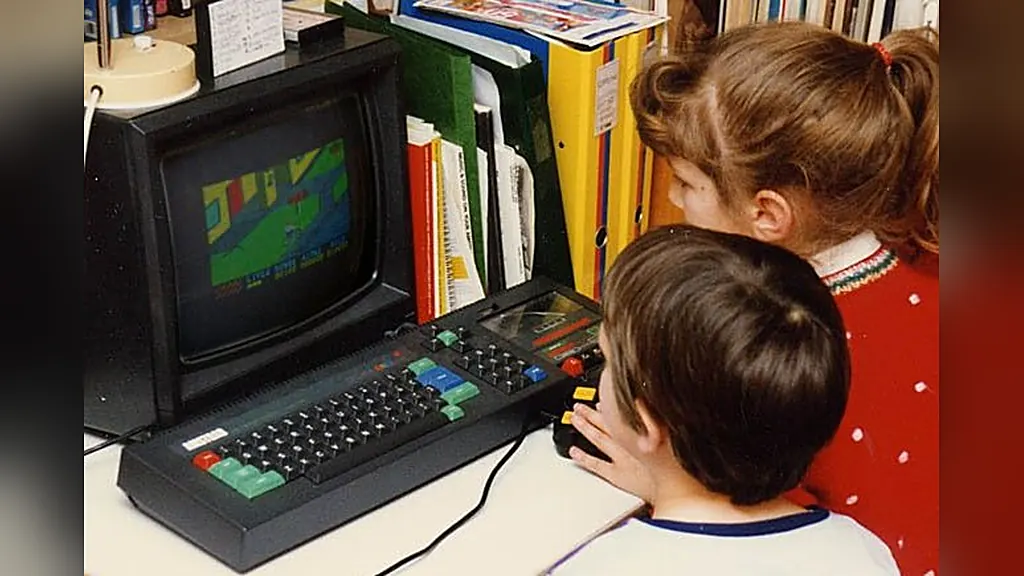
The game catalog for the Amstrad CPC was the pulsating heart of its experience, transforming the personal computer into a true center of entertainment and creation. Far from being just a home device, the CPC established itself as an extremely rich software platform, driven by the creativity of third-party studios. The genres that flourished on the system were vibrant and varied, with special emphasis on RPGs (Role-Playing Games), which allowed for deep immersion, and Adventure games, which stimulated the imagination. Furthermore, the robust library of Arcade titles guaranteed hours of frantic action. This diversity of content is what made the CPC a coveted item for the gaming community of the time. The history of home computing is vast and rich, and if you want to revisit other eras, it is worth checking out the classic games of the 80s.
The great differential of the Amstrad CPC, however, lay in its versatility. It was not limited to entertainment; it was a machine capable of transitioning between domestic and professional use. While the AMSDOS operating system, accompanied by the Locomotive BASIC 1.0 or 1.1 interpreter, met the needs of home users, support for professional systems like CP/M 2.2 or 3.0 ensured that the CPC was recognized in the corporate environment. This duality of purpose was fundamental: it was a computer that could run everything from colorful games to complex text applications, consolidating it as a powerful and multifunctional tool.
This technical capability was widely recognized by specialized critics. Developers managed to extract the maximum potential from the hardware, including a 3-voice sound system (AY-3-8912) and superior graphics, utilizing the Motorola 6845 chip. The reception was extremely positive. In 1985, a columnist for A BYTE praised the CPC as “the closest yet to meet” the requirements of a useful home computer, citing the good keyboard, 80-column text, and support for the CP/M operating system. Similarly, Your Computer highlighted the CPC 464 for having “superior graphics and sound, an excellent Basic coupled with a flexible operating system.”
In summary, the software ecosystem made the CPC more than just a mere video game console. It presented itself as a complete platform, capable of running everything from advanced programming code to the most captivating titles, supported by a combination of robust operating systems and a game catalog that celebrated the golden age of personal computing.
How We Chose the 50 Amstrad CPC Classics

The curation of the 50 classics for Amstrad CPC was not a random exercise in nostalgia. It was a meticulous process that required our team of video game history experts and personal computing enthusiasts to dive deep into the vast software catalog of the era. Understanding the value of these games requires more than just knowing they were popular; it requires comprehending the technological context and the cultural impact they exerted—a period that saw the development of incredible machines, such as the Amstrad consoles.
The Curation Methodology
Our selection was based on four main pillars. First, cultural impact: which games defined the home gaming experience for an entire generation? Second, genre innovation: titles that not only followed trends but created or refined them for 8-bit architecture, such as the Zilog Z80A. Third, industry influence: games that established standards of design, gameplay, or even business models, paving the way for later systems.
For the modern player seeking to relive the magic, the final criterion is lasting quality. We want to present only titles that, even decades later, offer a high-quality experience and deserve to be studied. It is a guide to excellence, not just a list of old titles.
Historical Context as a Filter
To understand the importance of these games, it is vital to recall the scenario in which the Amstrad CPC was launched. The series, which began with the CPC 464 in 1984, was designed to compete in a market dominated by giants like the Commodore 64 and the ZX Spectrum. Amstrad’s success was not just technical—despite its robust architecture and ability to operate with systems like CP/M 2.2 or 3.0—but commercial. The strategy of selling the system as an “all-in-one package,” including the monitor and cassette deck, and its accessible price, made the CPC a strong competitor, selling approximately three million units.
Software, therefore, was the engine of this success. Developers needed to create experiences that justified the investment in the “complete system.” It is this wealth of software, which transformed the personal computer into a true entertainment center, that guided our selection. The games selected here are not just museum pieces; they are testaments to human creativity during a period of intense technological innovation.
In summary, every title on this list underwent rigorous analysis that considered not only how fun it is today, but how fundamental it was to the history of personal computing. Prepare for a journey that is not only nostalgic but also deeply educational, revisiting the golden age of 8-bit video games, like the games of the 80s, with titles that truly defined the genre.
The 38 Best Games for Amstrad CPC
1. Commando
Year: 1985 | Genre: Shooter/Action
Commando is a classic shooting genre title that transports the player into intense military action on a computer screen. The game requires precision and quick reflexes, placing the player in a rescue mission in constantly changing scenarios. It is praised for capturing the adrenaline of arcades of the time, offering direct and addictive combat. On the Amstrad CPC platform, Commando stands out for its robust gameplay and its ability to simulate the chaos of a shootout, keeping the player engaged from start to finish.
2. Dizzy Panic
Year: 1990 | Genre: Puzzle/Adventure
Dizzy Panic is a title that combines elements of adventure and puzzles, captivating the player with its light and fun narrative. The main focus is solving enigmas and interacting with the environment, requiring the player to think creatively to advance. The game is recognized for its sense of humor and the variety of challenges presented. In the context of the Amstrad CPC, Dizzy Panic offered a more narrative experience and was less focused on pure action, serving as an example of how the platform supported intelligent and engaging puzzle games.
3. Advanced Dungeons & Dragons: Heroes of the Lance
Year: 1988 | Developer: U.S. Gold | Genre: RPG (Role-Playing Game)
This RPG is a faithful and deep adaptation of the Dungeons & Dragons universe, immersing the player in a medieval fantasy epic. The combat system and character progression are complex, requiring strategic decisions and skill development. It is a milestone for RPG games on the platform, praised for the richness of its content and the feeling of epic adventure. On the Amstrad CPC, the game allowed fantasy enthusiasts to live the experience of a group of heroes, exploring dungeons and facing mythical creatures in a challenging and memorable format.
4. Football Manager World Cup Edition
Year: 1990 | Genre: Sports Simulation
Football Manager World Cup Edition takes the player to the heart of football, but with a focus on tactical and administrative management. Instead of just playing matches, the user must train, build rosters, and make strategic decisions to guide a team toward the world title. It stands out for its simulation depth, which goes beyond the final score. On the Amstrad CPC, this title was one of the precursors to sports management games, providing hours of tactical challenge and satisfaction by simulating the complexity of a professional football campaign.
5. Arkanoid: Revenge of Doh
Year: 1988 | Genre: Arcade/Puzzle
Arkanoid: Revenge of Doh is a title that directly evokes the magic of arcade block-puzzle games. The objective is simple, but the challenge is constant: controlling the paddle and ball to destroy all the blocks on the screen. The game is acclaimed for its addictive gameplay and the increasing difficulty that keeps the player alert. On the Amstrad CPC, it maintained the essence of arcade classics, proving that the platform was capable of delivering quick and extremely polished challenges, perfect for short, intense sessions of pure fun.
6. Bionic Commando
Year: 1988 | Genre: Action/Shooter
Bionic Commando places the player in a futuristic military action setting, where they must use their bionic arm as their primary tool for combat and movement. The game is famous for its platform segments and sense of dynamic movement. It stands out by mixing shooting combat with vertical exploration, forcing the player to think about how to use the arm in different situations. On the Amstrad CPC, this title represented a leap in the complexity of action platforms, offering a tactical challenge and a striking visual for the era.
7. Bard’s Tale, The
Year: 1985 | Genre: RPG (Role-Playing Game)
Bard’s Tale is one of the foundational titles for RPG fans, transporting the player to a fantasy world full of mysteries and dangers. The experience is rich in exploration, turn-based combat, and character development. It is acclaimed for its narrative depth and combat system that requires planning. On the Amstrad CPC, it consolidated the platform as a viable vehicle for complex narratives, allowing players to dive into epic fantasy journeys and surpass the limits of adventure games of the time.
8. L’Apprenti Sorcier
Year: 1985 | Genre: Puzzle/Adventure
L’Apprenti Sorcier is an adventure and puzzle title that requires reasoning and observation from the player. The plot involves mysteries and the need to manipulate magical elements to solve the scenario’s enigmas. It is appreciated for its immersive atmosphere and the intelligent way it presents challenges. On the Amstrad CPC, this game demonstrates the machine’s versatility beyond combat, offering a more contemplative and logic-focused experience. It is an example of how the platform embraced the puzzle genre with elegance and depth.
9. 1942
Year: 1986 | Developer: Capcom | Genre: Shooter/Action
1942 is an aerial shooter that places the player in the role of a pilot in an intense historical battle. The game requires precise aiming, trajectory strategy, and constant attention to the combat environment. It is highly praised for its impeccable arcade gameplay and sense of epic scale. On the Amstrad CPC, this title was crucial, bringing the high-octane shooting genre to the platform. Capcom ensured a visual and mechanical challenge that set a standard of excellence in shooters for the Brazilian audience.
10. Bubble Bobble
Year: 1987 | Genre: Platformer/Arcade
Bubble Bobble is a classic platform genre game, known for its colorful graphics and unique bubble mechanics. The objective is to capture enemies and trap them in bubbles, which are then popped to cause damage. The game is loved for its accessible gameplay, yet with a growing challenge. On the Amstrad CPC, it maintained the magic of the arcade, offering vibrant visuals and fun gameplay. The combination of platforming and puzzle elements makes it one of the most memorable and cheerful titles in the machine’s history.
11. Asterix and the Magic Carpet
Year: 1988 | Genre: Adventure
This title brings the classic Asterix adventure in a vibrant game format, perfect for enthusiasts of Gallic-Roman culture. Released in 1988 by Coktel Vision, it captures the spirit of comedy and action that established the characters. The game stands out for its platforming and exploration mechanics, requiring the player not only reflexes but also a sense of strategy to overcome challenges set by the Romans. It is an example of how the franchise managed to transpose the humor and adventure of the comic book onto the Amstrad CPC screen, maintaining the narrative quality and engaging pace that made it a success at the time.
12. 20000 Lieues Sous les Mers
Year: 1988 | Genre: Adventure
In 1988, Coktel Vision gifted players a deep immersion into an underwater exploration setting titled “20000 Lieues Sous les Mers.” The game transports the player to the mysterious depths of the ocean, where survival depends on navigation and combat against unknown creatures and dangers. What makes this experience notable on the Amstrad CPC platform is its focus on ambiance and resource management. It is not merely an action game, but an adventure simulation that demands curiosity and planning, marking a milestone in the representation of underwater worlds for the audience of the time.
13. Battle of Britain
Year: 1986 | Genre: Flight Simulation
This 1986 title, published by Personal Software Services, places the player at the epicenter of British military history with “Battle of Britain.” The game is an exciting air combat simulator, requiring the pilot to maneuver through intense and historical battles. The highlight of this game lies in its ability to recreate the tension and complexity of World War II aerial combat on the Amstrad CPC. The gameplay challenges the graphical limits of the era, offering a visceral experience of confrontation. It is a powerful tribute to both cinema and history, establishing itself as one of the most impactful titles in the simulation genre on the platform.
14. Amstrad Shuffle
Year: 1986 | Genre: Puzzle
Released in 1986 by Alpha Omega Software, “Amstrad Shuffle” is a title that perfectly fits the arcade atmosphere of puzzle games. Although simple in concept, it offers an addictive challenge that tests the player’s logic and reasoning ability. What makes it a classic is its highly polished gameplay and the intelligent puzzle design, which goes beyond the basic. It represents the type of title that made the Amstrad CPC shine with pure and accessible entertainment. It is a perfect example of how a well-executed puzzle game can captivate the public, proving that depth lies not just in graphical complexity, but in the ingenuity of the challenge.
15. Action Force
Year: 1988 | Developer: The Gang of Five | Genre: First-Person Shooter
Developed by The Gang of Five and published by Virgin Games in 1988, “Action Force” is an action landmark for the Amstrad CPC. The game places the player in high-adrenaline military missions, requiring precision and tactics in combat. It is considered one of the platform’s best shooting titles due to its robust gameplay and well-structured level design. What truly sets “Action Force” apart is the quality of its programming and the sense of immersion it provides, making the player feel like a true soldier in action. It is an example of how the talent of developers like The Gang of Five raised the standard of shooting games on the Amstrad system.
16. The A-Team (video game)
Year: 1988 | Genre: Adventure
This 1988 game, published by Zafiro Software, allows players to relive the adventures of the popular team “The A-Team.” It is an action-adventure title that stands out for bringing the charm and appeal of an iconic television series to the video game format. Gameplay generally involves objective-based missions, where teamwork and puzzle-solving are crucial for success. What makes it special is its ability to transform the drama and humor of the series into engaging game mechanics. It is a nostalgic tribute that proves how the Amstrad CPC could successfully and popularly adapt major intellectual properties.
17. Arachnophobia
Year: 1991 | Developer: BlueSky Software | Genre: Horror/Adventure
Released in 1991 by Disney Software and developed by BlueSky Software, “Arachnophobia” is a title that plunges the player into spine-tingling suspense. The game is an example of how the Amstrad CPC platform was able to deliver horror experiences with sophisticated graphics for the time. The plot involves the threat of giant spiders, creating an atmosphere of paranoia and flight. What makes it memorable is its focus on suspense and interaction with fear, elements rare in adventure games of that era. It is a title that not only entertains but also challenges the player with its tense narrative and striking visuals, solidifying itself as a classic of digital horror.
18. Formula 1 Simulator
Year: 1985 | Genre: Sports Simulation
This 1985 racing simulator, published by Mastertronic, is one of the pioneering titles in the sports genre on the Amstrad CPC. It captivates motorsports fans with a racing experience that requires more than just pressing buttons. The game stands out for its effort to simulate the dynamics of the tracks and the challenge of competing against opponents in a realistic environment. Even though it was from an era with limited graphics, Mastertronic managed to convey the speed and excitement of Formula 1. It is a milestone that established the sports simulation genre on the Amstrad, proving the platform’s ability to reproduce the passion of auto racing competition.
19. Advanced Lawnmower Simulator
Year: 1988 | Developer: Duncan Macdonald | Genre: Life Simulation
Developed by Duncan Macdonald and published by Your Sinclair in 1988, “Advanced Lawnmower Simulator” is a quirky and hilarious title. Far from typical action games, it offers a detailed and peculiar simulation of mowing the lawn, but with a touch of humor and depth. What makes it so special is its level of detail and unique approach to the simulation genre, treating a mundane activity with seriousness and game mechanics. It is a brilliant example of how the Amstrad CPC could captivate the player with the originality and ingenuity of a simple, yet perfectly executed, concept, making it a cult classic of the platform.
20. Championship Basketball
Year: 1987 | Genre: Sports
This 1987 basketball game, published by Activision, is one of the most competitive sports titles for the Amstrad CPC. It transports the player to the court in a highly competitive environment, demanding accuracy in shooting and on-court tactics. The highlight lies in its ability to simulate the dynamic of a basketball game, keeping the player engaged through every possession. Activision has always been synonymous with quality, and “Championship Basketball” does not disappoint, offering a challenge that fulfills the need for complex sports simulations on the platform. It is a tribute to the golden age of sports gaming, proving the versatility and competitive appeal of the Amstrad CPC.
21. Championship Baseball
Year: 1987 | Genre: Sports
This title brought the baseball gaming experience to Amstrad CPC players with an impressive level of detail for its time. Activision managed to utilize the hardware to create an immersive simulation that went beyond mere pitching games. Players were challenged to master both the offensive and defensive sides, requiring strategy and precision. What sets the game apart is the effort to recreate the atmosphere of a real championship, making it a milestone in sports gaming for the platform and a favorite among genre enthusiasts.
22. Airwolf
Year: 1985 | Genre: Action/Simulation
Inspired by the popular television series, Airwolf transported players into the cockpit of a combat helicopter, providing a dizzying action experience. Published by Amsoft and Elite Systems, the game stood out for its dynamic gameplay and the sense of adrenaline in every mission. Players had to navigate complex scenarios, facing enemies at a constant pace. It was a title that successfully capitalized on the visual appeal and fast pace of pop culture, establishing itself as one of the most memorable action titles for the Amstrad CPC.
23. Contra (See Gryzor)
Year: 1987 | Genre: Shooter/Action
A classic of the ‘run and gun’ genre, Contra (or its equivalent, See Gryzor) set the standard for action shooting games of the time. Published by Ocean Software, the game was famous for its relentless difficulty and the need for perfect coordination. Players were thrown into waves of enemies in vibrant settings, requiring quick reflexes and strategic weapon use. What makes this title legendary is the combination of frantic action with challenging level design. It is a perfect example of the CPC’s ability to deliver pure adrenaline in arcade format.
24. Dungeons, Amethysts, Alchemists ‘n’ Everythin’
Year: 1987 | Genre: RPG/Adventure
This title took players into a rich fantasy universe, blending elements of RPG, alchemy, and magical exploration. Published by Atlantis Software, the game was a deep dive into a world full of mysteries and complex characters. Players had to solve enigmas and manage resources while advancing through dungeons and fantastic landscapes. What sets it apart on the platform is its narrative ambition and the depth of its magic and combat system. It is a notable example of how the CPC supported complex and immersive RPG experiences.
25. Defender of the Crown
Year: 1989 | Genre: Adventure/RPG
Defender of the Crown transported players to an epic medieval setting, blending elements of adventure and RPG. Published by Cinemaware, the game was known for its production quality and its focus on rich narratives. Players took on roles in a world of intrigue and battles, having to make decisions that affected the course of the story. What stands out is the cinematic treatment of the gameplay, making every mission feel like a segment of an epic film. It is a milestone in terms of narrative ambition for the Amstrad CPC.
26. Bubble Dizzy
Year: 1991 | Genre: Puzzle
Continuing the popularity of the Dizzy character, Bubble Dizzy kept the audience engaged with colorful and challenging puzzles. Developed and published by Codemasters, the game was a test of logic and observation, requiring the player to solve patterns and enigmas in a fun environment. What makes it special is the lightness and polish of the design, characteristic hallmarks of Codemasters. It is a perfect example of how the CPC could deliver accessible puzzle titles while maintaining intellectual challenge and visual charm.
27. Blade Runner
Year: 1986 | Genre: Adventure/Sci-Fi
This title is a playable adaptation of the iconic science fiction film, transporting the player to neo-noir and dystopian Los Angeles. Published by CRL Group, the game mixed adventure elements with a dense, mysterious visual atmosphere. Players had to investigate, solve clues, and deal with ethical dilemmas in a futuristic and dark setting. What makes it memorable is its ability to capture the film’s melancholic and philosophical tone, transforming it into an interactive experience rich in atmosphere and narrative.
28. Captain America in: The Doom Tube of Dr. Megalomann
Year: 1986 | Genre: Action/Adventure
In a superhero adventure, the player takes on the role of Captain America on a mission against Dr. Megalomann. Published by Mikro-Gen, the game promised exciting action, typical of superhero titles of the era. Players had to overcome challenges in a context of growing danger, combining combat and exploration. What stands out is the enthusiasm with which the game tackles the comic book theme, delivering straightforward and fun gameplay. It was a title that successfully combined the popularity of superheroes with the robust adventure mechanics of the Amstrad CPC.
29. Battlefield Germany
Year: 1987 | Genre: Strategy/Simulation
This title plunged the player into the tactical complexity of battlefields in Germany, requiring strategic planning and resource management. Published by Personal Software Services, the game was a challenge for those who enjoyed detailed military simulations. Players had to coordinate troops, manage supplies, and anticipate the opponent’s movements. What makes it a classic is the depth of its simulation, which went beyond simple combat. It offered a robust tactical experience, making it one of the best examples of military strategy for the Amstrad CPC platform.
30. Dizzy: Prince of the Yolkfolk
Year: 1991 | Genre: Puzzle/Adventure
This title is a continuation that took Dizzy on a new and rich adventure, maintaining a focus on puzzles and exploration. Published by Codemasters, the game challenged the player to use intelligence and observation to solve mysteries in a vibrant setting. The sequel maintained the character’s charm and the quality of design that Codemasters was known for. What stands out is the progression of the challenge, presenting more elaborate and narratively connected puzzles. It is a refined example of how adventure and puzzle games could remain fresh and engaging late in the CPC’s lifespan.
31. Chronos
Year: 1987 | Genre: Action/Adventure
Chronos transports the player to a futuristic, enigma-filled setting, requiring quick thinking and detailed exploration. Developed and published by Mastertronic, the game set a standard for narrative quality on the Amstrad CPC. What makes Chronos a memorable title is its rich setting and the complexity of its puzzles, which go beyond simple clicking. It stands out for its ability to mix cutting-edge action with science fiction elements, challenging users to navigate distorted time, making it a landmark on the platform.
32. Desert Fox
Year: 1985 | Genre: Adventure
Desert Fox is an adventure title that plunges the player into an arid and mysterious environment. Published by Accolade, it captivates the player with its immersive atmosphere and the need to uncover secrets in the desert. The game is praised for its addictive gameplay and the way it builds a sense of mystery, keeping the player in suspense until the end. Its exploration and puzzle-solving mechanics make it stand out in the Amstrad CPC catalog. It is a classic example of how the platform managed to deliver immersive and challenging experiences in its adventure titles.
33. Pirates!
Year: 1987 | Genre: Adventure/RPG
MicroProse released Pirates! in 1987, a title that transports the player to the height of the pirate era. The game allows the user to explore different facets of maritime life, from naval combat to managing reputation and treasures. What elevates Pirates! is the depth of its world simulation, giving the player a genuine sense of freedom and risk. It stands out on the Amstrad CPC for balancing RPG elements with the excitement of maritime adventure. It is a work that celebrates the adventurous spirit, keeping the player’s attention through varied missions and a universe rich in historical and fictional details.
34. Bubble Ghost
Year: 1988 | Genre: Puzzle
Bubble Ghost, published by ERE Informatique, is a title focused on logical and mechanical puzzles. The game challenges the player to manipulate bubbles and virtual elements to achieve specific objectives, requiring planning and observation. Its apparent simplicity hides a growing complexity, making it a favorite among puzzle game enthusiasts. What makes it special on the platform is the fluidity of its gameplay, which engages the player without ever becoming repetitive. It is an excellent example of how the Amstrad CPC could host purely intellectual and satisfying experiences.
35. Vampire
Year: 1986 | Genre: Action/Horror
Released by Codemasters and Dinamic in 1986, Vampire is a title that immerses the player in an environment of gothic suspense and action. The premise involves supernatural confrontations and the exploration of mysterious castles. The game is recognized for its dark atmosphere and the tension it manages to build in every level. What sets it apart is the combination of challenging combat with horror narrative elements, something rare at the time. For the Amstrad CPC, Vampire represented a leap in thematic depth, offering a more mature and engaging experience for action players.
36. Indiana Jones and the Last Crusade
Year: 1989 | Genre: Adventure
This title, published by U.S. Gold, led players to follow the adventures of Indiana Jones, an icon of the adventure cinema. The game is a classic of its time, mixing the exploration of ancient ruins with the search for lost artifacts. What makes it a landmark is its success in adapting such a popular film franchise for the adventure game format. It stands out on the platform for its fidelity to the spirit of the series: mystery, danger, and the constant need to decipher codes. It is a vibrant tribute to classic adventure, perfect for the Amstrad CPC audience.
37. Escape from Singe’s Castle
Year: 1987 | Genre: Puzzle/Escape Room
Escape from Singe’s Castle is a title that perfectly fits the digital ‘Escape Room’ genre, published by Software Projects. The objective is to unravel the mysteries of a castle and escape its secrets. The game is acclaimed for its construction of interconnected enigmas, where every found clue is vital for progress. What sets it apart on the Amstrad CPC is the sense of claustrophobia and urgency, making the player feel truly trapped. It is a masterful example of how the platform could challenge the player’s logic, demanding attention to detail in every corner of the virtual castle.
38. ACE
Year: 1985 | Developer: Cascade Games | Genre: Action/Simulation
Developed by Cascade Games, ACE is a title that offers the player an exciting action and simulation experience. Released in 1985, it set a standard for robust gameplay on the Amstrad CPC. The game is praised for its dynamic gameplay and the variety of scenarios the player must master. What made it a success on the platform was the balance between fast action and the necessity of strategy. It challenges the user to adapt to different combat and exploration mechanics, establishing itself as one of the most complete and well-executed action titles of the era.
Frequently Asked Questions
Was the Amstrad CPC easier to use than the Commodore 64 or ZX Spectrum?
The text does not directly compare usability with these models. However, the CPC stood out because of its ‘all-in-one’ concept, which combined the computer, keyboard, and monitor into a single unit. This integration gave it a more professional and practical feel for the user of the time.
What was the standard operating system for the Amstrad CPC?
The CPC came with the AMSDOS operating system, accompanied by BASIC Locomotive 1.0 or 1.1. Furthermore, its technical robustness guaranteed support for important professional operating systems, such as CP/M in versions 2.2 or 3.0.
Is the Amstrad CPC still playable today?
The text focuses on the historical context and legacy of the CPC, highlighting the richness of its game catalog and its influence during the golden age of personal computing. Although it does not mention modern playability, it is recognized as a platform that defined the 8-bit gaming genre.
What were the most popular models in the CPC line?
The CPC 464 model is cited as an example of commercial success, having sold over two million units in Europe. The success of the CPC line, as a whole, was driven by its ‘complete package’ strategy and its robust architecture.
What did the ‘all-in-one’ concept mean at the time?
It meant that the Amstrad CPC combined the computer, keyboard, and storage into a single cohesive unit, coupled with a dedicated monitor. This revolutionary approach was a factor of low cost and high integration, giving the machine a more professional appearance.
Conclusion
The Amstrad CPC transcended the role of a mere personal computer; it was a revolutionary “all-in-one” system that combined the monitor, keyboard, and processing unit into a cohesive package. This robust architecture, supported by the Zilog Z80A processor and 16-color graphics, allowed the machine to be a true hybrid. While its support for professional operating systems like CP/M 2.2 or 3.0 guaranteed its relevance in the corporate environment, the game catalog was the engine that established it as a high-level home entertainment center.
Curating the 50 best titles is not just a dive into nostalgia, but a study of cultural impact and genre innovation. These games represent the creative force that allowed the CPC to flourish, transforming it into a multifunctional platform. They are testaments to an era of intense technological reinvention, where the ability to run everything from complex programming codes to the most captivating RPGs and adventures was its greatest differential.
Thus, the legacy of the Amstrad CPC lies in this duality: a technically advanced machine that embraced entertainment without losing professional utility. It established itself as a complete ecosystem. By revisiting these works, you are not just playing classics; you are reliving the spirit of a golden age of personal computing. Dive into the history and discover how human creativity shaped the future of technology.