
Read this article in: Portuguese (Português) · Spanish (Español)
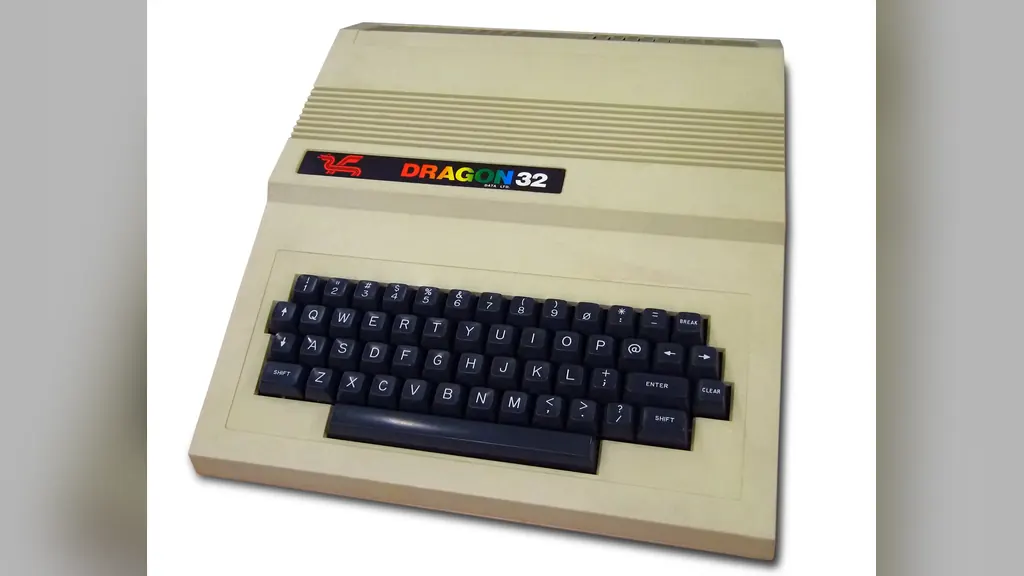
If you are looking for a definitive list of the 50 best games for the Dragon 64, you are in the right place. This nostalgic journey will take you back to the golden age of home computers, celebrating the rich library of titles that defined the gaming experience in the 80s. The Dragon 64, an 8-bit computer produced by Dragon Data, was a technological milestone that, despite its limitations, provided unforgettable entertainment. Get ready to relive the magic of pixels and sounds that made this system such a special machine for enthusiasts of the time.
To understand the depth of this game collection, it is essential to contextualize the hardware. The Dragon 64 was launched during a vibrant period of personal computing, being a piece of equipment built around the Motorola MC6809E processor, operating at 0.89 MHz. Launched after the Dragon 32, the 64 KB memory model established itself as a robust competitor in the European market. Although the system faced technical limitations in graphics and text modes, it remained relevant until 1987, attracting independent developers who knew how to utilize its potential.
In this article, we not only compile the 50 best games but also offer a complete deep dive into the machine. You will discover the history and technology behind the Dragon 64, exploring its game catalog by genre and developer. Furthermore, we detail the rigorous curation criteria we used to select each title, ensuring that this is your most complete and educational source on the legacy of this iconic 8-bit computer.
Key Points
- Launched in August 1982 by Dragon Data, the system was a milestone in the history of European home computers.
- Its technological heart was the Motorola MC6809E processor, an 8-bit processor with limited 16-bit capabilities.
- The upgrade to the Dragon 64 increased the memory to 64 KB and added the RS-232 serial port, improving connectivity.
- The system utilized the MC6847 Video Display Generator (VDG), supporting up to 8 colors in 64×48 semi-graphics.
- The game catalog was sustained by successes like Manic Miner and Jet Set Willy, with developer support until 1988.
Dragon 64 Summary
| Alternate Names | Dragon 200, Dragon 200-E |
|---|---|
| Manufacturer | Dragon Data |
| Type | Home computer |
| Release | August 1982 |
| Discontinued | 1987 |
| Operating System | Microsoft Extended BASIC |
| Processor (CPU) | Motorola 6809E @ 0.89 MHz |
| Memory | 32 KB/64 KB |
| Graphics | MC6847 Video Display Generator |
| Sound | 1-bit sound |
| Display | Composite monitor or TV via RF, 64×48 with 8 semi-graphics colors, 128×192 with 4 colors, 256×192 with 2 colors |
The Dragon 64 Platform in Context: History and Technology

The Dragon 64, and its lineage, represent a fascinating milestone in the history of European home computers. Launched in August 1982 by Dragon Data, the system quickly established itself in the European market. The technological heart of the machine was the Motorola MC6809E processor, an advanced 8-bit processor that, although an 8-bit design, possessed limited 16-bit capabilities. This processor operated at a frequency of 0.89 MHz, setting the pace and possibilities for the development of games and applications of the time.
Hardware Evolution: From 32KB to 64KB
Initially, the base model came with 32 KB of memory, but the system’s architecture allowed for significant evolution. The main upgrade, which gave rise to the name Dragon 64, was the ability to increase memory to 64 KB. In addition to the RAM increase, the 64 model incorporated a crucial feature for connectivity of the time: the RS-232 serial port. This feature, absent in the previous version, drastically expanded the potential for peripherals and interaction with other equipment, making it an important technical differentiator.
The technical limitations of the hardware directly shaped the gaming experience. The system utilized the MC6847 Video Display Generator (VDG) chip and presented graphic features such as 8-color semi-graphics at 64×48 resolution, or simpler text modes. Although the Dragon had a robust casing and versatile ports, the visual and sound experience was defined by these parameters. The sound system was 1 bit, and graphics were built in blocks, requiring great creativity from developers to deliver rich experiences despite the memory and processing restrictions.
Despite the system operating with a specific set of components, such as the MC6821 Peripheral Interface Adapters (PIAs) for I/O, the Dragon was also notable for its robustness regarding external modifications. The use of analog joysticks, in contrast to simpler digital control systems, elevated the level of physical interaction. In summary, the Dragon 64 was not just a machine, but a platform in constant adaptation, whose history of memory evolution and the addition of ports like the RS-232 allowed the game catalog to flourish, despite the challenges posed by its 8-bit hardware.
The Dragon 64 Game Catalog: Genres and Developers

The Dragon 64 game catalog revealed a surprisingly robust software ecosystem for its time, proving that the system was not merely limited hardware, but a platform capable of attracting creative talent. Initially, the Dragon received notable support from major software companies in the United Kingdom. This ensured that the system could run versions of popular titles from other machines, which was crucial for establishing the Dragon in the European home market.
Genres and Catalog Successes
The strongest genres supporting the Dragon 64 were adventure games, arcade titles, and particularly popular system ports. The catalog was vast, boasting 798 commercial games just for the Dragon 32 model. Among the best-selling titles that defined the gaming experience were games like Arcadia (Imagine) and Chuckie Egg (A&F), in addition to major franchises such as Manic Miner and its sequel Jet Set Willy, developed by Software Projects. Other notable releases include Hunchback, from Ocean, and Football Manager, from Addictive.
Despite the technical limitations of the hardware, such as colored games often being played on green or white backgrounds (in contrast to the standard black of other systems), the creativity of the developers overcame these challenges. This need for technical adaptation gave rise to a distinct visual style but never diminished the depth of the content.
The Role of Developers and the Longevity of Support
In addition to the big names, the Dragon’s success was fueled by dedicated independent developers. Companies like Microdeal focused their efforts on the platform, creating titles that became trademarks, such as the character Cuthbert. This independent dedication was vital to the system’s vitality. Even after the collapse of Dragon Data in 1984, support did not completely cease. Microdeal, for example, maintained support for the Dragon until January 1988. A testament to this resilience was the fact that some of the games developed in late 1987, such as Tanglewood and Airball, were converted for 16-bit machines, such as the Atari ST and the Amiga, ensuring that the Dragon’s legacy remained alive on various platforms.
In summary, the catalog was not just a collection of games; it was a reflection of the adaptability of the British software market, sustained by industry giants and a fervent group of independent developers who ensured that the Dragon 64 remained a respected name in the home computer scene.
How We Selected the Games on This List: Curation Criteria

The curation of this list of 50 games is not merely an exercise in nostalgia; it is a rigorous study of the evolution of digital entertainment within the specific context of the Dragon 64. To select the titles that make up this journey, we established multifaceted criteria that ensure that each game not only entertained in its time but also represents a milestone in terms of engineering, cultural impact, and gameplay.
Historical Influence and Genre Pioneering
Our first layer of analysis focuses on cultural impact. We chose games that, in some way, defined or popularized a specific genre. The Dragon 64, upon entering the market in August 1982, competed in a vibrant and technologically demanding landscape. Therefore, the selected games are those that established design standards for adventure titles, portable games, and arcade games, being crucial to the independent developer ecosystem, such as Microdeal, which fueled the machine’s success and its companion magazine, the Dragon User. Titles that marked an era, even given technical limitations, are fundamental to tracing the system’s trajectory.
Technical Innovation and Hardware Exploration
A central pillar of the curation is recognizing the engineering behind the game. The Dragon 64 operated with a 0.89 MHz Motorola MC6809E processor, utilizing the MC6847 Video Display Generator (VDG) and two MC6821 Peripheral Interface Adapters (PIAs). We chose games that masterfully explored these limits. This includes titles that demanded memory extensions, as it was common for users to be forced to upgrade, moving from the initial 32 KB to 64 KB, or even 128 KB, 256 KB, or 512 KB, using homemade memory controllers (MMUs). The games are, therefore, a reflection of how developers managed to extract the maximum from a robust, yet restricted, hardware that was also notable for using analog joysticks, in contrast to simpler systems.
Replayability and Design Timelessness
Finally, we consider longevity and modern fun. A game cannot be merely a historical artifact; it must be fun today. We analyzed the gameplay to ensure that the experience still resonates with the contemporary player. This means prioritizing titles with high replayability, deep mechanics, or those that, due to their design robustness, transcend color or graphical limitations. The selected games are those that, even being products of an era that saw the Dragon 64 undergo transitions—such as its acquisition by Eurohard S.A. and the production of the Dragon 200 and Dragon 200-E models—maintained a lasting appeal.
In summary, the 50 titles presented are a balance between what was technically possible in 1982, what was a commercial success at the time, and, above all, what withstood the test of time, proving that the Dragon 64 catalog was more than just a collection of games; it was a testament to ingenuity and passion.
The 47 Best Games for Dragon 64
1. The Legend of Zelda: Ocarina of Time
Year: 1998 | Developer: Nintendo EAD | Genre: Adventure/RPG
This classic redefined 3D adventure games. The player takes on the role of Link, who must protect the region of Hyrule and restore peace after the evil of Ganondorf. The journey is marked by exploring vast kingdoms and solving complex puzzles. What makes the title immortal is its narrative depth and revolutionary combat mechanics. The epic soundtrack, combined with the freedom of exploration, set a new standard for the franchise and the industry, making it an absolute milestone for the Nintendo 64.
2. Super Mario 64
Year: 1996 | Developer: Nintendo EAD | Genre: Platform
Considered by many to be the game that saved the Nintendo 64, Super Mario 64 is the pinnacle of 3D platforming. The player guides Mario on a vibrant adventure through the Mushroom Kingdom, facing Bowser on a rescue mission. The game is a master at utilizing three-dimensional space, teaching the player to jump, run, and interact with the environment intuitively. Its gameplay is incredibly fluid and fun, establishing the pillars for subsequent 3D platforming games. It is a masterpiece of level design.
3. GoldenEye 007
Year: 1997 | Developer: Rare | Genre: First-Person Shooter (FPS)
This title adapted the James Bond universe for the video game format, bringing a highly addictive first-person shooting experience. Players take on the role of a secret agent on high-stakes espionage missions. What sets GoldenEye 007 apart is its robust gameplay and, most importantly, its multiplayer mode. It allowed players to confront each other in chaotic and strategic arenas, becoming a social phenomenon. It was one of the pioneers in popularizing the FPS genre on video game consoles, guaranteeing constant action and adrenaline.
4. Mario Kart 64
Year: 1996 | Developer: Nintendo EAD | Genre: Racing/Arcade
Mario Kart 64 is the epitome of arcade fun. Bringing together iconic Nintendo characters in vibrant racing tracks, the game invites competitive and extremely fun chaos. The game’s great differentiator is the perfect combination of racing gameplay and the strategic use of items. It’s not enough just to be fast; you have to know when and where to throw a mushroom or a banana peel to destabilize your opponents. Its accessibility and multiplayer gameplay ensured that it became one of the most played games in history, a true party catalyst.
5. Banjo-Kazooie
Year: 1998 | Developer: Rare | Genre: Platform/Adventure
Banjo-Kazooie is a personality-filled platform adventure. The protagonists, Banjo and Kazooie, embark on a journey to recover their friends and restore peace to their magical world. The game stands out for its rich content and variety of gameplay mechanics. It requires the player to explore every corner of the levels, collecting items and learning new skills to progress. The catchy soundtrack and constant humor from Rare ensure that the experience is both challenging and extremely fun, marking a golden era of platform games.
6. Banjo-Tooie
Year: 2000 | Developer: Rare | Genre: Platform/Adventure
The Banjo-Kazooie sequel raises the level of ambition and complexity. In this adventure, the friends must face even greater threats in an even vaster and more colorful world. The title is praised for its narrative progression and the expansion of platform mechanics. It maintains the visual charm and sense of humor characteristic of Rare, while presenting deeper exploration challenges. It is a work that deepens the protagonists’ universe, delivering a complete package of 3D adventure and one of the biggest exponents of its time.
7. Pokémon Stadium Pokémon Stadium 2 JP
Year: 1999 | Developer: Nintendo EAD | Genre: RPG/Battle Simulation
Pokémon Stadium 2 was a game-changer for how Pokémon battle games were presented. It transcended simple turn-based combat, transforming it into a three-dimensional spectacle. What makes it brilliant is the 3D arena combat simulation, which provides unprecedented dynamism. Furthermore, the game allows for the creation of custom battles and a more interactive engagement with the vast Pokémon universe. It not only celebrates the franchise but also raises the technical standard of combat simulation for consoles of the era.
8. Star Fox 64 Lylat Wars PAL
Year: 1997 | Developer: Nintendo EAD | Genre: Shooter/Action
Star Fox 64 is a space shooter with frantic, visually stunning action. Players pilot the Arwing, fighting alien forces in high-octane missions. The game is acclaimed for its movement controls and the sense of speed it conveys. The gameplay is extremely responsive, and the levels are designed to maximize adrenaline, requiring both precise aiming and teamwork. It set a standard of excellence for third-person shooters, becoming one of the most influential titles of the platform.
9. Resident Evil 2
Year: 1999 | Developer: Angel Studios Capcom Production Studio 3 Factor 5 | Genre: Survival Horror
This title is a pillar of the survival horror genre. Players are thrown into a scenario of zombies and biological threats, forcing them to use intelligence and limited resources to survive. Resident Evil 2 is enhanced in terms of atmosphere and tension. The claustrophobic atmosphere, the inventory management system, and the memorable enemy design create a palpable experience of dread. The game not only scares but also teaches the player to value every bullet and every step, making it a milestone in the creation of suspense and terror in video games.
10. Perfect Dark
Year: 2000 | Developer: Rare | Genre: First-Person Shooter (FPS)
Perfect Dark is an FPS that raised the standards of gameplay and narrative for the genre on consoles. It places the player in a high-tech espionage mission, rivaling the genre’s major titles. The game stands out for its polished gameplay, which balances intense combat with puzzle and exploration elements. Rare managed to create a rich universe full of futuristic gadgets. Its mechanical depth and technical polish established it as one of the best FPS examples for the Nintendo 64, maintaining a high-voltage spirit of adventure and action.
11. Diddy Kong Racing
Year: 1997 | Developer: Rare | Genre: Racing
This revolutionary title elevated the racing genre on consoles, presenting vibrant and diverse gameplay. Players take on the role of Diddy Kong, competing in various vehicles across action-packed tracks. What makes the game a classic is the combination of vehicles and the focus on exploration and an engaging narrative. The racing formula, which mixed driving challenges with adventure elements, highlighted it as a milestone, setting a new standard for racing games of the time.
12. Mischief Makers
Year: 1997 | Developer: Treasure | Genre: Platformer/Action
Mischief Makers is an action platformer title that stands out for its unique and creative mechanics. The game follows Marina, a charismatic character, who uses a special device to manipulate the environment and solve puzzles in an adventure setting. The precision of the gameplay and the artistic design are impeccable, offering a constant and fun challenge. It is recognized for its innovative gameplay, which deviates from the standards of the time, and for its atmosphere of mystery and roguishness.
13. Super Smash Bros.
Year: 1999 | Developer: HAL Laboratory | Genre: Fighting/Brawler
Super Smash Bros. redefined the fighting genre by transforming iconic characters from different franchises into a single chaotic battleground. The concept of bringing multiple universes together in an epic confrontation proved to be a massive success. The gameplay is characterized by the variety of attacks and the possibility of strategic combos, requiring both skill and knowledge of the characters. The game is a tribute to video game pop culture, celebrating the *crossover* in a fun and extremely competitive way.
14. Paper Mario
Year: 2000 | Developer: Intelligent Systems | Genre: RPG/Adventure
Paper Mario features a unique visual approach, where the world appears to be cut out of paper, giving it an unmatched handcrafted charm. The player embarks on a classic RPG journey, mixing tactical combat with elements of adventure and exploration. What elevates the experience is the world’s interaction with the paper mechanic, which lends a touch of lightness and creativity. It is a didactic title in its narrative, teaching about the importance of friendship and teamwork, all wrapped up in a wonderful visual package.
15. Mario Party
Year: 1998 | Developer: Hudson Soft | Genre: Party Game
Mario Party established a new paradigm in digital board games. Instead of focusing on individual skills, the game prioritizes social interaction and luck, gathering multiple characters on a mini-game board. The diversity of games and the friendly competition are the heart of the title. It is a success because it manages to combine the nostalgic appeal of party games with console technology. It is a highly playable title, perfect for gathering friends and guaranteeing hours of laughter and fun mischief.
16. Blast Corps
Year: 1997 | Developer: Rare | Genre: Action/Driving
Blast Corps is an action title that puts the player at the wheel of a heavy vehicle, forcing them to navigate through disaster scenarios. The gameplay is based on dodging obstacles and using the vehicle’s destructive power to progress. The game stands out for its level of challenge and the robust vehicle physics. It requires the player to think strategically about routes and the use of available resources. It is an example of how Rare managed to create an intense and destructive experience, keeping the player under constant pressure.
17. Tony Hawk’s Pro Skater 2
Year: 2001 | Developer: Edge of Reality | Genre: Sports/Skateboarding
Considered a milestone in sports games, Tony Hawk’s Pro Skater 2 elevated the realism and depth of virtual skating. The game allows players to create complex *combos* and execute acrobatic stunts in detailed urban environments. What makes it exceptional is the perfect combination of the feeling of skate *flow* and the progression of an addictive scoring system. It captured the energy of skate culture, making it a fundamental title for those seeking high-adrenaline sports simulation.
18. Pokémon Snap
Year: 1999 | Developer: HAL Laboratory | Genre: Simulation/Photography
Pokémon Snap departs from traditional combat, transforming the experience into an adventure of photography and observation. Players use a camera to capture unique moments of Pokémon fauna in various habitats. The game stands out for its focus on peaceful interaction and natural beauty, encouraging patience and exploration. It is a didactic and relaxing title that allows Pokémon fans to enjoy a more contemplative pace. Its photography mechanic is innovative, transforming data collection into an objective of art and preservation.
19. A Bug’s Life
Year: 1999 | Developer: Traveller’s Tales | Genre: Platformer/Adventure
Inspired by the Disney film, A Bug’s Life is a platformer that transports the player to the microscopic world of insects. The narrative follows the adventures of small inhabitants who must survive and thrive in a complex ecosystem. The game is praised for its creative level design, which turns every insect into a unique platforming challenge. It combines the lightness of animation with the depth of exploration *gameplay*. It is a work that celebrates creativity and cooperation in the small world of critters.
20. Chameleon Twist
Year: 1997 | Developer: Japan System Supply | Genre: Puzzle
Chameleon Twist is a puzzle title that requires logical reasoning and keen observation from the player. The game unfolds in a colorful environment, where the objective is to solve riddles by manipulating colors and patterns. Its mechanic is based on transformation and visual logic, forcing the player to see connections that are not obvious. It stands out for its clean interface and increasing level of difficulty, maintaining engagement. It is an excellent title for those seeking a mental challenge, proving that depth can come from a simple and elegant visual concept.
21. Doom 64
Year: 1997 | Developer: Midway Studios San Diego | Genre: First-Person Shooter
Doom 64 is a milestone in the history of first-person shooter (FPS) games for the console. It transported the violence and frantic action of the Doom series into the 3D environment of the Nintendo 64, maintaining the essence of intense and fast combat. The game is one of the best examples of how shooters adapted to the new generation of consoles. What stands out is its visceral gameplay and level design, which demanded both precise aiming and exploration. It is a pure combat experience, perfect for those seeking constant adrenaline in a hellish setting.
22. Duke Nukem 64
Year: 1997 | Developer: Eurocom | Genre: First-Person Shooter
Duke Nukem 64 continues the saga of the charismatic Duke Nukem in a chaotic action setting. This title is celebrated for mixing the irreverent humor and sarcasm characteristic of the franchise with robust shooting gameplay. It set a standard for console FPS games, offering an arsenal of weapons and an uninhibited superhero feel. Its strength lies in its ability to create vibrant, highly personalized environments, where every combat encounter is not just an aiming challenge, but also a visual gag. It is a classic that defined the tone for 3D action.
23. Bust-A-Move 2 Arcade Edition
Year: 1998 | Developer: Probe Entertainment | Genre: Puzzle
Bust-A-Move 2 Arcade Edition is a title that elevates the puzzle genre to a strategic and addictive level. The game involves connecting colors to make blocks disappear, but it adds complexity and depth that make it a perfect mental challenge. It is considered one of the best puzzles for its satisfying physics and a learning curve that rewards patience. What truly stands out is the balance between visual simplicity and strategic complexity. It is a title that proved consoles could offer deep and highly engaging intellectual experiences.
24. F-Zero X
Year: 1998 | Developer: Nintendo EAD | Genre: Racing
F-Zero X is an icon of futuristic racing, known for its dizzying tracks and relentless action. Developed by Nintendo EAD, it is a spectacle of speed, where players compete in high-tech vehicles on circuits that defy gravity. What makes it one of the best is the perfect blend of pure arcade gameplay with a sense of competitive challenge. The tracks are not just paths; they are dynamic obstacles. It is a visually stunning and extremely adrenaline-pumping experience, keeping the player on their toes until the finish line.
25. The Legend of Zelda: Majora’s Mask
Year: 2000 | Developer: Nintendo EAD | Genre: Adventure/RPG
The Legend of Zelda: Majora’s Mask is a masterpiece of narrative and mystery for Link. Unlike the classic titles, it introduced the concept of cyclical time, forcing the player to live in a three-day loop to save a threatened world. It is acclaimed for its narrative depth and the way every small mission contributes to a large storyline. What sets it apart on the platform is the combination of classic exploration with a sense of dramatic urgency. It is a game that is not just played, but lived, demanding from the player not only skill but also empathy and puzzle-solving.
26. Donkey Kong 64
Year: 1999 | Developer: Rare | Genre: Platformer
Donkey Kong 64 is one of the most iconic titles on the Nintendo 64, marking a milestone in the 3D platformer genre. The game is a spectacle of level design, presenting the variety of mechanics and characters the series demands. It is considered one of the best for its polished gameplay and its ability to merge classic arcade elements with a new three-dimensional dimension. What sets it apart is the diversity of its stages, each with its own challenges and scoring systems. It is a celebration of adventure, maintaining the timeless charm of Nintendo’s characters.
27. Turok: Dinosaur Hunter
Year: 1997 | Developer: Iguana Entertainment | Genre: Third-Person Shooter
Turok: Dinosaur Hunter immerses the player in an intense prehistoric action setting. The game places the protagonist in the role of a dinosaur hunter, requiring both combat against giant creatures and navigation through wild environments. It is a shooter that stands out for its rich setting and constant sense of danger. Although it can be seen as a precursor to the genre, its strength lies in combining shooting action with elements of period exploration. For those seeking a combat experience in an epic setting, this title delivered a robust dose of adrenaline and Jurassic adventure.
28. Mortal Kombat Trilogy
Year: 1996 | Developer: Williams Entertainment | Genre: Fighting
Mortal Kombat Trilogy is the definitive version that consolidated the martial arts saga into a single combat package. This game is a watershed moment in the fighting genre, raising the level of complexity and visual appeal for the consoles of the time. It is one of the best for its deep gameplay and combo system that required technical mastery. What sets it apart is its ability to mix stylized violence with balanced gameplay, while maintaining respect for combat. For fans of epic confrontations, it offered hours of challenge and an unmatched competitive experience.
29. NBA Jam 99
Year: 1998 | Developer: Iguana West | Genre: Sports
NBA Jam 99 is synonymous with arcade basketball and pure adrenaline. This game captured the exaggerated and fun spirit of 90s basketball, far from strict simulation rules. It is one of the best sports titles for its over-the-top gameplay and its chaotic, fun game modes. What sets it apart is its ability to transform the sport into a spectacle of superpowers and impossible plays. It is a game that celebrates competitive spirit and limitless fun, guaranteeing electrifying and memorable matches for any court fan.
30. FIFA 99
Year: 1998 | Developer: EA Canada | Genre: Sports
FIFA 99 is one of the titles that helped set the standard for soccer simulations in video games. It is acclaimed for its pursuit of realism, simulating not just the game, but the atmosphere and the roster of world football stars. It is considered one of the best for its tactical gameplay and the depth of its team management options. What sets it apart is the balance between faithful simulation and addictive gameplay. For those looking to relive the excitement of a great classic in a digital environment, FIFA 99 offered an immersive and highly competitive experience.
31. Madden NFL 99
Year: 1998 | Developer: EA Tiburon | Genre: Sport (American Football)
Madden NFL 99 is a title that sought to transport the intensity of professional American football to the Nintendo 64 platform. Developed by EA Tiburon, the game stood out for its detailed simulation, allowing players to experience the excitement of major NFL matchups. What made it special was the effort to replicate the tactical complexity of the sport, something uncommon in console games of that era. It was notable for its robust gameplay, which demanded more than just physical talent, rewarding strategy and knowledge of the rules, making it a milestone in sports simulation for the console.
32. Mario Tennis
Year: 2000 | Developer: Camelot Software Planning | Genre: Sport (Tennis)
Mario Tennis is one of the most refined titles in the Nintendo sports catalog, bringing the Mario franchise to the tennis court. Developed by Camelot Software Planning, the game combined the addictive gameplay of sports with the unmistakable charm of the Mushroom Kingdom universe. What elevated it beyond a simple sports game was its graphical polish and accessible yet deep gameplay system. It stood out on the N64 for presenting a perfect balance between athletic competition and family fun, serving as a masterful example of adapting a classic sport for a new console.
33. Mario Golf
Year: 1999 | Developer: Camelot Software Planning | Genre: Sport (Golf)
Mario Golf is the title that cemented the golfing experience for Nintendo fans, bringing Mario’s magic to the green. Developed by Camelot Software Planning, it offered gameplay that was both relaxing and challenging. The game’s major selling point was how it integrated golf physics with the vibrant aesthetic of the Nintendo universe. Rather than being a mere simulation, it was an adventure in precision. It stands out for being extremely fun and intuitive, allowing players of all levels to feel comfortable competing on beautiful courses, making the game a lasting success on the platform.
34. Excitebike 64
Year: 2000 | Developer: Left Field Productions | Genre: Action/Racing (Bike Racing)
Excitebike 64 is a motorcycle racing title that captured the high-octane, arcade spirit of the genre on the N64. Developed by Left Field Productions, the game was not just about speed, but about the mechanics of riding and the rhythm of competition. What set it apart was the sense of adrenaline and the circuit design, which ranged from urban environments to wilder landscapes. It stands out for its fluid and fast gameplay, which required the player to master not only reflexes but also the different vehicles and routes. It is a classic that celebrates the culture of motorcycle racing in a nostalgic and thrilling package.
35. Ridge Racer 64
Year: 2000 | Developer: Nintendo Software Technology | Genre: Racing (Racing)
Ridge Racer 64 is a milestone in the arcade racing genre, bringing unparalleled graphics and a sense of speed to the console. Developed by Nintendo Software Technology, the game focused on providing high-octane experiences, simulating races in various scenarios. What made it a standout was the focus on the *feeling* of speed, with responsive controls and visually stunning tracks. It excels due to its pure and intense gameplay, without excessive secondary elements. For racing enthusiasts, it offered a visceral and addictive experience, setting the standard for 3D racing games on the N64 generation.
36. BattleTanx: Global Assault
Year: 1999 | Developer: The 3DO Company | Genre: Strategy/Combat (Tank Combat)
BattleTanx: Global Assault was a tank combat game that promised a global scale of military action. Developed by The 3DO Company, it immersed players in tactical war scenarios, where strategy was as crucial as firepower. What made it engaging was the combination of first-person combat with battlefield planning elements. It stood out for its ambition to simulate large-scale conflicts, offering a robust military action experience. Although it was a niche title, it represented a significant effort to bring the grandeur of combat strategy games to the console.
37. All-Star Baseball 2000
Year: 1999 | Developer: Iguana Entertainment | Genre: Sports (Baseball)
All-Star Baseball 2000 was a title dedicated to baseball lovers, providing a complete and exciting gaming experience. Developed by Iguana Entertainment, it brought a level of detail that made every pitch and hit feel significant. What made it special was the variety of game modes, which allowed everything from simulating entire leagues to the All-Star mode. It stood out for its balanced gameplay, pleasing both casual players and enthusiasts seeking sports realism. It was a milestone in the representation of baseball on next-generation consoles.
38. Killer Instinct Gold
Year: 1996 | Developer: Rare | Genre: Fighting (Fighting)
Killer Instinct Gold is a classic fighting game, a title that set a standard of intensity and graphics for the franchise. Developed by Rare, the game was known for its memorable characters and a complex, highly rewarding combat system. What set it apart was the fluidity of the movements and the impactful visuals, which utilized the graphical power of the N64. It became a favorite for its satisfying learning curve, challenging players with advanced combos and strategies. It is a fundamental work for those who appreciate the art of fighting games.
39. Mystical Ninja Starring Goemon
Year: 1997 | Developer: Konami Computer Entertainment Osaka | Genre: Action/Adventure (Action/Adventure)
Mystical Ninja Starring Goemon is an action and platform adventure that plunges the player into the ninja world with a touch of humor. Developed by Konami Computer Entertainment Osaka, the game followed Goemon, a charismatic character, on missions filled with mystery and combat. What made it a success was the perfect blend of platforming challenge and combat action. It stood out for its accessible yet content-rich gameplay, and the visual charm that suited the ninja universe. It is a title that celebrates adventure and teamwork in a nostalgic and fun package.
40. Wave Race 64
Year: 1996 | Developer: Nintendo EAD | Genre: Racing
Wave Race 64, released on September 27, 1996, is a racing title that captivates players with its vibrant and challenging gameplay. Developed by Nintendo EAD, the game stands out for transporting the adrenaline of the tracks into the Nintendo 64 universe. What makes it a success is the blend of precise physics and arcade elements, demanding both handling skill and strategy. The 3D racing experience was pioneering on the platform, offering colorful graphics and an immersive sense of speed that defined the racing genre for a generation.
41. Super Robot Spirits
Year: 1998 | Developer: Banpresto | Genre: Action/Combat
Super Robot Spirits, released on July 17, 1998, plunges the player into an epic of giant robot combat. Developed by Banpresto, the game is a tribute to mecha culture, allowing users to control powerful robots in intense battles. The key differentiator is the focus on choreographed action and team combat, elements that raise the level of challenge and entertainment. The fluidity of movement and the robot design ensure that the title stood out for its visual and mechanical grandeur at the time of its release.
42. Lode Runner 3-D
Year: 1999 | Developer: Big Bang | Genre: Puzzle/Platformer
Lode Runner 3-D, released on March 30, 1999, is a three-dimensional evolution of the classic puzzle game. Developed by Big Bang, the title challenges players to escape dangers in a complex and constantly moving environment. What makes the game exceptional is the successful transition to 3D, maintaining the addictive essence of running and solving enigmas. The levels require spatial planning and quick thinking, solidifying it as an excellent example of a puzzle platformer for the era.
43. Pokémon Stadium Pokémon Stadium 2 JP
Year: 1999 | Developer: Nintendo EAD | Genre: RPG/Sports
Pokémon Stadium 2, released on April 30, 1999, is a milestone in the RPG combat genre. Developed by Nintendo EAD, this game allows trainers to experience epic battles in a virtual stadium, gathering the most iconic Pokémon. What sets it apart is the ability to simulate combat dynamically, offering an experience that goes beyond simple gameplay. The integration of competition mechanics in a grand stage and the fidelity to previous games ensured its status as an essential title for franchise fans.
44. Golden Nugget 64
Year: 1998 | Developer: Westwood Pacific | Genre: Simulation/Adventure
Golden Nugget 64 is a title that, despite being announced for December 10, 1998, remained unreleased. Developed by Westwood Pacific, the game promised a rich experience in simulation and adventure for the platform. Although it never reached the public, its announcement generated great anticipation. What is known about it suggests a focus on deep gameplay and engaging narrative, characteristics that were hallmarks of Westwood. Its legacy lies in the potential it presented to the market, promising an ambitious simulation title.
45. Chameleon Twist 2
Year: 1998 | Developer: Japan System Supply | Genre: Puzzle/Action
Chameleon Twist 2, released on December 25, 1998, is a puzzle game with action elements. Developed by Japan System Supply, the title captivates the player with its transformation mechanics and puzzle-solving. The game stands out for its festive setting, coinciding with the holiday release. Gameplay requires the player to use the main character’s ability to change form to navigate and overcome complex obstacles. It is a title that balances puzzle precision with the excitement of adventure.
46. Aero Fighters Assault
Year: 1997 | Developer: Paradigm Entertainment | Genre: Shooter/Arcade
Aero Fighters Assault, released on November 21, 1997, is an aerial shooter that takes the player into intense battles in the sky. Developed by Paradigm Entertainment, the game is notable for its frantic action and graphics that simulated high-octane combat. The gameplay is based on formation combat, requiring the player to master attack and evasion patterns. The title is recognized for its high difficulty and constant sense of adrenaline, making it one of the best representatives of the aerial combat arcade genre on the platform.
47. Pokémon Stadium Pokémon Stadium 2 JP
Year: 1999 | Developer: Nintendo EAD | Genre: RPG/Sports
Pokémon Stadium 2, released on April 30, 1999, is a milestone in the RPG combat genre. Developed by Nintendo EAD, this game allows trainers to experience epic battles in a virtual stadium, gathering the most iconic Pokémon. What sets it apart is its ability to simulate combat dynamically, offering an experience that goes beyond simple gameplay. The integration of competition mechanics in a grand stage and fidelity to previous games guaranteed its status as a must-have title for franchise fans.
Frequently Asked Questions
What is the main difference between Dragon 32 and Dragon 64?
The Dragon 64 represented a significant upgrade compared to the base 32 KB model. The main difference was the increase in memory to 64 KB and, crucially, the addition of the RS-232 serial port. This feature drastically expanded the potential for peripherals and interaction with other equipment.
Was the Dragon 64 easy for a beginner to use in 1980?
The text does not address ease of use for a beginner in 1980. However, it highlights that the system featured a robust casing and versatile ports, in addition to using analog joysticks, which raised the level of physical user interaction.
Which popular Dragon 64 games are still playable today?
The text does not specify which games are playable today. However, it emphasizes the system’s legacy, mentioning that games developed in 1987 were converted for 16-bit machines, such as the Atari ST and the Amiga, ensuring the continuity of its content.
Was the Dragon 64 a direct competitor to the ZX Spectrum or the Commodore 64?
The text does not establish a direct comparison with these systems. It merely describes it as a system that established itself in the European market, notable for its 8-bit architecture with 16-bit capabilities and its robustness regarding external modifications.
How did the operating system and BASIC programming work on the Dragon?
The Dragon 64’s operating system was based on Microsoft Extended BASIC. Processing was dictated by the Motorola MC6809E engine, an 8-bit processor operating at 0.89 MHz. This system allowed the game catalog to flourish, with BASIC serving as the foundation for the development of applications and games.
Conclusion
The journey through the 50 best Dragon 64 games reveals much more than just a collection of nostalgic titles; it is a deep study of technological resilience and human creativity. The Dragon 64, with its core based on the Motorola MC6809E processor and its graphical limitations defined by the MC6847 VDG, forced developers to become masters of adaptation. The system’s evolution, from 32 KB to 64 KB and the addition of features like the RS-232 serial port, were not merely hardware upgrades, but catalysts that allowed an incredibly robust software ecosystem to flourish.
The platform’s true success lies in the synergy between major franchises, such as *Manic Miner*, and the fervent spirit of independent developers, such as Microdeal. These creators, overcoming restrictions like the use of green or white backgrounds for colorful games, ensured that the catalog was a mirror of engineering and talent. The system, which incorporated analog joysticks and a focus on gameplay, proved that innovation does not depend solely on raw power, but on the vision that can be drawn from what is possible. The legacy of the Dragon 64 is, therefore, a testament to a platform’s ability to remain relevant, even after the initial collapse of its manufacturer.
Revisiting these works celebrates the resilience of the British software market and the pioneering spirit of entire genres. By understanding how the games were made, we realize that the gaming experience was a constant battle against technical limits, transformed into art. May this journey not only ignite the flame of nostalgia but also inspire us to see the creative potential that resides in any set of constraints.