Read this article in: Portuguese (Português) · Spanish (Español)
If you are curious about who created Overwatch, the name that resonates in the first-person shooter gaming universe is Blizzard Entertainment. The blockbuster success of the hero game was not the result of a single idea, but rather a complex process of development and collective inspiration. To understand this monumental journey, it is essential to follow the history from the initial concepts to the global impact the title generated. The development of Overwatch required the union of talents in areas such as character design, gameplay engineering, and epic narrative, establishing it as a landmark in the team shooter genre.
The relevance of Overwatch transcends mere digital entertainment; it represents a turning point in the gaming industry. Its global success, which mobilized millions of players across various platforms, demonstrates Blizzard’s ability to create engaging narratives and deep game mechanics. The title not only set a new standard for hero games but also influenced how major franchises are developed and maintained through constant updates, proving the longevity and cultural appeal of a well-executed project.
In this article, we will dive deep into the origin of this phenomenon. We will uncover who the creators behind the heroes are, how the idea was born, and what inspired each iconic character. We will explore the rigorous development of the game, the technological challenges faced, and the evolution of its platforms. Prepare to understand everything about the legacy of Overwatch, from its first releases to its lasting cultural impact.
Key Points
- The development of Overwatch was a massive industrial effort by Blizzard, requiring the coordination of multiple artistic and technical disciplines.
- The central concept is a global force responding to threats, designed to operate on a worldwide, borderless stage.
- The gameplay demands a balance of complex systems, where every ability and character must interact in a cohesive and balanced way.
- Cultural and geographical diversity is a functional pillar of the story, anchoring the fiction in a rich global geopolitical context.
- The title’s success is based on the live service model, ensuring a constant flow of updates and content after launch.
Who created Overwatch? The team behind the heroes
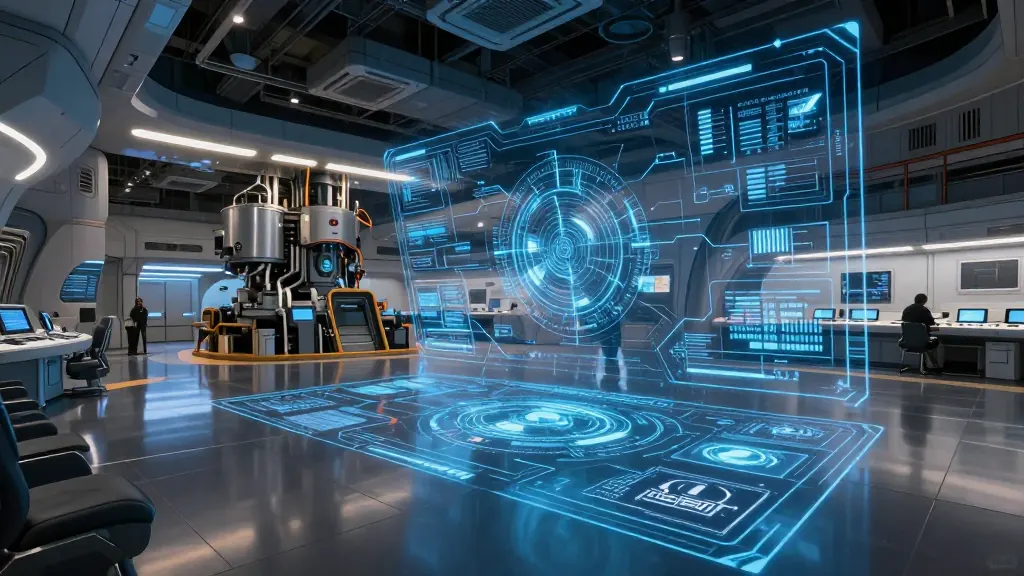
The driving force behind Overwatch is, without a doubt, Blizzard Entertainment. More than just a developer, Blizzard established itself as the publisher and primary studio responsible for bringing this universe of heroes to life. The project was not the result of a single department, but rather a monumental industrial effort, requiring the coordination of talent across multiple disciplines. The magnitude of the title, which had to balance high-octane combat with complex narratives, elevated Overwatch to a level of technical and creative ambition unprecedented for the company.
The Creative Vision and Executive Body
The game’s success is intrinsically linked to the leaders and designers who guided its conception. These professionals were responsible for shaping the gameplay experience, defining the visual identity and narrative tone we recognize today. The creation process involved a succession of directors and designers who worked together to ensure that the core concept—a team of heroes from diverse backgrounds united to combat global threats—was executed with maximum fidelity and playability. The game’s architecture, with its unique classes and ability mechanics, is a direct testament to this creative curation.
However, it is essential to understand that Overwatch is, at its core, a massive collaborative effort. Behind the combat interface and colorful skins lies an ecosystem of teams working in synergy. This includes vast groups of concept artists, who designed the look of every character; writers and screenwriters, who built the lore and mythology of every nation and hero; and, finally, software engineers, who ensured that the gameplay was fluid and scalable. This interconnection of teams—where artistic design informs the narrative, and the narrative, in turn, constrains or expands the combat design—is what gives the universe its depth and richness.
In summary, what you see on screen is the culmination of years of interdisciplinary work. Blizzard Entertainment not only provided the development engine but also orchestrated the human talent, transforming a science fiction idea into a complex multimedia product. This apparatus of talent, from the artists who painted Winston’s armor to the writers who detailed Mercy’s history, is the true engine that made Overwatch a cultural phenomenon and a landmark in the history of first-person shooters. See also: Europa Universalis IV.
📌 Pillars of Overwatch’s Creation
- Concept Artists: Responsible for designing the appearance of each character.
- Writers and Scriptwriters: Build the lore and mythology of each nation and hero.
- Software Engineers: Ensure that the gameplay is fluid and scalable.
- Artistic Design and Narrative: Work in synergy, where one informs the other.
The Origin of the Idea and the Inspirations Behind the Characters
The central concept of Overwatch was always more than just a team of superheroes; it was the conception of a global force responding to threats that, by definition, recognize no borders. The initial idea transcended the classic comic book format, proposing a scenario where the scale of conflict demanded unprecedented international coordination. Instead of a group isolated by a single government or corporation, Overwatch was designed to operate on a world stage, where every nationality and culture could contribute a unique set of skills and knowledge. This premise of global scale is what gave the game’s lore its depth and lasting appeal.
The Need for a Global Setting
For the Overwatch universe to function, the conflict needed to be vast and multifaceted. The creators didn’t just imagine superpowers; they imagined a geopolitical context in crisis. The threat didn’t come from a single villain, but from chaotic and emerging forces that forced different cultures and ideologies to converge on a single goal: world peace. This narrative necessity determined the structure of the characters. If the world is global, its defenders must be as well. This is why cultural and geographical diversity is not merely aesthetic window dressing, but a functional pillar of the gameplay and the story.
📘 Lore
In the context of Overwatch, Lore refers to the mythology or narrative universe of the game. It is the collection of backstories that give depth to the world and its characters.
Incorporating diversity into character design was a meticulous effort to anchor the fiction in a recognizable backdrop. Characters came from locations representing different continents and civilizations, bringing with them traditions, technologies, and even specific political challenges. This rich cultural tapestry ensures that the story remains relevant to an international audience, as every backstory—whether inspired by Tokyo, Paris, or more remote regions—adds layers of complexity to the hero system. Characters’ motivations, therefore, are not just about saving the day; they are deeply rooted in their cultural and local identities.
This approach allowed the developers to create a rich canon where the past and present constantly intersect. The backstories are not limited to a single narrative arc; they interact with global events, such as the creation of new technologies or the emergence of extremist factions. This interconnectedness is what elevates Overwatch from a simple first-person shooter to a universe of science fiction and adventure with mythological depth. In summary, the idea was not just to gather powerful heroes, but to assemble a team that mirrored the complexity, beauty, and challenges of a truly global world, where no border is safe.
Game Development: Technological Challenges and Creation Time
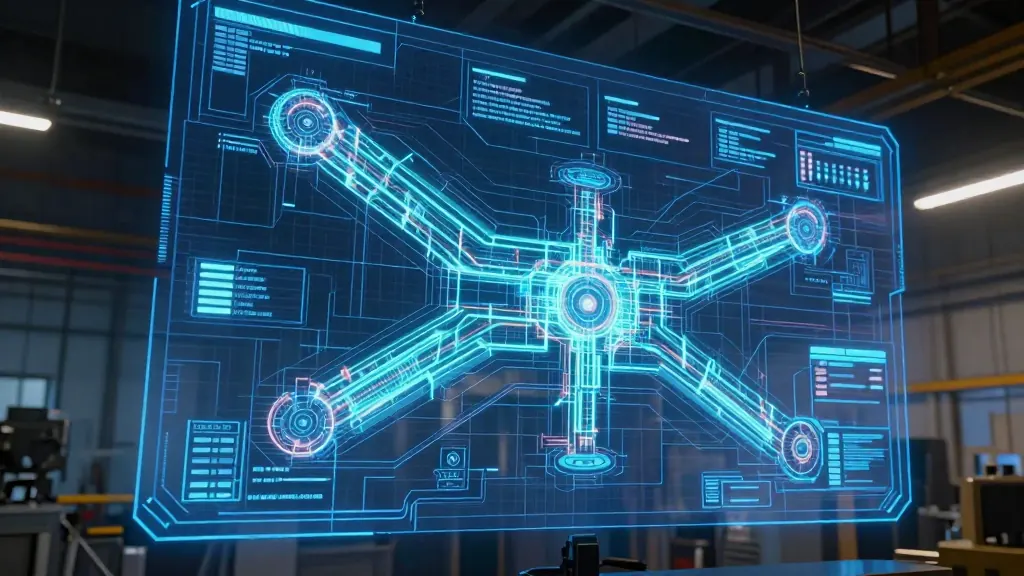
Developing an epic-scale game like Overwatch was not just a narrative challenge, but a feat of software engineering and systems design of monumental proportions. The primary challenge Blizzard faced was one of scale: how to transpose a vast and complex superhero universe, with dozens of playable characters, into a format that was simultaneously cohesive, fun, and technically feasible? Creating a rich canon, which required every character to have a detailed backstory, had to be married to a functional and balanced combat system. After all, understanding the origins of complex fictional worlds, such as in survival game lore, is fundamental. Merely creating 3D models and animations was just the tip of the iceberg; the core of the challenge was making sure that every ability, every weapon, and every character interaction fit into a larger game ecosystem.
The Challenge of Mass Balance
The most intrinsically complex aspect of the project was ensuring gameplay balance. When it comes to a hero game, each character’s mechanic (or “kit”) must be unique, but it cannot be excessively powerful or weak compared to the others. The developers had to build a rigid set of rules that allowed for creative flexibility. Imagine having to design the arsenal for twenty or more characters, each with distinct abilities—whether they were area control, ranged damage, support, or tanking—and ensuring that, as a team, they could interact without the game becoming predictable or unbalanced. This process demands endless playtesting and constant iteration, turning character design into a science of systems.
Managing a project of this magnitude, which spanned years and went through various phases of testing and refinement, is a testament to Blizzard’s management capability. It wasn’t just about writing code, but about maintaining synergy among multidisciplinary teams: writers, animators, network engineers, level designers, and combat balance specialists. Every element—from projectile physics to the learning curve of an ability—had to be meticulously polished. It was an effort that required the artistic vision and narrative ambition to be constantly subjected to the rigor of game physics.
In summary, the development of Overwatch is a case study on how superhero science fiction transforms into a playable digital product. The technical success lies not just in the visual beauty, but in the architecture of its mechanics. It is proof that creating a vast and multifaceted universe requires more than just good stories; it requires robust game engineering capable of supporting the diversity of abilities and the complexity of real-time global combat.
📊 Pillars of Overwatch Development
| Main Challenge | Development Focus | Required Outcome |
|---|---|---|
| Scope and Complexity | Porting a vast universe with dozens of characters | Cohesive, fun, and technically feasible system |
| Systems Design | Blending rich lore with functional and balanced combat | Ability interactions that form a playable ecosystem |
| Gameplay Balance | Ensuring each ‘kit’ is unique yet balanced compared to the others | Rigid rules that allow for creative team flexibility |
Releases and the evolution of platforms and versions
The journey of Overwatch from concept in Blizzard studios to global release was a process of continuous refinement, characteristic of what we now call a live service model (live service). Far from being a finished product on a single date, the game was built in layers, going through closed and open betas that shaped both the gameplay and the player experience. The importance of these testing phases lies not just in checking for bugs, but in calibrating the balance among dozens of distinct abilities and ensuring the team system worked under pressure.
The testing phases and the initial launch
Development didn’t start with a commercial release. The game went through beta tests that allowed Blizzard to collect crucial data on hero performance and class interaction. It was during these tests that Blizzard perfected the core mechanics: team combat and the class system. The PC platform launch was the first major visibility milestone, establishing the foundation for the hero ecosystem. The transition from beta versions to the full release was gradual and intentional, allowing the player community to adapt to a first-person shooter that demanded both mechanical precision and team strategy.
The success in solidifying the live service model is what truly defined the future of Overwatch. Unlike single-release games, the title was designed to evolve. After the initial launch, the game never stopped receiving content. This constant stream of updates, introduction of new heroes, balance adjustments, and additional game modes kept the player base engaged and allowed the game to adapt to changes in the competitive landscape and public expectations.
Expansion to consoles and the game’s lifecycle
The expansion to consoles was vital in solidifying Overwatch‘s global reach. Availability on multiple platforms ensured that the game was not restricted to a single market niche. However, this portability move reinforced Blizzard’s commitment to keeping the game alive and relevant across various hardware ecosystems. Each new console or platform was not just a distribution channel, but an opportunity to revalidate the service model, forcing developers to keep the content fresh and the game’s meta constantly moving.
In short, the launch history of Overwatch is a case study in digital product management. It shows that the longevity and success of a modern game depend less on the grandeur of its initial release and more on the developers’ ability to maintain a perpetual cycle of innovation and community support. The live service model is not an add-on, but the engine that propelled the title from a PC hit to a persistent cultural phenomenon.
Gameplay and What Made Overwatch a Phenomenon
If Overwatch’s narrative is what captures the player emotionally, it is its gameplay system that cemented it as a cultural and competitive phenomenon. The game transcended being a mere collection of superheroes to establish itself as an exciting and complex team combat system. The core of this gameplay lies in a well-defined class structure, which not only assigns roles to characters but, more importantly, dictates the rhythm and strategy of every encounter.
The Triad of Roles and Synergy
Overwatch’s class system is built around three fundamental pillars: Tank, Damage (DPS – Damage Per Second), and Support. This division is not arbitrary; it is the game’s strategic engine. Tanks are responsible for being the frontline, absorbing the brunt of enemy attacks and setting the initial pace of combat. They don’t just protect; they guide the team’s positioning. DPS are the specialists in dealing massive damage, requiring precision and tactical positioning to eliminate long-range threats.
🧪 Overwatch’s Strategic Triad
Success in the game depends on the synergy between three roles: Tanks (frontline and damage absorption), DPS (tactical damage specialists), and Support (keeping the team alive with healing and utility). No single class is self-sufficient; real-time coordination is what defines the pace of combat.
The Support role, in turn, is the vital link that ensures the team’s sustainability. Heroes in this class do not focus on raw damage, but on keeping the team alive through healing, shields, and utility that mitigates risks. It is the interaction between these three roles—the damage absorber, the lethal attacker, and the strategic healer—that defines the synergy. No single class is self-sufficient; success in Overwatch depends on players’ ability to coordinate these abilities in real time.
Objective-Oriented Gameplay
Beyond class synergy, what truly elevates Overwatch’s gameplay to a strategic level is its focus on objectives (objective-based gameplay). Unlike games that boil down to a chaotic shootout of “who shoots the hardest,” the pace of the game is dictated by clear goals: capturing a point, defending a structure, or eliminating a specific target. This mechanic forces players to think collectively and tactically, and understanding the game’s origins can be fascinating, such as in the story of Overwatch’s creation. Combat, therefore, is not an end in itself, but a means to achieve a greater purpose.
This emphasis on objectives transformed the game into a dynamic battlefield where communication and planning are as vital as aim. Whether in a point-scoring mode, where area control is paramount, or in last-man-standing modes, the system demands that teams function like a cohesive machine. It is this perfect balance between the individual freedom of each hero’s power and the inescapable need for group coordination that cemented Overwatch’s place in the hearts of first-person shooter players, setting a standard for highly competitive and deeply rewarding gameplay.
The Overwatch Legacy: Cultural Impact and Future Projects
Overwatch’s impact transcends mere gameplay experience, establishing itself as a cultural phenomenon and, crucially, as a catalyst for the esports industry. The title’s success not only created a new form of entertainment but also redefined the standard of competition for the hero shooter genre. The peak of this recognition was the creation of the Overwatch League (OWL), a professional system that transformed the game into a global sporting league with franchises representing major cities. This structure raised the level of tactical analysis, demanding from players not only precise aim but a deep understanding of team synergies and resource management under pressure. Professional Overwatch matches became a case study on how human coordination and strategic planning are as vital as mechanical excellence.
The Legacy in Competitive Play
The game’s professionalization forced the evolution of the genre itself. By demonstrating that a hero system with well-defined classes (Tank, Damage, and Support) could sustain an epic narrative and a high-level sport, Overwatch influenced the development of subsequent titles. The game proved that the “hero” model—where each character possesses a unique set of abilities and a specific tactical role—was a vast and lucrative market niche. This global success validated investment in IPs (Intellectual Properties) with extensive narrative universes, a model now replicated by various other franchises on different platforms.
For Blizzard Entertainment, Overwatch’s legacy is multifaceted. First, it solidified the Live Service model. The title’s success demonstrated the company’s ability to maintain user engagement for years through constant updates, content expansions, and, most importantly, continuous professional support. Second, the franchise cemented public interest in global-scale superhero narratives, proving that the merchandising and emotional appeal of the characters can be as important as the gameplay itself.
Influence on the Hero Genre
Overwatch’s gameplay system, with its emphasis on objectives and class synergy, set a new standard of expectations for developers. It forced the industry to pay attention not only to individual firepower but to team dynamics. The focus on objectives (objective-based gameplay) transformed the game into a team strategy exercise, where communication and tactical planning are as crucial as aiming. This emphasis on collective coordination is perhaps Overwatch’s biggest legacy for the genre, raising the bar for what is expected of a modern hero shooter.
In summary, Overwatch’s history is a testament to how merging a rich superhero mythology with highly structured game design and a continuous service model can create a cultural phenomenon of unprecedented proportions. The franchise not only entertained millions of players but also redefined the vocabulary and economic viability of an entire genre in the landscape of video games and esports.
Glossary
- Live Service: A business model where the game is not a finished product, but rather a service that receives continuous updates and content.
- Lore: The game’s mythology and background universe, which builds the global story and context for the heroes and threats.
- Kit: The unique set of abilities, weapons, and mechanics of a character, defining their role and combat style in the game.
- Multimedia: Refers to the combination of different art forms and content (visual, narrative, playable) in a single product.
Frequently Asked Questions
Is Overwatch a free-to-play game?
The game was designed to be a vast and complex ecosystem, requiring robust systems engineering to maintain gameplay. Its live service nature ensures that the content and meta are always evolving, keeping the community engaged with constant updates.
What is the difference between Overwatch 1 and Overwatch 2?
The title’s evolution reflects the transition from a one-time launch product to a continuous service model. Subsequent iterations focus on refining team combat and the class system, adapting to player expectations and the global competitive scene.
What are the best heroes for a beginner to play in Overwatch?
Since the game is built around a system of unique classes and abilities, it’s best to experience the diversity of roles. Starting by testing out different archetypes—like support, tank, or long-range damage—will help you understand team synergy and balance.
Is the game more focused on story or on competitive combat?
The title is a balance between both. While the team combat and class system demand high mechanical precision, the mythological depth and global geopolitical context are essential. The narrative enriches the combat, giving meaning to every victory.
What is the ‘lore’ of Overwatch, and why is it important?
The ‘lore’ refers to the mythology and background universe of the game. It is crucial because it establishes a global scenario of crisis, where characters from diverse cultures and nations are forced to collaborate. The lore lends depth and relevance to every backstory and world event.
Conclusion
The Overwatch universe transcends the definition of a simple first-person shooter. Its creation is, in fact, the result of an industrial and artistic effort of monumental proportions, orchestrated by Blizzard Entertainment. The title’s success lies in its ability to reconcile high-octane combat with a rich and global mythology. This ambition required the developers not only to create powerful superheroes but also to build a narrative ecosystem where cultural and geographical diversity was a functional pillar, not just an aesthetic embellishment.
The complexity of the project resided, above all, in the challenge of systems engineering: how to marry a multifaceted global canon with a cohesive and perfectly balanced gameplay system. Behind every unique ability and every character with a detailed story, there is an intricate web of collaboration among concept artists, writers, and software engineers. It is this interconnection—where the narrative informs combat design, and combat design, in turn, elevates mythological depth—that gives the game its richness and lasting appeal.
Thus, what we see on screen is the culmination of years of interdisciplinary work, where the vision of a group of leaders and designers was transformed into a vast multimedia product. Analyzing Overwatch is understanding that great cultural phenomena are always a reflection of extraordinary human and technical apparatus. When exploring the game, always remember to look beyond the gunfire and recognize the complexity of the talent that made this universe happen.