
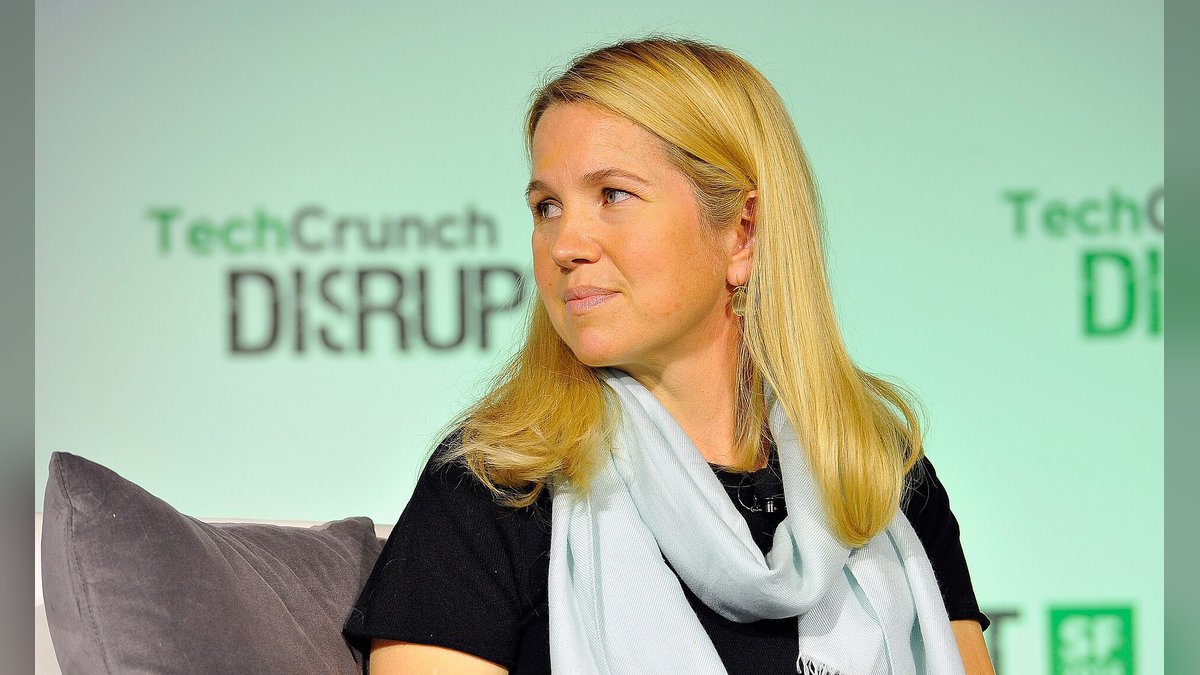
Read this article in: Portuguese (Português) · Spanish (Español)
Who is Jessica Livingston? She is an American investor, writer, and podcaster, best known for her instrumental role in founding Y Combinator, the highly influential seed stage venture firm. A seasoned figure in the realms of entrepreneurship and technology investment, Livingston has carved out a notable career as a businesswoman and writer. Since her birth in 1971, she has become a foundational architect of modern startup culture, helping to shape the very landscape of Silicon Valley.
Livingston’s impact on the technology world is deeply intertwined with the success of Y Combinator. As a founding partner, she helped establish a mechanism for nurturing early-stage companies that has launched countless industry giants. Beyond her venture capital work, her thought leadership is cemented through her writing, most notably her work on Founders at Work: Stories of Startups’ Early Days. These efforts showcase her commitment to documenting the raw, challenging narrative of building a technology company from the ground up.
This biography will trace the remarkable arc of her career, beginning with her academic foundations at Bucknell University. We will explore her diverse roles before her seminal work with Y Combinator, examine her enduring influence through her writing and podcasting, and detail her personal partnership with Paul Graham. Ultimately, this feature aims to capture her lasting legacy in both tech investment and the philosophy of entrepreneurship.
Key Takeaways
- Born in 1971, Jessica Livingston attended Bucknell University, where she earned a Bachelor of Arts degree focusing on English.
- She co-founded Y Combinator in 2005 with Paul Graham, Robert Morris, and Trevor Blackwell.
- Her early career was highly diverse, including roles at Adams Harkness Financial Group and Food & Wine magazine.
- She published the seminal work *Founders at Work: Stories of Startups’ Early Days* in early 2007.
- In 2023, she began co-hosting The Social Radars podcast and is listed as a financial backer of OpenAI.
Jessica Livingston at a Glance
| Born | 1971 (age 54 – 55) |
|---|---|
| Education | Bucknell University (BA) |
| Occupations | Businesswoman, Writer, Venture Capitalist |
| Organization | Y Combinator |
| Known for | Co-founding Y Combinator, Founders at Work: Stories of Startups’ Early Days |
| Notable work | Founders at Work: Stories of Startups’ Early Days |
| Spouse | Paul Graham |
| Citizenship | United States |
| Field of work | Entrepreneurship; Podcast show |
Early Life and Academic Foundations
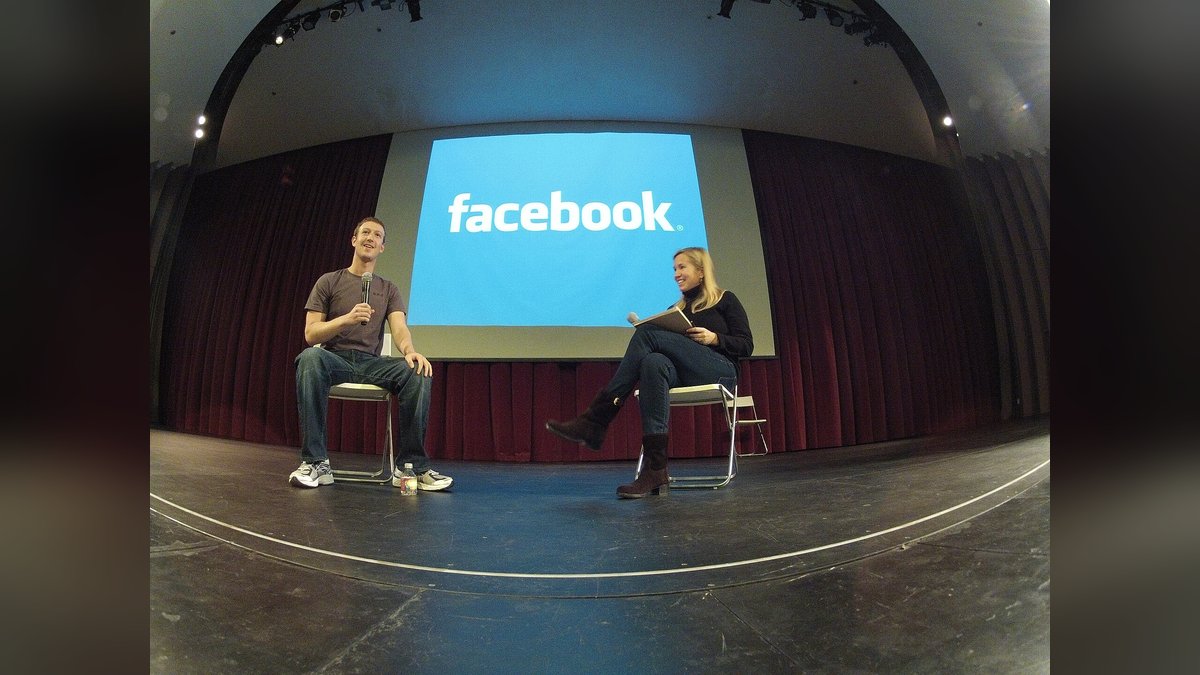
The formative years of Jessica Livingston were marked by a geographical journey that mirrored the evolving landscape of American intellectual life. Born in 1971 in Minneapolis, Minnesota, her early environment provided a foundational grounding that would later inform her work in technology and writing. While her roots lay in the Midwest, her life soon shifted, and she relocated to the vibrant Boston area. It was here, in a region that would become a crucible for American innovation, that she spent much of her formative time, largely raised by her father and grandmother.
This period of development led her through several prestigious academic institutions. In 1989, she completed her studies at Phillips Academy. The experience at the academy provided a rigorous preparatory education, setting the stage for her subsequent collegiate career. Following this, she enrolled at Bucknell University. It was there that she pursued a Bachelor of Arts, focusing her studies on English. This academic path, centered on the humanities, proved to be a crucial intellectual underpinning for her later career, grounding her in narrative structure, critical analysis, and the power of language—skills that would prove invaluable whether she was documenting the early days of startups or co-founding one of the world’s most influential venture capital programs.
Cultivating the Writer and Thinker
The combination of her early life in Minnesota and the intellectual rigor she absorbed in the Boston area shaped her understanding of communication and systems. Her decision to major in English at Bucknell University was not merely an academic choice; it was a preparation for a life of observation. While the tech industry often focuses on code and capital, Livingston’s background emphasized the narratives that drive those industries. This focus on storytelling—the ability to distill complex, chaotic events into coherent, understandable histories—would define her notable work, such as Founders at Work: Stories of Startups’ Early Days, allowing her to connect the human element to the mechanical forces of technological progress.
These academic foundations provided a unique lens through which she would eventually view the burgeoning world of entrepreneurship. The training in English ensured that her contributions to venture capital and technology policy would always be viewed through the prism of powerful, well-articulated thought. Her initial journey, from the structured environment of Phillips Academy to the deep study at Bucknell, equipped her not just with a degree, but with a sophisticated understanding of how stories—and the people who tell them—can build empires.
Diverse Roles Before Venture Capital

After graduating from Bucknell University, Jessica Livingston did not pursue a linear path into the technology sector. Instead, her initial career trajectory was marked by a remarkable adaptability, taking her through a wide array of industries that demanded diverse skill sets. Her professional résumé reflected a willingness to learn the nuances of vastly different markets, starting with positions at Fidelity. She also contributed to the editorial world, working with Food & Wine magazine, a role that likely honed her communication and narrative skills. Her experience continued to broaden, encompassing work with an automotive consulting firm and even a wedding planning service, demonstrating an uncommon breadth of commercial exposure.
The evolution of her career brought her into the realm of finance. She eventually served as vice president of marketing at Adams Harkness Financial Group, an investment bank. These roles, spanning from high-touch consumer services like wedding planning to the rigorous structure of an investment bank, provided her with a comprehensive understanding of American commerce. This varied background suggests that Livingston cultivated a unique, cross-sector perspective—an ability to understand the customer, the market, and the financial mechanism underpinning any given industry.
This diverse professional grounding proved foundational when she transitioned toward the nascent world of technology entrepreneurship. The skills honed across finance, media, and consumer services prepared her for the pivotal moment when she met Paul Graham, Robert Morris, and Trevor Blackwell (the co-founders of Viaweb) at a party in Cambridge. This meeting ultimately led to the co-founding of Y Combinator in 2005. In the early days of the incubator, Livingston and Graham were instrumental in establishing the community, hosting weekly meals for the founders at their home near Cambridge.
Even as Y Combinator matured, her deep involvement remained. When Paul Graham eventually stepped down from his leadership role and Sam Altman succeeded him, Livingston became more deeply embedded in the organization’s daily operations, including overseeing the crucial Startup School program. This journey—from working with financial institutions and magazines to becoming a key architect of a modern startup ecosystem—underscores a career defined not by a single industry, but by an exceptional capacity to connect disparate fields into a cohesive understanding of growth and opportunity.
Co-Founding Y Combinator and Guiding Startups

After a career that saw her through diverse fields—including roles at Fidelity, the Food & Wine magazine, an automotive consulting firm, and a wedding planning service—Jessica Livingston held a position as vice president of marketing at the investment bank Adams Harkness Financial Group. This varied professional grounding set the stage for her pivot into the burgeoning world of technology entrepreneurship. The pivotal moment arrived when she met a group of peers at a party in Cambridge: Paul Graham, Robert Morris, and Trevor Blackwell, the co-founders of Viaweb. During this meeting, the group discussed the concept of an incubator for new companies, leading to the co-founding of Y Combinator (YC) in 2005.
In the nascent days of the venture firm, Livingston and Graham were deeply involved in the hands-on care of the founders. They hosted weekly meals for the early cohort of startups at their home near Cambridge, providing an intimate, supportive environment that helped shape the culture of the burgeoning startup ecosystem. When Paul Graham eventually stepped down from his leadership role, and Sam Altman succeeded him, Livingston’s involvement deepened significantly. She became more integrated into the organization’s daily operations, notably taking charge of overseeing the highly influential Startup School program.
Livingston’s commitment to documenting and promoting early-stage tech innovation manifested through her writing. In early 2007, she published Founders at Work: Stories of Startups’ Early Days, a collection of interviews that featured famous startup founders, including Steve Wozniak. This effort was crucial for solidifying YC’s intellectual footprint. Her dedication to fostering the next generation of builders continued to evolve; in 2013, she launched the Female Founders conference with the explicit goal of inspiring more women to found startup companies.
Her involvement with the tech sector has remained dynamic and multifaceted. More recently, Livingston has taken on roles that reflect both her investment acumen and her continued passion for technology’s future. She is listed as one of the financial backers of OpenAI, the for-profit company dedicated to developing artificial general intelligence. Furthermore, in 2023, she joined fellow YC partner Carolynn Levy to co-host The Social Radars podcast, demonstrating her ongoing role not just as a co-founder, but as a continuing thought leader and guide within the modern venture capital landscape.
Thought Leadership Through Writing and Podcasting

While her role as a key co-founder of Y Combinator cemented her operational legend, Jessica Livingston’s intellectual contributions to the startup narrative were perhaps most profoundly realized through her writing. Recognizing the value of recorded experience, she formalized her commitment to documenting the entrepreneurial journey. In early 2007, she published Founders at Work: Stories of Startups’ Early Days. This seminal collection was not merely a book of anecdotes; it served as a meticulously curated archive of insight, featuring extensive interviews with some of the most famous founders in the technology world, including Steve Wozniak. The book established a crucial intellectual scaffolding for the nascent industry, demonstrating that the lived experience of building a company was as valuable—if not more so—than the initial seed funding.
Livingston’s dedication to broadening access to the founder experience continued to evolve. She recognized that the pipeline of innovative talent needed targeted support, leading her to launch the Female Founders conference in 2013. The explicit aim of this initiative was to inspire and empower more women to enter the deeply technical and often male-dominated sphere of founding startup companies. This effort represented a conscious effort to diversify the intellectual capital feeding into the tech ecosystem, pushing the boundaries of who could succeed in the venture-backed world.
As the tech landscape matured and the methods of disseminating knowledge shifted from printed books to digital streams, Livingston adapted her thought leadership. Her involvement remained dynamic and multifaceted. Following her time overseeing the Startup School program, she continued to expand her influence into modern media formats. In 2023, she began co-hosting The Social Radars podcast alongside fellow YC partner Carolynn Levy. This shift to podcasting allowed her to engage with the current generation of builders and thinkers in an immediate, conversational format, keeping her voice central to the ongoing dialogue surrounding technology and venture capital.
Beyond these focused initiatives, her commitment to shaping the future of intelligence remains evident. Livingston is one of the financial backers of OpenAI, the for-profit company dedicated to developing artificial general intelligence. Coupled with her foundational work in documenting the history of tech innovation, her continued participation in major industry forums—and her occasional sabbatical, such as the one taken in 2016—underscore a deep, abiding engagement with the intellectual frontier of American business. Her career demonstrates a sustained effort to not only fund great ideas but also to define the vocabulary, the processes, and the community necessary for those ideas to take root.
Personal Life and Partnership with Paul Graham

The narrative of Jessica Livingston’s professional life—a career defined by the rapid, volatile evolution of the technology sector—is paralleled by significant personal milestones. Among the most defining of these was her marriage to fellow technologist and writer, Paul Graham, which occurred in 2008. This union marked a deep personal commitment during a period when the venture capital landscape was undergoing rapid shifts, and the early, intense growth of the startup ecosystem was reaching a critical mass. The partnership provided a stabilizing anchor for a figure whose professional endeavors were inherently global and often transient. In the shared context of building and observing the next generation of technology, the connection with Graham formed a foundational unit that would support her continued influence in the industry.
The structure of their family life, which includes two children, has provided a grounding counterpoint to the often-abstract and highly ambitious nature of the tech world. While her public identity is inextricably linked to co-founding Y Combinator and shaping the narrative of early-stage entrepreneurship, the private life anchored by her family has been a consistent, underlying force. These personal commitments require a different kind of logistical and emotional bandwidth than those demanded by advising founders or managing a high-growth organization. For Livingston, maintaining this balance speaks to a remarkable capacity for focus, allowing her to navigate the demanding worlds of venture capital, writing, and advisory roles while managing a family life.
A particularly notable chapter in her personal history involves the family’s geographic relocation. Since late 2016, the Livingston family has been residing in the United Kingdom. This move represents a substantial shift in the physical center of gravity for a figure so deeply embedded in the American tech ecosystem. For a technology leader whose professional life has historically required constant proximity to global hubs of innovation—from the early days of the internet to the boom years of Silicon Valley—the decision to establish a primary residence in the UK suggests a deliberate recalibration of priorities. This move does not diminish her global reach, but rather implies a sophisticated management of her personal life alongside her continued intellectual and advisory contributions to the field of entrepreneurship.
Collectively, these personal dimensions—the marriage in 2008, the raising of their two children, and the sustained move to the United Kingdom since late 2016—provide a framework of stability and continuity. They demonstrate that the architect of her professional legend is also a deeply rooted family member, whose personal life has undergone profound, deliberate shifts that allow her to continue contributing to the ongoing, volatile history of technology.
Legacy in Entrepreneurship and Tech Investment

Jessica Livingston’s influence on the tech ecosystem extends far beyond her role as a co-founder of Y Combinator. Her professional history, which included a tenure as vice president of marketing at Adams Harkness Financial Group, provided a rigorous grounding in finance that proved critical as she helped shape the very mechanisms of modern venture capital. Alongside Paul Graham, Robert Morris, and Trevor Blackwell, the group co-founded Y Combinator in 2005. While the early years saw intense, hands-on support for founders, her sustained commitment to the institution remained profound. When Sam Altman succeeded Paul Graham in leadership, Livingston deepened her operational involvement, taking charge of key programs such as the Startup School program, cementing her role as a structural pillar of the nascent startup ecosystem.
Shaping the Founder Narrative and Expanding Access
Livingston’s legacy is defined by her ability to document and institutionalize the experience of success. This effort culminated in the publication of Founders at Work: Stories of Startups’ Early Days in early 2007, a collection of interviews that documented the journey of famous founders, including Steve Wozniak. This work served not merely as a memoir, but as a vital resource for defining the parameters and mythology of the modern tech founder. Recognizing the need for broader inclusion, she launched the Female Founders conference in 2013, an initiative explicitly designed to inspire and support more women entering the challenging world of building technology companies.
As the tech world matured, so too did the methods of disseminating knowledge. Livingston continually adapted her thought leadership to meet the times. More recently, her impact has been felt in the rapidly evolving fields of artificial intelligence and digital media. She became a financial backer of OpenAI, the for-profit company dedicated to developing artificial general intelligence. Furthermore, she adapted her intellectual contributions to modern digital streams, co-hosting The Social Radars podcast with fellow YC partner Carolynn Levy starting in 2023, ensuring her voice remains central to the ongoing discourse of technology and entrepreneurship.
Frequently Asked Questions About Jessica Livingston
What is Jessica Livingston best known for?
She is best known for being a founding partner of the seed-stage venture firm Y Combinator. Her influence extends beyond venture capital, as she is also recognized for her writing, notably *Founders at Work*, and her ongoing role as a thought leader in the tech podcasting space.
When was Jessica Livingston born?
Jessica Livingston was born in 1971. Her formative years included roots in Minneapolis, Minnesota, but she spent much of her development in the Boston area, a region that became a major crucible for American innovation.
Where did Jessica Livingston attend college?
She attended Bucknell University, where she pursued a Bachelor of Arts degree. Her studies focused on English, providing her with a crucial intellectual grounding in narrative structure and critical analysis that informs her work today.
Who is Jessica Livingston married to?
Jessica Livingston is married to Paul Graham. This personal partnership provided a foundational support unit for her professional life, anchoring her during the intense and rapid growth period of the early startup ecosystem and Y Combinator.
What is her primary field of work?
Her primary field is multifaceted, encompassing entrepreneurship, venture capital, and writing. She has leveraged a varied background in finance, media, and consumer services to become a key architect and thought leader in the modern startup ecosystem.
Final Thoughts: The Legacy of Jessica Livingston
Jessica Livingston’s legacy is not defined by a single invention or a single venture, but by her foundational role in defining the modern architecture of the startup ecosystem. From her early academic grounding in English, which emphasized narrative structure, to her diverse professional experiences spanning finance and consumer services, she developed a unique capacity to observe the mechanics of growth. Her co-founding of Y Combinator in 2005 was the pivot point, establishing the supportive, hands-on culture that helped shape countless tech giants. Whether hosting weekly meals for the first cohorts or later overseeing the Startup School program, her commitment was always to the people building the future.
Her intellectual footprint is equally indelible. Through her notable work, Founders at Work: Stories of Startups’ Early Days, she formalized the importance of documenting experience, capturing the narratives that power technological progress. Years later, her continued involvement—from serving as a financial backer of OpenAI to co-hosting The Social Radars podcast in 2023—proves her status as a continuous thought leader. She has consistently shown that the most powerful engine of innovation is not code or capital alone, but the story of the people willing to build it.
As the frontiers of technology continue to accelerate, the enduring value of the human story—the story of the founder, the idea, and the community—remains the essential guidepost for the next wave of builders.
Sources and Further Reading
- Jessica Livingston — Wikipedia (text available under CC BY-SA 4.0)
- How Y Combinator Schools Tech Startups — fastcompany.com
- Y Combinator’s Jessica Livingston: We’re as relevant as ever — fortune.com
- Elon Musk And Peter Thiel Launch OpenAI, A Non-Profit Artificial Intelligence Research Company — forbes.com
- Y Combinator Has Gone Supernova — wired.com